
Comment choisir un bagage cabine qui n'a pas l'air d'un bagage : tissus, structure et règles des compagnies aériennes pour 2026

Le meilleur bagage à main qui ne ressemble pas à un bagage vous permet de descendre d'un avion et d'entrer dans un café à Lisbonne ou une réunion à Singapour sans crier « touriste avec une valise à roulettes ». En 2026, de plus en plus de voyageurs échangeront les valises rigides à roulettes contre des sacs souples et structurés qui se fondent dans le décor tout en tenant dans le compartiment. Ce guide compare les tissus, les choix de cadre et les règles de taille des compagnies aériennes régionales qui décident si votre sac est gratuit ou doit être enregistré à la porte d'embarquement. Le bon tissu et la bonne taille font tout le travail.
Ce changement est pratique, pas seulement esthétique. Un sac souple qui se glisse sous le siège vous évite l'attente au carrousel, les frais des compagnies aériennes à bas prix et survit bien mieux à un train bondé qu'une valise rigide. Bien conçu, il ressemble aussi davantage au sac d'une personne qu'au fardeau d'un voyageur, ce qui réduit discrètement votre visibilité dans les zones à risque de pickpockets, de Barcelone à Bangkok. C'est la rare amélioration de voyage qui économise de l'argent, réduit les tracas et améliore votre façon de vous déplacer dans le monde.
Ce que signifie réellement « ne ressemble pas à un bagage »
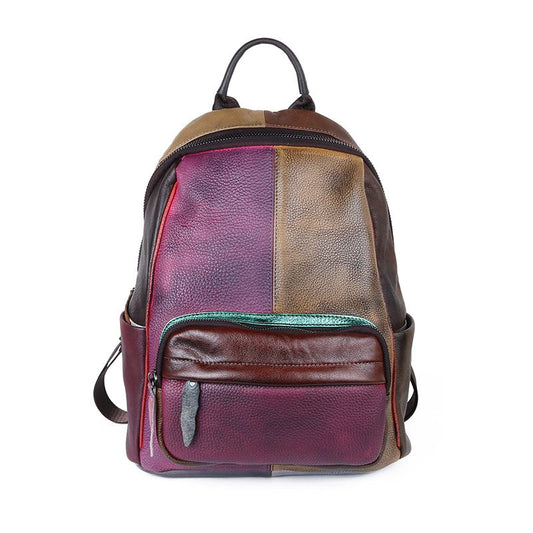
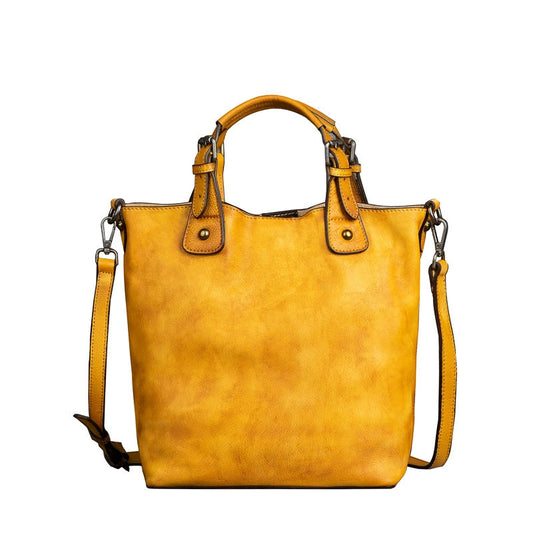
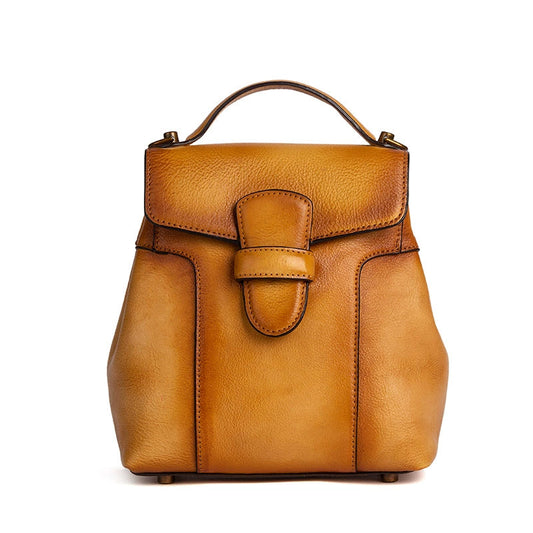
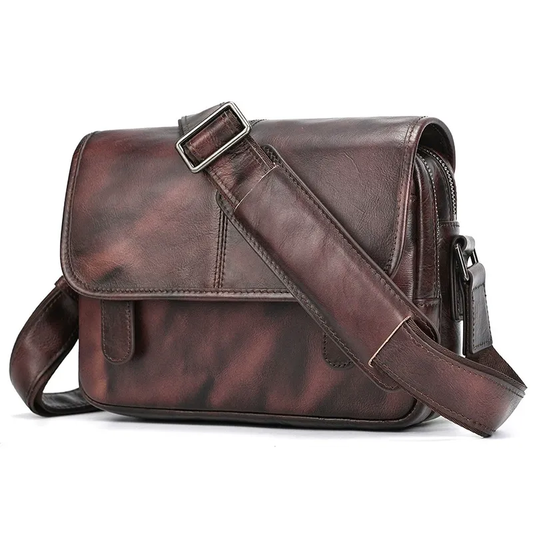
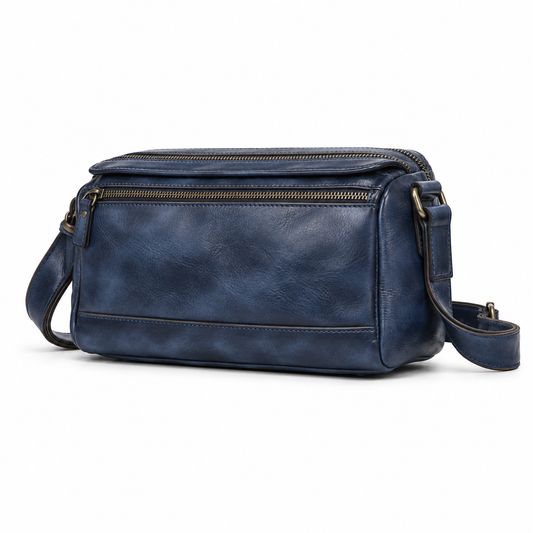
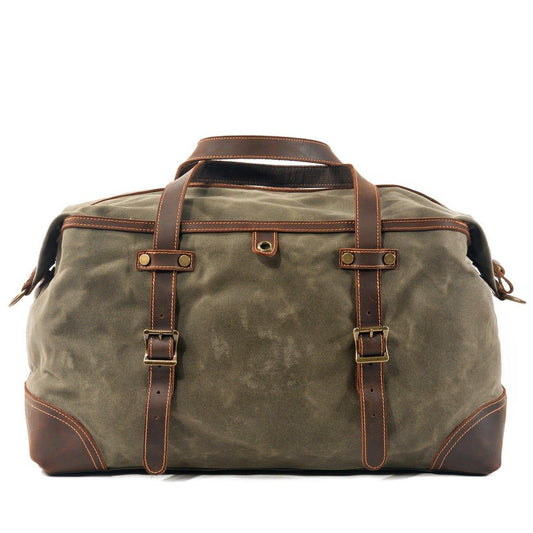
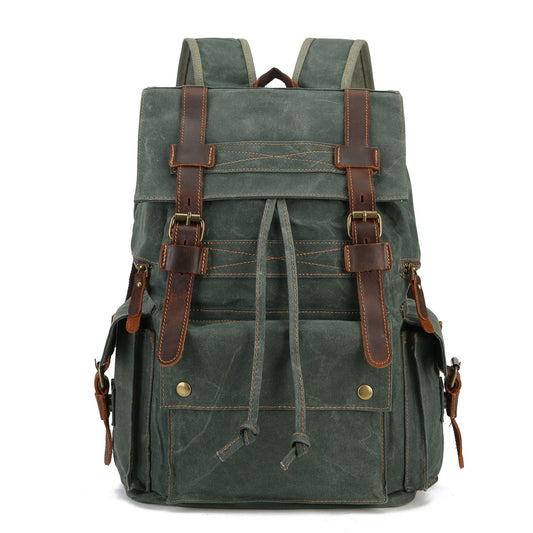
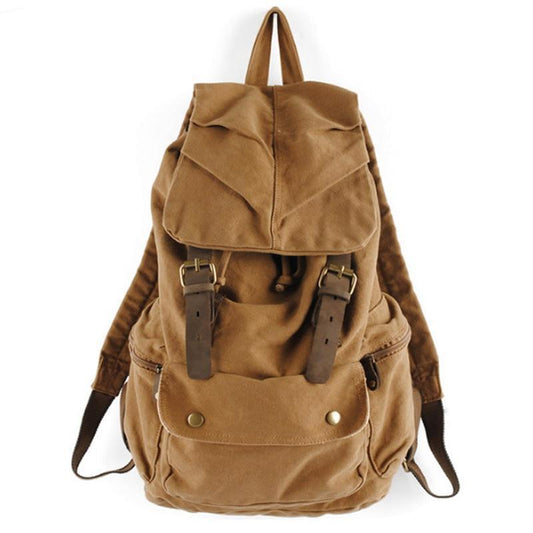
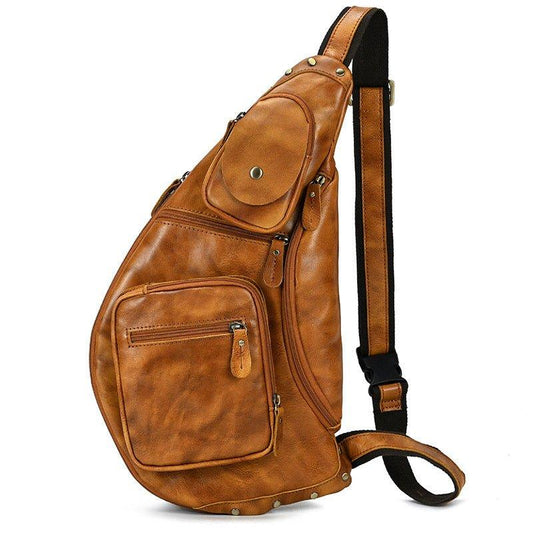
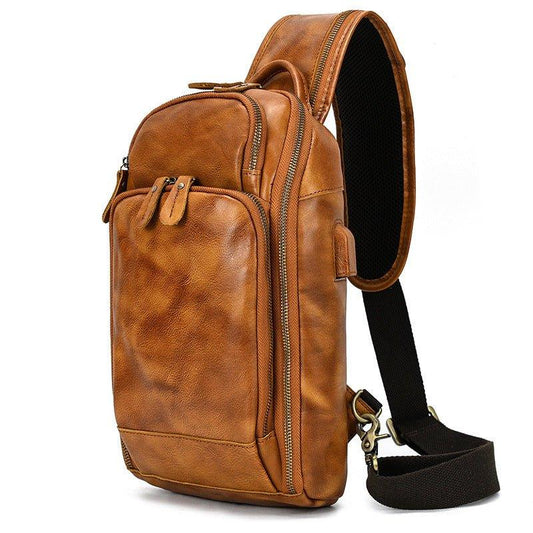
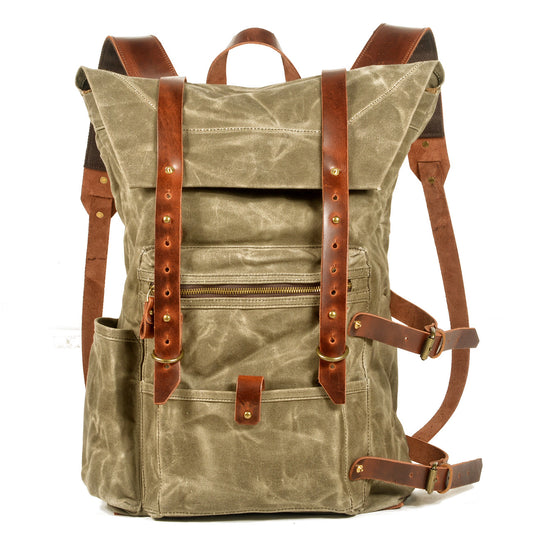
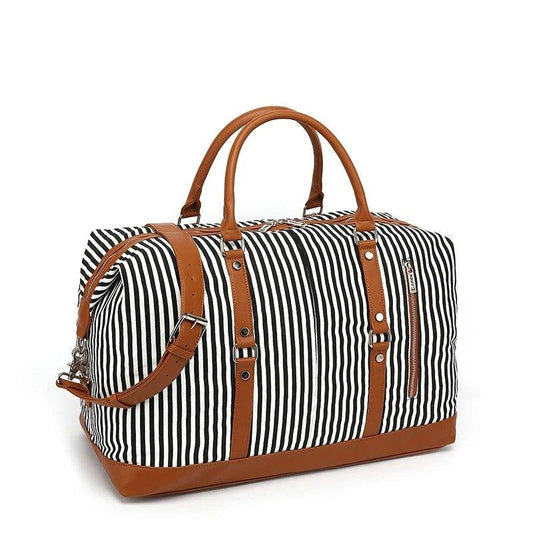
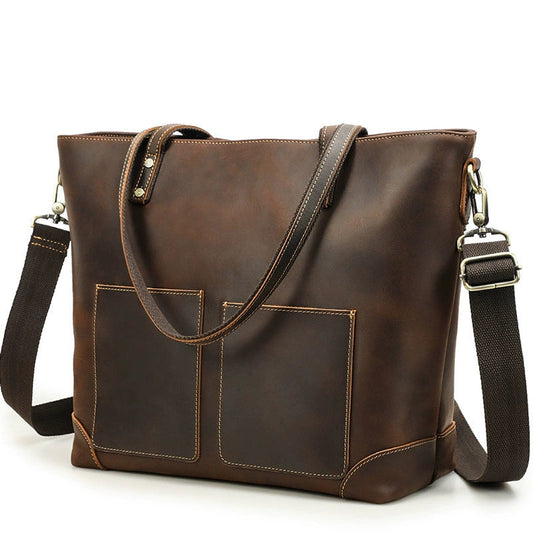
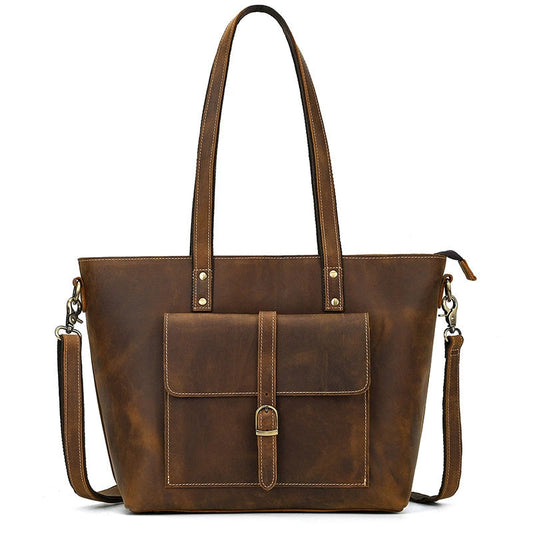
Il ne s'agit pas d'une forme spécifique. Il s'agit de paraître comme une personne, pas comme un passager : un sac de voyage en toile cirée, un sac week-end en cuir, un sac à dos/sac de sport structuré. Ces sacs n'ont pas de poignée télescopique, de coque brillante et d'étiquettes de marque. L'avantage est double : vous évitez de ressembler à une cible pour les voleurs de bagages, et vous passez souvent inaperçu auprès des compagnies aériennes low-cost strictes qui examinent attentivement les valises évidentes. L'objectif est un sac qui aurait l'air normal sur l'épaule d'un navetteur ou sur le sol d'un hall d'hôtel.
Toile contre cuir contre nylon : le duel des matériaux
| Matériau | Aspect | Poids | Durabilité | Entretien |
|---|---|---|---|---|
| Toile cirée | Robuste, traditionnel | Moyen | Excellent, vieillit magnifiquement | Recirer annuellement |
| Cuir véritable | Premium, intemporel | Lourd | Excellent avec soin | Hydrater mensuellement |
| Nylon (balistique/ripstop) | Technique, moderne | Léger | Très bon | Essuyer pour nettoyer |
| Polyester | Décontracté | Léger | Bon | Lavable en machine |
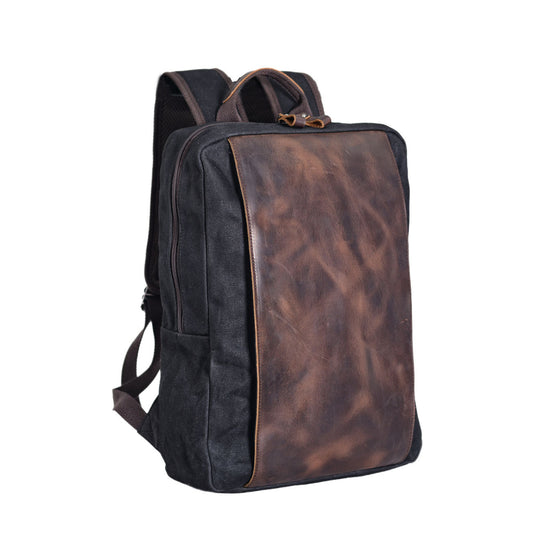
Pour le voyageur discret, la toile cirée et le cuir l'emportent sur l'esthétique et la longévité, tandis que le nylon l'emporte sur le poids. Un hybride toile-cuir vous offre le meilleur des deux : poignées et base en cuir pour la résistance à l'usure, corps en toile pour la légèreté. Le nylon est le choix si vous comptez chaque gramme lors d'un voyage à étapes en Asie ou si vous passez d'une ville humide à l'autre où le cuir exige plus de soins que vous ne souhaitez lui en donner.
Souple ou structuré : lequel conserve sa forme ?
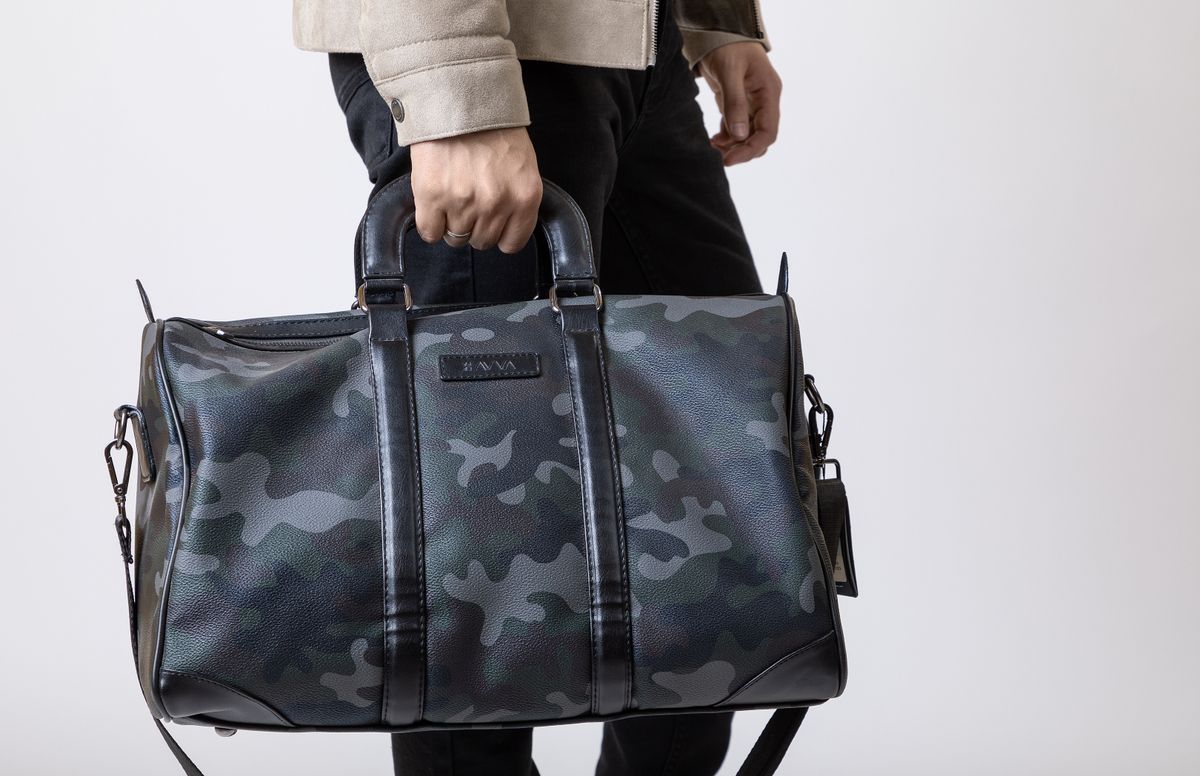
Les sacs souples se tassent dans les compartiments supérieurs et sous les sièges, passant les gabarits de taille. Les sacs structurés conservent leur silhouette, protègent leur contenu et ressemblent plus à une mallette qu'à une valise. Si votre objectif est « ne ressemble pas à un bagage », un sac de voyage en cuir ou en toile légèrement structuré fait l'affaire – il a l'air d'un sac de week-end, pas d'un bagage à main. L'inconvénient est qu'un sac entièrement souple protège moins les objets fragiles, alors recherchez des embouts rembourrés si vous transportez un ordinateur portable ou un appareil photo.
Cadre et renforts : comment un sac de sport survit au compartiment
Un sac qui passe pour un article personnel a quand même besoin de structure. Recherchez :
- Un insert de base en mousse ou en PEHD pour que le sac tienne debout dans l'allée.
- Des extrémités rembourrées qui protègent un ordinateur portable ou un appareil photo lorsque le compartiment se ferme brusquement.
- Des poignées renforcées aux points de tension – c'est là que les sacs de sport surchargés se déchirent.
- Une bandoulière détachable avec un coussinet large et rembourré pour les longs terminaux.
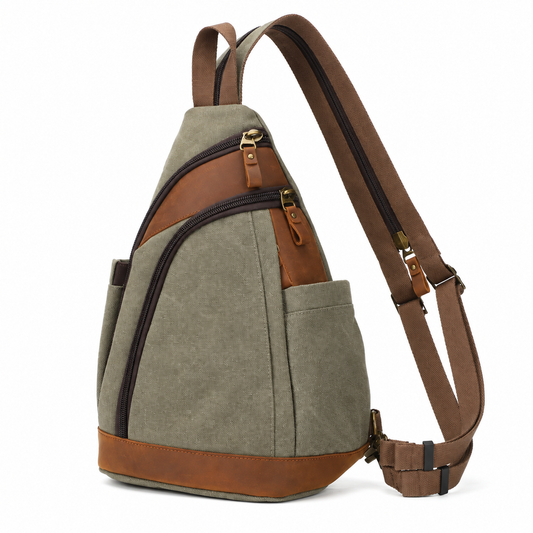
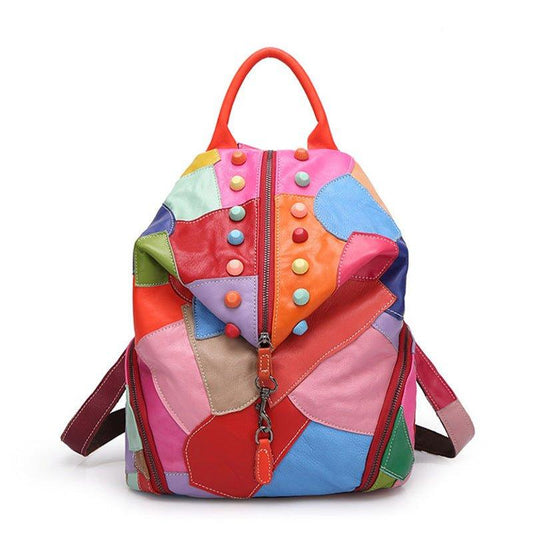
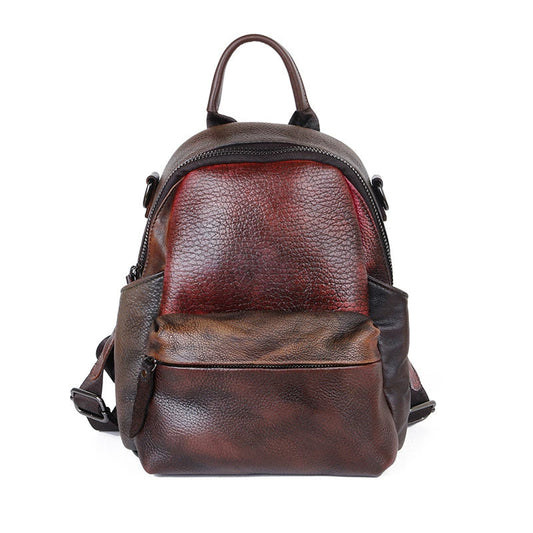
Un sac à dos-sac de sport ajoute des bretelles convertibles pour que vous puissiez le porter sur votre dos dans le métro, puis le porter à la main à l'hôtel – une polyvalence qu'une valise rigide à roulettes ne pourra jamais égaler. Pour les longs voyages avec un seul sac, le mode sac à dos fait la différence entre arriver détendu et arriver avec une épaule meurtrie.
Du matériel qui survit au convoyeur
Même un sac discret voit des tapis roulants, des bords de bacs et de la pluie. Choisissez des fermetures éclair YKK, des boucles en métal ou en plastique renforcé, et des poignées en cuir ou en sangle à double couture. Évitez les étiquettes pendantes et les roues saillantes – ces deux éléments sont les signes visuels d'un « bagage » et les pièces les plus susceptibles de se casser. Les fermetures éclair auto-réparatrices sont un bonus silencieux : si une dent saute, vous pouvez souvent la remettre en place au lieu de remplacer tout le sac.
Bagage à main vs article personnel : comprendre la hiérarchie des tailles
Les compagnies aériennes trient les bagages en cabine en deux catégories, et connaître les deux est la clé pour voyager gratuitement :
- Bagage à main (valise cabine) — Généralement de 55 à 56 cm de haut, il va dans le compartiment supérieur. Souvent mesuré, surtout sur les vols complets.
- Article personnel — Un sac plus petit (souvent moins de 40 cm) qui se glisse sous le siège devant. Rarement pesé, rarement mesuré s'il ressemble à un sac normal.
Un sac de voyage souple de la taille limite d'un article personnel est l'idéal : il se glisse sous le siège, échappe au gabarit et peut tout de même contenir des vêtements pour trois à quatre jours. C'est le véritable secret derrière « ne ressemble pas à un bagage » — c'est généralement un article personnel avec une tenue plus élégante.
Dimensionnement aux limites de bagages à main des compagnies aériennes régionales
C'est ce qui surprend les gens : la « taille cabine » n'est pas universelle. Un sac gratuit en Amérique peut être enregistré à la porte d'embarquement en Asie. Connaissez les limites avant d'acheter :
| Région / Type de transporteur | Max. typique (cm) | Notes |
|---|---|---|
| Amérique du Nord (traditionnel) | 56 × 36 × 23 | Généreux ; article personnel également autorisé |
| Europe (traditionnel) | 55 × 40 × 20 | Strict sur la profondeur |
| Asie (budget, ex. AirAsia, Scoot) | ~40 × 30 × 10 | Souvent pas de bagage enregistré ou à main gratuit au-delà de l'article personnel |
| Moyen-Orient (traditionnel) | 56 × 45 × 25 | Généralement généreux |
La solution la plus sûre est d'adapter la taille de votre sac au transporteur le plus strict que vous utiliserez – généralement une compagnie aérienne asiatique à bas prix – ainsi il s'adaptera partout. Un sac de voyage souple de 35 à 40 cm se glisse sous le siège et est rarement mesuré. Si vous voyagez en cabine premium, votre franchise est souvent plus grande, mais ne dimensionnez pas le sac en fonction de la surclassement que vous espérez – dimensionnez-le en fonction du siège en classe économique que vous pourriez obtenir.
Une vraie liste de colisage pour 3 jours dans un bagage à main souple
Pour prouver le concept, voici ce qui rentre dans un sac de voyage souple de 35 à 40 cm pour un séjour de trois jours en ville :
- 3 hauts, 2 bas, 1 couche (roulés, dans des cubes de rangement).
- 1 paire de chaussures portée, 1 paire compressible pour les soirées.
- Trousse de toilette dans une pochette scellée, plus une petite trousse de premiers secours.
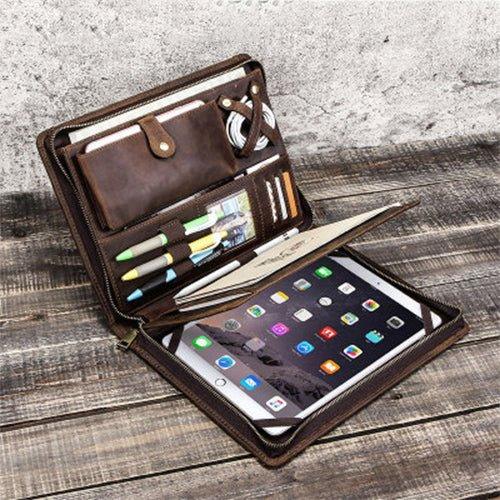
- Ordinateur portable ou tablette dans le compartiment rembourré ; chargeurs dans un organiseur fin.
- Un sac fourre-tout pliable pour les trouvailles du marché et le linge sale.
Tout se compresse parce que le sac est souple. La même liste dans une valise rigide à roulettes se baladerait à moitié vide – et serait quand même mesurée.
Choisir par type de voyageur
Voyageur d'affaires
Un sac week-end en cuir structuré a l'air professionnel dans un salon et survit à une flaque d'eau sous une averse à Lima. Associez-le à une housse de vêtement fine pour une veste.
Explorateur du week-end
Un sac de voyage en toile cirée est le sac d'évasion classique – aspect traditionnel, assez léger pour être jeté dans la voiture, assez solide pour une cabine.
Nomade numérique
Choisissez le nylon ou la toile avec un compartiment rembourré pour ordinateur portable et un mode sac à dos pour les pavés entre les Airbnb et les espaces de coworking.
Voyage en famille
Chaque adulte porte un sac personnel souple ; les enfants ont leur propre petit sac à dos. Vous vous déplacez en unité sans convoi de chariots à bagages.
Fonctionnalités de sécurité utiles
La discrétion est la première défense, mais quelques choix de matériel aident :
- Des tirettes de fermeture éclair verrouillables qui se clipsent à un petit cadenas sur le compartiment principal.
- Une poche arrière cachée pour un passeport et de l'argent contre votre corps.
- Une pochette de blocage RFID si votre sac dispose d'un organiseur technologique pour les cartes.
- Une base résistante aux coupures pour les villes où la coupe de sac est un risque connu.
Préparer un bagage à main qui passe pour un sac personnel
Utilisez des cubes de rangement pour compresser, roulez au lieu de plier et gardez un cube pour les « essentiels » dont vous avez besoin en vol. Glissez les chaussures dans des sacs à poussière aux extrémités. Un sac souple rempli à 80 % s'adapte au gabarit ; une coque rigide à 80 % est toujours le même rectangle rigide. Cette flexibilité est tout l'avantage de ne pas utiliser de roulettes. Laissez 10 % de l'espace vide – vous vous remercierez au retour avec les souvenirs.
Sécurité et intégration à l'étranger
Le contexte régional est aussi important pour la sécurité que pour le style :
- Europe — Les métros bondés de Paris, Barcelone et Rome ciblent les touristes évidents. Un sac en toile héritage porté en bandoulière attire moins l'attention qu'une valise à roulettes de marque.
- Asie — À Tokyo ou Singapour, la discrétion et la taille compacte vous permettent de prendre le train sans bloquer les allées ; un sac souple modeste est culturellement attendu sur les lignes de banlieue.
- Amériques — Les longs trajets intérieurs récompensent les bagages à main légers ; un sac week-end en cuir structuré a l'air professionnel dans un salon et résiste à une averse soudaine.
Les meilleurs cas d'utilisation : qui devrait éviter la valise à roulettes
Choisissez un bagage à main qui ne ressemble pas à un bagage si vous voyagez avec un seul sac, si vous partez en week-end, si vous voyagez pour affaires et détestez le carrousel, ou si vous devez naviguer dans des escaliers, sur des pavés et dans des trains. Gardez une valise à roulettes uniquement si vous emportez des tenues de soirée qui doivent rester impeccables, si vous voyagez avec de jeunes enfants qui ont besoin de leurs propres roulettes, ou si vous transportez du matériel de présentation fragile qui exige une coque rigide.
Erreurs courantes
- Acheter un « bagage à main » adapté à une région et se le faire enregistrer à la porte d'embarquement dans une autre.
- Choisir du cuir pleine fleur pour un voyage tropical — c'est lourd et il n'aime pas l'humidité sans entretien.
- Oublier la bandoulière et se battre avec une poignée lourde dans un terminal.
- Surcharger un sac souple jusqu'à ce qu'il déborde du gabarit.
- Oublier que les roulettes et les poignées sont les signes visuels — supprimez-les et le sac cesse de ressembler à un bagage.
Budget vs Premium
Moins de 70 USD : un bon sac de voyage en polyester. Entre 100 et 200 USD : de la toile cirée ou un hybride toile-cuir qui a l'air haut de gamme et dure. Plus de 250 USD : du cuir pleine fleur et une garantie à vie. Pour un sac que vous garderez une décennie, le milieu et le haut de gamme représentent le meilleur rapport qualité-prix, car une fermeture éclair bon marché qui lâche la deuxième année coûte plus cher que les économies réalisées.
Entretien pour une longue durée de vie
Nettoyez la toile avec un chiffon humide, cirez-la chaque année et rangez-la remplie de papier de soie pour qu'elle conserve sa forme. Hydratez les poignées en cuir tous les mois dans les climats secs. Gardez le matériel au sec et le sac loin des sols mouillés – de petites habitudes qui permettent à un bagage à main discret de rester élégant pendant des années. Si la toile se tache, nettoyez-la rapidement ; la toile cirée s'améliore même avec un peu d'usure authentique.
Types de fermeture : Fermeture éclair, Roll-Top et Rabat
La manière dont un sac se ferme modifie à la fois son apparence et ses performances face aux intempéries :
- La fermeture éclair pleine longueur s'ouvre comme une valise et a un aspect décontracté ; c'est la plus rapide à la sécurité mais aussi le signal le plus « bagage-like » si la fermeture parcourt le sac d'un bord à l'autre.
- Le roll-top protège de la pluie mais a une allure plus outdoor que business ; idéal pour la mousson asiatique, moins pour un dîner client.
- Le rabat magnétique ou à boucle ressemble à un sac de voyage ancien et dissimule l'ouverture des pickpockets ; le choix le plus convaincant pour les villes si vous ne voulez pas qu'il ressemble à un bagage.
Pour un sac qui ne ressemble pas à un bagage, le rabat ou une fermeture éclair dissimulée est généralement le plus convaincant, car les fermetures éclair à spirale exposées sur toute la longueur sont la signature visuelle d'une valise. Adaptez la fermeture à votre climat et à votre emploi du temps.
Quand une valise à roulettes l'emporte encore
L'honnêteté est de mise : le bagage à main souple n'est pas toujours le bon choix. Si vous transportez des vêtements de cérémonie qui doivent arriver sans plis, si vous voyagez avec de jeunes enfants qui ont besoin de leurs propres roulettes, ou si vous transportez du matériel de présentation fragile, une valise rigide à roulettes a sa place. Le sac discret est un outil, pas une religion — utilisez-le pour les voyages où la mobilité, les frais et l'intégration sont les plus importants, et gardez une valise à roulettes pour les rares occasions qui l'exigent. La plupart des voyageurs découvrent que ces occasions sont plus rares qu'ils ne l'attendaient, et qu'un sac souple gère 90 % de leurs voyages avec moins de tracas et à moindre coût.
Questions fréquemment posées
Un sac qui ne ressemble pas à un bagage tiendra-t-il quand même dans le compartiment supérieur ?
La plupart des sacs de voyage souples et des sacs à dos/sacs de sport tiennent à la fois dans le compartiment et sous le siège, ce qui est précisément la raison pour laquelle ils évitent les contrôles à la porte d'embarquement.
Le cuir est-il trop lourd pour un bagage à main uniquement ?
Le cuir pleine fleur est lourd, mais un sac de week-end de 30 à 40 L reste dans les limites pour les courts séjours. Pour les voyages plus longs avec un seul bagage, choisissez la toile ou le nylon.
Quelle taille est la plus sûre pour les compagnies aériennes internationales à bas prix ?
Visez moins de 40 × 30 × 20 cm et vous passerez presque tous les gabarits, y compris ceux des compagnies aériennes low-cost asiatiques.
Toile ou nylon pour les villes pluvieuses ?
Le nylon résiste à la pluie sans entretien ; la toile cirée a besoin d'être recirée mais a meilleure allure. Choisissez en fonction de la priorité : commodité ou caractère.
Puis-je vraiment éviter les frais de bagages enregistrés avec un bagage à main souple ?
Oui, si vous respectez la limite de taille pour les articles personnels et que vous emballez serré. Les compagnies aériennes qui facturent le plus sont précisément celles qui ignorent un modeste sac souple sous le siège.
Ces sacs conviennent-ils aux voyages autour du monde ?
Oui, si vous vous tenez à un seul sac souple de la taille d'un article personnel et que vous utilisez les blanchisseries en cours de route. Les gabarits asiatiques stricts imposent une discipline qui rend les longs voyages plus faciles, et non plus difficiles, car vous cessez de transporter des choses que vous ne portez jamais.
Comment éviter qu'un sac souple n'ait l'air désordonné à l'hôtel ?
Remplissez-le avec le papier de soie fourni ou un cube de rangement lorsqu'il est vide pour qu'il conserve sa forme, et placez-le sur son insert de base. Un sac structuré a l'air d'un meuble intentionnel, pas d'un tas sur le sol, et cette impression est la moitié de l'intérêt de ne pas utiliser de bagage.
Conclusion
Un bagage à main qui ne ressemble pas à un bagage est une question de tissu intelligent, de structure discrète et de taille adaptée à la compagnie aérienne la plus stricte que vous empruntez. Choisissez la toile cirée ou le cuir pour le caractère, le nylon pour le poids, et vérifiez toujours le gabarit régional avant d'acheter. Parcourez nos sacs de sport en cuir véritable et la collection classique de sacs de sport pour trouver un sac qui monte gratuitement, se fond dans le décor à l'étranger et vous ressemble toujours à l'arrivée.