

Comment entretenir un sac de voyage en cuir véritable : revitalisation, rangement et réparation en 2026

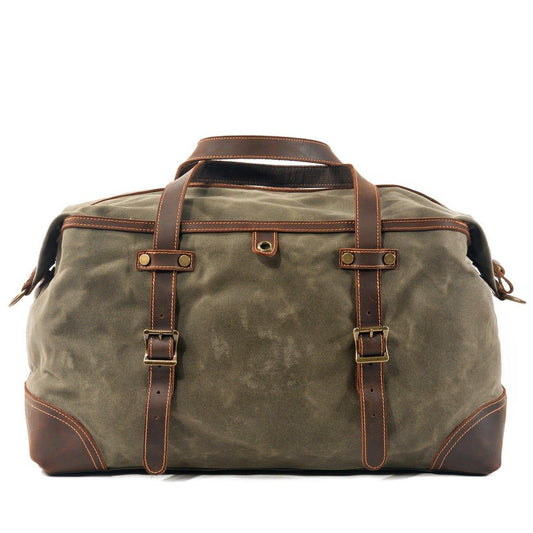
Un sac de voyage en cuir véritable est l'un des rares achats de voyage qui s'améliore avec l'âge. Avec la bonne routine, le cuir développe une patine riche, la quincaillerie reste lisse, et le sac survit à une décennie de voyages. L'entretien d'un sac de voyage en cuir n'est pas compliqué, mais il est facile de le négliger jusqu'à l'apparition d'une fissure. Ce guide couvre le nettoyage, le conditionnement, le rangement et la réparation afin que votre sac reste prêt pour le voyage, que vous traversiez les Amériques, que vous visitiez l'Europe ou que vous exploriez l'Asie. Traitez-le comme une habitude annuelle plutôt que comme une corvée unique et les bénéfices s'accumuleront à chaque voyage.
Pourquoi prendre soin de votre sac de voyage en cuir est payant
Le cuir est une peau, et comme la peau, il se dessèche, se tache et se rigidifie sans attention. Un entretien régulier de votre sac de voyage en cuir prévient les dommages coûteux, maintient le sac souple malgré les changements climatiques, et protège la valeur de revente et sentimentale d'un objet que vous pourriez porter pendant vingt ans. Un sac bien entretenu a également l'air soigné plutôt que fatigué – un atout tant pour les voyages d'affaires que de loisirs, et un signe discret de la façon dont vous traitez vos biens.
Connaître votre cuir avant de l'entretenir
L'entretien diffère selon le type de cuir, alors identifiez le vôtre en premier. Le cuir pleine fleur conserve la couche supérieure et vieillit le mieux ; le cuir fleur corrigée est poncé pour être plus lisse et légèrement moins robuste ; le cuir corrigé est fortement apprêté et nécessite des produits plus doux. Un sac de voyage en cuir véritable peut utiliser n'importe lequel de ces types, et faire correspondre le produit à la peau évite l'assombrissement ou le dessèchement non intentionnel. Si vous pouvez voir des variations de grain naturel et de minuscules cicatrices, vous avez probablement du pleine fleur ; si la surface semble uniforme et presque imprimée, c'est du grain corrigé. En cas de doute, testez tout nouveau produit sur un panneau caché tel que la base avant de traiter tout le sac, car une réaction inégale est beaucoup plus facile à cacher là que sur le rabat avant que vous voyez tous les jours.
Nettoyer avant de conditionner

N'appliquez jamais de conditionneur sur de la saleté. Le conditionnement emprisonne la saleté dans le grain et peut provoquer une décoloration. Nettoyez toujours d'abord, même lorsque le sac semble seulement légèrement poussiéreux.
Le nettoyage rapide
Après chaque voyage, essuyez le sac avec un chiffon doux sec ou légèrement humide pour enlever la poussière, le sel et les empreintes digitales. Portez attention à la base, qui rencontre les sols d'aéroport et les coffres de taxi du monde entier. Laissez-le sécher à l'air libre, loin de la chaleur directe, puis rangez-le lâchement jusqu'à votre prochaine séance d'entretien complète.
Le nettoyage en profondeur
Tous les quelques mois, utilisez un nettoyant pour cuir au pH neutre sur une éponge humide, en travaillant par petits cercles. Essuyez les résidus avec un chiffon propre. Pour un sac de voyage en cuir véritable, évitez les savons agressifs et ne trempez jamais le cuir – le cuir gorgé d'eau met des jours à se rétablir et peut se déformer ou se tacher au niveau des coutures.
Conditionnement d'un sac de voyage en cuir véritable
Le conditionnement remplace les huiles naturelles perdues à cause du soleil, de l'air sec de la cabine et de la manipulation. Faites-le deux à quatre fois par an selon le climat, et toujours sur un cuir propre et sec.
| Type de conditionneur | Idéal pour | Attention |
|---|---|---|
| Crème / lotion | Cuir pleine fleur et fleur corrigée de tous les jours | Bien lustrer ; l'excès attire la poussière. |
| Baumes à la cire d'abeille | Sacs de voyage nécessitant une résistance à l'eau | Peut assombrir les cuirs plus clairs. |
| Huile de pied de bœuf / vison | Utilisation extérieure intensive | Peut ramollir excessivement et assombrir ; utiliser avec parcimonie. |
| Huiles naturelles (jojoba) | Entretien léger | Protection moindre ; répéter souvent. |
Appliquez une fine couche avec un chiffon doux, laissez absorber pendant quinze minutes, puis lustrez avec un chiffon sec. Un sac de voyage en cuir bien conditionné est chaud et souple au toucher, jamais gras ou collant.
Imperméabilisation et protection contre les intempéries
Le cuir résiste à une légère pluie mais déteste la saturation. Utilisez un spray imperméabilisant sans silicone conçu pour le cuir, en tenant la bombe à trente centimètres pour une couche uniforme. Réappliquez avant les saisons des pluies en Asie ou les hivers humides en Europe du Nord. Si le sac est trempé, remplissez-le de papier journal, reformez-le et séchez-le lentement à température ambiante – jamais près d'un appareil de chauffage, qui craque le grain et peut rétrécir le panneau de manière inégale.
Rangement intelligent entre les voyages
La façon dont vous rangez le sac est aussi importante que la façon dont vous le nettoyez. Gardez-le dans une housse de protection en coton respirant, jamais en plastique, qui emprisonne l'humidité et favorise la moisissure. Rangez-le rempli de papier de soie sans acide pour qu'il conserve sa forme, dans un endroit frais, sec et à l'abri de la lumière du soleil. Un sac de voyage laissé vide et aplati peut développer des plis permanents que même un conditionnement intensif ne pourra pas éliminer.
Réparer les éraflures, les rayures et les taches
Les légères éraflures sur le cuir pleine fleur s'estompent souvent avec un chiffon doux et une touche de conditionneur. Les taches d'encre ou d'huile nécessitent un nettoyant pour cuir dédié utilisé immédiatement – plus elles restent longtemps, plus elles s'incrustent. Pour les taches d'eau, humidifiez uniformément tout le panneau et laissez-le sécher uniformément pour éviter un anneau visible. Traitez les taches le jour même de votre retour de voyage, avant qu'elles ne se lient aux huiles du cuir.
Entretien des fermetures éclair et de la quincaillerie
Les fermetures éclair sont le point de défaillance le plus courant sur n'importe quel sac. Essuyez les dents après des voyages sablonneux ou salés, et passez un crayon à mine de graphite ou un lubrifiant spécialisé pour fermetures éclair deux fois par an. Vérifiez les rivets et les attaches de sangle ; un rivet lâche est une réparation de cinq minutes à la maison, mais une sangle cassée à l'étranger peut écourter un voyage. Un petit kit de voyage portefeuille en cuir avec un mini tournevis couvre la plupart des réparations en déplacement et ne pèse presque rien.
Quand faire appel à un professionnel
Certains dommages dépassent les capacités d'entretien à domicile. Faites appel à un spécialiste de la réparation du cuir pour les fissures profondes, les coutures déchirées, les structures de cadre cassées ou la quincaillerie introuvable. Traitez les problèmes tôt : une petite reprise de couture coûte peu, tandis qu'une couture entièrement fendue peut être irrécupérable. Dans les grandes villes, de New York à Singapour, les cordonniers réparent de plus en plus les articles de voyage en cuir de luxe, souvent pendant que vous attendez.
Considérations régionales pour le voyage
Le climat façonne votre rythme d'entretien de votre sac de voyage en cuir plus que tout choix de produit. Dans le sud-est asiatique humide, la moisissure est l'ennemi – utilisez des sachets de silice pour le rangement et conditionnez moins souvent pour éviter de ramollir excessivement. Dans les climats secs du Moyen-Orient et du sud-ouest des États-Unis, conditionnez plus fréquemment pour lutter contre la fissuration. Dans toute l'Europe du Nord pluvieuse, privilégiez l'imperméabilisation avant les voyages de mi-saison, et essuyez le sac dès que vous rentrez à l'intérieur.
Scénarios d'entretien spécifiques aux voyages
Différents voyages sollicitent le cuir différemment, alors adaptez votre routine à la destination.
Voyages à la plage et sur la côte
Le sel et le sable sont abrasifs. Rincez la base à l'eau douce après une journée sablonneuse, séchez soigneusement et conditionnez un peu plus souvent que d'habitude pour remplacer les huiles éliminées par le soleil et l'air salin.
Voyages à la neige et au ski
La neige fondue trempe les revers et les bases. Appliquez une imperméabilisation supplémentaire et ne laissez jamais le sac mouillé dans un local à chaussures pendant la nuit – déplacez-le dans un endroit aéré dès que vous arrivez dans la chambre.
Voyages en ville et d'affaires
Les éraflures dues aux trottoirs et aux coffres de taxi s'accumulent. Un essuyage rapide hebdomadaire pendant un long séjour en ville maintient la finition uniforme et présentable pour les réunions.
Erreurs courantes dans l'entretien des sacs de voyage en cuir
- Conditionner le cuir sale. Vous emprisonnez la saleté et risquez des taches.
- Utiliser de la lotion corporelle ou de l'huile d'olive. Elles rancissent et assombrissent le cuir de manière inégale.
- Sécher le cuir mouillé avec de la chaleur. C'est le moyen le plus rapide de provoquer des fissures.
- Ranger dans du plastique. L'humidité emprisonnée favorise la moisissure en quelques semaines.
- Ignorer la base et la quincaillerie. Les dommages commencent là où le sac entre en contact avec le monde.
Patine, coût par an et longévité
Un sac de voyage en cuir de qualité coûte plus cher au départ, mais étalé sur dix ou quinze ans, le coût par voyage est infime. La patine n'est pas un dommage – c'est la trace visible de vos voyages, et la plupart des propriétaires l'apprécient. Résistez à l'envie de "réparer" l'assombrissement naturel ; maintenez plutôt un conditionnement uniforme afin que la patine se développe uniformément plutôt que par taches qui ressemblent à de la négligence.
Questions fréquemment posées
À quelle fréquence dois-je conditionner un sac de voyage en cuir ?
Deux à quatre fois par an dans les climats tempérés ; plus souvent dans les régions très sèches, moins dans les régions humides. Conditionnez lorsque le cuir semble terne ou rigide au toucher, et non selon un calendrier de panique fixe.
Puis-je utiliser de l'huile de coco ou d'olive sur le cuir ?
Non. Les huiles de cuisine s'oxydent, rancissent et assombrissent le cuir de manière inégale. Utilisez un produit formulé pour l'entretien du cuir, idéalement un produit adapté à votre type de peau.
Que dois-je faire si mon sac est trempé par la pluie ?
Épongez, bourrez de papier journal, reformez et séchez à température ambiante. Une fois sec, conditionnez légèrement pour remplacer les huiles perdues et restaurer une partie de la souplesse naturelle.
La patine est-elle un signe de mauvais entretien ?
Absolument pas. Un assombrissement uniforme et naturel est un vieillissement sain. Un cuir taché ou fissuré signale une négligence, et non une patine, et signifie généralement que le sac a séché trop vite ou n'a jamais été conditionné.
Comment ranger un sac de voyage en cuir à long terme ?
Nettoyez, conditionnez, remplissez de papier de soie, placez dans un sac anti-poussière respirant et conservez-le dans un endroit frais, sec et ombragé. Vérifiez-le tous les trimestres et reconditionnez si le cuir semble sec au toucher.
Premiers soins pour un sac de voyage en cuir neuf
Le cuir neuf bénéficie d'un démarrage en douceur. Avant la première utilisation, essuyez la poussière de fabrication, appliquez un léger conditionneur pour uniformiser la finition, et ajoutez une couche d'imperméabilisant afin que votre premier voyage ne devienne pas le moment où une tache de café s'incruste définitivement. Rodiez le sac avec de légères charges pendant le premier mois ; le cuir se détendra et s'adaptera à votre style de port, et vous apprendrez où il frotte contre votre manteau ou votre siège de voiture. Documentez toutes les marques préexistantes avec une photo afin de pouvoir distinguer plus tard le vieillissement naturel des dommages, et résistez à l'envie de trop conditionner une peau neuve déjà bien nourrie par la tannerie.
Un calendrier d'entretien saisonnier
Un calendrier simple rend l'entretien de votre sac de voyage en cuir sans effort. Au printemps, nettoyez en profondeur et conditionnez après le rangement hivernal. En été, concentrez-vous sur l'imperméabilisation avant les voyages à la plage et les festivals, et essuyez le sel de la base après les journées côtières. En automne, inspectez les fermetures éclair et les rivets avant les grands voyages de vacances. En hiver, séchez soigneusement le sac après une exposition à la neige et conditionnez plus souvent dans les maisons sèches et chauffées. Quinze minutes par saison préviennent la plupart des urgences et maintiennent le cuir uniforme au fil des ans.
Ce qu'il ne faut pas ranger dans votre sac de voyage en cuir
Le cuir respire, ce qui signifie qu'il peut absorber les odeurs et les huiles de tout ce qui y reste pendant des semaines. Évitez le stockage à long terme de maillots de bain humides, de crème solaire qui fuit ou d'articles fortement parfumés directement contre le cuir ; enveloppez-les ou rangez-les dans une pochette séparée de style portefeuille en cuir. N'utilisez jamais le sac comme un logement à long terme pour les appareils électroniques dans un placard humide, où la chaleur emprisonnée invite la moisissure sur la doublure et affaiblit silencieusement les coutures.
Résumé rapide de l'entretien en un coup d'œil
| Tâche | Fréquence | Pourquoi c'est important |
|---|---|---|
| Essuyer après les voyages | Chaque voyage | Élimine le sel, la poussière et les empreintes avant qu'ils ne s'incrustent. |
| Conditionner | 2 à 4 fois par an | Remplace les huiles perdues et prévient le craquellement. |
| Imperméabiliser | Avant les saisons humides | Protège contre la saturation et les taches. |
| Vérification de la quincaillerie | Deux fois par an | Détecte les rivets desserrés avant la défaillance. |
| Préparation complète pour le rangement | Entre les longs voyages | Maintient la forme et prévient la moisissure. |
Ce tableau unique est l'épine dorsale de tout plan d'entretien de sac de voyage en cuir – imprimez-le, glissez-le dans votre étiquette de bagage, et vous ne vous demanderez plus jamais quoi faire ensuite avec votre sac.
Signes que votre sac de voyage en cuir a besoin d'attention
Détectez les problèmes tôt en observant quelques signaux révélateurs. Si le cuir semble terne ou rigide au toucher, il a besoin d'un conditionneur. Une surface blanche et poudreuse dans un rangement humide signifie que la moisissure commence – essuyez-la avec une solution d'eau et de vinaigre dilué et séchez soigneusement avant qu'elle ne se propage. Une finition craquelée ou qui s'écaille indique que le sac a séché trop vite ou a été rangé à la chaleur ; une fois les fissures apparues, elles sont permanentes, la prévention est donc vraiment le seul remède. Des rivets desserrés ou une fermeture éclair qui coince sont votre signal pour vérifier la quincaillerie avant le prochain voyage, et non après qu'une sangle ait lâché dans une gare d'un autre pays où les réparations sont plus difficiles à trouver.
Conclusion
Un entretien constant de votre sac de voyage en cuir est la différence entre un sac qui vieillit magnifiquement et un autre qui craque avant cinq ans. Nettoyez avant de conditionner, imperméabilisez pour le climat, rangez-le rembourré et aéré, et réparez rapidement les petits problèmes. Parcourez notre collection de sacs de voyage en cuir véritable et associez votre achat à la routine ci-dessus pour qu'il reste prêt pour le voyage pendant des années – commencez à prendre soin de votre sac dès aujourd'hui.