

Reise-Seesack-Materialien im Vergleich: Canvas vs. Leder vs. Nylon im Jahr 2026

Warum das Material Ihrer Reisetasche alles bestimmt
Die Wahl einer Reisetasche im Jahr 2026 hängt nicht nur von Größe oder Marke ab – es geht um das Material. Der Stoff, aus dem Ihre Tasche gefertigt ist, bestimmt ihr Gewicht, ihre Haltbarkeit, Wetterbeständigkeit, das Erlebnis bei der Sicherheitskontrolle am Flughafen und sogar, wie sie nach fünf Jahren intensiver Nutzung aussieht. Canvas, Leder und Nylon dienen grundlegend unterschiedlichen Reisestilen, und die Wahl des falschen Materials für Ihre Reisen führt zu Frustrationen, die Sie mit zehn Minuten Recherche hätten vermeiden können. Dieser Leitfaden vergleicht Materialien für Reisetaschen, damit Sie Ihre Tasche Ihren tatsächlichen Reisegewohnheiten anpassen können.
Ob Sie ein Wochenend-Roadtripper im amerikanischen Südwesten, ein europäischer Bahnpassinhaber, der zwischen Hostels pendelt, oder ein Geschäftsreisender sind, der durch asiatische Flughafen-Drehkreuze huscht – das Material Ihrer Reisetasche wird jede Reise prägen. Lassen Sie uns genau aufschlüsseln, was jedes Material bietet – und was es Sie kostet.
Canvas-Reisetaschen: Der robuste Allrounder
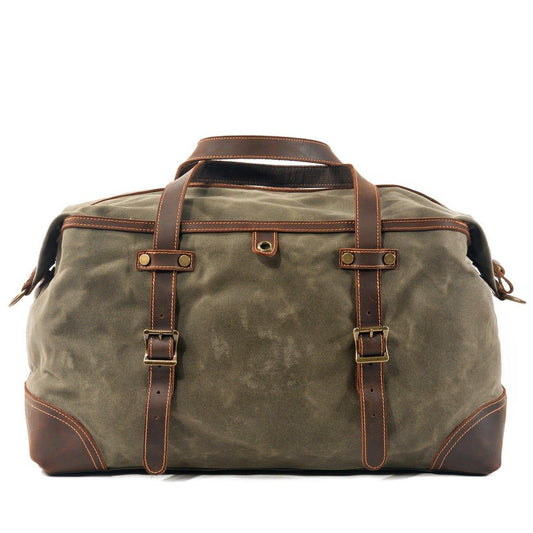
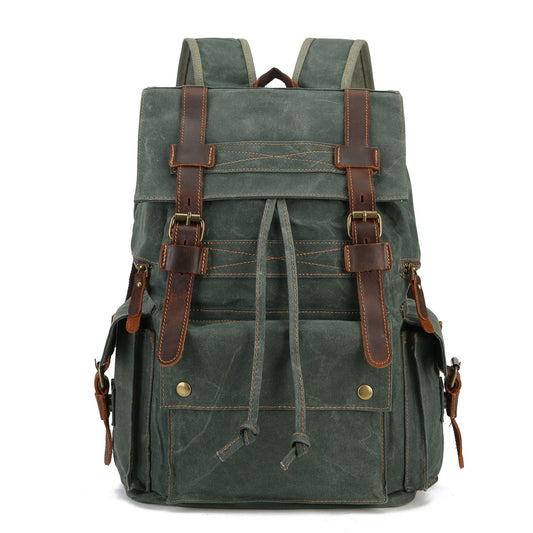
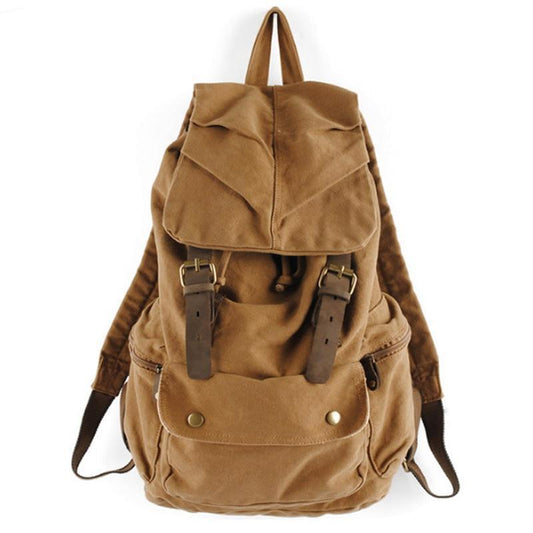
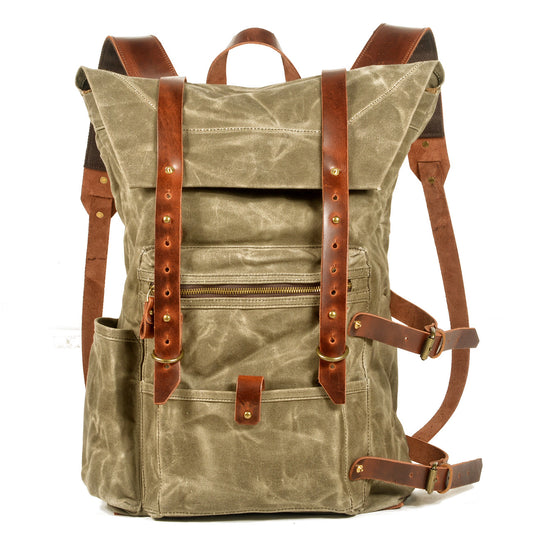
Canvas-Reisetaschen sind seit Generationen die Standardwahl für Reisende, und das aus gutem Grund. Schweres Baumwoll-Canvas (typischerweise 16-24 oz) ist von Natur aus abriebfest, atmungsaktiv (damit Ihre Sportkleidung nicht in einem verschlossenen Fach modert) und entwickelt einen eingelaufenen Charakter, den synthetische Materialien nicht nachbilden können. Canvas nimmt auch Wachs- und Imprägnierbehandlungen gut an und verwandelt sich so mit einer einfachen Nachbehandlung von einem Schönwetterstoff in eine wirklich wetterfeste Option.
Der Hauptnachteil von Canvas sind Gewicht und Trocknungszeit. Eine 40-Liter-Canvas-Tasche wiegt 30-50 % mehr als ein Nylon-Äquivalent mit der gleichen Kapazität. Wenn Sie lange Strecken durch Flughäfen oder Bahnhöfe zurücklegen, summiert sich dieses Gewicht. Canvas nimmt Wasser auch eher auf, als es abzuweisen – es sei denn, es ist gewachst – und einmal durchnässt, braucht eine Canvas-Tasche Stunden zum Trocknen. Für Reisende in feuchten oder regnerischen Regionen (Südostasien während des Monsuns, Großbritannien zu jeder Jahreszeit) ist unbehandeltes Canvas eine schlechte Wahl. Gewachstes Canvas oder ein Canvas-Leder-Hybrid ist die Lösung.
Canvas-Reisetaschen eignen sich hervorragend für folgende Szenarien:
- Roadtrips: Canvas hält es aus, in und aus dem Kofferraum geworfen zu werden, ohne Abnutzungserscheinungen zu zeigen. Abrieb durch raue Oberflächen fällt bei schwerer Baumwolle kaum ins Gewicht.
- Zugreisen in trockenen Klimazonen: Europäische Bahnreisen durch Frankreich, Spanien und Italien im Sommer sind ideal für Canvas – die Tasche atmet, hält dem Schieben im Gepäckfach stand und sieht toll aus, wenn sie an einer Wand eines alten Zugabteils lehnt.
- Wochenendausflüge: Eine 30-40 Liter Canvas-Tasche ist aus gutem Grund die klassische Wochenendtasche: Sie fühlt sich substanziell an, ohne formell zu sein, und sie altert zu etwas, das eine Geschichte erzählt.
Für Reisende, die die Haltbarkeit von Canvas mit dem Charakter von Lederbesatz wünschen, besuchen Sie unsere Kollektion gewachster Canvas-Taschen für Hybridoptionen, die das Beste aus beiden Welten vereinen.

Leder-Reisetaschen: Die Investition, die schön altert
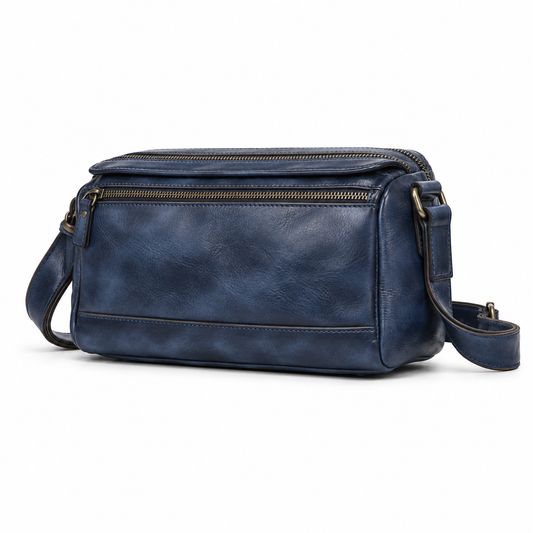
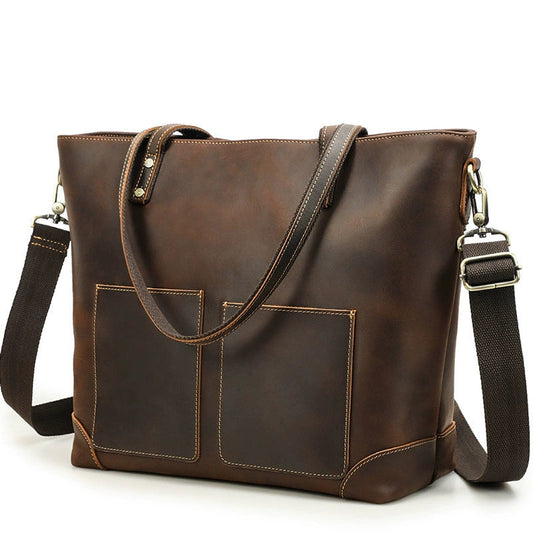
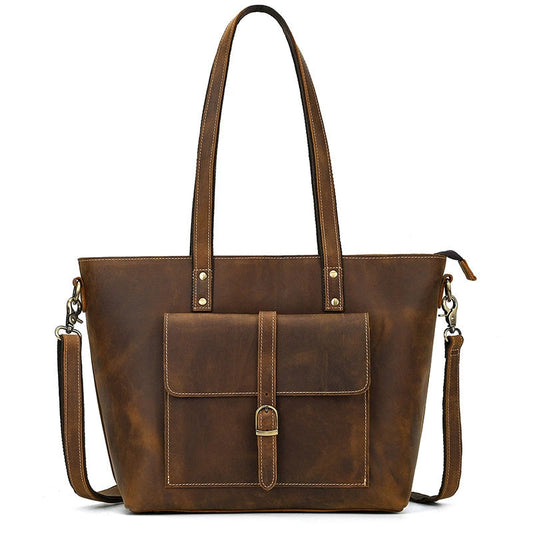
Leder-Reisetaschen nehmen eine einzigartige Position in der Gepäckwelt ein: Sie sind gleichzeitig die teuerste Option und, über einen ausreichend langen Zeitraum betrachtet, das beste Preis-Leistungs-Verhältnis. Eine Vollnarbenleder-Tasche, die heute 400 Dollar kostet und 20 Jahre hält, hat Kosten pro Jahr von 20 Dollar – billiger als eine 60 Dollar teure Nylon-Tasche alle drei Jahre zu ersetzen. Aber diese Rechnung geht nur auf, wenn Sie die Tasche tatsächlich zwei Jahrzehnte lang nutzen, und das erfordert ein Verständnis dafür, was Leder verträgt und was nicht.
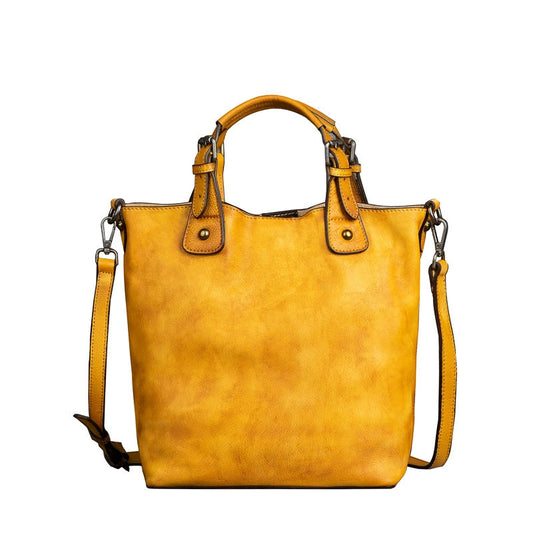
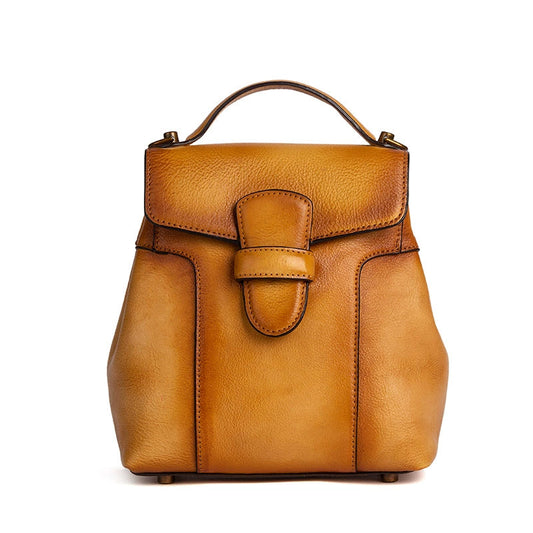
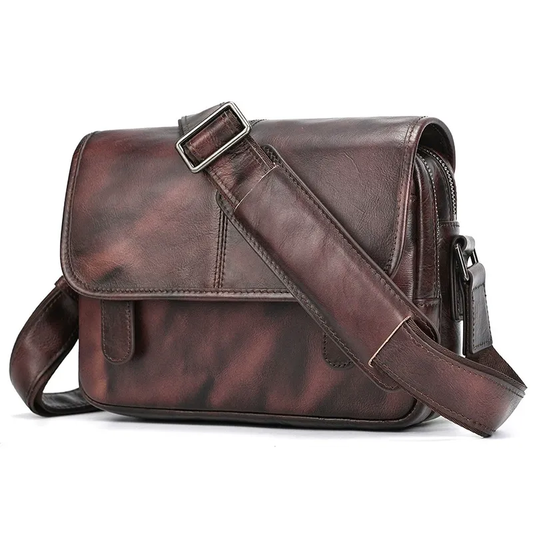
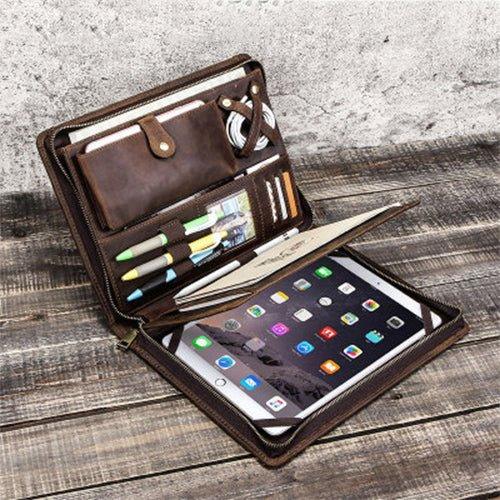
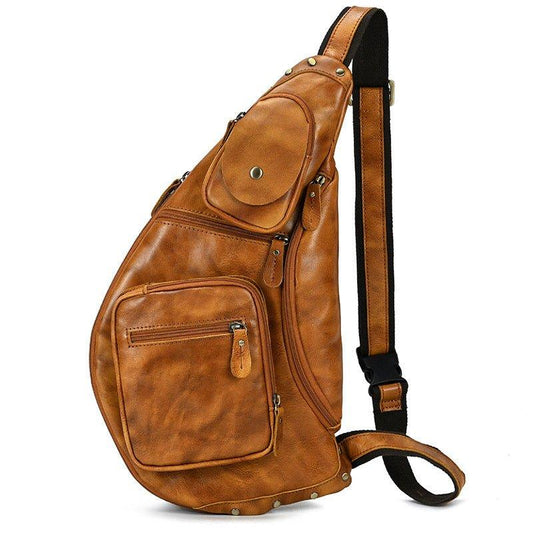
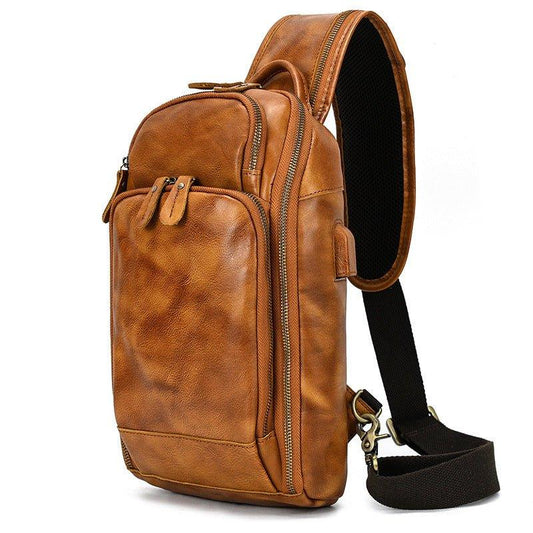
Vollnarben- und Spaltleder sind die einzigen Lederarten, die für eine Reisetasche in Betracht gezogen werden sollten. Bonded-Leder oder korrigiertes Narbenleder überleben die Gepäckabfertigung am Flughafen oder die Reibung durch wiederholtes Ein- und Auspacken nicht. Leder-Reisetaschen sind schwer (eine 40-Liter-Vollnarbenleder-Tasche kann leer 3-5 kg wiegen), sie erfordern Pflege (Konditionierung alle 3-6 Monate) und sind anfällig für längere Feuchtigkeit. Aber im Gegenzug erhalten Sie eine Tasche, die im zehnten Jahr besser aussieht als am ersten Tag, eine einzigartige Patina entwickelt, die keine andere Tasche auf der Welt hat, und ein Maß an Reis Ernsthaftigkeit signalisiert, das Nylon einfach nicht erreichen kann.
Ledertaschen eignen sich am besten für folgende Reisekontexte:
- Geschäftsreisen mit dem Auto oder einem privaten Chauffeurdienst: Eine Hotellobby mit einer Ledertasche zu betreten, macht einen anderen Eindruck als mit Nylon. Für Kundenbesuche, bei denen das Image zählt, ist Leder die Wahl.
- Bahnreisen erster Klasse: Die Orient-Express-Fantasie ist auf einigen Strecken Realität. Eine Ledertasche gehört in dieses Umfeld, so wie Nylon es niemals tun wird.
- Langzeit-Slow-Travel: Wenn Sie einen Monat in einer toskanischen Villa oder einem Apartment in Kyoto verbringen, fungiert eine Ledertasche sowohl als Gepäck als auch als Raumdekoration. Sie steht auf einem Gepäckständer und wirkt dabei gewollt und nicht provisorisch.
Für diejenigen, die sich dem Lederweg verschrieben haben, stöbern Sie in unserer Kollektion echter Leder-Reisetaschen nach Vollnarben-Optionen, die länger halten als Ihr Reisepass.
Nylon-Reisetaschen: Der leichte Pragmatiker
Nylon-Reisetaschen sind die unsentimentale Wahl – die Tasche, die Sie kaufen, wenn jedes Gramm zählt und Sie maximale Funktion bei minimalen Kosten und Gewicht wünschen. Hochdenier-Nylon (600D-1680D) ist extrem reißfest, wiegt etwa die Hälfte einer vergleichbaren Canvas-Tasche und trocknet in Minuten statt in Stunden. Moderne Nylon-Taschen bieten zudem Funktionen, die traditionelle Materialien selten haben: wasserdichte Reißverschlüsse, Kompressionsriemen, belüftete Schuhfächer und integrierte TSA-freundliche Laptopfächer.
Die Nachteile von Nylon sind ästhetischer und ökologischer Natur. Nylon altert nicht – es zerfällt. Nach zwei oder drei Jahren regelmäßiger Nutzung zeigen Nylon-Taschen Abriebspuren, ausgefranste Nähte und verblasste Farben, die Canvas und Leder durch Patina verbergen. Nylon ist auch ein Erdölprodukt mit einem erheblichen CO2-Fußabdruck, obwohl recycelte Nylonoptionen (ECONYL, Repreve) zunehmend verfügbar sind und für umweltbewusste Reisende empfehlenswert sind.
Nylon-Reisetaschen sind die richtige Wahl, wenn:
- Gewichtsbeschränkungen streng sind: Billigfluggesellschaften in Europa (Ryanair, EasyJet), Südostasien (AirAsia) und Nordamerika (Frontier, Spirit) setzen die Handgepäckgewichtsgrenzen aggressiv durch. Eine Nylon-Tasche spart 1-2 kg Taschegewicht, das Sie für den tatsächlichen Inhalt verwenden können.
- Sie Ihr Gepäck aufgeben: Wenn Ihre Tasche in den Frachtraum eines Flugzeugs kommt, wird sie geworfen, gestapelt und über Förderbänder gezogen. Nylon hält diesem Missbrauch mit weniger sichtbaren Schäden stand als Leder. Heben Sie die Ledertasche für Handgepäck und Roadtrips auf.
- Abenteuerreisen bei nassen Bedingungen: Kajaktouren in Costa Rica, Monsun-Treks in Nepal, Segeln auf den griechischen Inseln – Nylon mit wasserdichten Reißverschlüssen hält Ihre Ausrüstung trocken, wo Canvas durchnässt und Leder ruiniert wäre.
Für Reisende, die maximale Kapazität mit minimalem Aufwand benötigen, schauen Sie sich unsere Duffle Bag Kollektion für Modelle in allen drei Materialien mit organisierten Innenfächern an.
Hybrid- und neue Materialien: Das Beste aus beiden Welten
Im Jahr 2026 verschwimmen die Grenzen zwischen traditionellen Reisetaschenmaterialien. Hybrid-Designs vereinen die besten Eigenschaften mehrerer Materialien in einer einzigen Tasche, und neue nachhaltige Stoffe erobern den Mainstream-Gepäckmarkt. Das Verständnis dieser Optionen kann Ihnen helfen, eine Reisetasche zu finden, die die Kompromisse eines einzelnen Materials vermeidet.
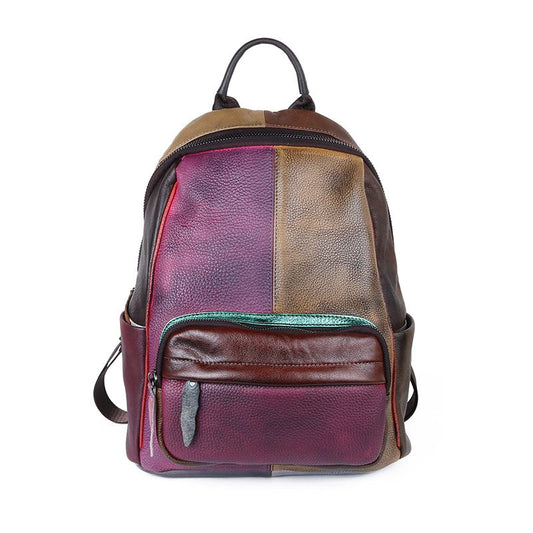
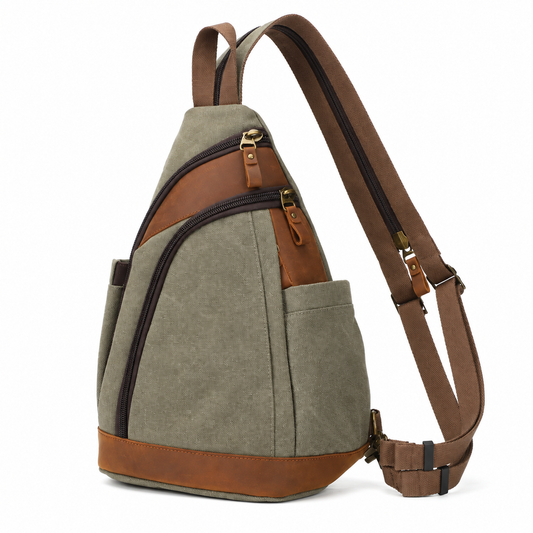
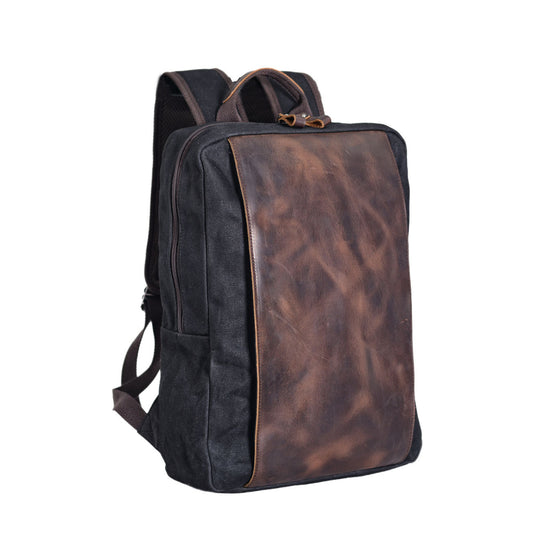
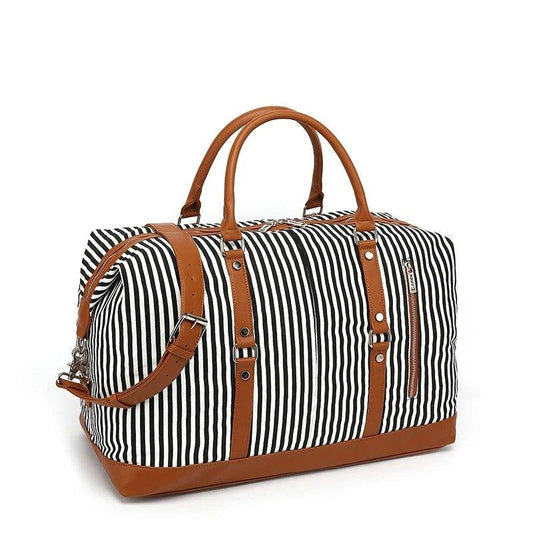
Canvas-Leder-Hybride sind die häufigsten und wohl auch erfolgreichsten. Diese Taschen verwenden schweres Canvas für den Hauptteil (um Gewicht und Kosten im Rahmen zu halten), während Vollnarbenleder an stark beanspruchten Stellen hinzugefügt wird: Boden, Eckverstärkungen, Riemenanker und Griffe. Das Ergebnis ist eine Tasche, die 30 % weniger wiegt als eine Vollleder-Tasche, etwa die Hälfte kostet und dennoch die Vintage-Ästhetik und Lederpatina an den optisch wichtigsten Stellen trägt. Für Reisende, die den Look von Leder lieben, aber das Gewicht oder die Kosten nicht rechtfertigen können, ist ein Canvas-Leder-Hybrid der Sweet Spot.
Recycelte und nachhaltige Materialien gewinnen ebenfalls an Bedeutung. Recyceltes Polyester (rPET) aus Post-Consumer-Plastikflaschen konkurriert heute in Stärke und Wasserbeständigkeit mit neuem Nylon, während es den CO2-Fußabdruck um etwa 50 % reduziert. Gewachstes Bio-Baumwoll-Canvas verzichtet auf synthetische Behandlungen zugunsten von natürlichem Bienenwachs und pflanzlichen Ölen. Für umweltbewusste Reisende ermöglichen diese Optionen die Wahl einer Reisetasche, ohne die Umweltwerte zu kompromittieren – und der Leistungsunterschied zu traditionellen Materialien hat sich auf nahezu Null verringert.
Kopf-an-Kopf-Vergleich: Canvas vs. Leder vs. Nylon Reisetaschen
| Merkmal | Canvas | Leder | Nylon |
|---|---|---|---|
| Gewicht (40L leer) | 1,5-2,2 kg | 3,0-5,0 kg | 0,8-1,4 kg |
| Haltbarkeit (Jahre) | 8-15 | 15-30+ | 3-7 |
| Wasserbeständigkeit | Gering (gewachst: hoch) | Mittel (behandelt) | Hoch |
| Ästhetisches Altern | Wird weicher, verblasst schön | Entwickelt reiche Patina | Verblasst, franst aus, zerfällt |
| Preisspanne (40L) | 60-250 $ | 200-800 $+ | 30-200 $ |
| Pflege | Alle 6-12 Monate wachsen | Alle 3-6 Monate pflegen | Abwischen; keine Wartung |
| Flughafensicherheit | Freundlich, Low-Tech-Look | Kann zusätzliche Kontrolle nach sich ziehen | Standard, unauffällig |
| Am besten geeignet für | Roadtrips, Zugreisen, Wochenenden | Business, Luxus, Slow Travel | Billigfluglinien, Abenteuer, aufgegebenes Gepäck |
Regionale Reisestile und ihre idealen Reisetaschenmaterialien
Europäische Bahnreisende
Das europäische Bahnnetz – vom Eurostar bis zu regionalen Deutsche-Bahn-Verbindungen – belohnt Reisetaschen, die leicht auf Gepäckablagen gehoben werden können und robust genug sind, um das Verschieben im Abteil zu überstehen. Canvas ist die natürliche Wahl: Es ist robust, ohne so schwer zu sein, dass man es auf einem 15-minütigen Spaziergang vom Bahnhof zu seiner Airbnb-Unterkunft bereut. Leder ist für Reisen erster Klasse auf Strecken wie dem Glacier Express oder dem Venice Simplon-Orient-Express geeignet, wo die Tasche ebenso Teil des Erlebnisses ist wie die Reise selbst.
Nordamerikanische Roadtripper
Der klassische amerikanische Roadtrip – Route 66, der Pacific Coast Highway, der Blue Ridge Parkway – ist der natürliche Lebensraum einer Canvas-Reisetasche. Die Tasche lebt im Kofferraum, kommt in Motels und auf Campingplätzen zum Vorschein und sammelt mit jeder überquerten Staatsgrenze Charakter an. Leder ist auch für Roadtrips geeignet, da das Gewicht beim Autofahren irrelevant ist und eine Ledertasche im Fond eines alten Land Rovers oder Jeeps ein ästhetischer Volltreffer ist.
Südostasiatische Backpacker
Feuchtigkeit, Monsunregen, Billigfluggesellschaften mit 7 kg Handgepäckgrenzen und lange Fußwege durch überfüllte Straßen von Bangkok oder Hanoi machen Nylon zum praktischen Gewinner. Canvas saugt die tropische Luftfeuchtigkeit auf und braucht ewig zum Trocknen. Leder schimmelt bei anhaltender Luftfeuchtigkeit über 80 %. Nylon steckt beides weg, wiegt unter einem Kilogramm und kostet so wenig, dass man nicht traurig ist, wenn eine Fahrt mit einem Langboot es mit Flusswasser durchnässt.

So beurteilen Sie die Materialqualität von Reisetaschen
Unabhängig davon, welches Material Sie wählen, verhindert das Wissen, wie man Qualität beurteilt, teure Fehler. Bei Canvas achten Sie auf das Stoffgewicht in Unzen pro Quadratyard: 18-24 oz ist der Idealwert für Reisetaschen. Unter 16 oz reißt Canvas zu leicht. Bei gewachstem Canvas sollte sich das Wachs trocken anfühlen, nicht fettig – fettiges Wachs überträgt sich auf Ihre Kleidung. Bei Leder lernen Sie die Qualitätsstufen: Vollnarbenleder steht über Top-Grain, das über Genuine (ein irreführender Marketingbegriff für minderwertiges Leder) steht, das kaum über Bonded steht. Bei Nylon zählt der Denier (D): 600D ist das Minimum für eine strapazierfähige Reisetasche; 1000D Cordura-Nylon ist der Goldstandard für Abriebfestigkeit.
Beschläge sind ein materialübergreifender Qualitätsindikator. YKK-Reißverschlüsse, massive D-Ringe aus Messing oder Edelstahl und genietete (nicht nur genähte) Gurtbefestigungspunkte signalisieren eine Tasche, die unabhängig vom Hauptstoff auf Langlebigkeit ausgelegt ist. Billige Reißverschlüsse versagen bei jeder Reisetasche zuerst, und ein Reißverschlussversagen zu Beginn einer zweiwöchigen Reise ist eine Katastrophe, die keine Materialwahl verhindern kann.
FAQ: Reisetaschenmaterialien
Welches Material ist das Beste für Handgepäck-Reisetaschen?
Wenn Gewichtsbeschränkungen für Handgepäck Ihr Hauptanliegen sind, ist Nylon das beste Material für Reisetaschen – es ist die leichteste Option und spart 1-3 kg Taschegewicht im Vergleich zu Canvas oder Leder. Wenn das Gewicht weniger wichtig ist und Sie Wert auf Ästhetik und Haltbarkeit legen, bietet gewachstes Canvas die beste Balance aus moderatem Gewicht, ausgezeichneter Haltbarkeit und klassischem Aussehen, das den Kampf im Gepäckfach übersteht.
Können Ledertaschen als aufgegebenes Gepäck verwendet werden?
Technisch ja, aber es wird nicht empfohlen. Die Gepäckabfertigung am Flughafen ist rau, und selbst Vollnarbenleder wird nach einigen Flügen Schrammen, Kratzer und Druckstellen aufweisen. Wenn Sie eine Ledertasche unbedingt aufgeben müssen, verwenden Sie eine Schutzhülle oder wickeln Sie sie in eine strapazierfähige Tasche. Nylon- und Canvas-Taschen überstehen die Belastungen des aufgegebenen Gepäcks mit weniger sichtbaren Abnutzungserscheinungen.
Wie imprägniere ich eine Canvas-Reisetasche?
Tragen Sie eine wachshaltige Imprägnierung (Stangenwachs oder Zinn-Stoff-Wachs) auf die Außenseite des Canvas auf und arbeiten Sie diese mit Reibungswärme durch Reiben in die Fasern ein. Lassen Sie es 24 Stunden aushärten. Wiederholen Sie dies alle 6-12 Monate oder wann immer Wasser nicht mehr auf der Oberfläche abperlt. Verwenden Sie keine Silikonsprays auf Canvas, das zum Wachsen vorgesehen ist – sie versiegeln die Fasern so, dass zukünftiges Wachs nicht mehr eindringen kann.
Ist eine Ledertasche zu schwer für den täglichen Gebrauch auf Reisen?
Für Reisen nur mit Handgepäck und strengen Gewichtsbeschränkungen (insgesamt 7-10 kg) ist eine Vollnarbenleder-Reisetasche unpraktisch – die Tasche allein kann 40-50 % Ihres Freigepäcks verbrauchen. Für Roadtrips, Zugreisen ohne Gewichtsbeschränkungen oder aufgegebenes Gepäck ist das Gewicht überschaubar. Reisende, die Ästhetik und Langlebigkeit über Gewichtseinsparungen stellen, werden Leder den Kompromiss wert finden.
Fazit: Passen Sie das Material Ihrer Reisetasche Ihrem Reisestil an
Es gibt kein einziges bestes Material für Reisetaschen – es gibt nur das Material, das am besten zu Ihren spezifischen Reisegewohnheiten passt. Canvas belohnt Roadtripper, Zugreisende und Wochenendwanderer mit robuster Haltbarkeit und zeitlosem Charakter. Leder dient Geschäftsreisenden, Luxustouristen und Slow-Travel-Liebhabern, die ihre Tasche als lebenslange Investition betrachten. Nylon ist das Werkzeug für Budget-Flieger, Abenteuerreisende und alle, die vor allem minimales Gewicht und maximalen Wetterschutz benötigen.
Hybridmaterialien und nachhaltige Optionen schließen die Lücke rapide und bieten Reisenden im Jahr 2026 mehr Auswahl als je zuvor. Die richtige Wahl ist diejenige, mit der Sie am Gepäckband, auf dem Bahnsteig oder am Hotelempfang in drei Jahren immer noch zufrieden sein werden. Wählen Sie das Material, das nicht zu der Reise passt, von der Sie träumen, sondern zu den Reisen, die Sie tatsächlich unternehmen.