

Vollnarbiges vs. Top-Grain-Leder-Reisetaschen: So erkennen Sie echte Qualität im Jahr 2026

Zwei Duffel Bags aus echtem Leder können nebeneinander in einem Regal stehen, fast identisch aussehen und dennoch ein Jahrzehnt in ihrer Nutzungsdauer voneinander getrennt sein. Das eine ist aus vollnarbigem Leder, das seinen Besitzer überleben wird. Das andere ist eine geschliffene, besprühte und geprägte Platte, die innerhalb von drei Jahren an der Falte reißen wird. Das Etikett auf beiden kann legal „echtes Leder“ lauten.
Dieser Leitfaden erklärt, wie die Lederqualitäten tatsächlich funktionieren, wie Sie eine Duffel Bag vor dem Kauf überprüfen und welche Konstruktionsdetails eine erhaltenswerte Tasche von einer unterscheiden, die nur auf Fotos gut aussieht. Wenn Sie viel Geld für Ledergepäck ausgeben, sind dies die zwanzig Minuten, die Ihren Kauf schützen.
Lederqualitäten verstehen: Was die Begriffe wirklich bedeuten
Die Lederindustrie verwendet Vokabeln, die deskriptiv klingen, aber oft bewusst vage sind. Hier ist, was jede Qualität physisch ist, von der Außenseite der Haut nach innen.
Vollnarbiges Leder (Full-Grain Leather)
Vollnarbiges Leder ist die vollständige äußere Schicht der Haut, bei der nichts abgeschliffen wurde. Die dichte Faserstruktur an der Oberfläche – der Teil, der das Tier schützte – bleibt intakt. Deshalb ist vollnarbiges Leder die stärkste Qualität und die einzige, die eine echte Patina entwickelt: Wenn Öle von Ihren Händen und Lichteinwirkung in die Oberfläche eindringen, dunkelt das Leder ungleichmäßig zu einem Finish nach, das einzigartig für Ihre Tasche ist.
Vollnarbiges Leder zeigt seine Herkunft. Sie können schwache Wachstumsspuren, eine verheilte Narbe oder leichte Farbabweichungen über ein Panel hinweg sehen. Dies sind keine Mängel – sie sind der Beweis, dass nichts abgeschliffen wurde. Eine perfekt gleichmäßige Oberfläche bei einer Tasche, die als vollnarbig verkauft wird, verdient Misstrauen.
Genarbtes Leder (Top-Grain Leather)
Genarbtes Leder beginnt als dieselbe äußere Schicht, dann wird die Oberfläche leicht geschliffen, um Makel zu entfernen, und eine Deckschicht aufgetragen. Das Ergebnis ist gleichmäßiger, etwas dünner, fleckenbeständiger und einfacher zu verarbeiten. Es ist tatsächlich gutes Leder – die meisten Premium-Taschen im mittleren Preissegment verwenden es – aber das Schleifen entfernt die dichtesten Fasern, daher ist es etwas weniger haltbar und entwickelt weit weniger Patina.
Genarbtes Leder ist für viele Käufer der vernünftige Kompromiss. Eine gut gemachte Duffel Bag aus genarbtem Leder von einem seriösen Hersteller wird eine schlecht konstruierte Tasche aus vollnarbigem Leder jedes Mal übertreffen. Die Qualität ist wichtig, aber sie ist nie wichtiger als die Konstruktion.
„Echtes Leder“ als Qualitätsbezeichnung
Hier liegt die Verwirrung, die Käufer am meisten Geld kostet. „Echtes Leder“ hat zwei Bedeutungen. Ehrlich verwendet bedeutet es einfach, dass das Material echtes Leder und nicht synthetisch ist. Als Industriequalität bezieht es sich auf die unteren Spaltlagen der Haut, die übrig bleiben, nachdem die obere Schicht entfernt wurde – stark verarbeitet, oft mit Pigmenten besprüht und mit einem gefälschten Narbenmuster geprägt, um das Original zu imitieren.
Das Erkennungsmerkmal ist die Gleichmäßigkeit. Geprägte Maserungen wiederholen sich. Betrachten Sie zwei Bereiche derselben Platte genau: Wenn das Porenmuster identisch ist, wurde es gestempelt. Eine echte Maserung wiederholt sich nie.
Spaltleder (Bonded Leather)
Spaltleder ist Lederrest, der zu Fasern gemahlen, mit Klebstoff gemischt, zu Platten gepresst und mit einer Polyurethanbeschichtung versehen wird. Es verhält sich zu Leder wie Spanplatte zu Holz. Es hat keinen Platz auf einer Tasche, die Sie behalten möchten, und es versagt durch Ablösen statt durch Abnutzung.
Qualitätsvergleich auf einen Blick
| Qualität | Ursprungsschicht | Entwickelt Patina | Erwartete Lebensdauer | Typische Ausfallart |
|---|---|---|---|---|
| Vollnarbig | Intakte äußere Haut | Ja, reichhaltig | 15–30+ Jahre | Wird weicher, versagt selten |
| Genarbt | Geschliffene äußere Haut | Minimal | 8–15 Jahre | Oberfläche nutzt sich an Ecken ab |
| „Echt“ (Spalt) | Untere Spaltlagen | Nein | 2–5 Jahre | Risse entlang der Faltlinien |
| Spaltleder (Bonded) | Gemahlene Reste + Kleber | Nein | 1–3 Jahre | Oberfläche blättert ab |

Gerbverfahren: Das Detail, das die meisten Käufer übersehen
Die Qualität sagt Ihnen, welchen Teil der Haut Sie bekommen. Die Gerbung sagt Ihnen, wie es sich im Laufe der Zeit verhalten wird, und das ist wohl genauso wichtig.
Pflanzlich gegerbtes Leder
Bei der pflanzlichen Gerbung werden Tannine aus Baumrinde und Pflanzenmaterial in einem wochenlangen Prozess verwendet. Das Ergebnis ist fest, dick und von hellem bis warmem Braun im Neuzustand, und es dunkelt bei Gebrauch dramatisch nach. Pflanzlich gegerbtes Leder behält gut seine Form, weshalb es für Taschen geeignet ist, die stehen sollen, anstatt zusammenzusinken. Es ist anfangs anfälliger für Wasserflecken, nimmt aber auch readily Pflege an und altert zu den tiefen, glänzenden Tönen, die man mit Erbstück-Gepäck assoziiert.
Chromgegerbtes Leder
Die Chromgerbung verwendet Chromsalze und ist innerhalb ein bis zwei Tagen abgeschlossen. Sie erzeugt weicheres, geschmeidigeres, wasserabweisenderes Leder in einer viel größeren Farbpalette zu erheblich geringeren Kosten. Ungefähr die Mehrheit des weltweiten Leders ist chromgegerbt. Es ist nicht minderwertig – eine chromgegerbte, vollnarbige Reisetasche ist sofort weich, schlaff und bequem, ohne Einlaufzeit. Aber sie patiniert weniger und neigt dazu, sich zu dehnen, anstatt eine Form zu behalten.
Welches sollten Sie wählen?
Wählen Sie pflanzlich gegerbtes Leder, wenn Sie eine strukturierte Reisetasche möchten, die ihre Form behält, zu etwas optisch Einzigartigem altert und gelegentlich gepflegt wird. Wählen Sie chromgegerbtes Vollnarbenleder, wenn Sie Weichheit von Anfang an, mehr Farboptionen, bessere anfängliche Wasserbeständigkeit und geringeren Pflegeaufwand wünschen. Die Kombinationsgerbung, die beide Verfahren nutzt, liegt vernünftigerweise in der Mitte und wird bei hochwertigen Reisetaschen immer häufiger.
Wie man eine Leder-Reisetasche vor dem Kauf inspiziert
Egal, ob Sie in einem Geschäft sind oder Angebotsfotos auswerten, gehen Sie diese Abfolge durch. Es dauert zwei Minuten und fängt fast jedes ernsthafte Problem ab.
1. Untersuchen Sie die Schnittkanten
Dies ist der schnellste zuverlässige Test. Suchen Sie eine unbearbeitete Kante – im Inneren eines Riemens, an der Basis eines Griffs oder wo eine Platte geschnitten ist. Vollnarbiges und Top-Grain-Leder zeigen einen soliden, faserigen Querschnitt in einem gleichmäßigen Ton durch die Dicke. Korrigiertes oder gebundenes Leder zeigt eine deutliche farbige Oberflächenschicht über einem hellen, schwammigen oder fusseligen Kern. Wenn die Kante wie ein Sandwich aussieht, ist die Oberfläche eine Beschichtung.
2. Untersuchen Sie das Narbenmuster
Vergleichen Sie zwei Bereiche, die mindestens fünfzehn Zentimeter voneinander entfernt sind. Eine natürliche Maserung variiert in Porengröße und Abstand; eine geprägte Maserung wiederholt sich in regelmäßigen Abständen. Auf einer großen Fläche wie einer Duffle-Bag-Seite ist ein sich wiederholendes Muster leicht zu erkennen, sobald man danach sucht.
3. Drücken und beobachten
Drücken Sie einen Daumen fest in das Leder. Hochwertiges vollnarbiges Leder faltet sich fein um den Druckpunkt und erholt sich langsam und vollständig. Beschichtetes oder gebundenes Material faltet sich entweder überhaupt nicht – weil die Kunststoffoberfläche widersteht – oder knickt scharf und behält die Falte.
4. Überprüfen Sie die Nähte
Zählen Sie die Stiche pro Zoll: Etwa sechs bis acht sind für Gepäckleder richtig. Sehr feine Nähte auf dickem Leder perforieren die Haut wie eine Stanzlinie und schwächen sie. Jeder Belastungspunkt – Griffbefestigungen, Riemenanker, Reißverschlussenden, Ecken – sollte eine Verstärkung aufweisen, entweder einen Riegelstich, eine Niete oder ein genähtes Lederpatch. Gleichmäßige, straffe, gerade Nähte ohne lose Fadenenden signalisieren einen Hersteller, der seine Arbeit überprüft.
5. Testen Sie die Hardware
Hardware ist der Bereich, wo die Kosten unsichtbar reduziert werden. Reißverschlüsse sollten sich gewichtig anfühlen und sich mit einer Hand leichtgängig öffnen lassen. Beschläge aus massivem Messing oder antikem Stahl sind deutlich haltbarer als plattierte Zinklegierungen, die abplatzen und graues Metall darunter zum Vorschein bringen. Fahren Sie mit dem Finger über D-Ringe und Schnallen: Hochwertige Teile fühlen sich glatt und massiv an, während billige Gussteile eine leichte Nahtlinie von der Form aufweisen.
6. Überprüfen Sie das Futter und den Boden
Eine Reisetasche verbringt ihr Leben auf Böden, in Kofferräumen und auf Gepäckablagen. Der Boden sollte verstärkt sein – idealerweise mit Metallfüßen oder einer doppelten Lederplatte. Das Futter sollte aus einem strapazierfähigen Baumwolltwill oder schwerem Canvas sein, eingenäht statt geklebt. Ein geklebtes Futter wird innerhalb weniger Jahre Blasen bilden und sich lösen.
7. Riechen Sie daran
Echtes Leder riecht reichhaltig, leicht süßlich und organisch. Gebundenes Leder und stark beschichtete Spaltleder riechen nach Chemikalien oder Plastik. Es ist ein ungenauer Test, aber ein starker Lösungsmittelgeruch ist ein echtes Warnsignal.
Was Sie in jeder Preisklasse erwarten sollten
Die Preise variieren je nach Region und Markenpositionierung, aber die Marktstruktur ist konsistent.
- Einstiegsbereich: Erwarten Sie Spaltleder oder korrigiertes Leder, plattierte Beschläge, geklebte Futter und minimale Verstärkungen. Diese Taschen sehen auf Fotos überzeugend aus und versagen typischerweise an den Ecken oder Faltlinien innerhalb weniger Jahre.
- Mittelklasse: Echtes Top-Grain oder chromgegerbtes Vollnarbenleder, ordentliche Reißverschlüsse, genähte Futter, einige Verstärkungen an den Belastungspunkten. Dies ist der Preis-Leistungs-Sweetspot für die meisten Reisenden und repräsentiert eine solide, ehrliche Konstruktion.
- Oberklasse: Vollnarbiges Leder, oft pflanzlich oder kombiniert gegerbt, Beschläge aus massivem Messing, kantenlackierte oder polierte Kanten, verstärkter Boden und eine Garantie, die darauf schließen lässt, dass der Hersteller erwartet, dass die Tasche lange hält.
- Luxusklasse: Oberhalb eines bestimmten Punktes kauft der zusätzliche Preis Markenpositionierung und handwerkliche Details, anstatt eine wesentlich höhere Haltbarkeit. Eine gut gemachte Tasche der Oberklasse entspricht in ihrer Lebensdauer häufig einer Luxustasche.
Die praktische Erkenntnis: Der größte Qualitätssprung findet zwischen dem Einstiegs- und dem Mittelbereich statt. Der Wechsel von der Mittel- zur Oberklasse verbessert die Alterung und Verfeinerung. Darüber hinaus ist es eine Frage des Geschmacks und nicht der Funktion. Vergleichen Sie die Konstruktionsdetails der echten Leder-Duffel-Bag-Reihe, und Sie werden sehen, wie schnell die Grundlagen sichtbar werden, sobald Sie wissen, worauf Sie achten müssen.
Gewicht, Fassungsvermögen und der praktische Kompromiss
Der einzige echte Nachteil von Leder ist sein Gewicht. Eine leere Reisetasche aus vollnarbigem Leder im Bereich von 45–50 Litern wiegt typischerweise zwischen 2,5 und 4 Kilogramm, verglichen mit weniger als einem Kilogramm bei einer vergleichbaren Nylontasche. Bei Fluggesellschaften, die strenge Handgepäckgewichtsbeschränkungen durchsetzen – üblich bei Billigfluglinien in Europa und großen Teilen Asiens –, verbraucht dieser Unterschied einen erheblichen Teil Ihres Freigepäcks, bevor Sie überhaupt etwas einpacken.
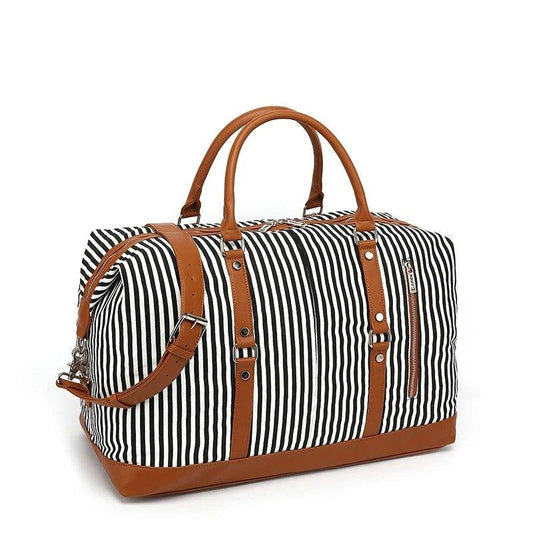
Drei Wege, dies zu handhaben. Erstens, verkleinern Sie die Größe: Eine 40-Liter-Lederreisetasche deckt ein langes Wochenende bequem ab und spart fast ein Kilogramm im Vergleich zu einem 55-Liter-Modell. Zweitens, ziehen Sie eine Leinen-und-Leder-Konstruktion in Betracht, die Leder am Boden, an den Ecken und an den Besätzen verwendet, wo Abrieb auftritt, und Leinen an den Stellen, wo dies nicht der Fall ist. Sie behalten den größten Teil des Charakters bei etwa der Hälfte des Gewichts. Drittens, wenn Sie Ihr Gepäck ohnehin aufgeben, wird das Gewicht viel weniger relevant, und Vollleder ist absolut sinnvoll.
Für Reisende, die diese Kompromisse abwägen, ist es hilfreich, sich die breitere Auswahl an Reisetaschen anzusehen und Vollleder-, Canvas-und-Leder- sowie gewachste Canvas-Modelle mit ähnlichem Fassungsvermögen zu vergleichen, bevor sie sich entscheiden.
Wie Klima und Region Ihre Kaufentscheidung beeinflussen sollten
Leder ist ein organisches Material und reagiert auf die Umgebung, durch die es reist. Wo Sie die meiste Zeit unterwegs verbringen, sollte sowohl die Qualität als auch die Gerbart beeinflussen, die Sie wählen.
Feuchte und tropische Regionen
Neuankömmling
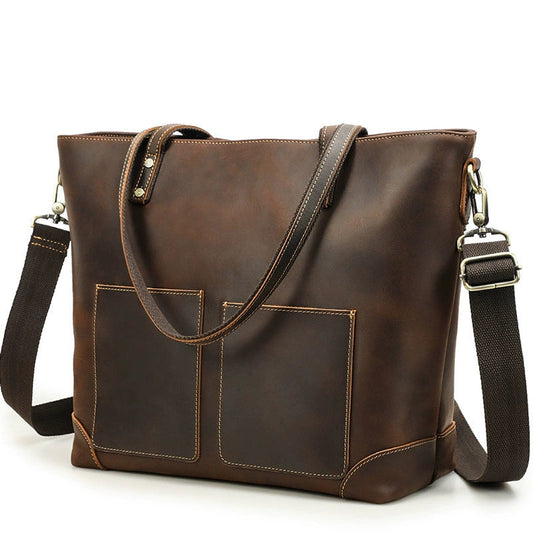
- Normaler Preis
- $ 186.99
- Normaler Preis
-
- Verkaufspreis
- $ 186.99
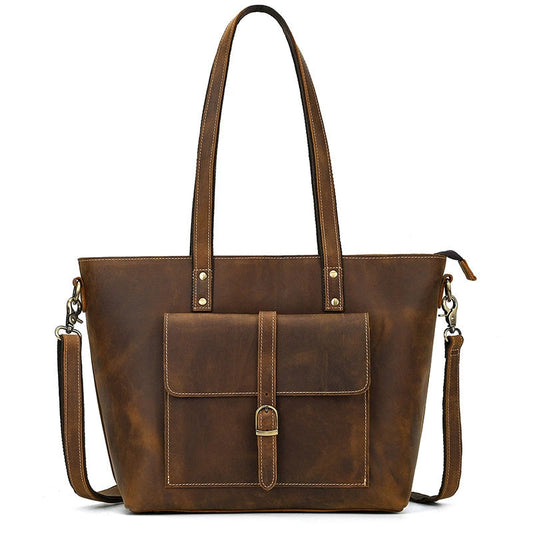
- Normaler Preis
- $ 191.99
- Normaler Preis
-
- Verkaufspreis
- $ 191.99
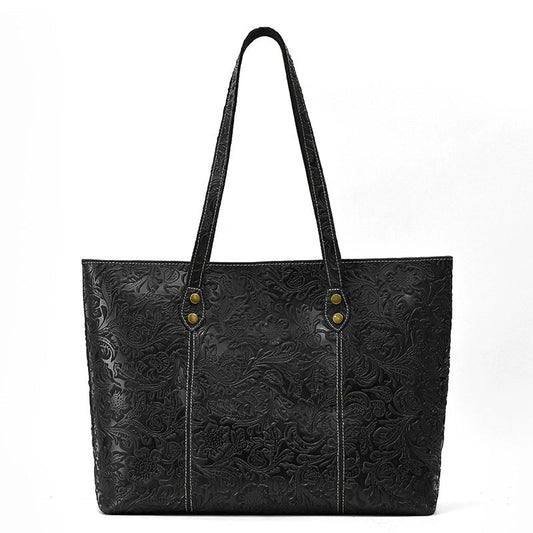
- Normaler Preis
- $ 191.99
- Normaler Preis
-
- Verkaufspreis
- $ 191.99
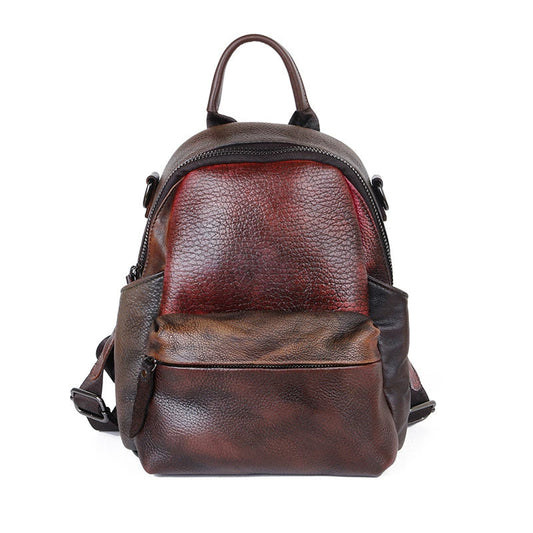
- Normaler Preis
- $ 158.99
- Normaler Preis
-
- Verkaufspreis
- $ 158.99
- Normaler Preis
- $ 174.99
- Normaler Preis
-
- Verkaufspreis
- $ 174.99
- Normaler Preis
- $ 168.99
- Normaler Preis
-
- Verkaufspreis
- $ 168.99
- Normaler Preis
- $ 167.99
- Normaler Preis
-
- Verkaufspreis
- $ 167.99
- Normaler Preis
- $ 161.99
- Normaler Preis
-
- Verkaufspreis
- $ 161.99
- Normaler Preis
- $ 157.99
- Normaler Preis
-
- Verkaufspreis
- $ 157.99
- Normaler Preis
- $ 84.99
- Normaler Preis
-
- Verkaufspreis
- $ 84.99
Bestseller
- Normaler Preis
- $ 134.74
- Normaler Preis
-
$ 141.06 - Verkaufspreis
- $ 134.74
- Normaler Preis
- $ 145.90
- Normaler Preis
-
$ 147.49 - Verkaufspreis
- $ 145.90
- Normaler Preis
- Von $ 122.72
- Normaler Preis
-
$ 147.49 - Verkaufspreis
- Von $ 122.72
- Normaler Preis
- $ 103.67
- Normaler Preis
-
- Verkaufspreis
- $ 103.67
- Normaler Preis
- $ 133.58
- Normaler Preis
-
- Verkaufspreis
- $ 133.58
- Normaler Preis
- $ 170.57
- Normaler Preis
-
$ 185.10 - Verkaufspreis
- $ 170.57
- Normaler Preis
- $ 172.14
- Normaler Preis
-
- Verkaufspreis
- $ 172.14
- Normaler Preis
- $ 225.09
- Normaler Preis
-
- Verkaufspreis
- $ 225.09
- Normaler Preis
- $ 110.52
- Normaler Preis
-
- Verkaufspreis
- $ 110.52
- Normaler Preis
- $ 152.64
- Normaler Preis
-
- Verkaufspreis
- $ 152.64
Option bearbeiten
Benachrichtige mich
Trending
Popular Products
- Normaler Preis
- $ 186.99
- Normaler Preis
-
- Verkaufspreis
- $ 186.99
- Normaler Preis
- $ 191.99
- Normaler Preis
-
- Verkaufspreis
- $ 191.99
- Normaler Preis
- $ 191.99
- Normaler Preis
-
- Verkaufspreis
- $ 191.99
- Normaler Preis
- $ 158.99
- Normaler Preis
-
- Verkaufspreis
- $ 158.99
- Wenn du dich für eine Auswahl entscheidest, wird die Seite komplett aktualisiert.