

Your Essential Rome Travel Guide 2026: Landmarks, Food, and Local Secrets

Rome isn't just a city — it's a living museum where 2,700 years of history unfold on every street corner. This Rome travel guide is designed to help you navigate the Eternal City in 2026, covering the iconic landmarks, the hidden gems, the food you can't miss, and practical tips that save time, money, and frustration.
Whether you have 48 hours or a full week, Rome rewards travelers who plan ahead — but also those who leave room for the serendipitous discoveries that make the city unforgettable.
When to Visit Rome
Rome is a year-round destination, but the experience varies dramatically by season. This Rome travel guide recommends:
- Best months: April–May and September–October. Pleasant temperatures (18–25°C), manageable crowds, and Rome at its most beautiful
- Summer (June–August): Hot (often 35°C+), crowded, and more expensive. If you must visit in summer, book major attractions in advance and plan indoor activities during midday heat
- Winter (November–February): Fewer tourists, lower prices, and Rome without the queues. Temperatures rarely drop below freezing. January sales make it a shopping destination
Rome's Essential Landmarks
The Colosseum and Roman Forum
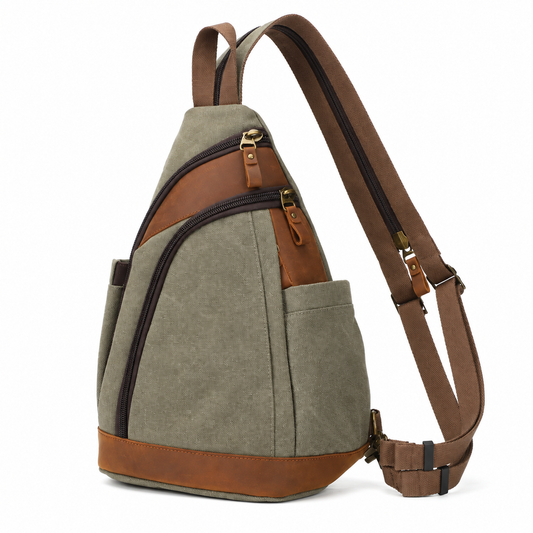
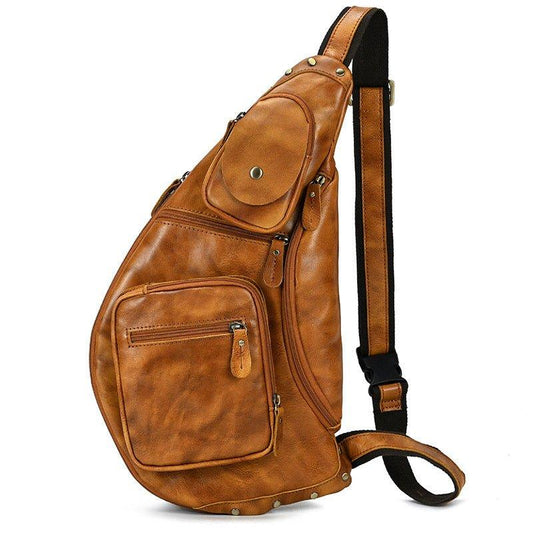
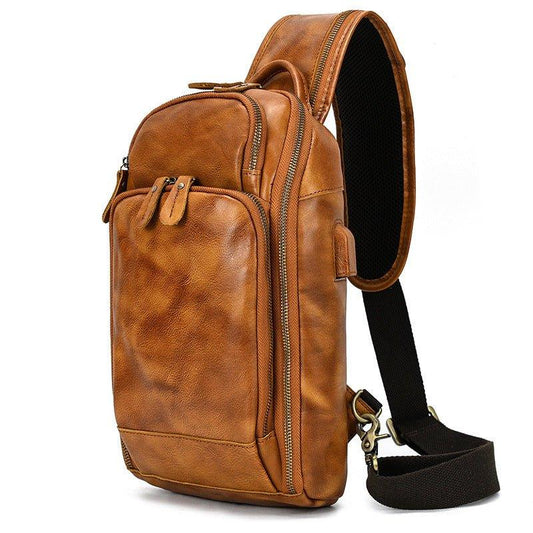
The Colosseum is Rome's icon — and for good reason. This 2,000-year-old amphitheater once held 50,000 spectators. Book a combined ticket (Colosseum + Roman Forum + Palatine Hill) online at least 2–4 weeks in advance. The "Full Experience" ticket includes access to the underground chambers (hypogeum) and the arena floor — worth every euro. Budget 3–4 hours for the full complex. A compact sling bag is perfect for keeping essentials secure while navigating crowds.
Vatican City
Technically its own country, Vatican City packs world-changing art and architecture into half a square kilometer. The Vatican Museums house one of humanity's greatest art collections, culminating in Michelangelo's Sistine Chapel ceiling. St. Peter's Basilica — the largest church in the world — is free to enter, but the climb to the dome (551 steps or elevator + 320 steps) costs 8–10 EUR and delivers the best panoramic view in Rome.
Pro tip: Book the earliest morning slot (8 AM) for the Vatican Museums. You'll experience the Sistine Chapel with relative calm before the crowds arrive. Dress code strictly enforced: shoulders and knees must be covered in St. Peter's and the Sistine Chapel.
The Pantheon
The Pantheon is Rome's best-preserved ancient building — and it's free to enter (as of 2026, a 5 EUR entry fee applies on weekends and holidays). The unreinforced concrete dome, with its central oculus open to the sky, remains the largest of its kind ever built. Visit in the morning when the light beam through the oculus is most dramatic.
Trevi Fountain and Spanish Steps
The Trevi Fountain is pure Baroque theater — Neptune commanding his chariot, tritons taming seahorses, water cascading over travertine. Toss a coin over your left shoulder to ensure your return to Rome (about 3,000 EUR is collected daily and donated to charity). Visit at sunrise for photos without the crowds, or after dark when the fountain is dramatically lit.
Rome's Best Neighborhoods

| Neighborhood | Vibe | Best For |
|---|---|---|
| Trastevere | Bohemian, lively | Evening dining, narrow cobblestone streets, authentic trattorias |
| Monti | Trendy, hipster | Vintage shopping, craft cocktails, young local crowd |
| Testaccio | Working-class, foodie | Roman street food, covered market, authentic Roman cuisine |
| Prati | Elegant, residential | Shopping, quiet streets near Vatican, excellent restaurants |
| Centro Storico | Touristic, grand | Walking distance to major sights, Baroque architecture everywhere |
What to Eat in Rome
Roman cuisine is distinct within Italian food culture — rustic, bold, and unapologetically indulgent. This Rome travel guide recommends these essential dishes:
- Cacio e pepe: The ultimate Roman pasta — pecorino cheese, black pepper, and pasta water create a creamy sauce with just three ingredients. Perfection in simplicity
- Carbonara: No cream allowed. Authentic Roman carbonara uses egg yolk, guanciale (cured pork cheek), pecorino romano, and black pepper
- Supplì: Deep-fried rice balls with mozzarella center — Rome's ultimate street food snack
- Maritozzo: A sweet bun split and filled with whipped cream — the traditional Roman breakfast pastry
- Artichokes (carciofi): Jewish-style (deep-fried, alla giudia) or Roman-style (braised with herbs, alla romana)
Where to eat: Avoid restaurants directly on major piazzas — they're overpriced and mediocre. Walk 2–3 blocks into side streets. Look for handwritten menus in Italian (not laminated photo menus), and restaurants filled with Italian speakers. A great meal in Rome can cost 15–25 EUR per person; the same food on Piazza Navona costs 40+ EUR.
Getting Around Rome
Rome is a walking city. Most major attractions in the historic center are within 20–30 minutes on foot. The metro system has only three lines (A, B, C) and misses much of the historic center (no station at the Pantheon or Piazza Navona), so buses and trams fill the gaps. A 100-minute ticket costs 1.50 EUR; a 24-hour pass is 7 EUR.
Important: Always validate your ticket in the machines on buses and trams. Unvalidated tickets result in fines of 50+ EUR, and inspectors are common on tourist routes.
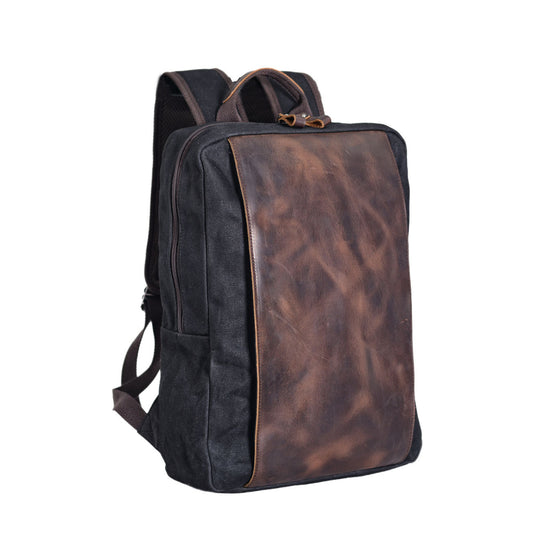
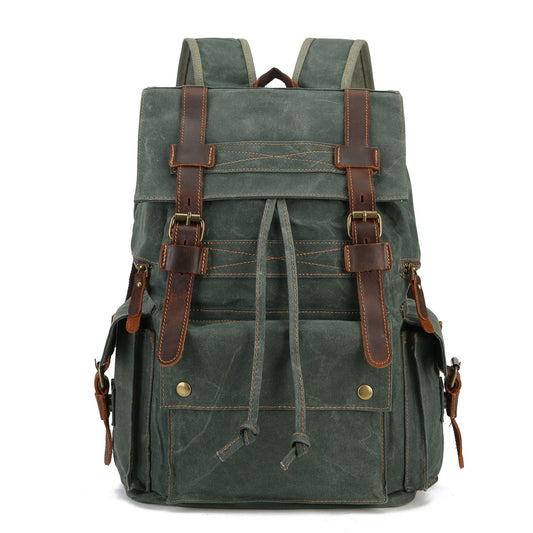
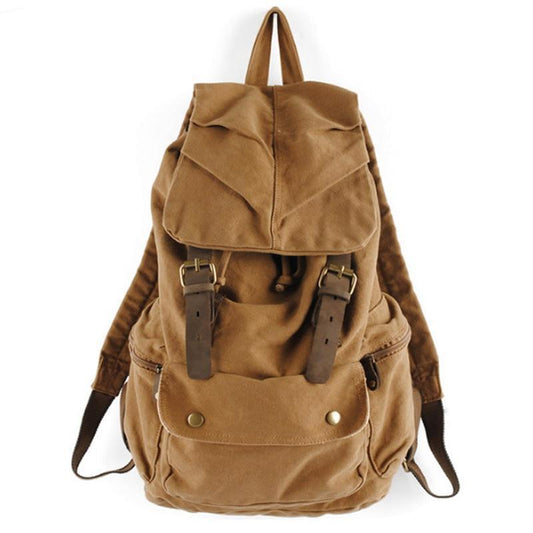
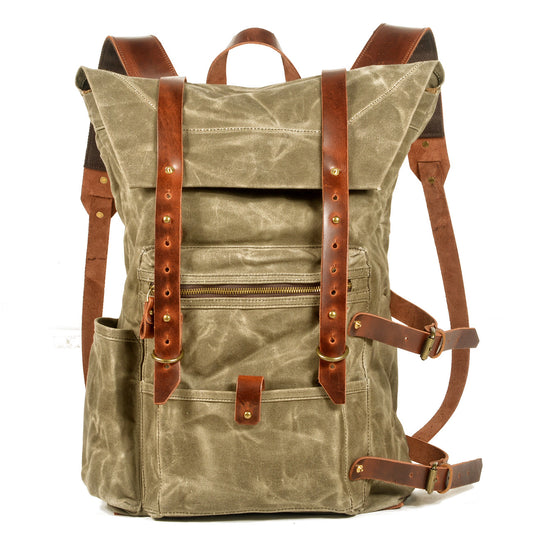
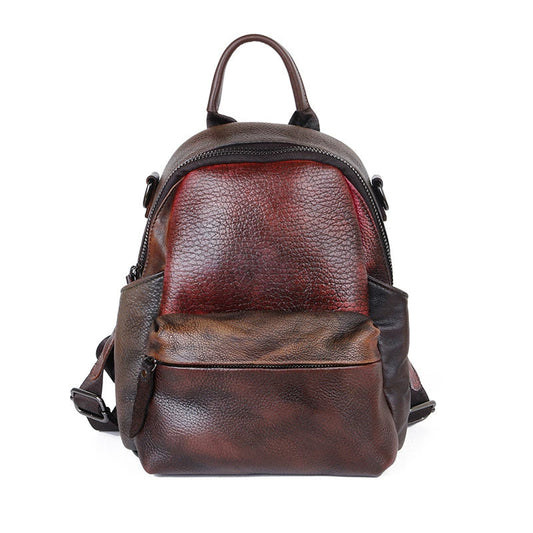
A comfortable daypack is essential for carrying water, snacks, guidebook, and purchases as you explore on foot.
Frequently Asked Questions
How many days do I need in Rome?
Three full days is the minimum to see the major highlights without feeling rushed. Four to five days allows you to add neighborhood exploration, day trips (Tivoli, Ostia Antica), and leisurely meals. Two days is possible for a whirlwind visit but you'll be exhausted and miss a lot.
Should I book attractions in advance?
Yes — absolutely, without question. The Colosseum, Vatican Museums, and Galleria Borghese sell out days or weeks in advance during peak season. Book online through official websites (not third-party resellers that add 10–20 EUR markups). The only major attraction you can't reserve is the Pantheon (though weekend visits now require a ticket).
Is Rome safe?
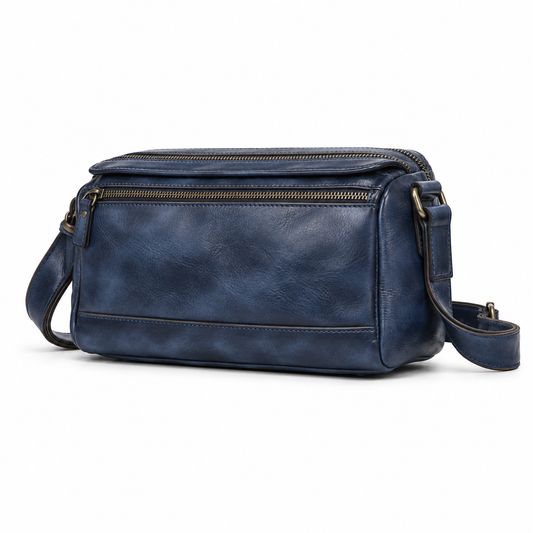
Rome is safe for tourists, with violent crime extremely rare. The main concerns are pickpocketing on crowded metro trains (Line A between Termini and the Vatican), around the Trevi Fountain, and on bus 64 (the "pickpocket express"). Keep valuables in a zipped, front-facing bag. Be aware of common scams: "free" bracelets or roses that become demands for payment, and "helpful" strangers at ticket machines who expect a tip.
What's the dress code for churches?
Shoulders and knees must be covered in all churches, including St. Peter's Basilica and the Pantheon. This is strictly enforced — you will be turned away. Carry a lightweight scarf or sarong in summer to cover up when needed.
Conclusion: Rome Rewards the Curious
This Rome travel guide provides the structure, but Rome provides the soul. The city has a way of surprising even the most experienced travelers — a hidden courtyard behind an unmarked door, a perfect plate of pasta in a neighborhood trattoria, a view from a hilltop at golden hour that makes you understand why they call it the Eternal City. Pack comfortable shoes, bring your curiosity, and let Rome do the rest.