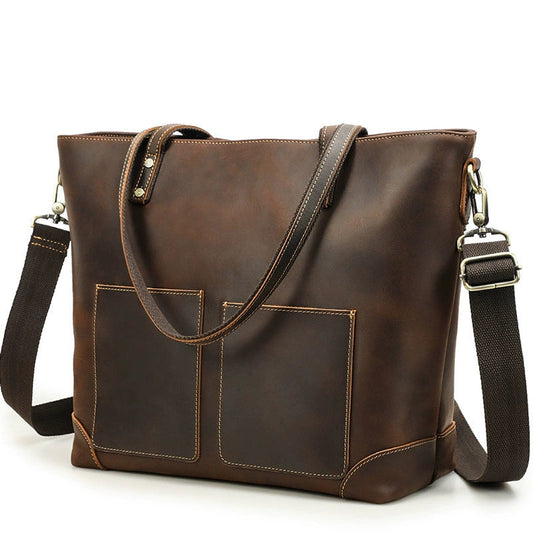
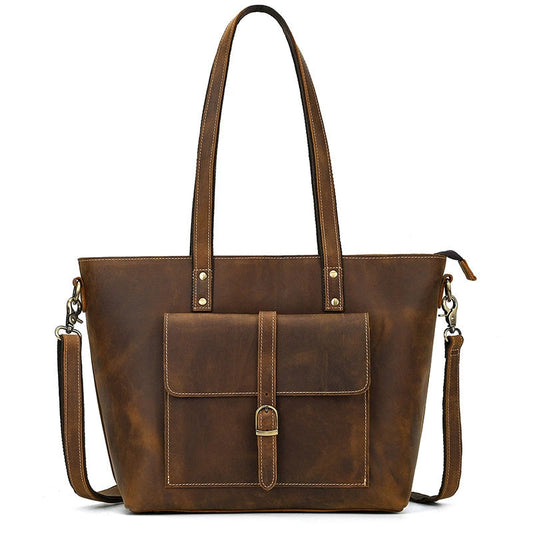
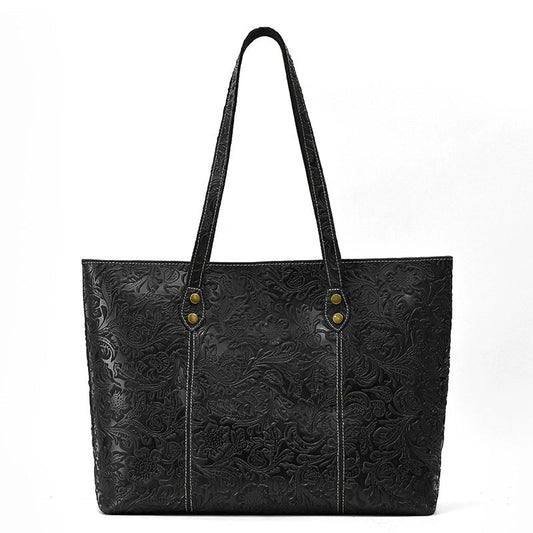
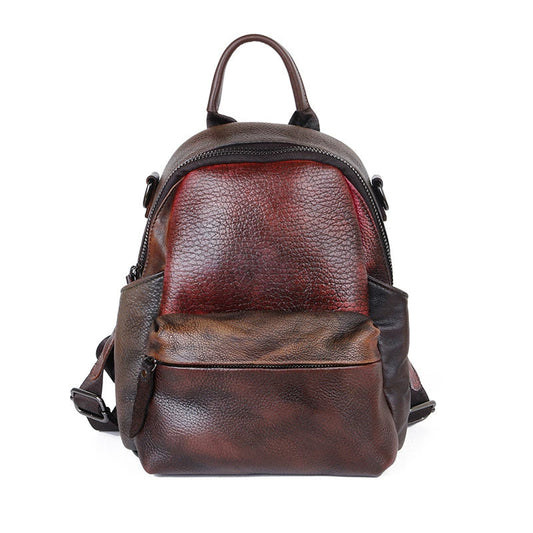

Woosir Leather Travelling Bags

Leather travelling bags work best when their construction supports the way you move. A weekend traveler may need a wide opening and a shoulder strap, while a business traveler may care more about a laptop sleeve, trolley compatibility, and a profile that fits beside a seat. This guide explains how to compare a leather travel bag by use case, not by color or surface finish alone.
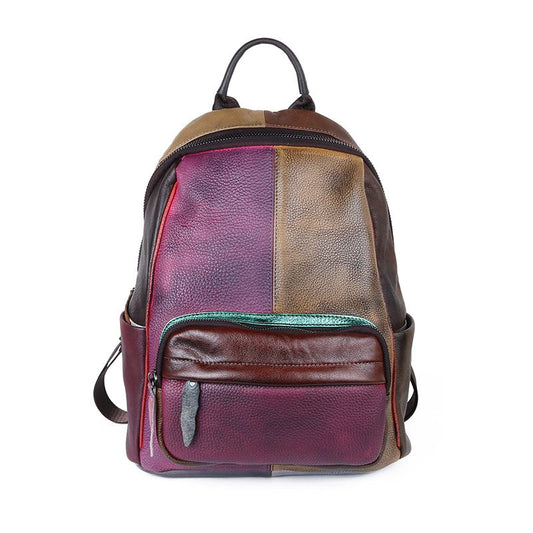
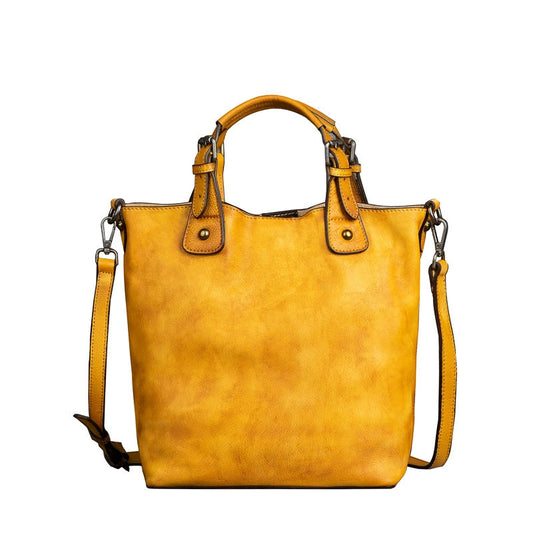
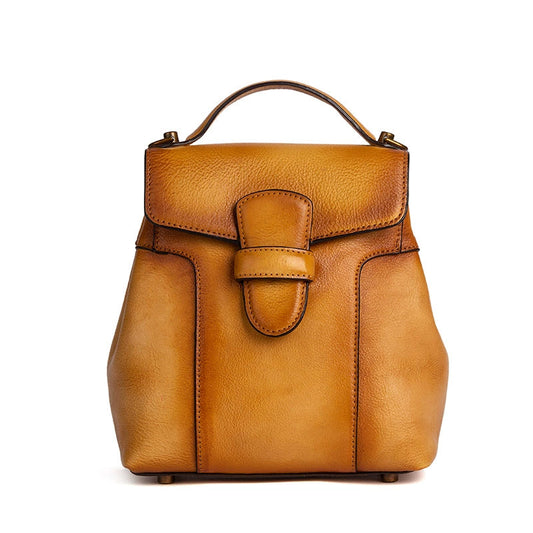
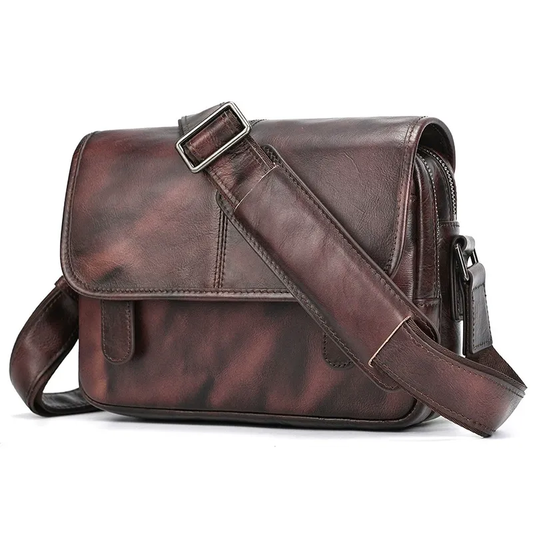
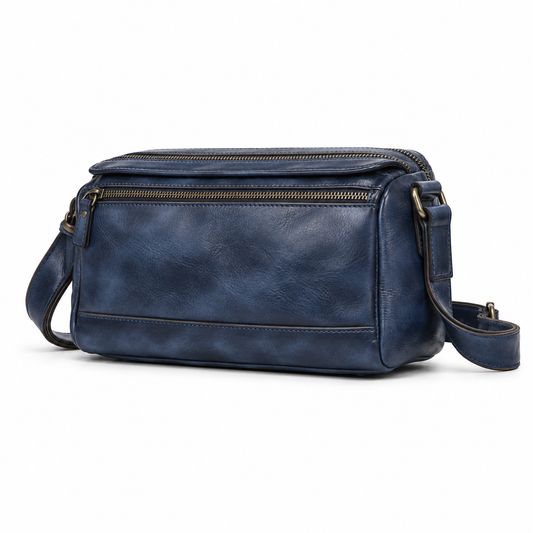
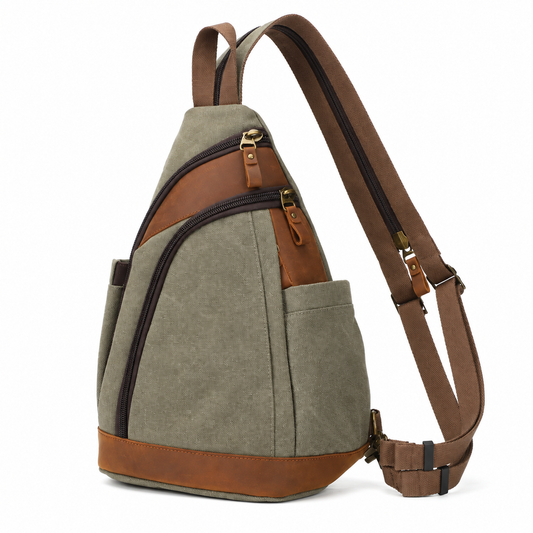
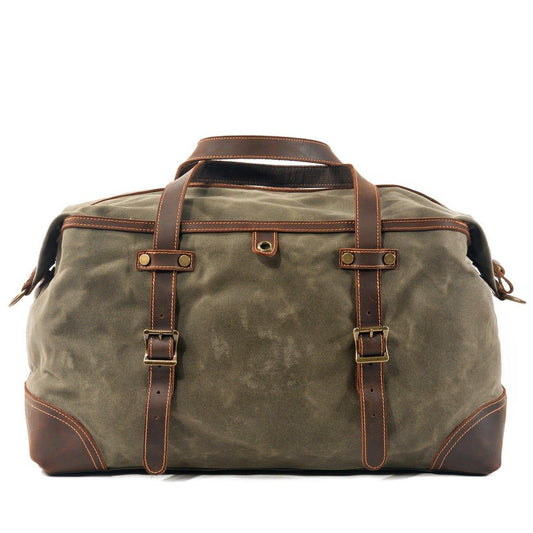
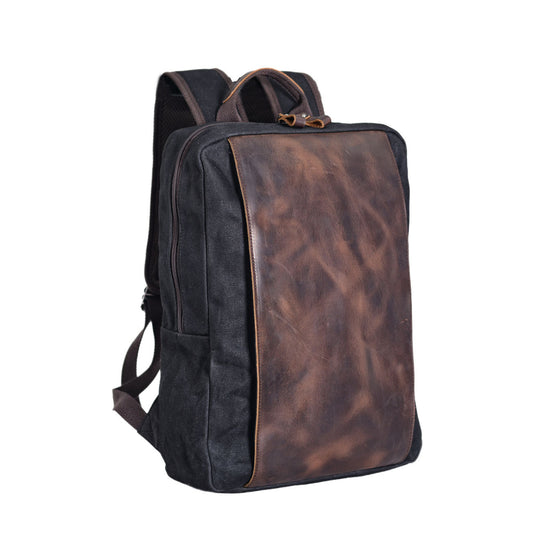
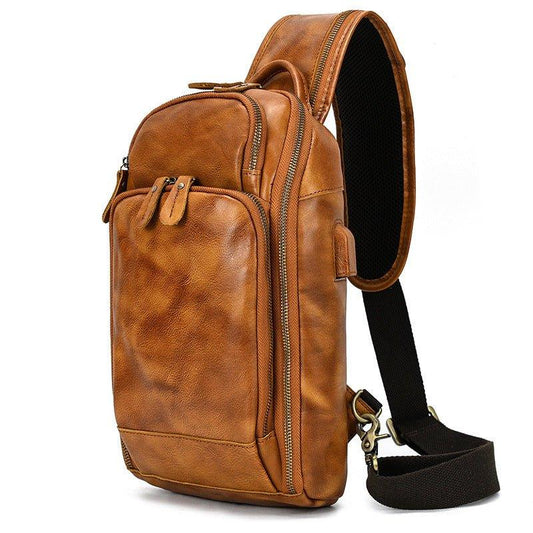
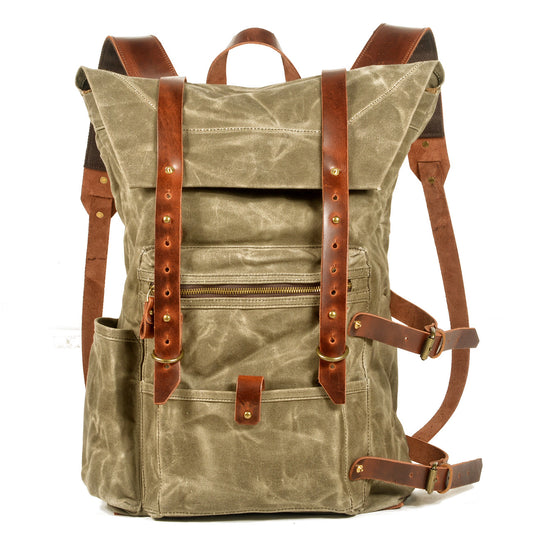
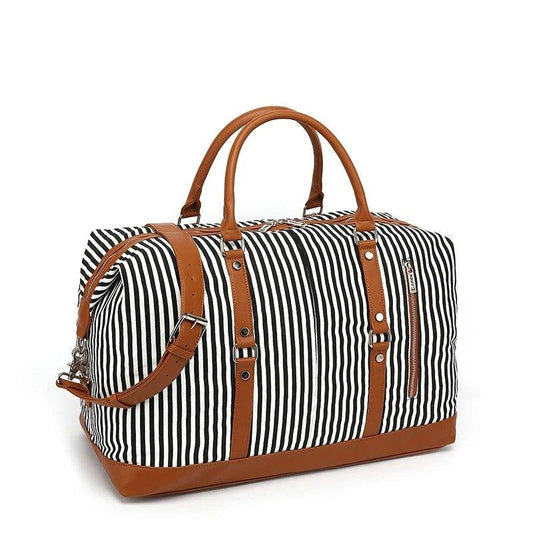
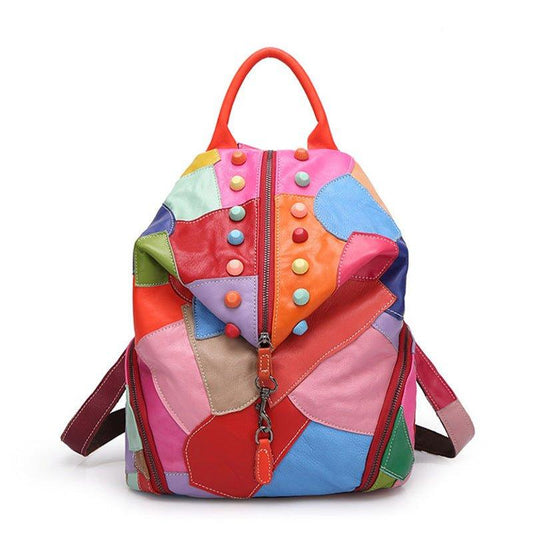
Woosir offers leather travel styles across duffle, backpack, messenger, tote, and briefcase formats. Use the linked collection pages for current sizing and availability, then check how the bag will behave when it is full, wet, placed under a seat, or carried for several hours.
Choose the silhouette around the trip
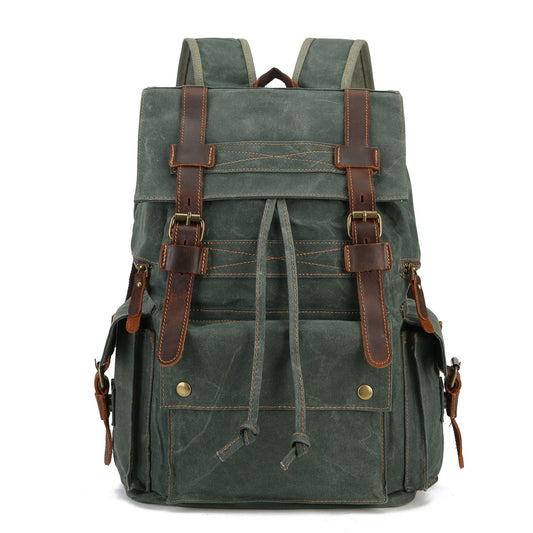
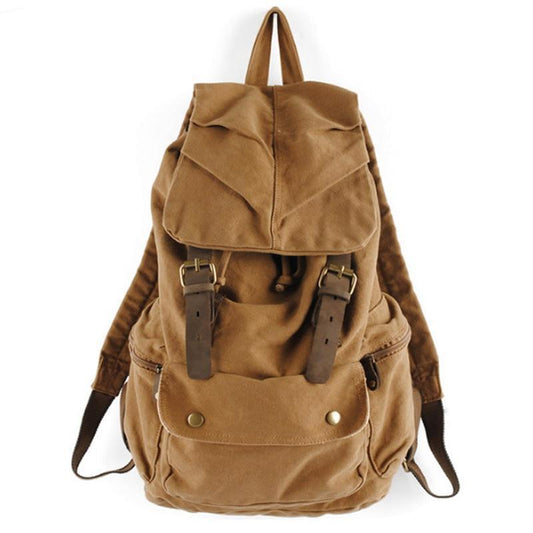
A leather duffle is efficient for a weekend because its flexible body can accept shoes, folded layers, and a toiletry kit without forcing every item into a narrow rectangle. A leather backpack distributes weight across two shoulders and leaves both hands free, which is useful for rail stations, walking tours, and mixed urban travel. A messenger or briefcase is better when the carry is more formal and the load is mostly documents or a laptop.
Do not judge capacity from external dimensions alone. A structured bag may have a larger footprint but less usable volume because of padding, dividers, or tapered corners. Measure the largest item you carry, such as a 15-inch laptop, camera cube, or pair of shoes, and compare that shape with the opening and interior layout.
Leather quality: what to inspect
Full-grain and top-grain leather preserve more of the hide's natural surface, while corrected or split leathers may be finished for a more uniform look. The label is useful, but construction still matters: inspect the edge finishing, stitch density, reinforcement at handles, and whether the strap anchors are sewn into a load-bearing panel.

Natural leather may show variation, small marks, or a changing patina. That is not automatically a defect. The important questions are whether the surface feels substantial, whether the lining protects the contents, and whether hardware moves smoothly without stressing the leather around it.
Hardware, lining, and carry comfort
Metal hardware should match the expected load. A thin decorative ring may look polished but can become a failure point when a packed duffle is lifted by one strap. Check the connection between handle, reinforcement patch, and body. Zippers should run without catching, and magnetic or buckle closures should be easy to operate while still resisting accidental opening.
The lining affects daily usability. A smooth lining is easier to clean, while pockets help prevent chargers, passports, and keys from disappearing into the bottom. For laptop travel, look for padding that reaches the base rather than stopping above it, because a short drop onto a hard floor is more likely to damage a device than ordinary movement.
Match the bag to a travel routine
- For a two-day trip, choose a duffle with a wide opening, a removable shoulder strap, and a separate pocket for shoes or laundry.
- For airport transfers, prioritize a trolley sleeve or a backpack harness that stays comfortable while another bag is in hand.
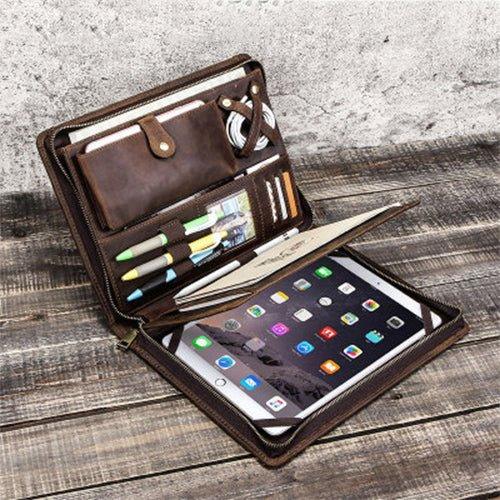
- For business travel, choose a briefcase or messenger with a padded device compartment and quick-access document storage.
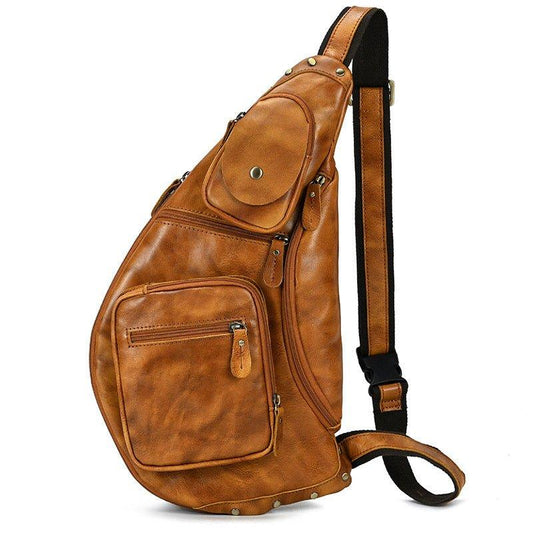
- For walking-heavy itineraries, choose a backpack or compact crossbody so the load remains close to the body.
Care that protects the investment
Brush away dry dust before it becomes embedded, wipe small spills with a barely damp cloth, and let the bag dry naturally away from direct heat. Use a leather conditioner only when the surface needs it and test a hidden area first. Over-conditioning can soften structure, darken the finish, or transfer oil to clothing.

Travel details that are easy to overlook
A leather bag should be comfortable when it is not perfectly balanced. Think about the moments when you will carry it one-handed, lift it into an overhead space, or set it on a wet pavement edge. A reinforced base and a handle that allows your hand to clear the bag are small details that affect every transfer. If you travel with a second bag, check whether the leather bag can sit securely on top of it or attach to a trolley.
Security and access deserve the same attention. Put passports and cards in a compartment that closes fully, keep cables separate from documents, and avoid placing a heavy bottle against a laptop sleeve. If the bag has a wide opening, a simple packing cube can make the interior easier to scan without adding unnecessary structure.
How to make a final choice
Compare three real scenarios before ordering: a fully packed departure, a half-full day in town, and the moment you need to find one small item quickly. The best leather travelling bag should remain comfortable and organized in all three situations. When two styles are similar, choose the one with the stronger hardware, more useful opening, and easier care routine.
A simple buying checklist
Before ordering, confirm the packed dimensions, opening style, strap length, device fit, hardware, lining, and return terms. Then ask whether the bag will be carried mostly by hand, shoulder, or back. A beautiful leather travelling bag becomes a long-term companion when its material and design agree with the actual route.
Related Woosir resources
Use these original Woosir links for current collections, product details, and related buying guidance.