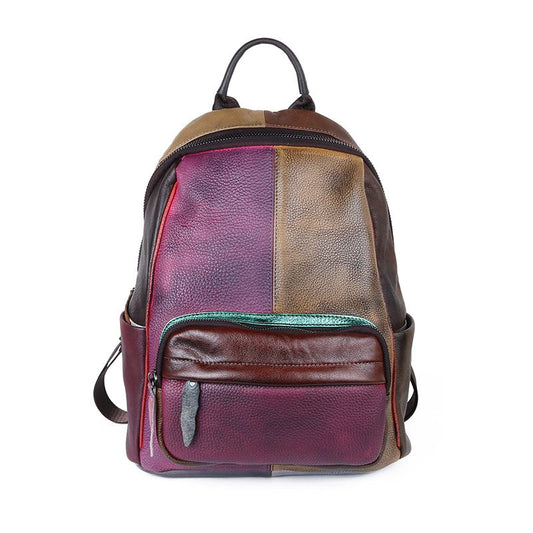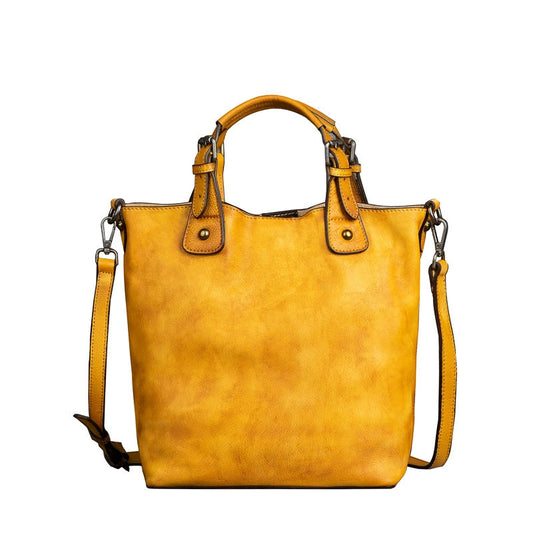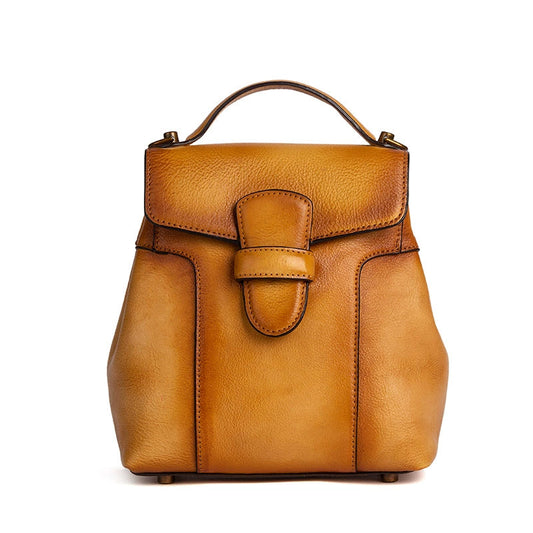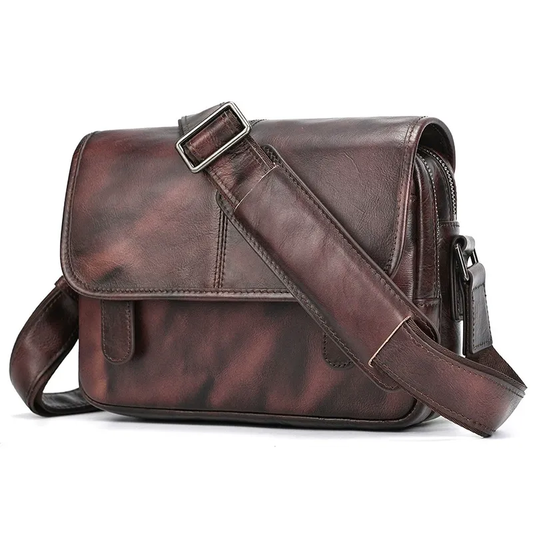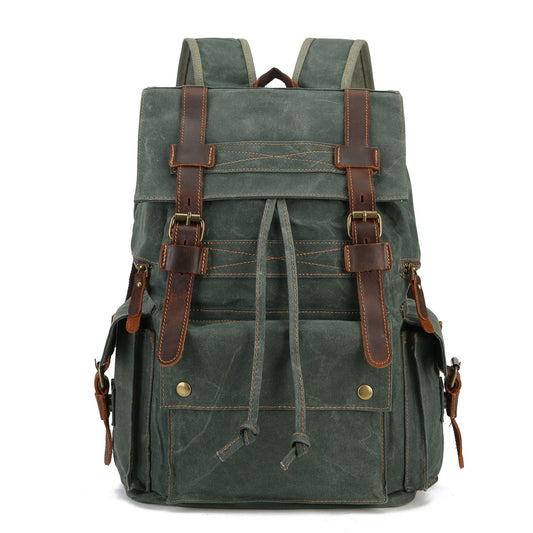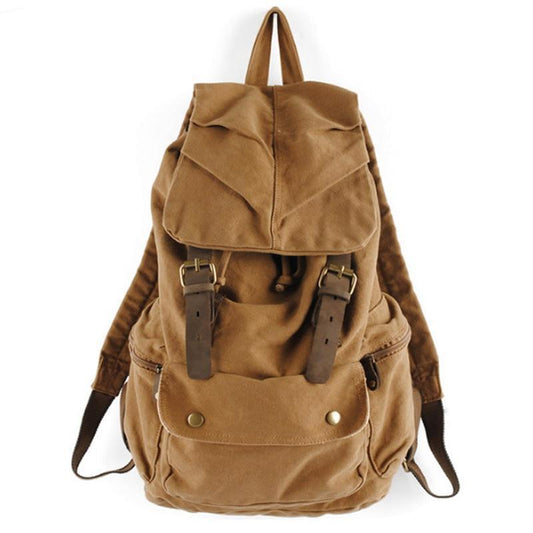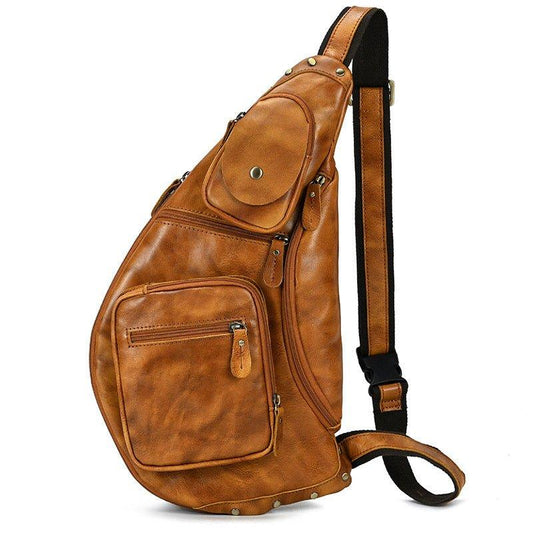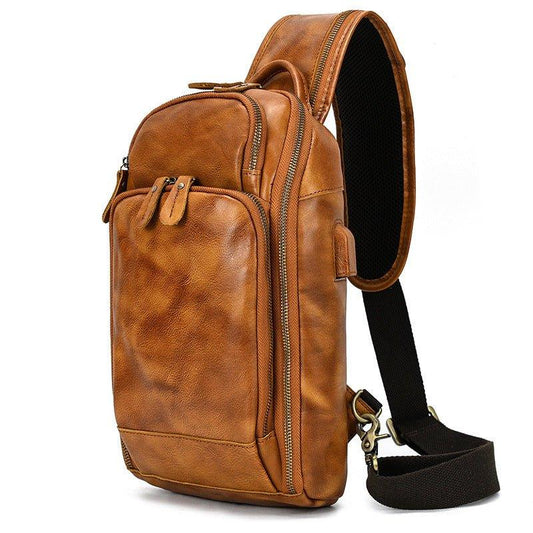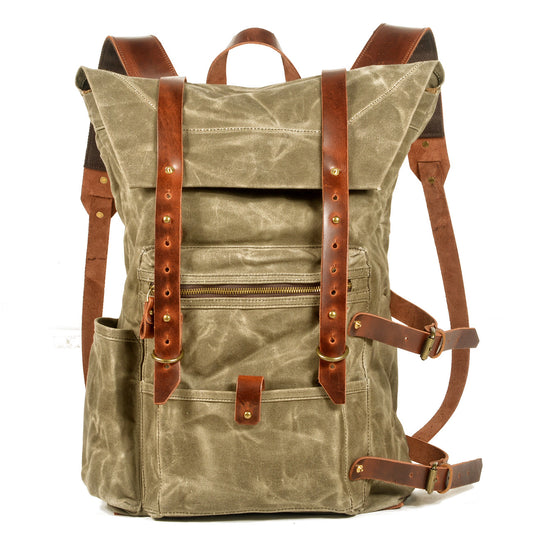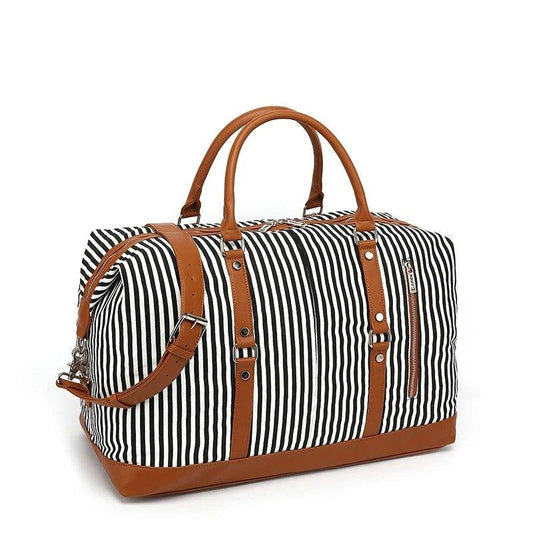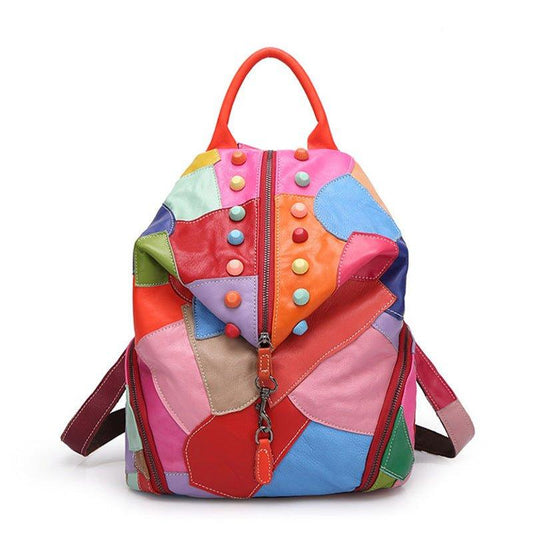

Which is better, a backpack or a shoulder bag?

Backpacks and shoulder bags solve different carrying problems. A backpack spreads weight across two shoulders and usually offers more volume, while a shoulder bag provides faster access and a lower-profile carry. The better option depends on load, distance, clothing, and how often you need to reach your essentials.
The comparison below focuses on real daily use rather than a simple style preference. Use the linked Woosir collections to compare current formats, then test the decision against your heaviest regular item.
When a backpack is the better choice
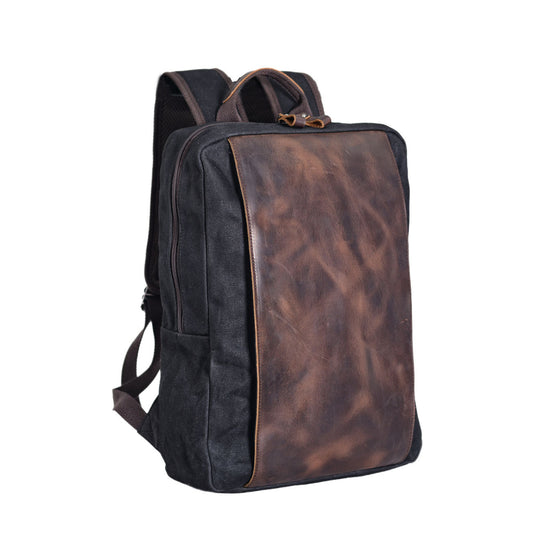
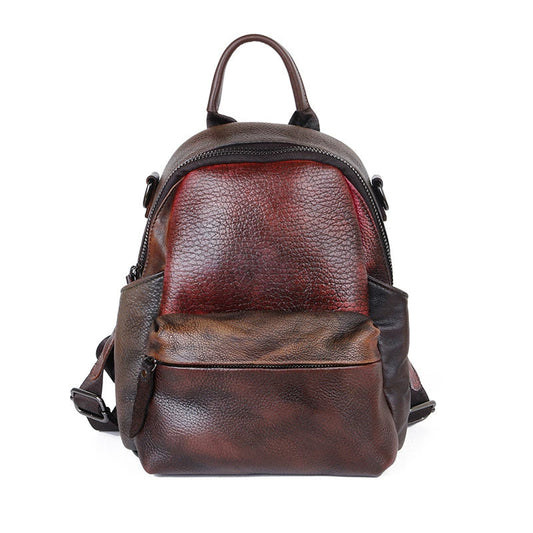
A backpack is usually more comfortable when the load is more than a few light items or when the route includes walking, stairs, and public transport. Two shoulder straps reduce one-sided fatigue, and a larger central compartment can hold a laptop, notebook, bottle, and extra layer without forcing the contents into a narrow shape.
The trade-off is access. You may need to take the backpack off to reach items in the main compartment, and a loose load can move against your back. A good fit, a padded back panel, and a simple packing system solve most of that friction.

When a shoulder bag wins
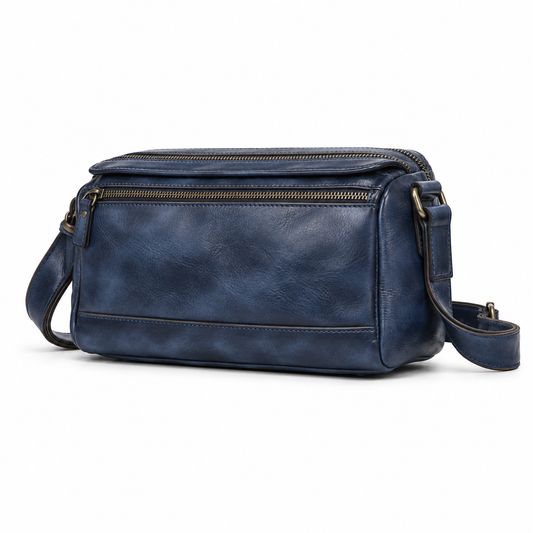
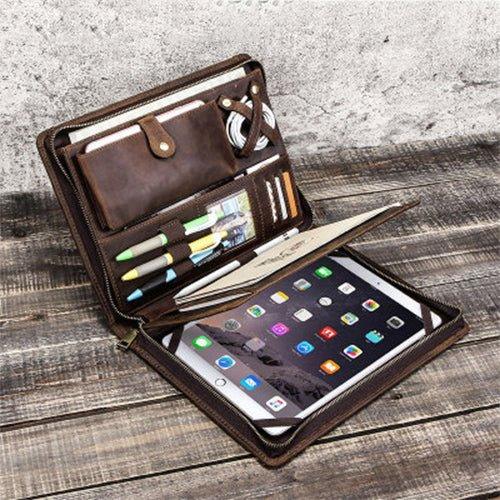
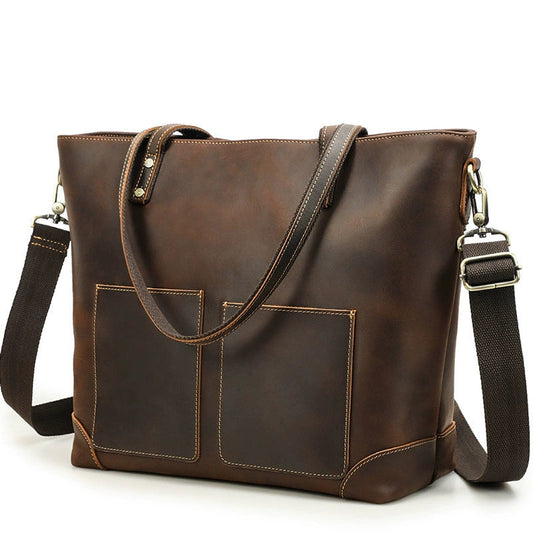
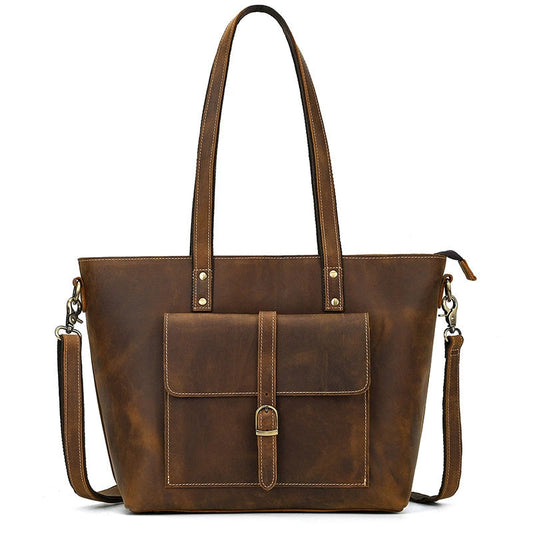
A shoulder or messenger bag makes sense when quick access matters more than maximum comfort. It is convenient for a tablet, notebook, passport, or camera because the bag can rotate forward without being removed. A shoulder bag can also suit a formal outfit where a large backpack feels visually heavy.
The cost is asymmetrical loading. If the bag is packed with a laptop, charger, bottle, and books, one shoulder takes the strain. Use the strap adjustment to keep the bag close to the body, avoid overfilling, and switch shoulders when the design allows it.

Compare the load in five questions
- How heavy is the normal load after water, electronics, and a layer are added?
- Will you walk for more than twenty minutes at a time?
- Do you need to open the bag while standing or in a crowded place?
- Does the load need a padded laptop or camera compartment?
- Will the bag be used with business clothing, outdoor clothing, or both?
A practical decision rule
Choose a backpack when comfort, volume, and balanced weight are the main concerns. Choose a shoulder bag when the load is light, the route is short, and access matters most. If your routine changes, a compact backpack plus a small crossbody organizer may be more flexible than forcing one bag to do everything.
Pack either style for better comfort
Put dense objects close to the body, keep liquids upright, and group small items so they do not settle into the bottom. Remove items you do not use for a week. The lightest bag is not always the best bag, but unnecessary weight makes every carry method worse.
Consider the transition between places
Many people use the same bag at home, on a commute, in a classroom, and in a café. A backpack is usually easier during the walking portion, while a shoulder bag can be more convenient when the bag stays beside a chair or under a desk. If you move between those settings several times a day, prioritize a closure and shape that remain easy to control when the bag is half open or placed on the floor.
A shoulder bag also needs a sensible strap length and a stable base. If it swings when you turn or catches on the arm of a chair, the design is creating more friction than its quick access solves. A backpack should be checked for the opposite problem: straps that are too loose allow the pack to move and make a moderate load feel heavier.
The hybrid answer
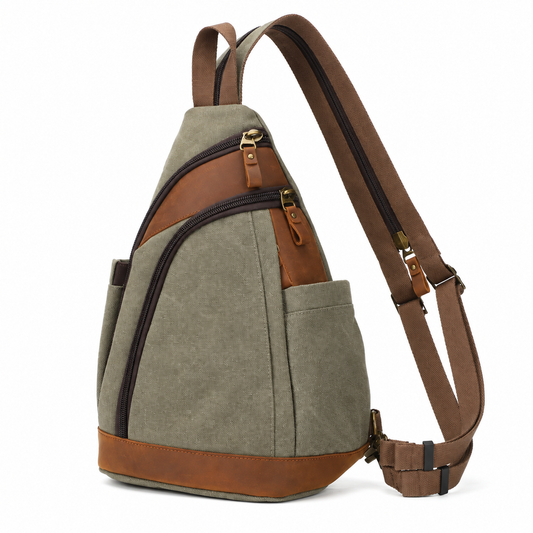
Some routines do not need one winner. A moderate backpack can carry the main load, while a compact shoulder or crossbody bag can hold the passport, phone, and small items needed during a walk. This two-bag approach is useful for travel days, but it should remain light enough that the extra organization does not become another burden.
Think about entry and exit points
The right bag should make transitions calmer. At a station, you may need a ticket and phone in seconds; in a classroom, the bag may stay under a chair; at a café, it may need to stand beside your feet without spilling its contents. Compare the closure, base, and quick-access pockets against those moments rather than judging only the silhouette.
Weather and clothing change the answer
A shoulder bag may feel perfect in dry weather when the load is light, but a wet jacket or extra layer can quickly consume its available space. A backpack gives that variable volume more room, while a messenger can still be useful as a secondary organizer. Think about the month and route in which the bag will be used most often, not only the outfit shown in a product photo.
Device users should also consider how the bag behaves when set down. A backpack with a padded base can protect a laptop during a commute, while a messenger needs a stable bottom and a sleeve that does not let the device slide into a corner. These details often matter more than a small difference in external dimensions.
There is no universal winner. The right choice is determined by the weight, access pattern, and distance of your real day. Start with those variables, then use style and material to choose between the suitable options.
Related Woosir resources
Use these original Woosir links for current collections, product details, and related buying guidance.