
Waterproof Canvas Bags: Which Styles Hold Up in Any Weather (2026 Guide)

Waterproof canvas bags are often judged by a single word, but real weather performance depends on fabric treatment, seams, closures, base construction, and how the contents are packed. A bag can shed a shower and still need an inner liner for electronics or documents.
This 2026 guide explains how to compare waterproof and water-resistant canvas bags by use case, construction, weather exposure, drying routine, and regional travel conditions. Confirm the live product specifications before treating any bag as fully waterproof.
Separate water-resistant from waterproof
Water-resistant materials can delay moisture penetration during light rain, while a waterproof system must also manage seams, zipper paths, openings, and pressure points. Product descriptions can use these terms differently, so look for specific construction details instead of assuming a finish solves every exposure.
Your packing choices complete the protection system. Put documents and electronics in inner waterproof pouches, keep wet clothing separated, and avoid leaving the bag open in heavy rain. A protective layer inside the bag is valuable even when the outside fabric performs well.
Inspect the fabric and treatment
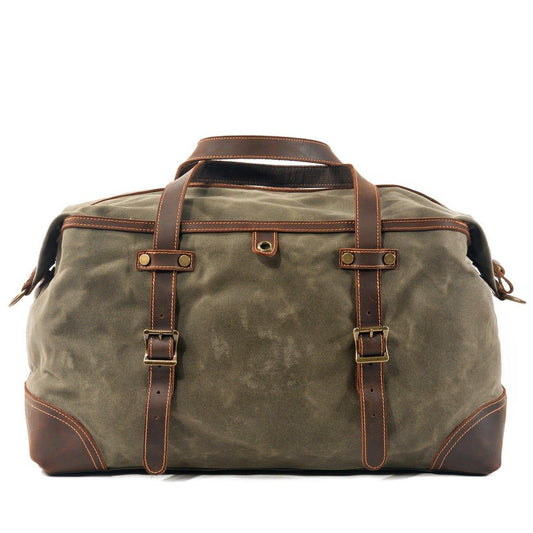
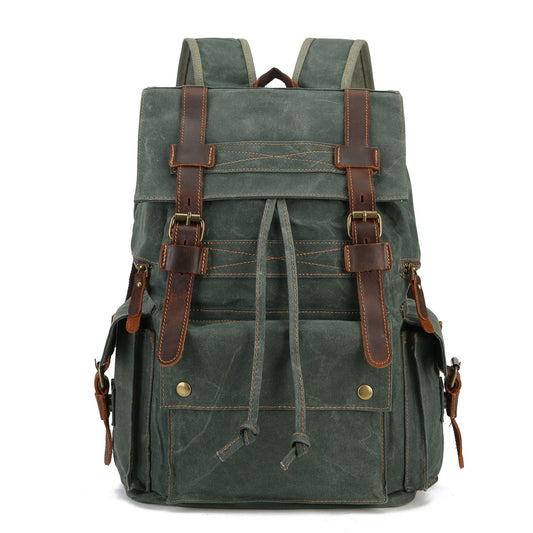
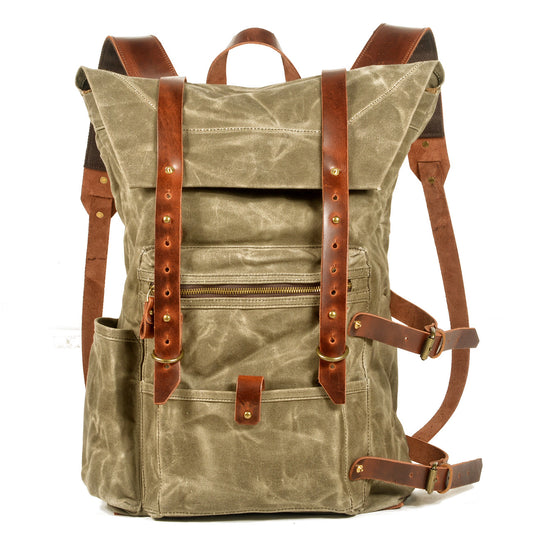
Canvas weight, coating, wax, and weave affect how the surface behaves. Waxed canvas may shed light moisture and develop character, while a coated fabric may be easier to wipe. Both can wear at high-friction points. Look at the base, corners, handles, and the areas where the bag rests against wet ground.
Do not use shine as proof of protection. A glossy surface may reflect light without improving the seams or closure. The better test is whether the construction matches the activity and whether the care instructions explain how to preserve the treatment over time.
Pay attention to seams and closures
Seams are common entry points for water, especially at the base, side panels, and handle attachments. Covered zippers, storm flaps, and protected openings can help, but they still need to close correctly. Inspect whether the zipper catches fabric and whether the flap leaves a gap when the bag is full.
A structured base can keep the lower panel off wet surfaces and protect the load during travel. If the bag has a separate shoe compartment, check whether that compartment is isolated enough to prevent damp footwear from contacting clothing or electronics.
Match the bag to the activity
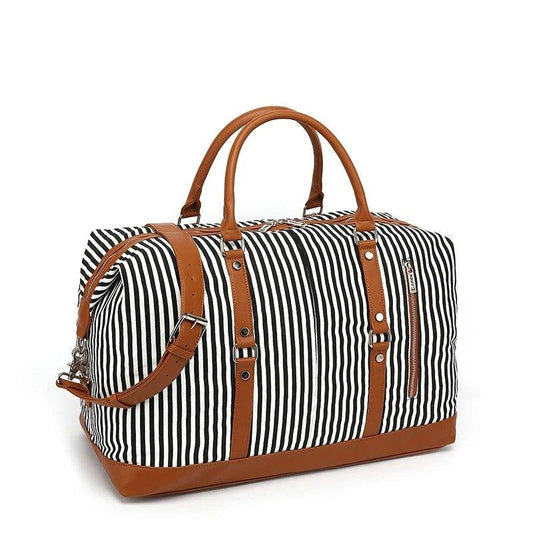
A city commute may need splash protection for a laptop, while a trail or coastal trip may expose the bag to longer rain and wet ground. For a station-to-hotel transfer, a duffle can be practical; for long walking, a backpack may distribute weight and keep the bag closer to the body. Choose the carry system with the weather scenario.
Regional climate matters too. Humid conditions increase drying time, cold rain can stiffen materials, and hot sun can accelerate drying in ways that affect wax or leather trim. Plan ventilation and storage for the place where the bag will actually be used, not only the moment it is photographed.
Dry and maintain the bag
After rain, remove the contents, open every compartment, and dry the bag at room temperature. Avoid radiators, hair dryers, and direct high heat because rapid drying can distort materials or move oils. Brush away grit after the bag is dry and check the base and zipper tracks.
Follow the care guidance before rewaxing or applying a cleaner. More treatment is not always better, and an incompatible product can reduce breathability or change the surface. A small test area and a light hand are safer than coating the entire bag immediately.
Weather-ready packing checklist
- Use inner pouches for electronics, passports, and documents.
- Separate wet footwear or clothing from the main load.
- Carry a rain cover when the route exceeds light showers.
- Keep zippers and openings closed whenever possible.
- Dry the bag fully before storage and inspect seams after wet trips.
Make the final choice
A waterproof canvas bag is useful when its protection level matches the forecast and the contents are packed defensively. Compare material, seam construction, closure, base, carry comfort, and care requirements together. Do not let the word waterproof replace a complete evaluation.
The most dependable setup is layered: a suitable bag outside, sealed pouches inside, and a drying routine after exposure. That approach keeps the contents safer and gives the canvas a longer, more predictable working life.


Layer protection when the forecast changes
A weather-ready bag should support a layered response. The outer fabric handles ordinary contact with rain, a cover adds protection during longer exposure, and inner pouches protect the objects that cannot get wet. This approach is more dependable than expecting one finish to solve every weather condition.
Plan the drying routine before the trip. Identify a ventilated place where the bag can be opened, remove damp clothing, and keep leather or waxed details away from direct heat. A bag that dries correctly after each wet journey is less likely to develop odor, stiffness, or uneven surface wear.
Before purchase, verify the current claims and care instructions on the live page. Weather performance is useful only when the bag is closed correctly, the seams are intact, and the contents have a second layer of protection. This practical approach makes a canvas bag more dependable across changing conditions.
Related Woosir resources
Use these related Woosir collection and product pages to compare current materials, dimensions, care details, and available variants before making a final decision.