
Water-Resistant vs Waterproof Canvas Bags: What the Ratings Really Mean in 2026

Water-resistant and waterproof canvas bags are not interchangeable descriptions. Water resistance may delay moisture during a light shower, while waterproof performance also depends on seams, closures, openings, and the protection used inside the bag. Understanding the difference prevents a wet-weather purchase from creating false confidence.
This 2026 guide explains the ratings in practical terms, including fabric treatment, seam construction, activity, climate, packing layers, and care. Confirm the current product specification before relying on any claim.
Define the two terms carefully
Water-resistant usually means the material can repel or slow water for a period of time. Waterproof is a stronger claim, but its usefulness depends on how the product defines it and whether the entire construction supports it. An untreated opening or exposed zipper can undermine a highly treated panel.
Read for details about coating, wax, seam binding, storm flaps, and closure design. If those details are missing, plan for the lower level of protection and use inner pouches. A cautious assumption is safer for electronics and important documents.
Look at the fabric surface
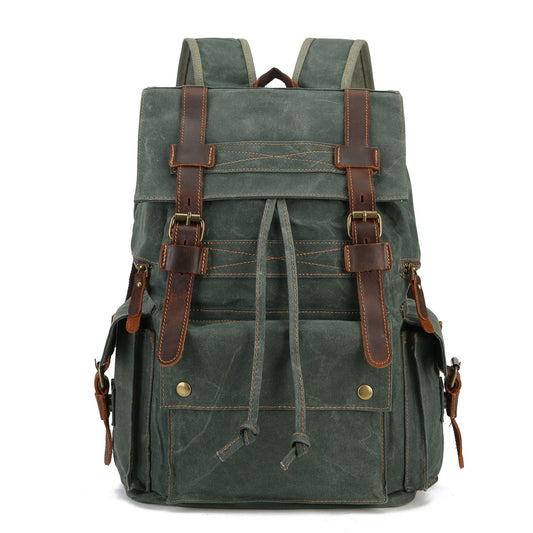
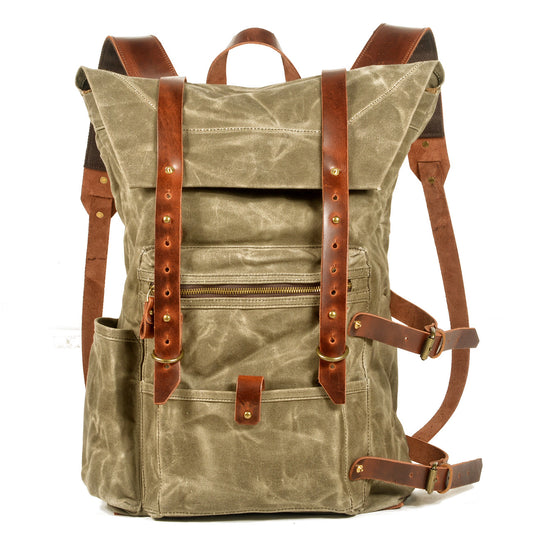
Canvas weave, weight, wax, and coating determine how droplets behave. Waxed or coated canvas may bead water at first, but abrasion and folding can change the surface. A heavy fabric can still admit moisture at seams or through a wide opening.
Do not use shine or a single water-droplet photograph as the only test. Compare the fabric with the use case and the care guidance. The right surface is the one that performs predictably after repeated handling and cleaning.
Inspect seams, zippers, and base
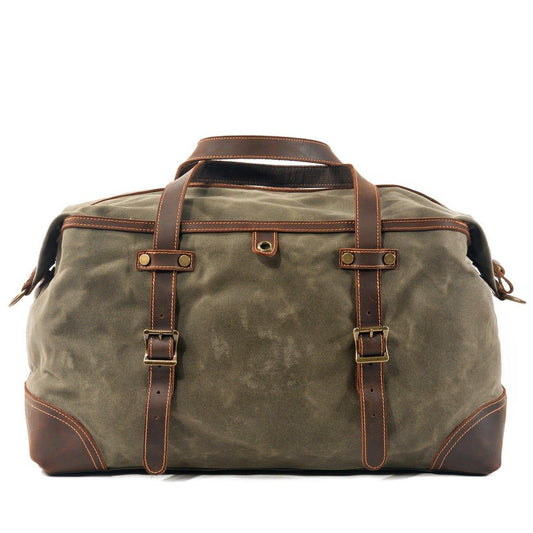
Seams at the bottom, corners, handles, and side panels receive pressure when the bag is full or placed on wet ground. Covered zippers and storm flaps can help, but they need to close smoothly. Check whether the base is reinforced or likely to sit directly in water.
Separate shoe compartments can be useful when footwear is damp, but they also create another zipper and seam to manage. Keep wet items isolated and protect clean clothing with a liner or pouch. The layout should reduce the consequences of one wet object.
Match protection to the activity
A city commuter may need splash resistance for a laptop, while a coastal walk or mountain transfer may involve sustained rain and wet surfaces. A tote, duffle, and backpack also expose their openings differently. Choose the carry format and protection together.
Climate changes the care burden. Humidity slows drying, strong sun can age coatings, and cold wet weather may stiffen leather trim or wax. Plan where the bag will dry and how the contents will be protected before the trip begins.
Use layered packing protection
A dry pouch for devices, a sealed toiletry bag, and a separate laundry layer protect the contents even when the outer bag only sheds light rain. Keep the most sensitive items away from the base and outer walls. This method works across water-resistant and waterproof formats.
Do not leave the bag open in heavy rain or place it on a wet bench. Close zippers, use the cover when available, and carry a lightweight liner when the forecast is uncertain. Packing choices are part of weather performance.
Maintain the treatment
After exposure, empty the bag and dry it fully at room temperature. Avoid radiators and high heat because rapid drying can distort fabric, move oils, or affect adhesives. Brush grit from seams and zipper tracks once the bag is dry.
Follow the care instructions before rewaxing or applying cleaner. An incompatible product can reduce performance or change the surface. Test a hidden area first and use the smallest effective amount of treatment.
Rating and purchase checklist
- Read the exact water-resistance or waterproof claim.
- Check fabric, coating, seams, zippers, opening, and base together.
- Plan inner pouches for electronics and documents.
- Match protection to climate, activity, and carry format.
- Confirm current care instructions and dry the bag after exposure.


Treat water resistance as one layer of a broader system. Match the outer fabric to the route, use inner protection for sensitive objects, and dry the bag correctly after exposure. The live product description and care instructions should decide the final purchase, not a single visual claim.
A practical rating comparison should end with a scenario test. Imagine the bag in a light commute, a long platform wait, and a sustained rain shower. Decide which layer protects the contents in each situation and whether the bag can dry afterward. This turns abstract ratings into a realistic travel plan.
Verify the live product details and care instructions, then use inner protection for anything that cannot get wet. Reliable weather performance comes from matching the whole system to the forecast.
Material performance should be judged after ordinary wear as well as on the first rainy day. Folding, abrasion, and cleaning can change the surface. Store the bag dry, avoid harsh products, and use a liner when the forecast or the contents justify another layer of protection.
When in doubt, protect the contents with a liner and follow the lower weather assumption. A dry device is more important than a stronger marketing word.
Related Woosir resources
Use these related Woosir pages to compare current materials, dimensions, care details, and available variants before making a final decision.