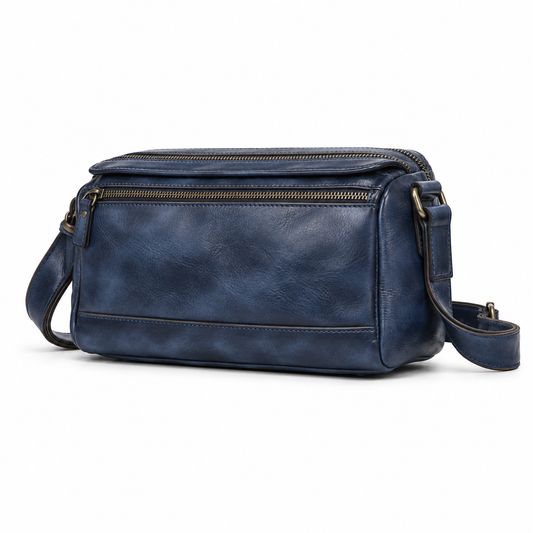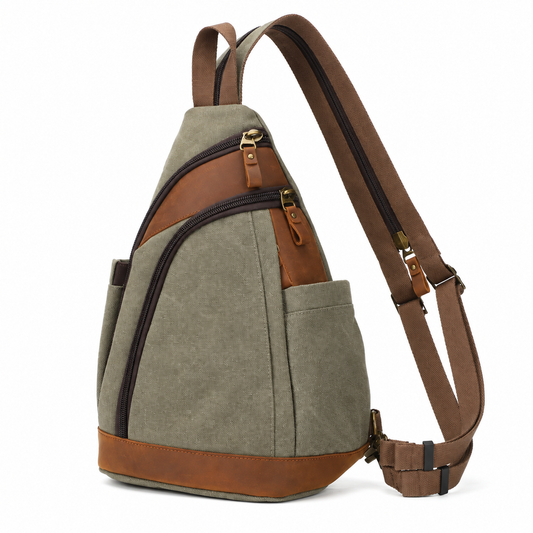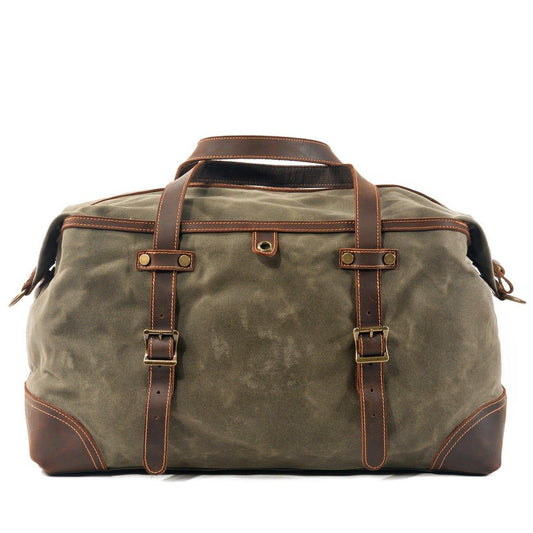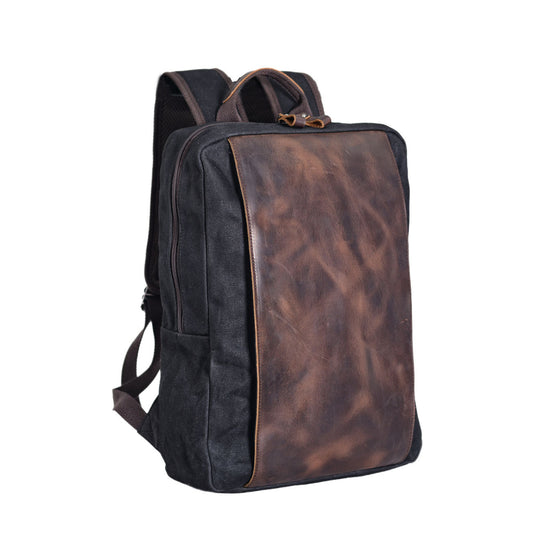

Vintage Leather Messenger Bag Buying Guide: Leather, Hardware, Fit & Organization for 2026 Commuters

A vintage leather messenger bag is a daily-carry decision disguised as a style decision. Leather quality matters, but commuters also need a strap that stays comfortable, hardware that does not snag, a size that fits the device and papers, and an organization system that works while standing on a platform or walking between meetings.
This 2026 buying guide breaks the choice into leather, hardware, fit, protection, access, and care. Check live dimensions and product details before ordering because a messenger bag that looks spacious can become restrictive when the flap and laptop are both inside.
Choose a size from the real commute
List the laptop, notebook, charger, bottle, keys, and small personal items you carry on a normal day. Measure the laptop with its case. The bag should close without forcing the flap, but extra unused volume can make a messenger swing and feel heavier.
Consider how the bag will be worn. A compact crossbody may be ideal for transit and light work, while a larger satchel may be better for documents and a change of layer. Choose the smallest size that protects the complete daily kit.
Understand leather quality and finish
Full-grain, top-grain, pull-up, and corrected finishes can behave differently as they age. Look at the surface, edge treatment, thickness, lining, and how the leather bends around the flap. A strong character finish should still be supported by clean construction and reliable closures.
Leather is not waterproof simply because it is thick. Use a weather-aware routine, blot moisture, and keep the bag away from prolonged heat. Test any conditioner on an inconspicuous area and follow the maker's guidance rather than applying a heavy product by default.
Hardware and strap construction
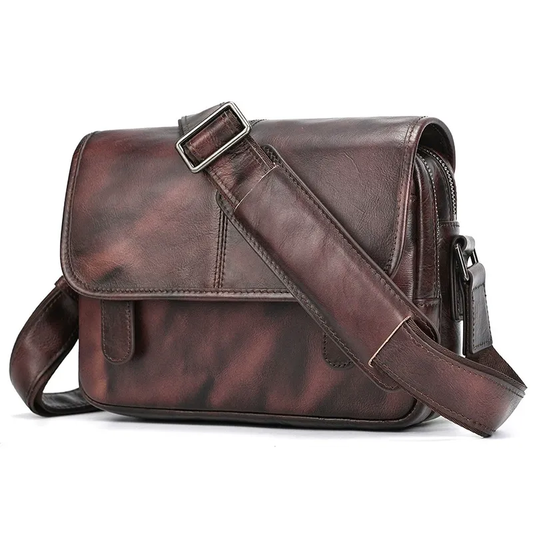
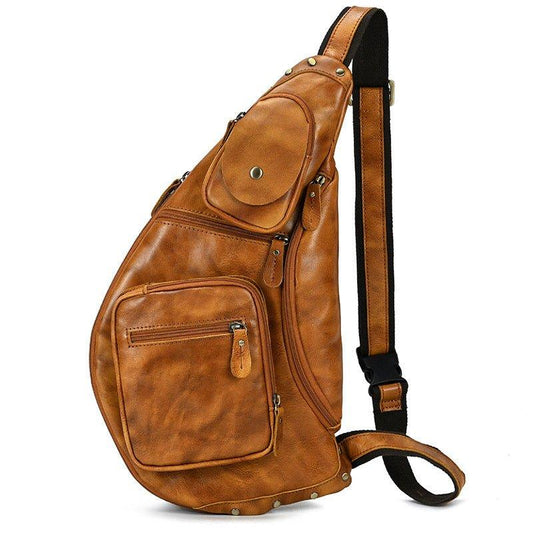
Inspect buckles, rings, clips, and strap anchors because these points receive repeated movement. Hardware should operate smoothly without sharp edges that catch clothing. The strap should be wide enough for the expected load and adjustable without slipping during a commute.
Try the bag crossbody and on one shoulder. Walk, sit, reach for a transit card, and place the bag under a seat. If the strap twists or the bag swings into the hip, adjust the length or reconsider the size before adding more items.
Organization and device protection
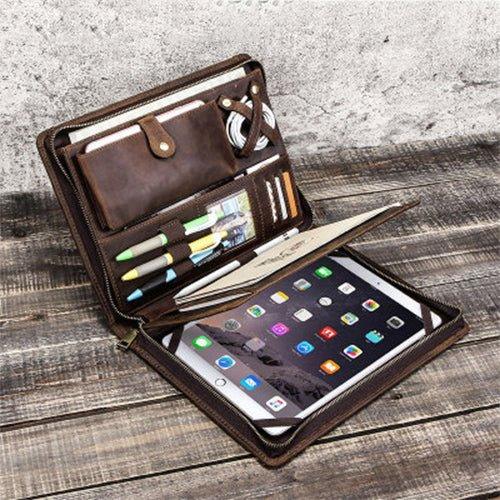
A messenger bag needs a clear main zone plus smaller areas for cables, pens, cards, and keys. Keep the laptop away from hardware and put dense items toward the body. A sleeve should fit the actual computer rather than a generic screen-size number.
Think about access while moving. A front pocket can hold items needed frequently, while documents and the device should remain in a protected central compartment. Too many open pockets can make the bag harder to secure in crowded places.
Flap, closure, and weather behavior
A flap can protect the opening and add character, but its closure should remain secure when the bag is full. Test magnets, buckles, snaps, or zippers with one hand. The top should not gape when the bag is set down or swung around the body.
In rain, keep electronics in an inner sleeve and avoid leaving the bag open on a wet platform. Dry the leather naturally and inspect the lining if moisture enters. A messenger bag is most reliable when the closure and packing system work together.
Professional proportion and comfort
The bag should complement the work environment without making the shoulder compensate for a heavy load. Compare empty weight, handle drop, strap padding, and the position of the base against the hip. A leather messenger can be substantial before the work kit is added.
Keep the load controlled and remove items that do not belong to the day. If the commute involves long walking, distribute weight with a wider strap or alternate sides when practical. Style is useful only when the carry remains comfortable.
Messenger bag decision checklist
- Measure the complete work load and laptop with its case.
- Inspect leather surface, edges, lining, stitching, and hardware.
- Test the strap crossbody, on one shoulder, seated, and walking.
- Keep devices and papers in protected central zones.
- Match closure, weather plan, and care routine to the commute.


A vintage messenger is most successful when its style supports a repeatable carry routine. Decide which items stay in the bag and which leave with you each evening. Keep the laptop sleeve clear, put the charger in a soft pouch, and reserve one small pocket for keys so they do not scratch the leather or disappear beneath papers. In wet weather, carry the bag under a coat or use an appropriate cover rather than leaving the flap open while searching. On crowded transport, rotate the bag toward the front and keep the closure secured. At home, empty receipts and food, brush away surface dirt, and store the messenger with the flap supported rather than sharply folded. These habits preserve the shape and make the next departure faster. When comparing products, choose the bag that keeps the work kit close, the strap stable, and the access pattern simple throughout the entire commute.
Before ordering, compare the bag with the coat, laptop sleeve, and shoes used on the real commute. A strap that is comfortable over a thin shirt may need more width or adjustment over heavier layers, and a flap that closes easily empty may become tight once documents are added.
Related Woosir resources
Use these related Woosir pages to compare current materials, dimensions, care details, and available variants before making a final decision.