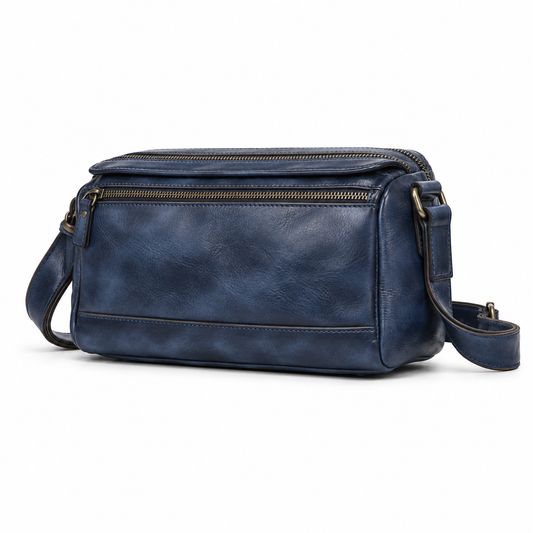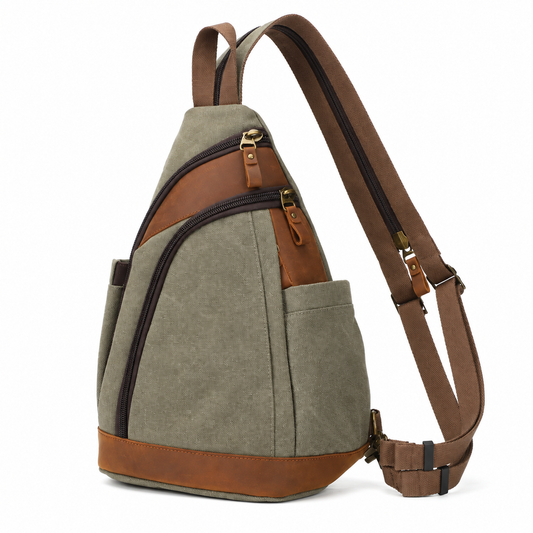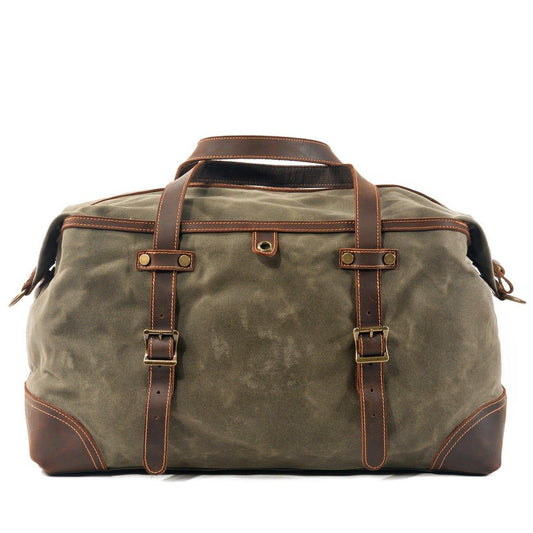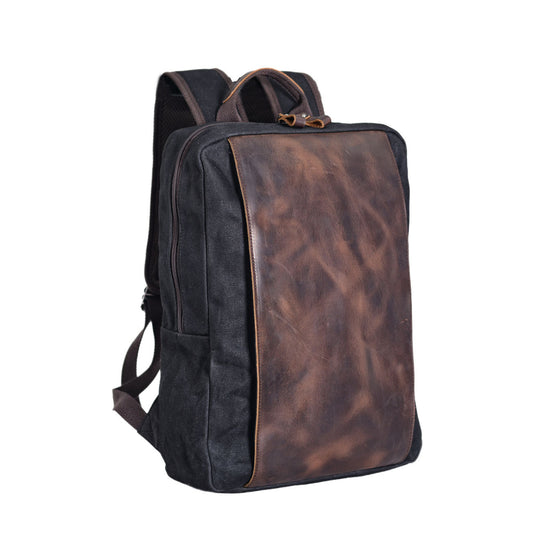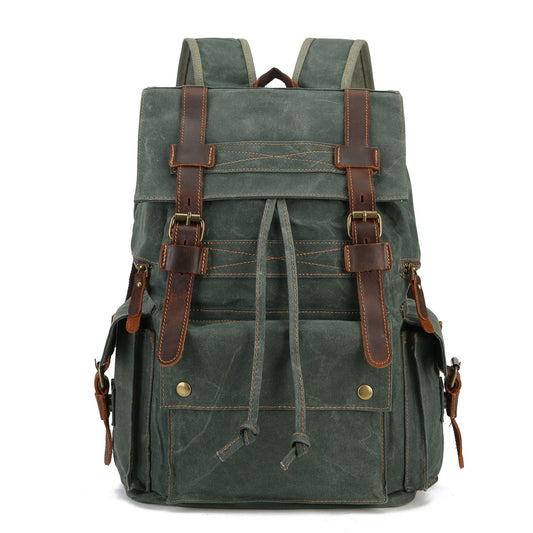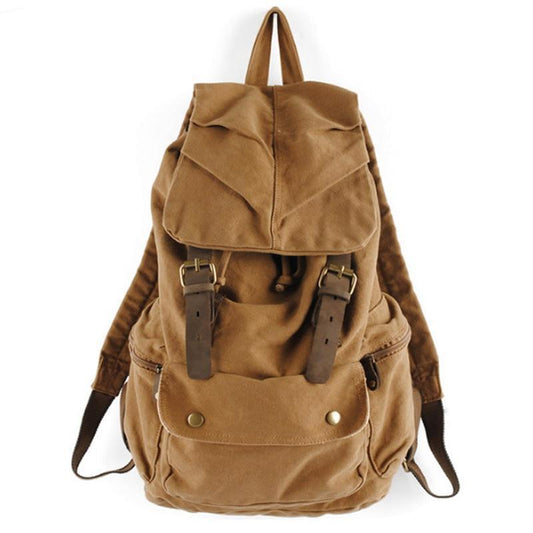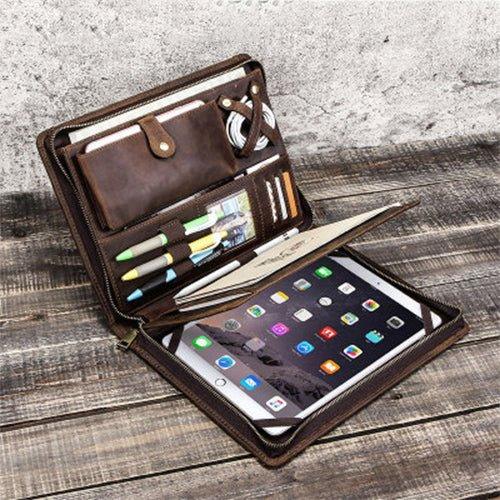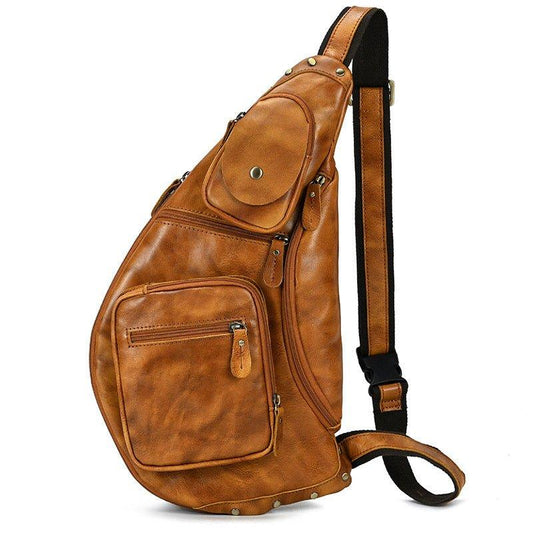
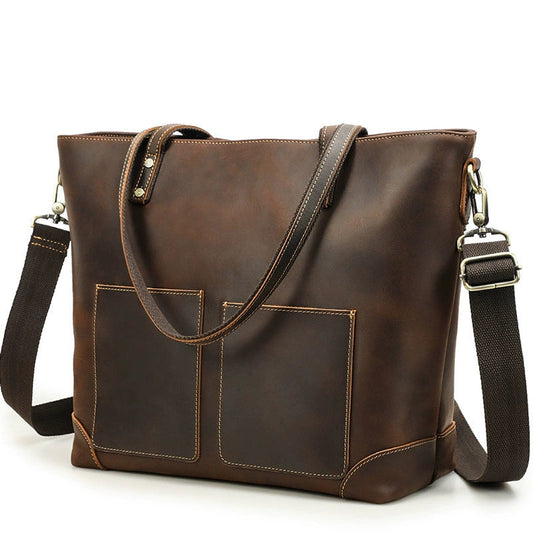
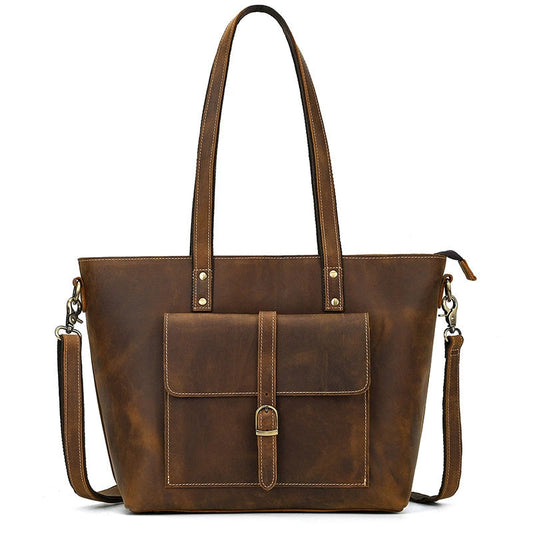
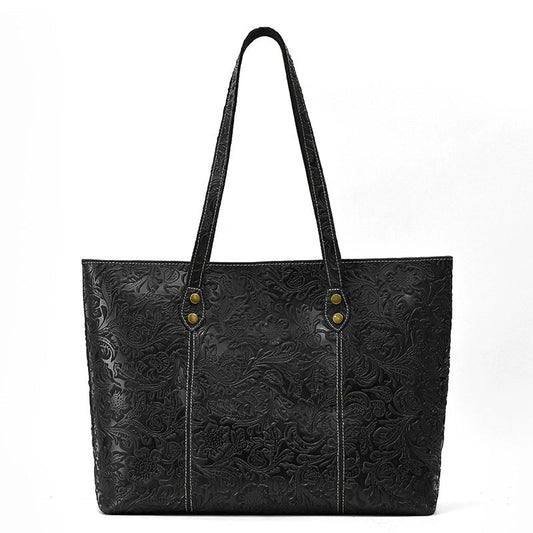
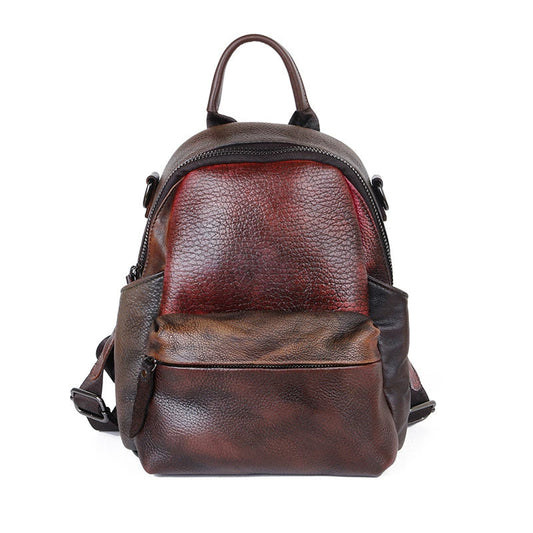

Vintage Leather Briefcases: Style Guide for Modern Professionals in 2026

A vintage leather briefcase can make professional travel feel more deliberate, but style alone does not tell you whether the bag will protect a laptop, organize documents, or remain comfortable during a long commute. The strongest choices combine a recognizable silhouette with construction that supports modern work.
This guide compares briefcase proportions, leather appearance, laptop protection, handle and shoulder options, interior layout, hardware, and care. Use the live Woosir briefcase pages to confirm current dimensions, materials, and available variants before ordering.
Define the professional role
Start with the workday the briefcase must support. A compact folio can be enough for a notebook, documents, and a tablet, while a larger work briefcase may need a laptop, charger, lunch, and an extra layer. A silhouette that looks elegant when empty can become uncomfortable if it is routinely overfilled.
Consider the settings as well as the load. A formal office may favor a structured profile and restrained hardware, while a creative studio or hybrid commute may suit softer leather and quicker access. Style is most useful when it reinforces how the bag will actually be used.
Judge leather by more than color
Leather grain, thickness, edge finishing, and panel construction affect how the briefcase ages. A natural surface may show variation and develop patina, while a more uniform finish can offer a cleaner appearance. Neither is automatically better; the relevant question is whether the leather suits the amount of handling, rain, and daily friction it will receive.
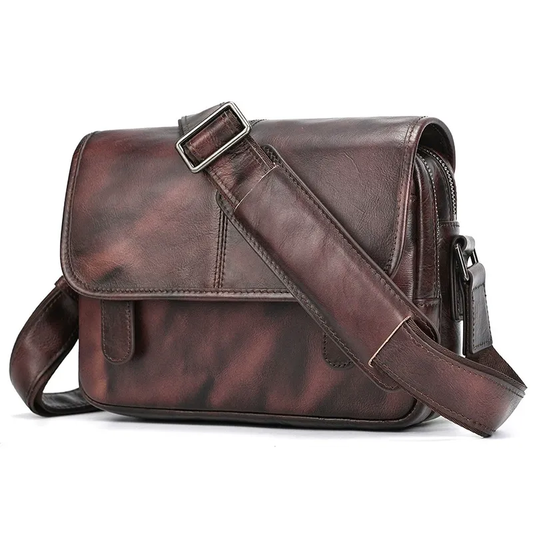
Look closely at corners, flap edges, handles, and strap anchors. These areas reveal whether the briefcase is built for repeated loading. A handsome front panel cannot compensate for weak stitching or hardware that twists when the bag is full. Product photographs should be followed by the live construction details.
Protect the laptop and documents
A briefcase should separate a laptop from keys, chargers, and other hard objects. Check the sleeve dimensions rather than assuming a named device size will fit every model. If the sleeve is not padded, add a protective case and keep the device close to a supported wall of the bag.
Documents should remain flat without forcing the flap or zipper. Use a thin folder for loose papers and reserve smaller pockets for pens, cards, and cables. Organization reduces the temptation to pack everything into the main cavity, which helps preserve both the briefcase shape and the wear pattern of the leather.
Choose the right carry system
Top handles create a classic briefcase posture and are convenient for short transfers. A shoulder strap is valuable for stairs, public transport, and hands-free movement, but it should attach to reinforced hardware and adjust without digging into the shoulder. Test the bag with the laptop and papers inside, not empty.
A trolley sleeve can help during airport travel, while a slim profile can make crowded commuting easier. If the briefcase is too deep, it may swing into the body; if it is too rigid, it may be awkward under a seat. Carry comfort is part of professional style because a bag that is easy to use is more likely to remain presentable.
Match hardware to the visual language
Buckles, locks, rings, and zipper pulls should look intentional and move smoothly. Brass-toned hardware can complement warm brown leather, while dark hardware may create a quieter modern effect. Inspect the attachment points because decorative hardware still carries force when the bag is lifted or placed down.
Avoid treating every mark as a flaw. Leather will show contact and gradual patina, but cracks, loose edges, and distorted seams indicate a care or construction problem. The goal is a briefcase that becomes more personal with use while continuing to close, stand, and carry the daily load reliably.
Care for a working briefcase
Empty the briefcase regularly, brush away grit, and wipe small marks with a soft cloth. If the leather becomes wet, remove the contents and let it dry naturally away from direct heat. Test any conditioner on a hidden area and apply it sparingly; over-conditioning can darken or soften a structured briefcase.
Store it upright or lightly supported so the panels do not collapse. Keep sharp objects in a pouch, avoid sealing damp leather in plastic, and check the base and handle stitching before a business trip. Small maintenance steps protect the appearance without turning the briefcase into a display object that cannot be used.
Style checklist for modern professionals
- Choose a proportion that fits the real laptop and document load.
- Compare leather grain, panel thickness, edge finishing, and stress-point stitching.
- Test handles and shoulder strap with the packed bag.
- Keep technology separated from keys and chargers.
- Match hardware and color to the professional settings where the briefcase will appear.


Make the briefcase work beyond the meeting room
Professional travel includes more than a desk. The briefcase may sit under a train seat, rest on a café floor, or move through an airport security line. A protected base, stable shape, and quick-access pocket reduce friction in those transitions. If the bag must be placed down often, choose materials and hardware that can be wiped and inspected easily.
A modern professional style guide should also account for personal scale. A large briefcase can overwhelm a smaller frame when empty and become heavy when full. A compact profile may look more intentional if the workday load is controlled. Match the proportions to the person, the device, and the environments where the bag will appear.
Related Woosir resources
Use these related Woosir collection and product pages to compare current materials, dimensions, care details, and available variants before making a final decision.