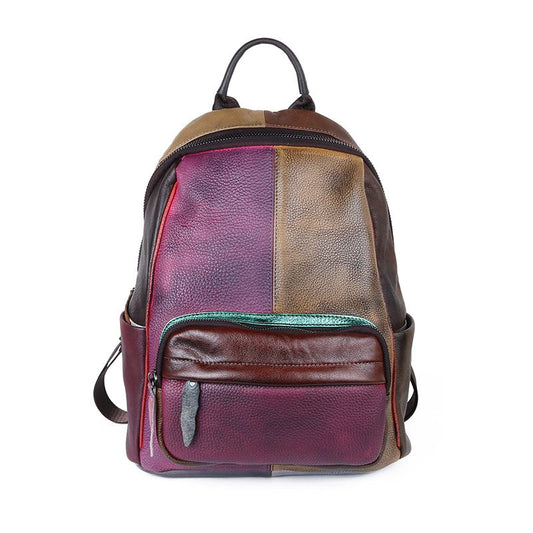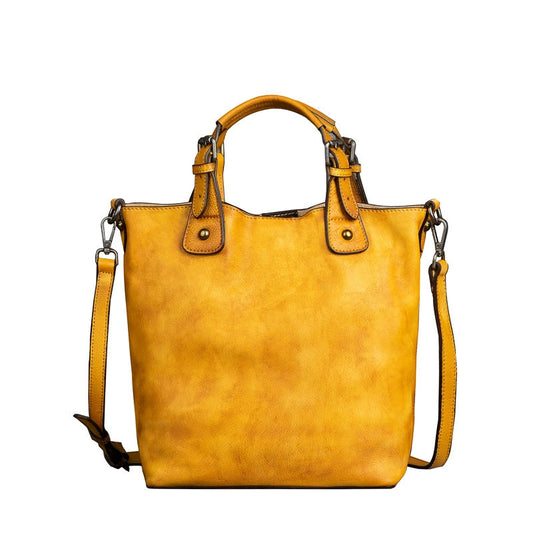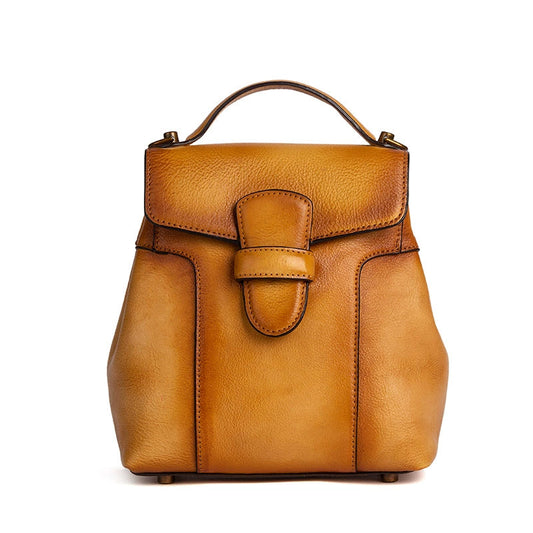
Vintage Leather Briefcase Styles: Folio vs Attaché 2026 – Woosir Skip to content

10% OFF on Your First Order, coupon code: WS10

Vintage Leather Briefcase Styles: Folio vs Attaché 2026

by Woosir Editorial Team 01 Sep 2026 0 comments
Professional holding a classic leather briefcase in a blue blazer

The Three Classic Vintage Leather Briefcase Silhouettes

A vintage leather briefcase is more than a carryall for a laptop; it is a daily signal of how you work. Before you buy, understand the three silhouettes that define the category, because each solves a different problem for modern professionals. The right shape depends less on fashion and more on what you actually carry between home, office, and the occasional international trip across Europe, Asia, or the Americas. Choosing well means the bag disappears into your routine instead of fighting it.

Stack of vintage brown leather briefcases and bags on display

The folio

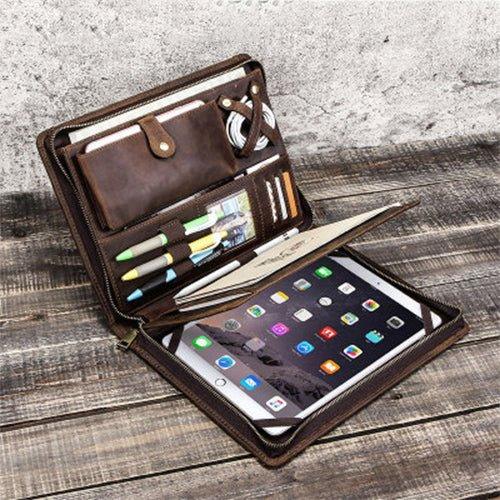
The folio is the slimmest option: a flat, envelope-like case with a single main compartment and often a slim pocket for a notebook or tablet. It suits lawyers, consultants, and creatives who travel light and care about a clean line. A folio slides under an airplane seat and looks at home in a Tokyo boardroom or a Paris cafe. The trade-off is capacity: it holds documents and a slim device, not a full change of clothes or a bulky water bottle, so it is best for meetings rather than overnight trips.

The attaché

The attaché is the structured, often twin-compartment case with a center split and a top handle. It reads as the most formal and traditional of the three, favored by executives and anyone who wants an organized interior that holds its shape. Two compartments keep a tablet separate from papers, and the rigid frame protects fragile items like a pair of reading glasses or a delicate watch. It is heavier and boxier than a folio, which some find less comfortable on a long walk from a train station to a client site.

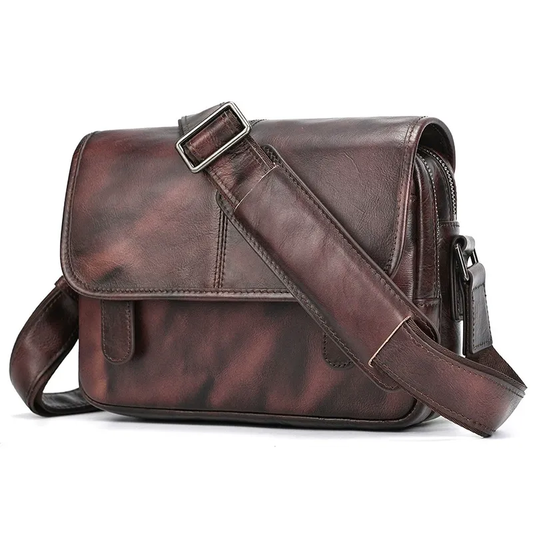
The messenger-style briefcase

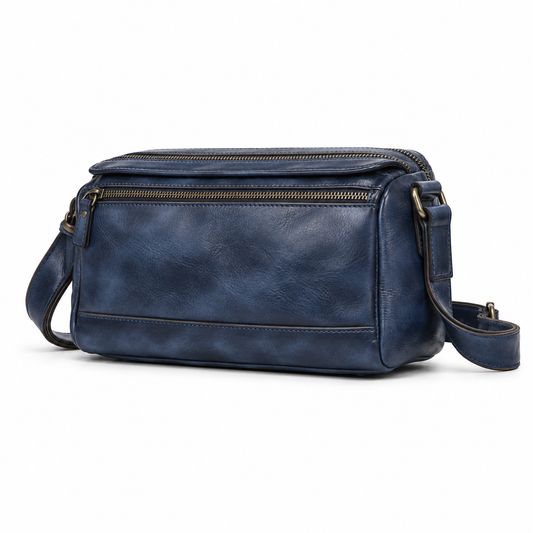
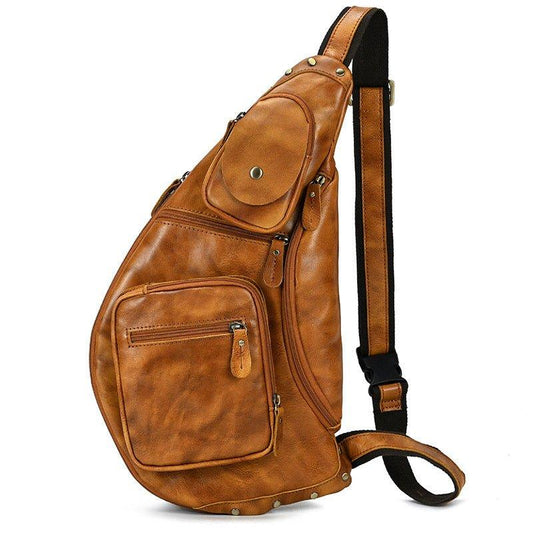
The messenger briefcase swaps the top handle for a long shoulder strap worn across the body. It is the most casual and the easiest to carry while biking or walking through a busy market in Mexico City or a rainy London commute. A good messenger briefcase still opens flat like a traditional case, so you do not lose the professional look when you set it on a desk. The crossbody design also keeps your hands free and the bag in front of you, which helps in crowded transit where pickpockets operate.

How to Choose the Right Vintage Leather Briefcase for Your Work

The best way to pick a vintage leather briefcase is to match the silhouette to your actual routine. Think about your commute, your typical load, and how often you travel, then let the answers narrow the field so you are not paying for capacity or formality you will never use.

Match it to your profession

Client-facing roles that prize tradition, such as law, finance, and senior management, lean toward the attaché or a structured folio. Creative and tech professionals who move between meetings and co-working spaces often prefer the messenger style for hands-free comfort during a busy day. If you teach, lecture, or present frequently, a folio keeps you uncluttered at the podium and easy to set down between sessions.

Match it to your commute

Long walks, bike rides, or crowded transit favor the crossbody messenger, which spares your shoulder and keeps the bag secure. Short walks from car to office suit a top-handle folio or attaché just fine. If you fly often, measure your bag against the personal-item limit of your usual airlines so it fits under the seat instead of forcing you to gate-check a roller.

Leather Types and What They Tell You

The leather grade is the single biggest driver of price, durability, and how the bag ages over a decade of use. Full-grain leather keeps the top layer of the hide with its natural grain, so it resists moisture and develops a rich patina that tells the story of your career. Top-grain leather is sanded and slightly thinner, still durable and a bit lighter, which some prefer for a less rustic look. "Genuine leather" is a catch-all for lower splits that wear faster and crease sharply. Bonded leather is scraps glued together and should be avoided for a daily briefcase you intend to keep. For a bag carried every weekday, full-grain is worth the premium.

Hardware, Closures, and Interior Organization

Details decide whether a beautiful bag is also a practical one. Solid brass or stainless hardware resists corrosion from humid Asian summers and salty coastal air better than cheap plating that flakes within a year. A reliable zipper or a leather strap with a brass clasp should close with a confident feel, not a struggle that worries you on a busy platform. Inside, look for a padded laptop sleeve, at least one zip pocket for cables and passport, and open slots for a notebook and pen. A luggage pass-through on the back is a quiet win for anyone who flies with a roller bag and wants the briefcase to ride on top.

Vintage Leather Briefcase Comparison

Use this table to compare the three silhouettes at a glance before you commit, because the differences are easier to feel side by side than to imagine in isolation.

Feature Folio Attaché Messenger
Formality Clean, modern Most formal Casual-professional
Carry style Top handle Top handle Crossbody strap
Capacity Low Medium Medium to high
Best for Light travel Executives Commuters
Comfort walking Moderate Low High

Matching Your Vintage Leather Briefcase to the Region

If your work takes you abroad, a few regional realities matter more than you might expect. In European cities with cobbled streets and long walks from the metro, the crossbody messenger saves your shoulder and keeps the bag in front of you on crowded trams. In Asian business hubs where humidity runs high, full-grain leather and brass hardware resist the climate better than delicate finishes that spot or tarnish. Across the Americas, from New York to São Paulo, a structured attaché reads as sharp in formal meetings, while a folio keeps you light on a quick trip. Choose a neutral brown or black that blends in anywhere and pairs with both a suit and smart casual.

Care and Patina: Making It Last a Decade

A vintage leather briefcase rewards small habits with a long life. Wipe it with a dry or slightly damp cloth after dusty trips, and condition the leather every three to six months with a quality cream to prevent cracking and keep it supple. Store it stuffed with tissue so it holds its shape, away from direct sun that can fade the color unevenly. Minor scuffs on full-grain leather often become part of the patina that makes the bag yours; deeper scratches can be treated with a matching balm. With basic care, a good briefcase easily outlasts a decade of daily use and can be reconditioned rather than replaced.

Sizing and Capacity Guide for a Vintage Leather Briefcase

Capacity should follow your daily load, not your ambition. A 13- to 14-inch laptop needs roughly a 14- to 16-inch interior, while a 15- to 16-inch laptop needs a 16- to 17-inch case, so always measure the device before trusting a label. Folios suit a tablet and a few documents; attachés and messengers handle a full laptop plus chargers, a notebook, and a small pouch. If you regularly carry a water bottle or a packed lunch, choose a messenger with an exterior pocket rather than forcing it inside a slim folio.

Device Minimum interior Best silhouette
Tablet only 11-13 in Folio
13-14 in laptop 14-16 in Folio or attaché
15-16 in laptop 16-17 in Attaché or messenger

How to Spot a Quality Vintage Leather Briefcase

Quality hides in the details most listings photograph badly. Run your finger along the edge finishing: a quality bag has painted or burnished edges that feel smooth, not raw and fuzzy. Check the stitching for even, tight spacing rather than long loose loops that snag. Lift the bag by the handle to confirm the attachment is reinforced with rivets or a leather gusset, because that joint takes the most stress. Smell the leather; real full-grain has a natural, earthy scent, while bonded or heavily coated leather smells of plastic or glue. Finally, flex the leather gently to feel for supple strength rather than a stiff, cardboard-like panel.

Common Mistakes to Avoid

Buyers make predictable errors that cost them later. Choosing by brand alone ignores whether the silhouette fits the commute. Buying a bag too large for daily use means it stays half empty and looks sloppy. Skipping brass or stainless hardware invites corrosion in humid climates. Overlooking the laptop sleeve leaves a device bouncing against hard objects. And neglecting conditioning in the first year lets the leather dry before its patina ever develops. A few minutes of inspection prevents years of regret.

  • Match the silhouette to how you actually travel.
  • Verify the laptop sleeve before you commit.
  • Insist on full-grain leather for daily carry.
  • Plan a conditioning routine from month one.

Professional Etiquette and Travel Security

How you carry the bag matters as much as which one you buy. In formal settings, set the briefcase on the floor beside your chair or on a stand, never on a meeting table where it can drop crumbs or scratch a polished surface. When walking, keep a top-handle bag in your hand rather than dragging it, which scuffs the bottom and looks careless. For travel security, wear a messenger crossbody in front of you in crowded airports and train stations, and keep the main compartment zipped toward your body. Use the interior zip for your passport and a slim card case, and consider a decoy wallet with a little local cash for busy markets in Asia or Latin America. These small habits keep both the bag and its contents safe through years of international work.

  • Set the bag on a stand, not the meeting table.
  • Carry crossbody in front through transit hubs.
  • Keep documents in the interior zip pocket.
  • Use a decoy wallet in busy open-air markets.

Your Vintage Leather Briefcase Buying Checklist

Before you check out, run through a short checklist so the bag earns its place in your routine. Confirm the leather is full- or top-grain and not merely labeled "genuine." Verify the laptop sleeve matches your device size with room to spare. Check that the hardware is brass or stainless, not painted pot metal that will flake. Make sure the closure feels secure with one hand. Confirm at least two internal pockets for organization, plus a luggage pass-through if you fly. Finally, picture your typical Tuesday: if the silhouette fits that day, it will fit the rest. A bag that matches your real week will be carried for years; one chosen for a fantasy trip will sit in a closet.

  • Full- or top-grain leather, not bonded.
  • Sleeve sized for your actual laptop.
  • Brass or stainless, riveted stress points.
  • Two-plus pockets plus a pass-through.
  • Silhouette matches your ordinary week.

Breaking In Your New Vintage Leather Briefcase

A new full-grain bag feels a little stiff at first, and that is completely normal rather than a defect. During the first two weeks, carry it daily with a realistic load so the leather softens to your habits and the straps relax into a comfortable shape. Condition it once near the start if the surface looks dry, then settle into the regular three-to-six-month cadence. Avoid overstuffing during the break-in period, because stretching the panels too fast can leave a permanent warp that no amount of later care will fix. Wipe away rain promptly and let the bag dry naturally away from heat, and a pleasing patina will begin within a month of regular use.

  • Carry it daily through the first two weeks.
  • Condition once early if the leather looks dry.
  • Avoid overstuffing while the panels are new.
  • Treat early scuffs as character, not damage.

Frequently Asked Questions

What is the difference between a folio and an attaché?

A folio is a flat, single-compartment case carried by a top handle, best for light loads and a clean look. An attaché is a structured, often twin-compartment case with a center split, built for executives who need organized capacity and a formal appearance in the boardroom.

Is a messenger-style briefcase professional enough for meetings?

Yes, when it is made from full-grain leather and opens flat like a traditional case. Worn across the body it reads casual on the move, but set on a desk it presents cleanly in most modern workplaces and client settings.

Which leather is best for a daily briefcase?

Full-grain leather is the best choice for daily use: it is the most durable, resists moisture, and develops a patina that looks better with age. Top-grain is a lighter, still-solid alternative if you prefer a less rustic finish.

How do I keep the leather from cracking?

Condition it every three to six months, avoid leaving it in direct sun or a hot car, and store it stuffed so it keeps its shape. Dry, cracked leather is almost always the result of neglected moisture rather than normal wear.

Can a vintage leather briefcase work as a carry-on?

Most folios and slim messengers fit under an airline seat as a personal item, which keeps them with you through the trip. Check the dimensions against your usual carrier's limit, and choose a design with a luggage pass-through for roller-bag travel.

Conclusion: A Vintage Leather Briefcase Is a Long-Term Tool

A vintage leather briefcase is a long-term tool, not a seasonal accessory, and the silhouette you choose should follow your work rather than the trends. Pick a folio for light travel, an attaché for formal executive use, or a messenger for a comfortable commute, then invest in full-grain leather and solid brass hardware that will age gracefully from Europe to Asia to the Americas. Explore our briefcases and genuine leather briefcases to find the case that fits your career, and carry something built to last a decade of meetings and journeys alike.

New Arrival

Best Sellers

Close
Edit Option
Close
Notify Me
Close
Login Close
My Cart (0) Close