
Travel Duffle Bag vs Carry-On: How to Choose the Right One for Your 2026 Trip

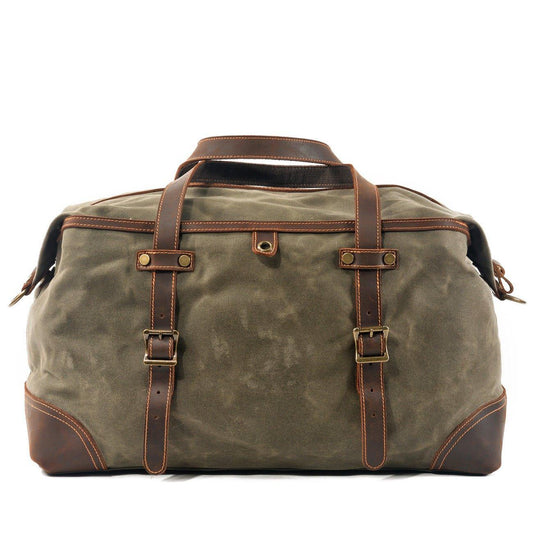
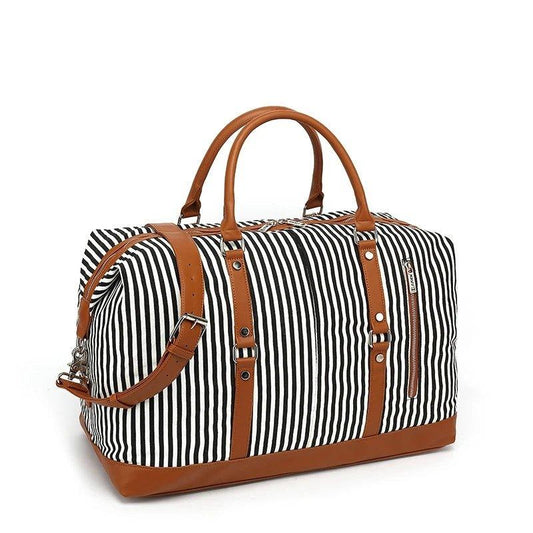
A travel duffle and a carry-on suitcase can hold a similar amount, but they distribute effort and protect contents differently. The duffle is flexible, easy to place in unusual spaces, and often lighter in structure. The suitcase rolls smoothly and protects clothing through a more controlled shell or frame. The best choice follows the route.
This 2026 comparison covers capacity, packing, airport transfers, device protection, weather, and storage. Check current airline dimensions and product details before choosing either format.
Map the route first
Count stairs, long corridors, uneven sidewalks, car trunks, train platforms, and overhead lifts. A suitcase is valuable when smooth rolling dominates, while a duffle may be easier when the route includes stairs, narrow spaces, or frequent hand lifting.
The destination matters too. A hotel room with limited floor space may favor a soft bag that can be placed on a bench, while a longer stay or fragile contents may benefit from the structure of a case.
Compare capacity and packed shape
A duffle can expand around soft clothing, but it can become difficult to search and easy to overfill. A carry-on suitcase keeps a more predictable footprint, yet wheels and frame consume some space. Compare the packed exterior, not just the stated volume.
Leave flexibility for gate checks, changes in clothing, and the need to lift the bag. A format that is technically large enough can still be impractical if it becomes too heavy or awkward when full.
Organize the interior
Use cubes, pouches, and a shoe bag in a duffle to create structure. A suitcase may already have compression panels or divided halves, but those features should still follow the actual packing list. Keep documents, medication, and a power pouch reachable.
Place shoes and dense items low or near the case wheels, and keep delicate clothing away from hard hardware. In either format, one clear packing map is easier to maintain than a collection of random pockets.
Carry comfort versus rolling ease
A duffle asks the hands or shoulder to carry the load, so empty weight and strap width matter. A suitcase transfers effort to wheels but must be lifted over curbs, stairs, and into bins. Test both with the complete packed load.
Check the duffle handles, shoulder strap, suitcase handle, and wheel alignment. The secondary carry mode can matter when the main mode fails, but it should not make the dominant mode uncomfortable.
Devices, documents, and weather
Use an inner sleeve for electronics in a duffle and keep documents away from the outer wall. A suitcase can provide more structure, but an open zipper or wet exterior still requires inner protection. Keep liquids sealed and separate from clothing.
Consider the transfer from curb to terminal. Rain covers, inner pouches, and closed openings protect both formats. No material is a substitute for sensible packing when weather is uncertain.
Airline and storage considerations
Check the current airline rule for the booked carrier and fare. A soft duffle can flex within limits but may bulge through an outer pocket, while a suitcase has a fixed shell and wheel footprint. Measure after packing.
Between trips, a suitcase needs storage for its rigid shape and wheels, while a duffle may compress but should not be folded damp or sharply across a harness. Choose the format that will be stored safely and used often.
Duffle versus carry-on checklist
- Map the route's stairs, surfaces, lifts, and rolling distance.
- Compare packed exterior, empty weight, and usable capacity.
- Create zones for clothing, shoes, devices, documents, and liquids.
- Test handles, straps, wheels, and lift points with the real load.
- Confirm current airline rules and storage requirements.


The final choice should be tested at the most demanding transfer, not only at home. Lift the full bag, walk ten minutes, place it under a seat or roll it over a curb, and check whether the contents remain controlled. The format that reduces effort on the dominant part of the trip is the better travel tool.
Compare the two formats using the route, not only the packing list. A duffle can compress into a car trunk and fit beside a seat, but a full soft bag may be harder to carry through a terminal or search at a hotel. A carry-on case rolls efficiently on smooth floors and protects a rectangular load, yet stairs, cobblestones, and a crowded overhead bin require lifting. Put the same clothing, shoes, toiletries, and device pouch into each option, then weigh and measure the packed result. Check access to documents, the stability of the packed shape, handle comfort, wheel clearance, and the amount of space left for a flexible final layer. If the airline or route changes, recheck the current size rule and plan for a gate check. The best choice is the one that stays manageable when the journey is inconvenient.
Finally, consider how quickly you need to change modes. A carry-on is convenient when the route is mostly smooth and rolling, while a duffle may move more naturally from trunk to hotel room or from a vehicle to a narrow cabin. If both modes appear equally suitable, choose based on the bag that is easier to lift, store, and access when tired. Travel equipment earns its value when it reduces decisions during the inconvenient parts of the trip.
Related Woosir resources
Use these related Woosir pages to compare current materials, dimensions, care details, and available variants before making a final decision.