
Travel Duffle Bag Materials Compared: Canvas vs Leather vs Nylon in 2026

Choosing between canvas, leather, and nylon for a travel duffle is less about which material sounds toughest and more about how the bag will be carried, stored, and exposed to weather. Each option changes the empty weight, the way the opening holds its shape, the maintenance routine, and the look the bag develops over time.
This 2026 comparison gives travelers a practical way to match material to route. A weekend by car, a long airport transfer, and a damp outdoor trip place different demands on the same duffle. Confirm current dimensions, construction, and care instructions on the live Woosir product page before ordering.
Start with the route, not the fabric label
Write down the surfaces, transfers, and storage conditions that define the trip. A duffle that moves from a dry car trunk to a hotel room can prioritize structure and style. One that crosses wet platforms or is placed on a campsite floor needs easier cleaning, better weather planning, and a base that can tolerate contact with grit.
Also consider how often the bag will be lifted. A material that feels reassuring in a showroom may become tiring after a full day if the empty bag is already heavy. Compare empty weight, packed weight, and the distance between transfers before making the material decision.
Canvas: character with practical trade-offs
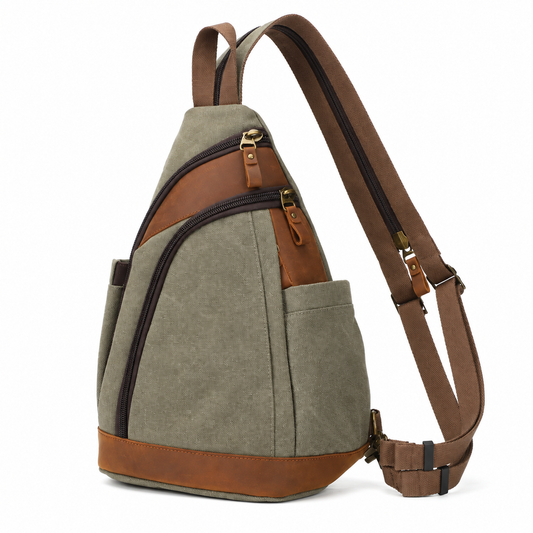
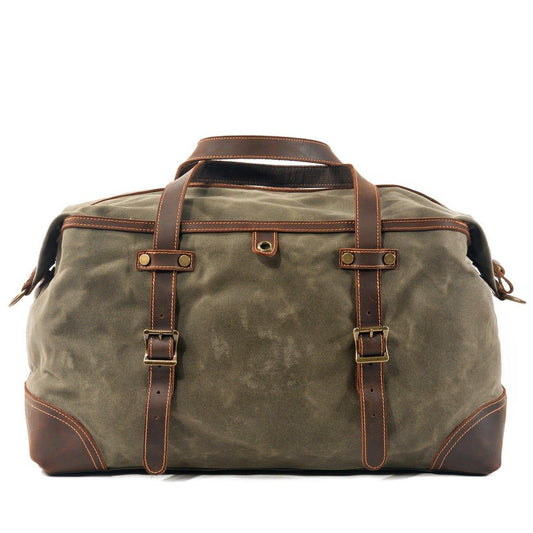
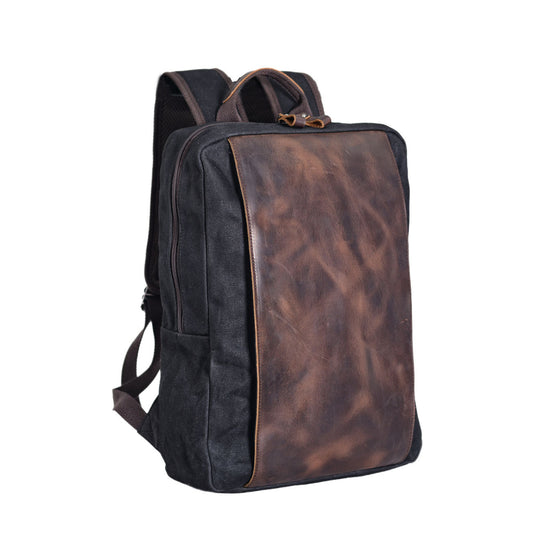
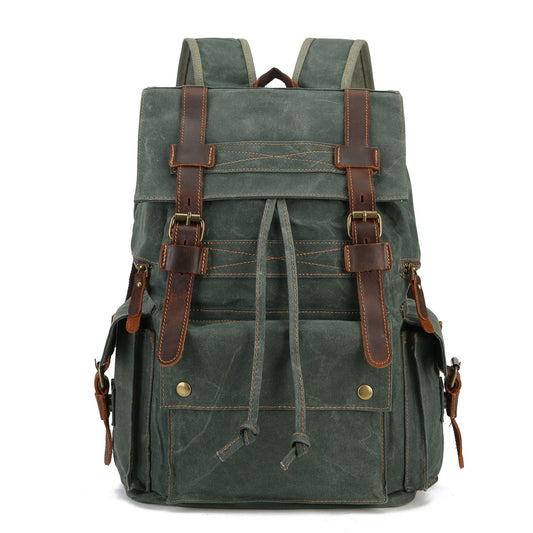
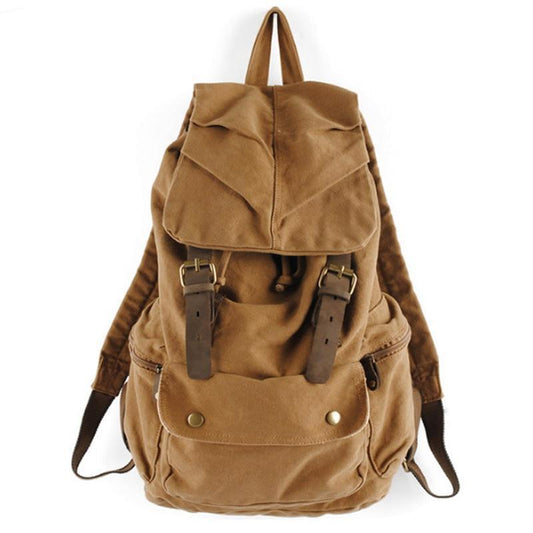
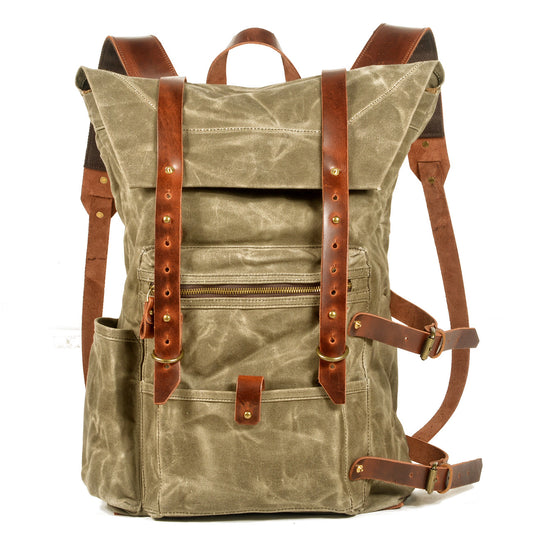
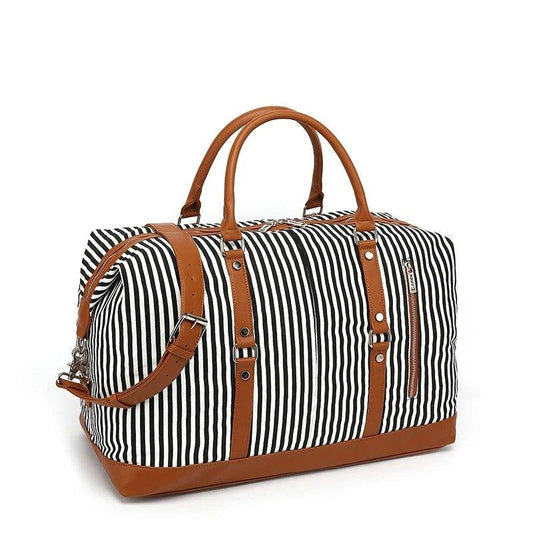
Canvas offers a familiar balance of flexibility, texture, and everyday durability. It can be easier to fold than a structured leather duffle and often suits travelers who want the bag to soften naturally. Waxed or treated canvas may shed light moisture, but the finish does not make the interior permanently waterproof.
The main questions are weave density, seam construction, lining, and base reinforcement. Dirt can usually be brushed away, while deep stains may need careful spot cleaning. Let damp canvas dry with the zippers open and avoid storing it compressed while moisture remains in the fibers.
Leather: structure, weight, and aging
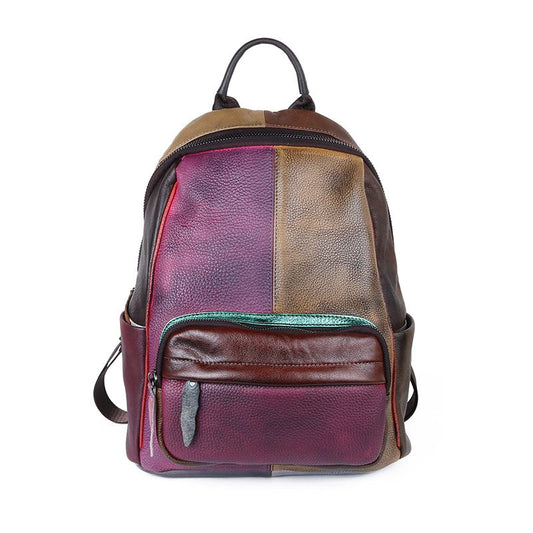
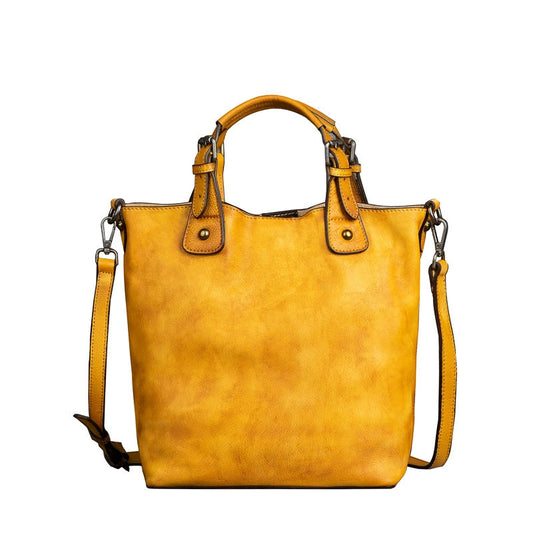
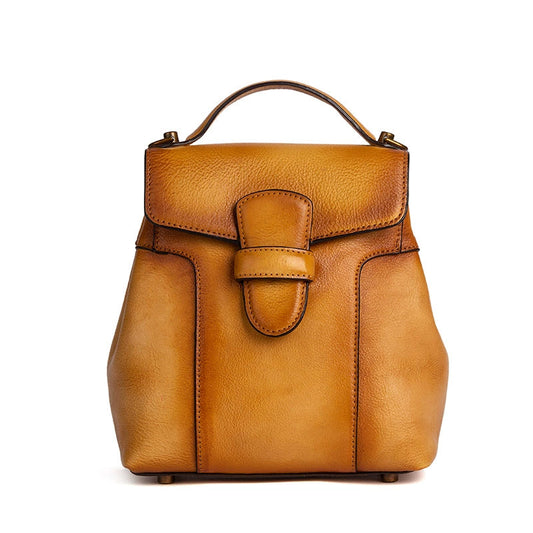
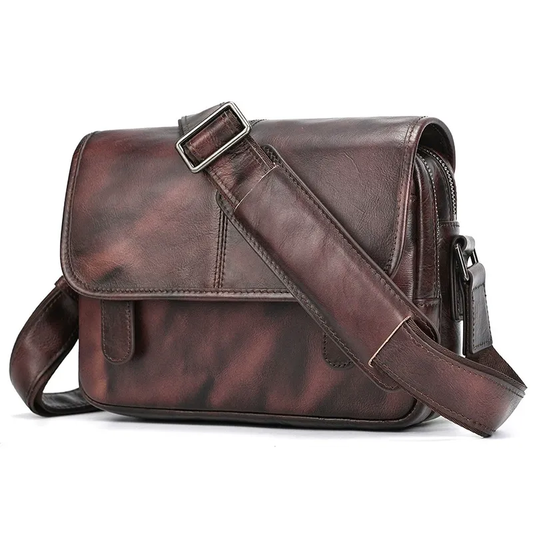
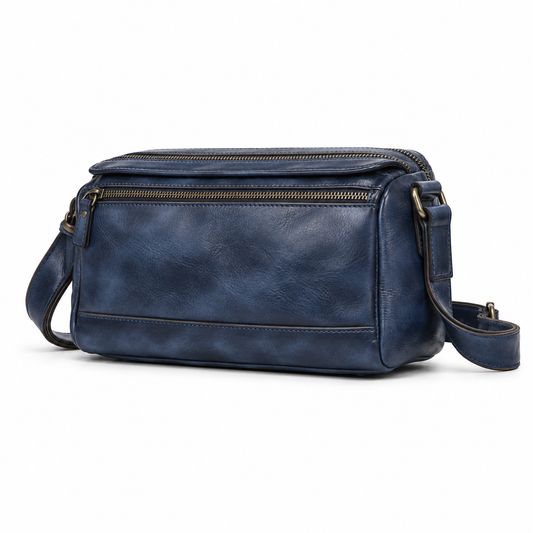
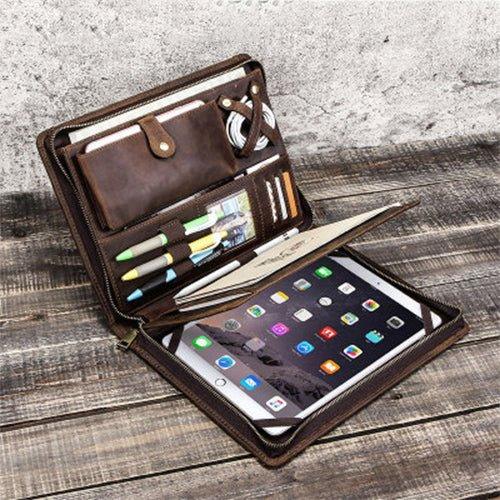
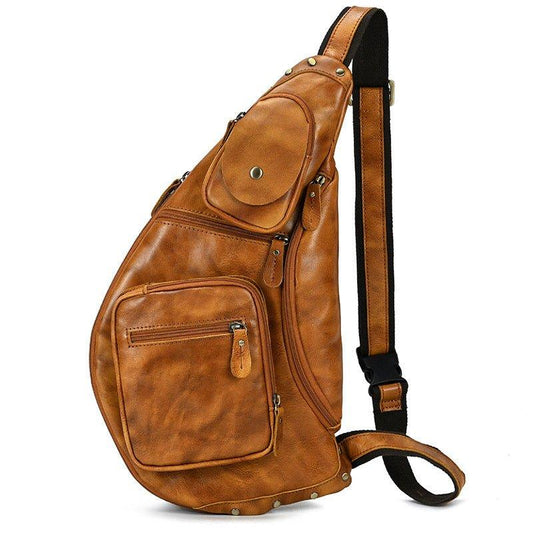
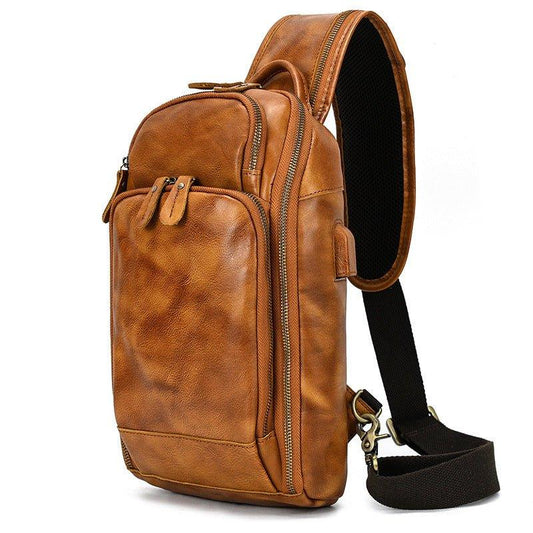
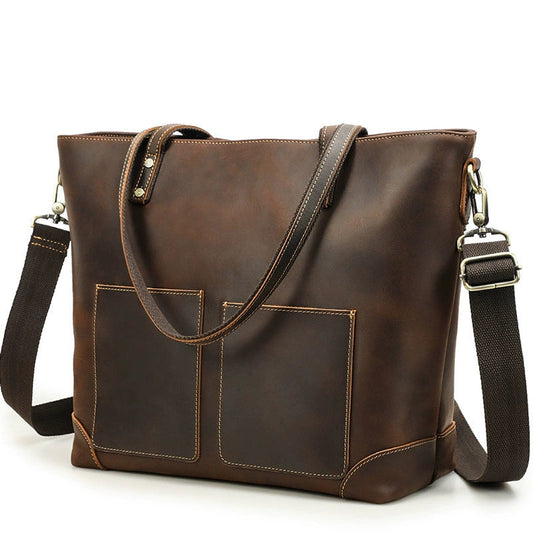
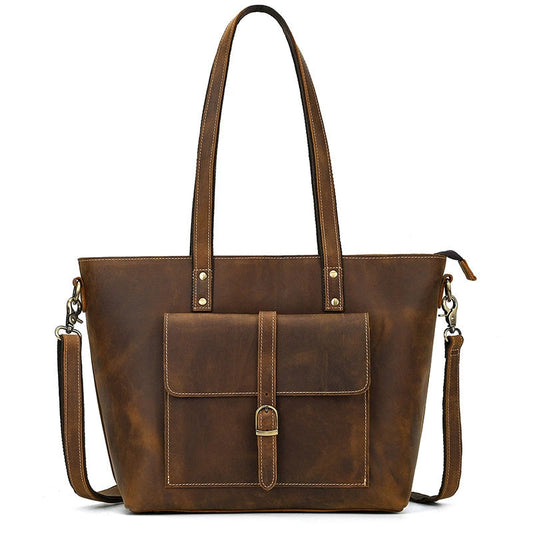
Leather can hold a duffle's shape and gives a travel bag a refined appearance that develops patina through use. It is useful when the bag moves between work, hotel, and weekend settings. The trade-off is greater empty weight and a more deliberate care routine, especially in humid or rainy conditions.
Look beyond the word leather. Thickness, grain, edge finishing, stitching, hardware, and the quality of the lining affect the result. Keep leather away from prolonged soaking, blot moisture instead of rubbing, and use only the conditioner recommended for the finish. A structured leather base should still be protected from rough floors.
Nylon: lightness and easy travel handling
Nylon is often the practical choice when low weight, quick drying, and easy wiping matter most. It can work well for frequent flights, gym-to-office routines, and travelers who prefer a bag that can be packed into another piece of luggage. Denier alone does not describe the full construction.
Inspect the weave, coating, zipper quality, handle anchors, and the way the fabric is supported around the base. A light nylon bag can still fail if the load hangs from weak webbing or if the zipper is forced around an overfilled corner. Use an inner pouch for liquids and sharp objects even when the outer fabric is easy to clean.
Weather behavior and drying time
Material choice changes how a wet journey should be managed. Canvas and leather can retain moisture longer than thin synthetic fabric, while coated nylon may bead rain but still allow water through an open zipper or a seam under pressure. Treat the material as one part of a system that includes packing pouches and an appropriate cover.
After rain, empty the bag, open every compartment, and dry it at room temperature. High heat can stiffen leather, distort coatings, or weaken adhesives. A bag that dries completely between trips is more reliable than one that depends on a broad weather claim.
Structure, access, and packing behavior
Leather usually gives the opening and base more structure, while canvas and nylon can adapt to irregular loads. That flexibility is useful for clothing but can make small items disappear. Check whether the bag has a stable base, useful end pockets, and an opening that remains accessible when it is half full.
Pack dense items low and toward the center, place shoes in a washable pouch, and reserve a reachable zone for travel documents. The best material cannot compensate for a duffle that becomes unbalanced because the packing layout has no clear zones.
Care, cost, and long-term value
Long-term value includes the time and products needed to maintain the bag. Canvas may need brushing and spot care, leather may need conditioning and controlled storage, and nylon may need only wiping and drying. Choose the routine you will actually follow rather than the one that sounds ideal.
Price should be weighed against frequency of use and the cost of replacement. A lighter synthetic option can be the sensible choice for weekly flights, while a well-made leather or canvas duffle may earn its place through years of weekend use. Compare construction details, not only the material name.
Material decision checklist
- Match the material to the route, weather, and carrying distance.
- Compare empty weight and packed balance before capacity.
- Inspect seams, base reinforcement, handles, lining, and zippers.
- Plan an inner protection system for liquids and sensitive items.
- Choose the care routine you can maintain between trips.


A useful way to make the comparison concrete is to imagine the same trip in three versions. Canvas may be the comfortable middle ground for a weekend route with moderate weather and a preference for visible texture. Leather may suit a hotel-to-office weekend where structure and presentation matter. Nylon may be the easiest choice when the bag will be lifted repeatedly, cleaned quickly, or packed inside another suitcase. These are not fixed categories: a well-built canvas bag can travel frequently, and a carefully maintained leather bag can serve for years. The deciding evidence is the complete construction and the effort required on the route. Before ordering, compare the live page's dimensions, empty weight, material description, and care guidance with your packing list. Then consider where the duffle will live between trips. A dry, ventilated storage space protects every material, while a damp trunk or compressed closet can shorten the life of even a strong bag.
Related Woosir resources
Use these related Woosir pages to compare current materials, dimensions, care details, and available variants before making a final decision.