
The Ultimate Switzerland Travel Guide 2026: Cities, Alps, and Hidden Gems

Switzerland packs more natural beauty, cultural diversity, and travel infrastructure into a compact territory than almost any country on Earth. This Switzerland travel guide covers everything you need to plan an unforgettable trip in 2026 — from the iconic peaks of Zermatt to the Mediterranean shores of Lugano, and from budget-saving strategies to the best bags for Alpine adventures.
Whether you're planning a week-long rail journey through the Alps or a quick city break in Zurich or Geneva, Switzerland rewards travelers who come prepared. Let this guide be your starting point.
When to Visit Switzerland in 2026
Switzerland is genuinely a year-round destination, but your experience varies dramatically by season. This Switzerland travel guide breaks down what each season offers:
Summer (June–September): Peak hiking season with all high-mountain trails open. Temperatures range from 20–28°C (68–82°F) in cities, cooler at altitude. July and August are busiest — book accommodations 3–6 months ahead. September offers golden light, fewer crowds, and still-reliable weather.
Winter (December–March): World-class skiing and snowboarding. Christmas markets in Zurich, Basel, and Montreux are magical. Expect temperatures from -2 to 5°C (28–41°F) in cities, colder in resorts.
Shoulder seasons (April–May, October–November): Lower prices and fewer tourists, but many mountain cable cars close for maintenance. May and October are wildcards — you might get perfect hiking weather or persistent rain.
| Season | Best For | Crowds | Budget Level |
|---|---|---|---|
| Summer (Jun–Sep) | Hiking, lakes, festivals | High | $$$ |
| Winter (Dec–Mar) | Skiing, Christmas markets | High (holidays) | $$$ |
| Spring (Apr–May) | Wildflowers, lower prices | Low–Medium | $$ |
| Autumn (Oct–Nov) | Fall colors, wine harvest | Low | $$ |
Top Destinations in Switzerland
Zermatt and the Matterhorn
No Switzerland travel guide is complete without Zermatt. This car-free village sits in the shadow of the iconic Matterhorn, offering year-round skiing on the glacier, spectacular hiking trails, and some of the finest dining in the Alps. The Gornergrat Railway provides panoramic views of 29 peaks over 4,000 meters. A return ticket costs 132 CHF, but Swiss Travel Pass holders get 50% off.
Lucerne (Luzern)
Lucerne might be Switzerland's most photogenic city. The medieval Chapel Bridge, the poignant Lion Monument, and the crystal-clear lake framed by Mount Pilatus and Rigi create postcard-perfect scenes at every turn. It's also the ideal base for day trips to Mount Titlis, Mount Rigi, and the Swiss Museum of Transport.
Interlaken and the Jungfrau Region
Nestled between Lake Thun and Lake Brienz, Interlaken is the adventure capital of Switzerland. Paragliding, skydiving, canyoning, and bungee jumping are all on offer. The train ride to Jungfraujoch — the "Top of Europe" at 3,454 meters — is one of the world's great railway journeys.
Geneva and Lausanne
The French-speaking region around Lake Geneva offers a different flavor of Switzerland: international organizations, vineyards, and a more relaxed pace. Visit the United Nations headquarters in Geneva, explore the Olympic Museum in Lausanne, and tour the Lavaux vineyard terraces (a UNESCO World Heritage site).
Ticino: Switzerland's Mediterranean Side
The Italian-speaking canton of Ticino surprises visitors with palm trees, piazzas, and a distinctly Mediterranean atmosphere. Lugano and Locarno offer lakeside promenades, while the valleys of Verzasca and Maggia hide some of Switzerland's most beautiful swimming spots.
Getting Around: The Swiss Travel System

Switzerland's public transportation is legendary for good reason. Trains run precisely on schedule, connections are seamless, and the scenery from the window is often the highlight of the journey.
Swiss Travel Pass: If you're planning multiple train journeys, the Swiss Travel Pass offers unlimited travel on trains, buses, and boats, plus free entry to over 500 museums and 50% off most mountain railways. Prices start at 232 CHF for a 3-day second-class pass.
Key scenic train routes:
- Glacier Express: Zermatt to St. Moritz — 8 hours of Alpine panoramas
- Bernina Express: Chur to Tirano (Italy) — crosses the Alps via UNESCO-listed railway
- GoldenPass Line: Lucerne to Montreux — lakes, mountains, and vineyards
Budget Tips: Switzerland Without Breaking the Bank
Switzerland has a reputation as one of Europe's most expensive countries — and it's earned. But with smart strategies, you can manage costs without sacrificing experience.
- Accommodation: Stay in valley towns (Täsch instead of Zermatt, Wilderswil instead of Wengen) to cut lodging costs by 30–50%
- Food: Buy lunch supplies at Coop or Migros supermarkets. A picnic by a Swiss lake with local bread, cheese, and chocolate costs under 15 CHF and beats most restaurant meals
- Water: Swiss tap water is among the world's best. Carry a reusable bottle and refill at any of the countless public fountains
- Transport: Book train tickets in advance for "Sparbillet" (saver) fares up to 70% off
- Museums: Many Swiss museums offer free entry on specific days — check before you go
What to Pack for Switzerland
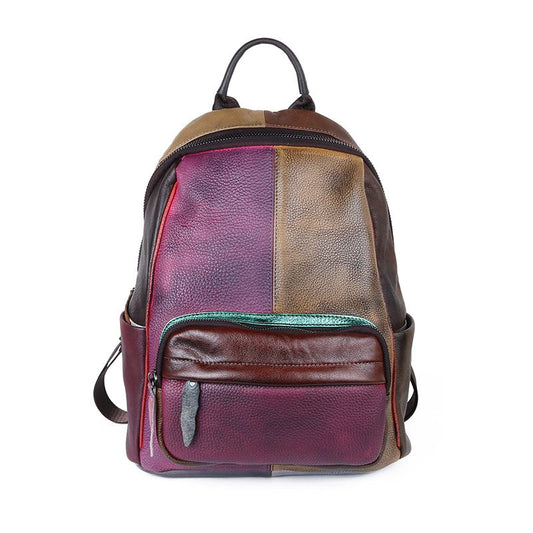
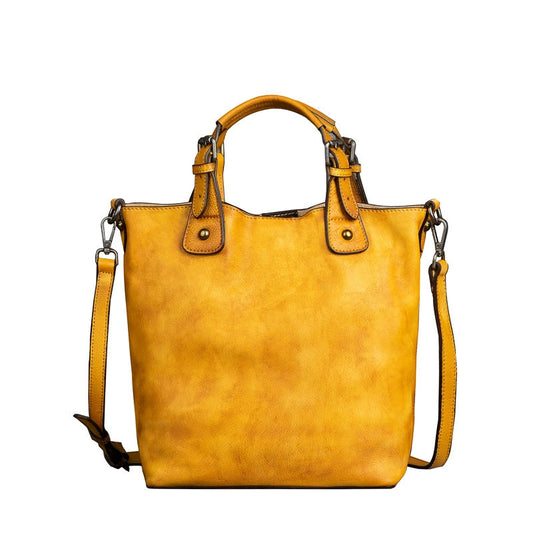
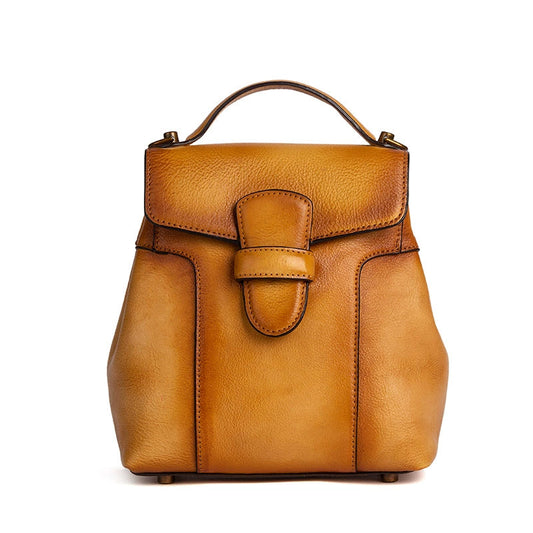
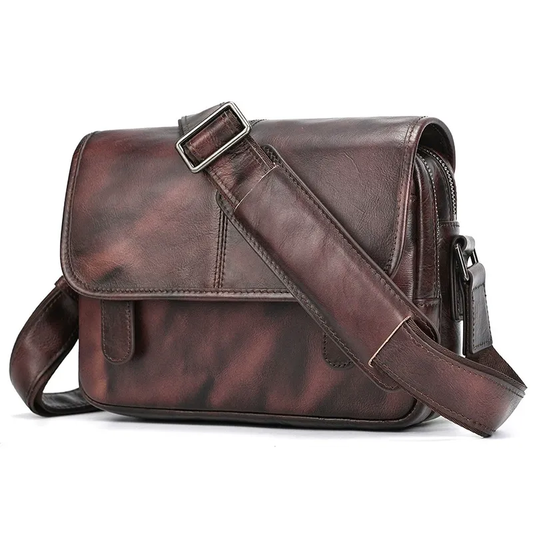
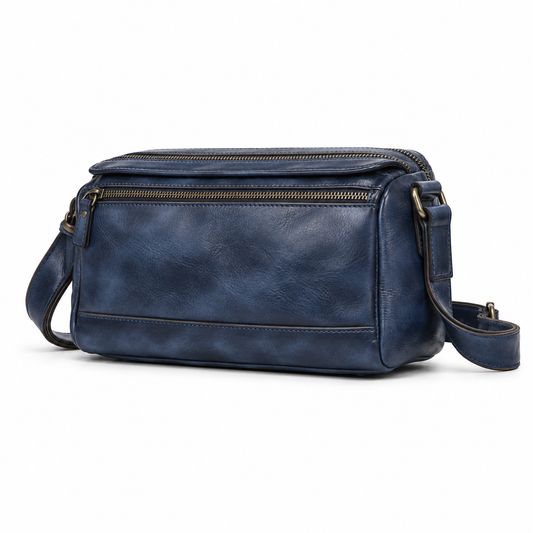
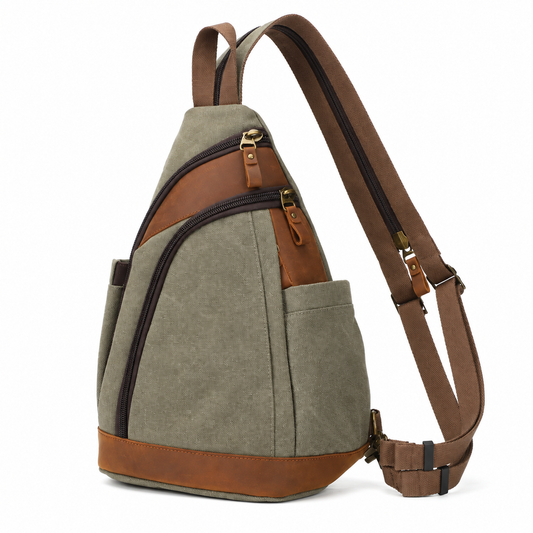
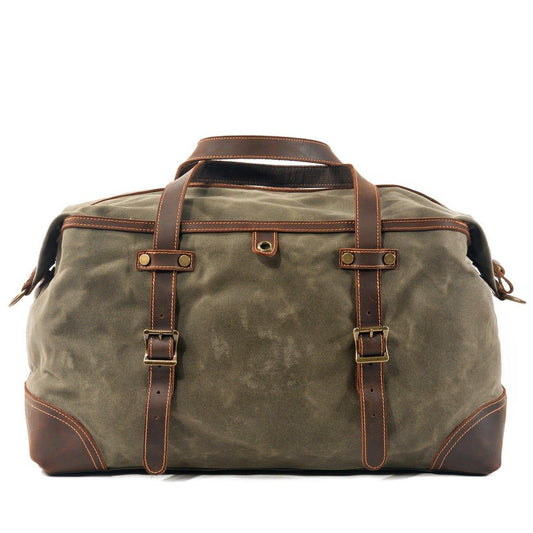
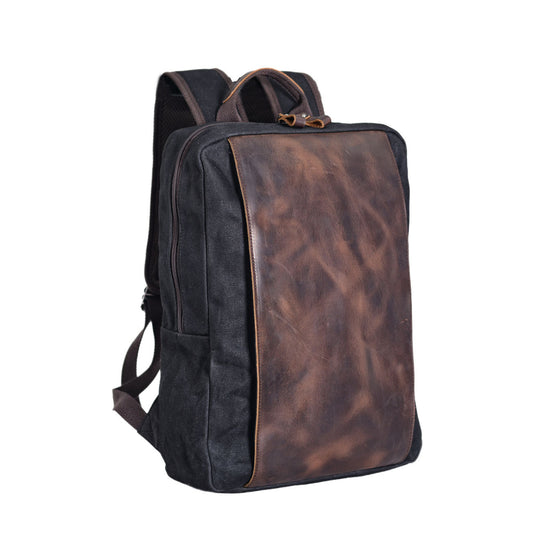
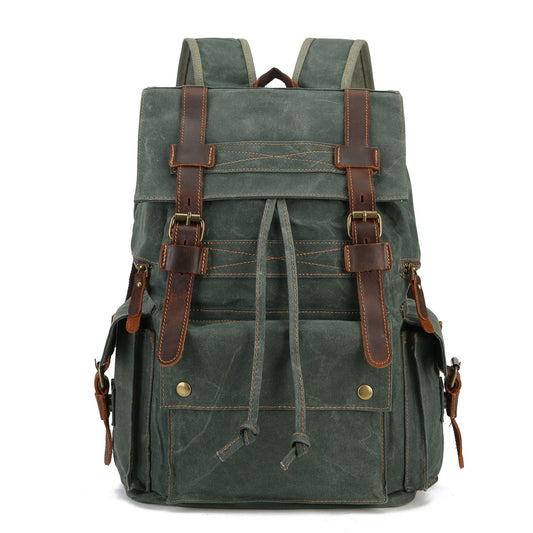
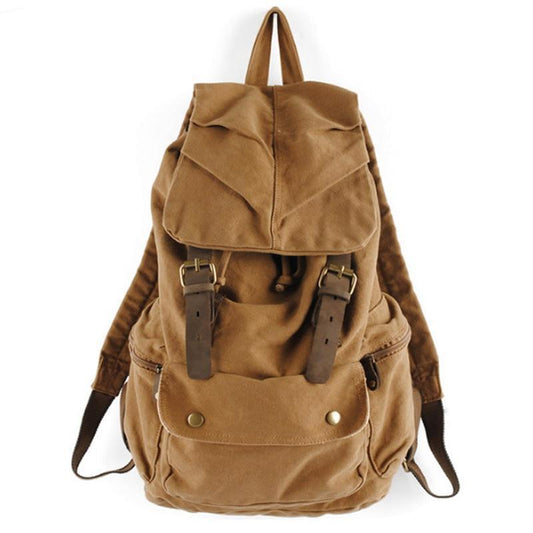
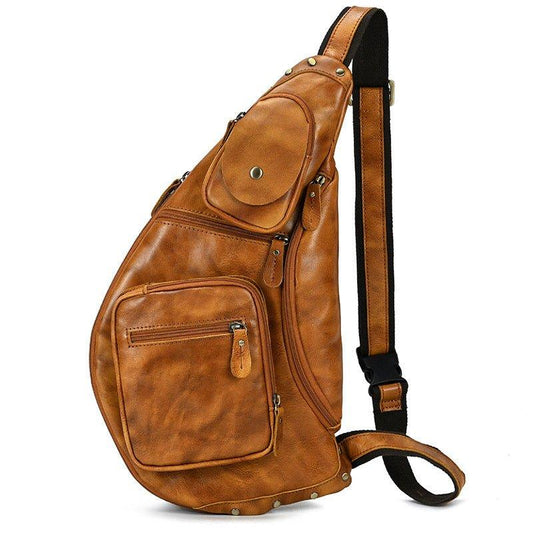
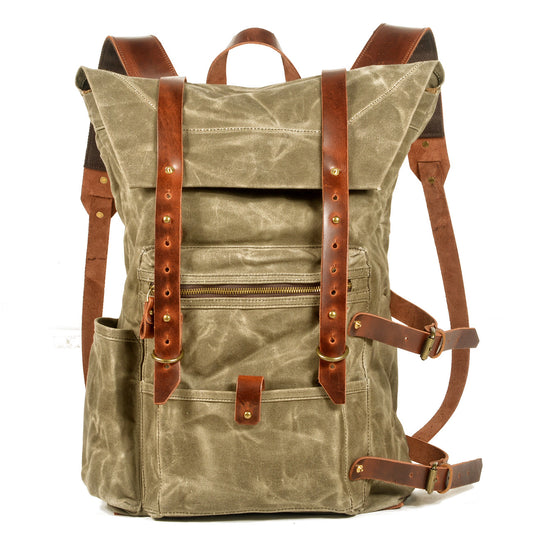
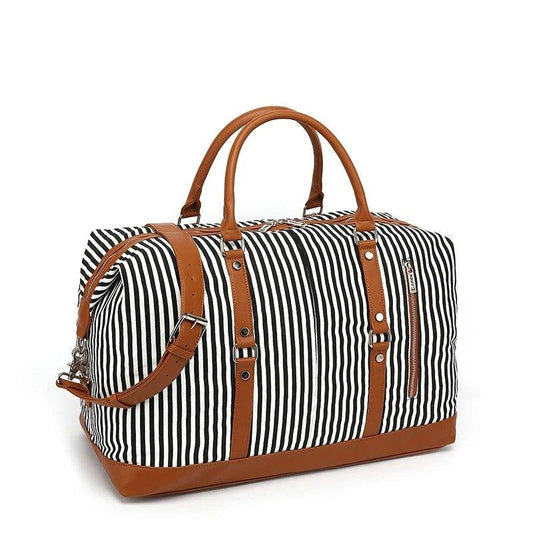
Switzerland's weather can change rapidly, especially in the mountains. A waxed canvas backpack or duffle bag is ideal — water-resistant enough for sudden rain, stylish enough for Swiss cities, and durable enough for mountain trails. Browse our waxed canvas collection for Swiss-adventure-ready bags.
Essential packing list:
- Layered clothing (temperatures can swing 15°C in a single day)
- Waterproof jacket (even in summer)
- Comfortable walking shoes or hiking boots
- Universal power adapter (Switzerland uses Type J plugs)
- Sunscreen and sunglasses (UV is intense at altitude)
- Reusable water bottle
Frequently Asked Questions
Do I need a visa to visit Switzerland?
Switzerland is part of the Schengen Area. Citizens of the US, UK, Canada, Australia, and many other countries can enter visa-free for up to 90 days. From 2026, the ETIAS authorization system applies to visa-exempt travelers — apply online before your trip.
What language is spoken in Switzerland?
Switzerland has four official languages: German (spoken by ~62%), French (~23%), Italian (~8%), and Romansh (<1%). English is widely spoken in tourist areas and by younger Swiss people, but learning a few phrases in the local language is always appreciated.
Is Switzerland safe for solo travelers?
Switzerland is consistently ranked among the world's safest countries. Violent crime is extremely rare. Solo travelers — including solo female travelers — report feeling safe at all hours in Swiss cities and towns. Standard precautions around pickpocketing in crowded tourist areas apply.
How much should I budget per day?
Budget travelers: 100–150 CHF/day (hostels, supermarket meals, free activities). Mid-range: 200–350 CHF/day (3-star hotels, restaurant meals, some paid attractions). Luxury: 500+ CHF/day. These are averages — mountain resorts cost more than cities.
Conclusion: Switzerland Awaits
This Switzerland travel guide barely scratches the surface of what this remarkable country offers. From the glaciers of Zermatt to the palm-lined promenades of Lugano, from the precision of Swiss trains to the chaos of Fasnacht carnival in Basel, Switzerland constantly surprises. Pack a quality bag, bring layers, and prepare to fall in love with one of Europe's most enchanting destinations.