

The Ultimate Guide to Choosing the Perfect Hiking Backpack

Choosing a hiking backpack is a fit and load-management decision before it is a style decision. The right pack keeps weight close to the body, protects the equipment you need, and remains stable as the trail changes. A bag that looks capable but does not match your torso or trip length can make a multi-hour route unnecessarily difficult.
This guide covers capacity, fit, frame behavior, access, weather protection, and packing order for day hikes through multi-day adventures. Use live product pages for exact specifications, then test the pack with a realistic load rather than relying on an empty-bag impression.
Start with trip length and equipment
A day hike may need water, food, a rain shell, first aid, a layer, and navigation tools. An overnight or multi-day trip adds shelter, sleep system, cooking equipment, extra clothing, and more fuel. Choose capacity from the bulky items that cannot be compressed, not from the number printed on a product title alone.
More capacity is not automatically better. A large pack encourages extra packing and can shift away from the back when it is only half full. A smaller pack can be difficult when gear is bulky. The right size leaves enough room for the planned route while allowing compression to control the load.

Fit the pack to your torso
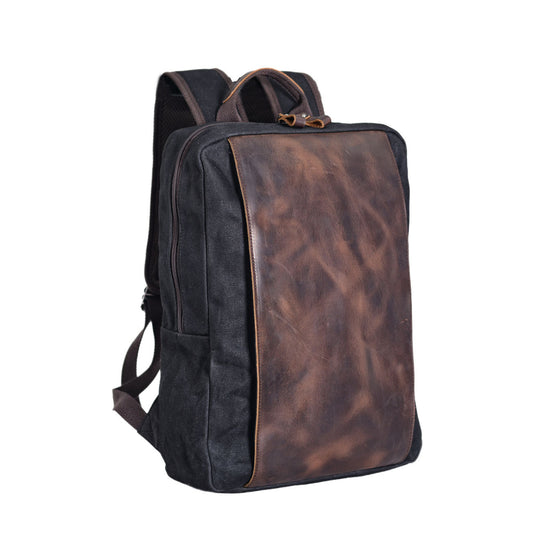
The hip belt should sit on the pelvis, the shoulder straps should follow the curve of the shoulders, and the back length should keep the load close without restricting movement. Tighten the hip belt first, then adjust the shoulder straps and sternum strap. Load-lifter straps can reduce backward pull when the pack is tall or heavy.

Access and trail organization
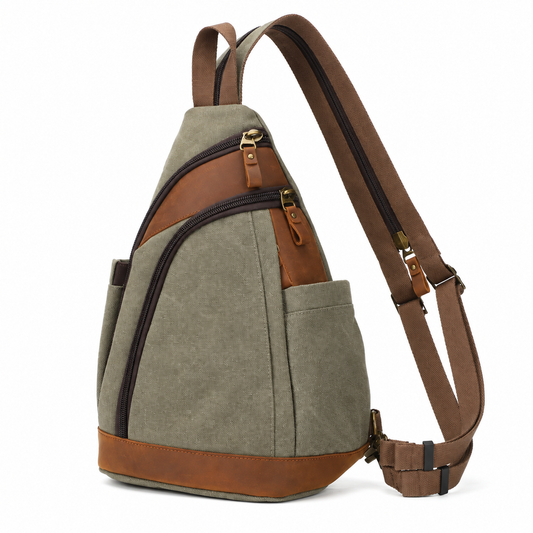
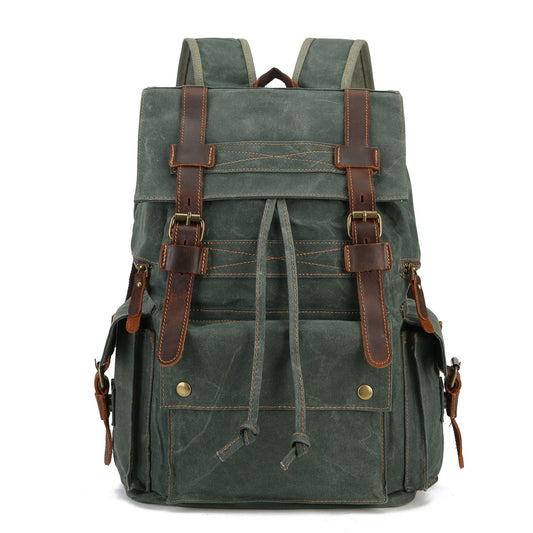
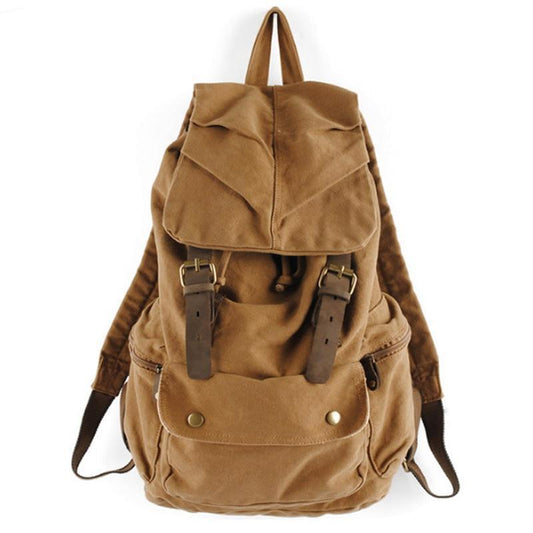
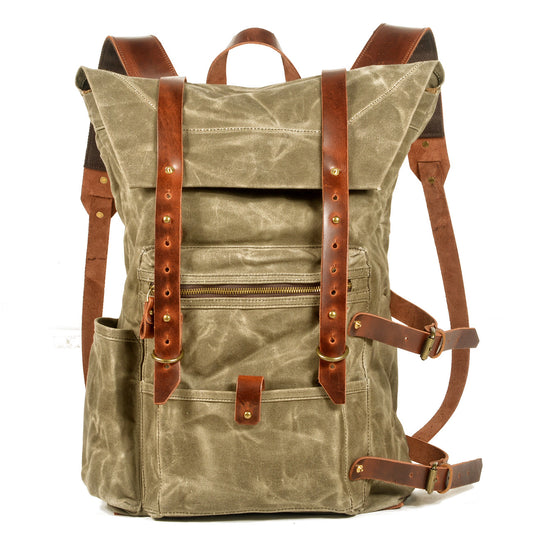
A top-loading pack can be efficient when the contents are packed in layers, while front or side access helps when you need a jacket, first-aid kit, or camera without unloading everything. Put emergency and weather items where they can be reached quickly, and keep the sleep system or spare clothing lower in the bag.
Weather and materials
Rain covers, water-resistant fabric, covered zippers, and dry bags work together; no single feature should be treated as a complete weather plan. Electronics, maps, and sleep insulation deserve an inner liner even when the outer fabric feels sturdy. A damp pack should be emptied and dried after the route instead of being stored closed.

Comfort under a multi-day load
A pack that feels fine empty may become difficult after food, water, and shelter are added. Test it with the intended weight and walk on inclines, stairs, and uneven ground. Watch for shoulder pressure, hip-belt slipping, and movement that causes the load to swing. These are fit signals, not problems solved by adding more pockets.
Remember that water is often the heaviest part of a short route. Place bottles or a reservoir where they can be reached without unpacking the shelter and clothing, but keep the weight centered rather than hanging from one side. On a multi-day route, divide food into smaller portions so the pack becomes lighter in a predictable way as the trip progresses.
A good test should include the moments that are hardest on the bag: putting it on from the ground, tightening the belt while wearing layers, and reaching an outer pocket with one hand. These actions reveal whether the buckles and access points are practical in the field. They also help you adjust the fit before a long trip instead of discovering a pressure point after several hours.
A practical packing order
- Keep dense items close to the back and near the center of the pack.
- Place soft clothing around shape-sensitive gear to reduce movement.
- Store water, rain protection, navigation, and first aid where they are reachable.
- Use compression straps to control a partial load instead of allowing it to collapse.
- Separate wet or dirty items from sleeping insulation and electronics.
Maintenance before the next trip
Brush grit from zippers, empty every pocket, and inspect shoulder-strap stitching, buckles, and hip-belt anchors. Let the pack dry fully before storage, then keep it in a cool place without heavy objects pressing on the frame or foam. Small repairs made before a trip are safer than discovering a loose strap on the trail.
Before departure, make a simple checklist for navigation, hydration, first aid, weather protection, food, and emergency communication. Pack each item in a known location and tell a hiking partner where the safety essentials are stored. This reduces searching when the weather changes or daylight fades, and it keeps the backpack organized after repeated stops.
On the trail, reassess the fit after the first thirty minutes. Straps can settle as the load warms and clothing layers change, so a small adjustment may reduce pressure and keep the hip belt engaged. Stop before discomfort becomes pain, and repack anything that has migrated to one side or created a hard point against the back. A calm adjustment early is safer than compensating later with poor posture.
The perfect hiking backpack is the one whose capacity and fit agree with the trip you actually take. Start with the load, adjust it carefully, and let access and weather planning guide the final choice.
Related Woosir resources
Use these original Woosir links to compare collections, product details, and related buying guidance.