
The Gym Bag Organization System: What to Pack and How to Keep It Fresh in 2026

Building a reliable gym bag routine is about more than throwing a towel and shoes into a sack. A well-organized gym bag saves time, protects your gear from odor and mildew, and makes it far easier to train consistently whether you lift in Berlin, flow through yoga in Bangkok, or hit a boxing gym in Buenos Aires. This 2026 guide lays out a complete gym bag organization system: what to pack, how to zone your compartments, how to choose between canvas and leather, and how to keep everything smelling fresh week after week. Treat it as a living system you refine with every training block, not a one-time packing list.
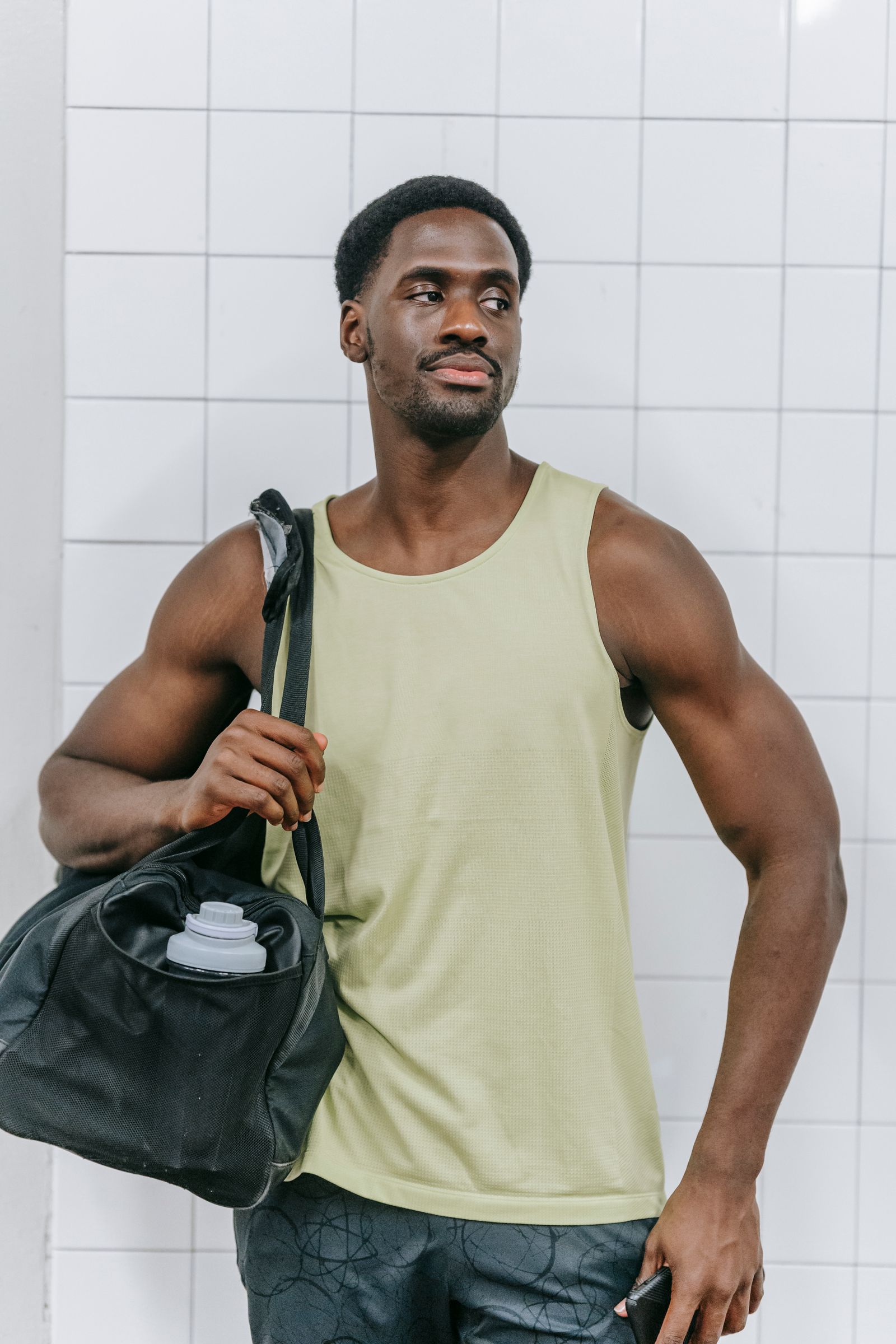
Why a Real Gym Bag System Matters
Most people treat the gym bag as an afterthought, then wonder why their workout clothes smell, their earbuds vanish, and their clean shirt ends up damp from a leaky bottle. A system turns chaos into habit. When every item has a home, you spend thirty seconds packing and never arrive at the studio missing your knee sleeves or resistance bands. The goal is simple: a gym bag that is always ready, always clean, and easy to grab on the way out the door. Athletes who train five or six days a week know that the bag is part of the workout, not separate from it. If packing feels like a chore, you will skip sessions. If it feels automatic, you show up.
The Gym Bag Essentials Checklist
Start with a core kit that covers 90 percent of training sessions. Adjust the list for your sport, but treat these as your baseline:
- Footwear: training shoes plus a spare pair of socks rolled inside.
- Apparel: a full change of workout clothes, including a spare top for warm climates.
- Training gear: lifting straps, gloves, resistance bands, jump rope, or a sweat towel.
- Recovery: a foam roller mini, massage ball, or compression sleeve if your routine needs it.
- Hygiene: travel-size body wash, deodorant, face wipes, and a small microfiber towel.
- Tech: wireless earbuds, a phone armband, and a charging cable in a sealed pouch.
- Documents: membership card or QR code, ID, and a folded emergency cash note.
- Hydration: a leak-proof bottle that lives in its own external pocket.
Print this checklist, laminate it, and tape it inside the lid. New trainees who use a physical checklist miss fewer items and build the habit faster than those who rely on memory.
How to Organize Your Gym Bag by Zones
The fastest way to stay organized is to assign every compartment a job. Think of your bag as four zones:
The Wet and Dirty Zone
Use a separate ventilated pocket or a waterproof stuff sack for sweaty clothes and shoes. In humid regions like Southeast Asia, this step is non-negotiable: a damp towel left in the main compartment will sour the entire bag within a day. A dedicated wet pocket also protects your clean clothes from the grit and chalk that collect on training shoes.
The Main Compartment
Roll your clean clothes and place them in a packing cube so they stay separated from gear. Keep heavier items like shoes at the bottom to balance the load on your shoulder. Compression cubes save surprising space and keep your post-session outfit from wrinkling against your knee sleeves.
The Quick-Access Pocket
Store earbuds, ID, and your locker key here so you are not digging through the main cavity mid-session. A carabiner clip for the key prevents loss, and a small zip mesh panel lets you see the contents at a glance.
The Tech Pocket
A padded, zippered sleeve keeps earbuds and phone safe from sweat and impact. Always seal liquids away from this zone. If your bag lacks a tech pocket, a simple padded neoprene pouch does the job for a few dollars.
Canvas vs Leather Gym Bags: Which Survives Sweat?
Material choice decides how long your bag lasts and how it smells. Here is the honest comparison:
| Factor | Canvas Gym Bag | Leather Gym Bag |
|---|---|---|
| Sweat resistance | Good if waxed; dries fast | Needs conditioning; absorbs less if treated |
| Odor control | Breathable, washes easily | Can hold scent if not aired |
| Weight | Lighter | Heavier, more structured |
| Style | Casual, rugged | Premium, office-friendly |
| Maintenance | Machine or spot wash | Condition monthly |
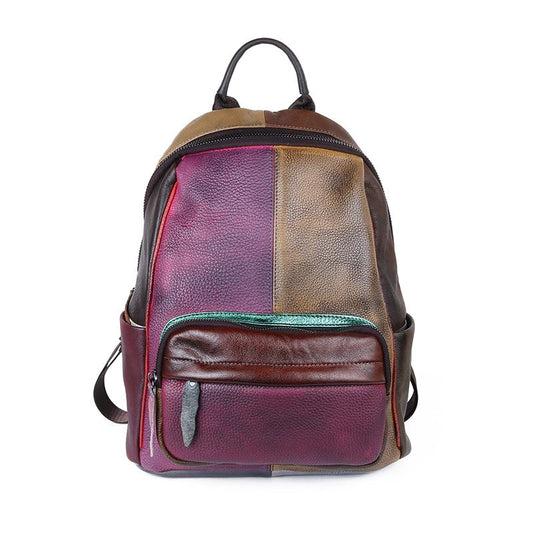
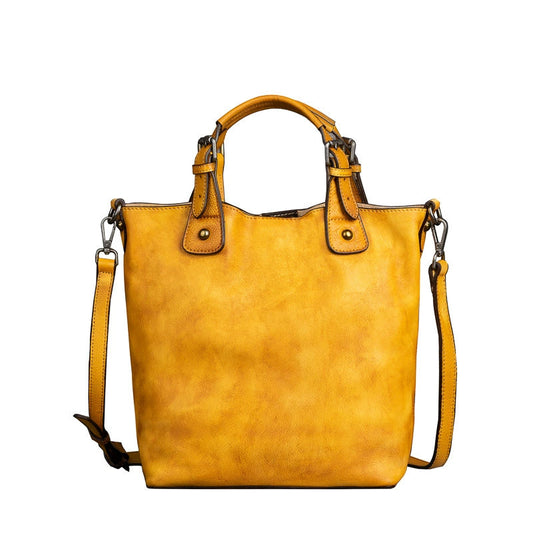
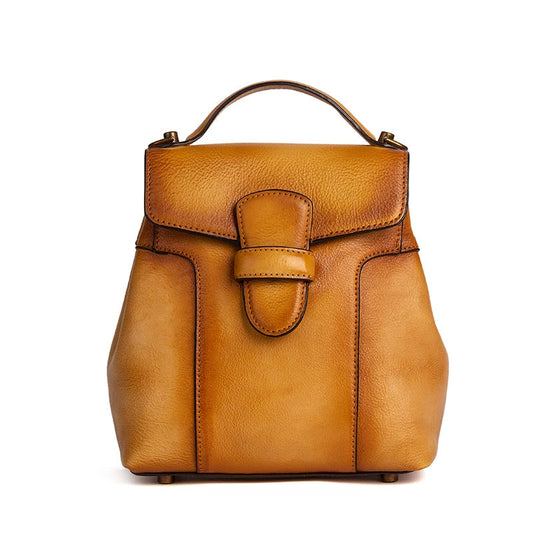
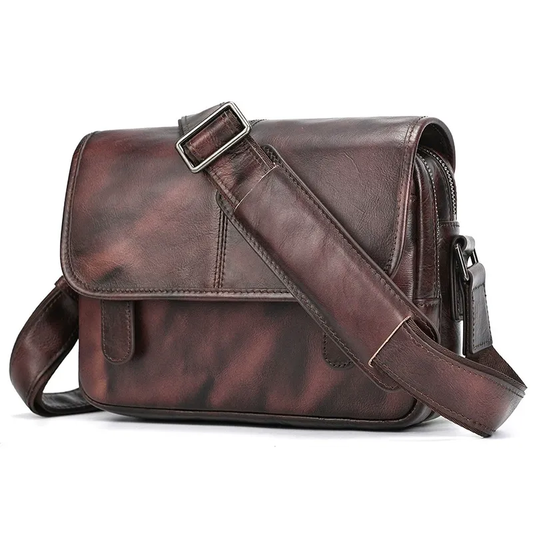
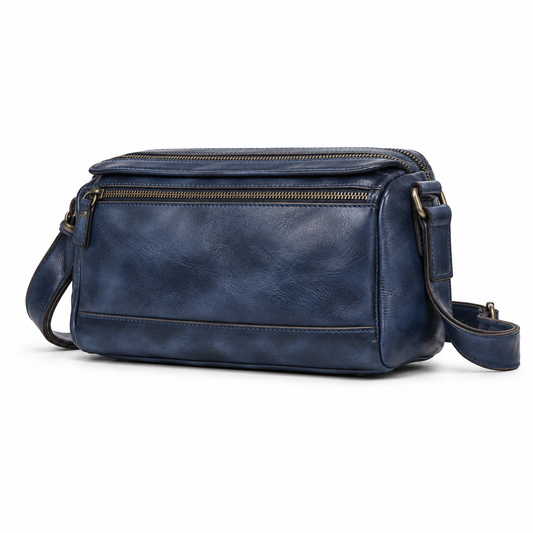
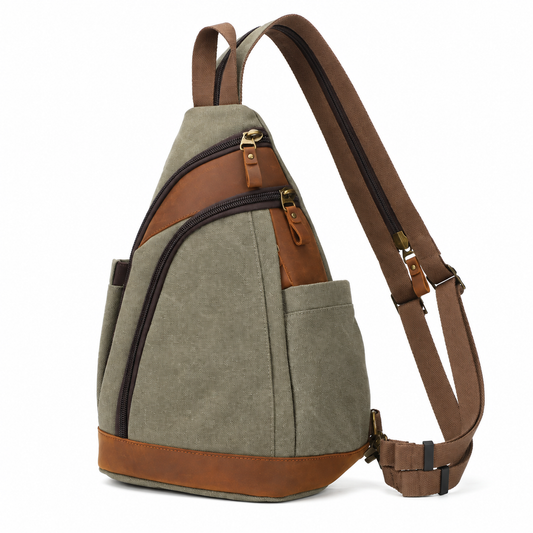
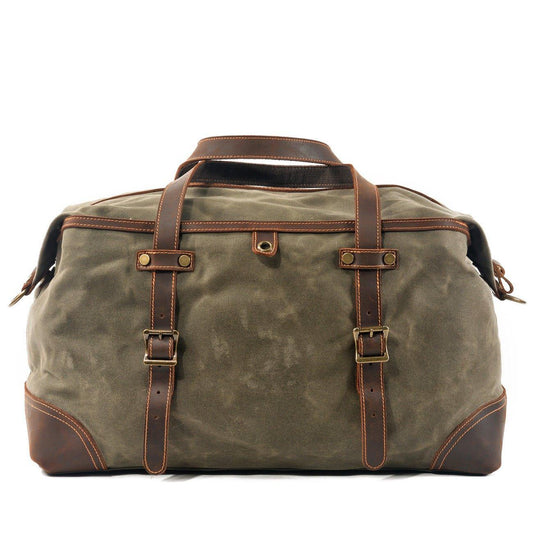
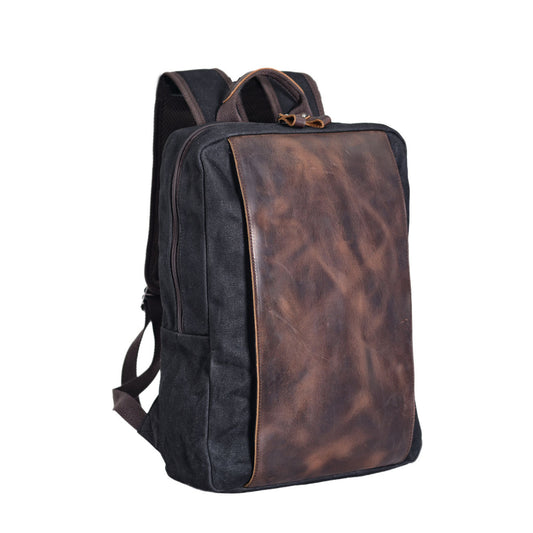
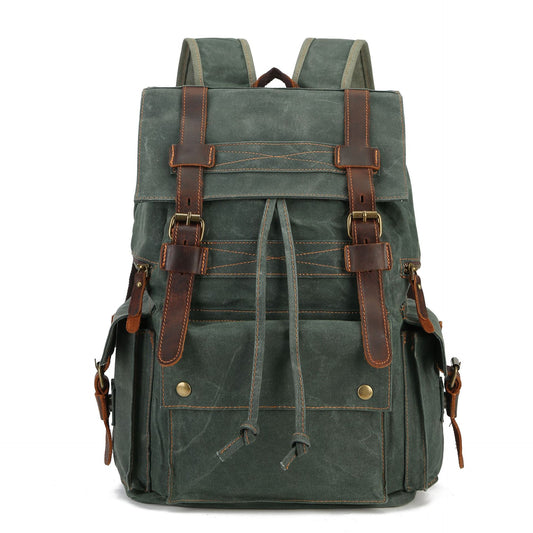
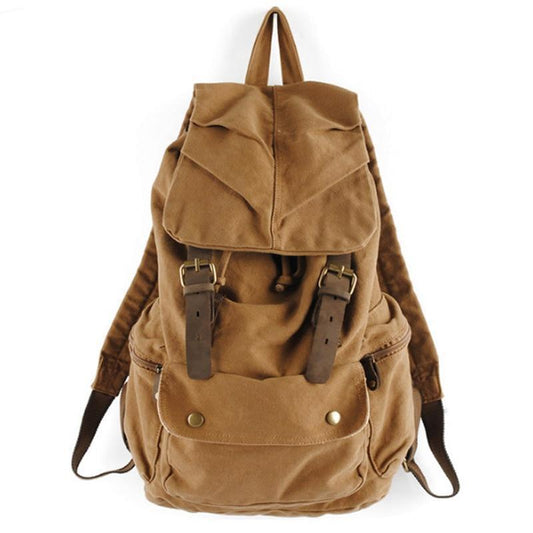
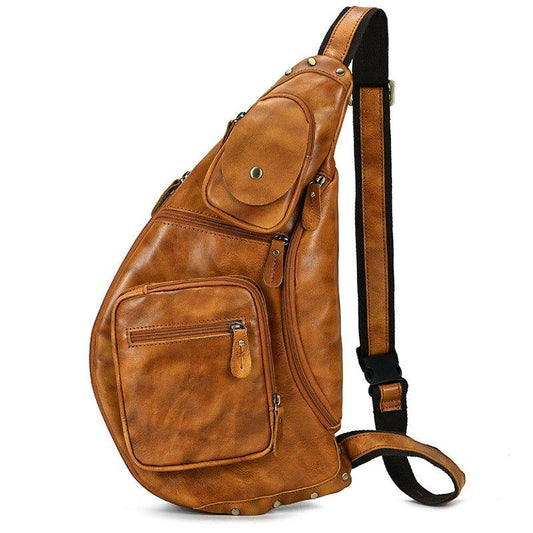
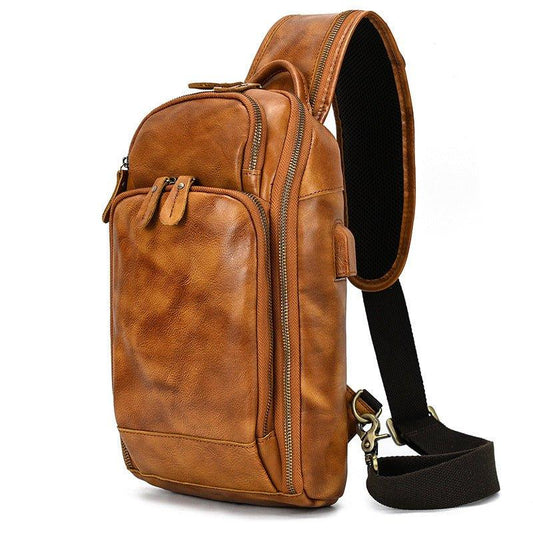
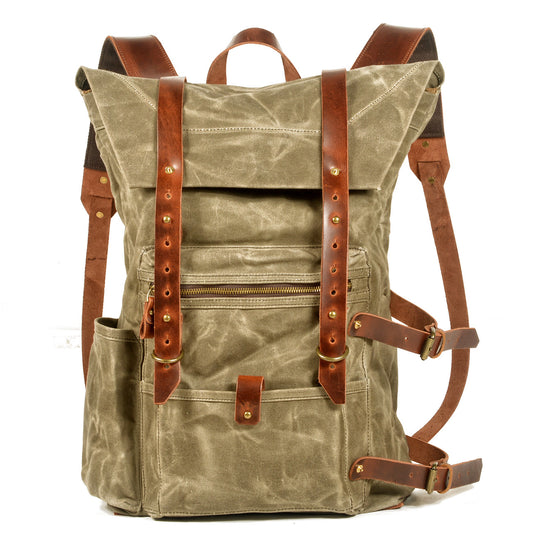
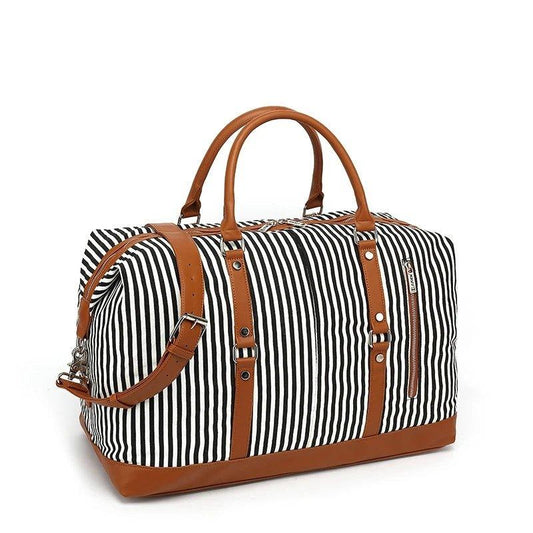
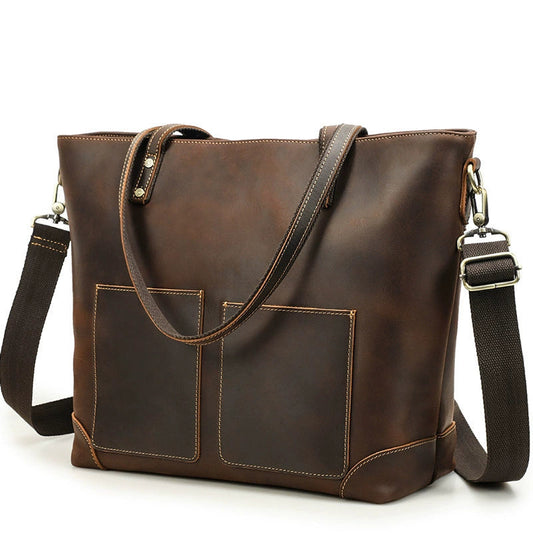
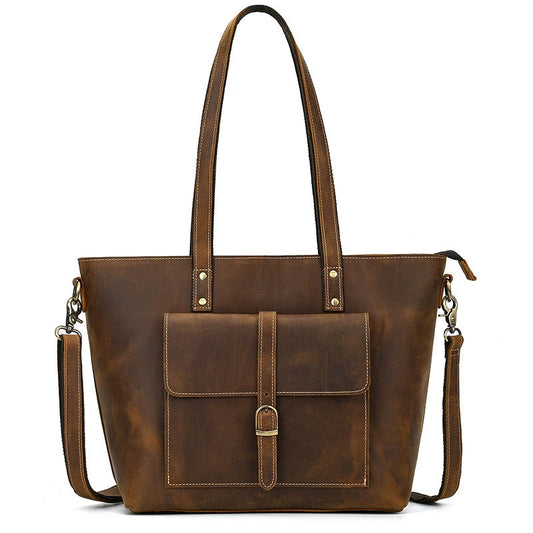
For most commuters, a waxed canvas gym bag is the practical pick. If you train before a client meeting, a structured leather-trimmed gym bag reads as professional and transitions straight to the office. Hybrid canvas-and-leather builds give you the best of both: a wipe-clean leather base and a breathable canvas upper.
Odor and Hygiene Control: Keep It Fresh
Odor is the number one reason people abandon a perfectly good gym bag. Control it with a three-step routine:
The After-Workout Routine
Empty the wet zone the moment you get home. Hang sweaty clothes to dry, pull the shoe pocket open, and unzip the main compartment so air circulates. Never leave damp gear sealed inside the bag overnight. If you commute home on a train, at least open the bag fully the second you walk in the door.
The Weekly Deep Clean
Once a week, turn the bag inside out, vacuum the corners, and wipe the lining with a diluted vinegar solution or a gentle disinfectant. Canvas bags can be spot-washed; leather needs a damp cloth and conditioner. Drop a cedar sachet or a charcoal deodorizer inside between sessions. Washable laundry bags for your sweaty clothes also keep the bag lining clean far longer.
What Never to Store Long-Term
Do not leave wet swimsuits, used towels, half-empty protein shakers, or sweaty insoles in the bag. The shaker bottle alone is responsible for most gym bag horror stories. Rinse and dry it the same day, or accept the consequences.
Gym Bags for Every Workout Type
Your ideal setup shifts with your training:
Strength Training
Prioritize a roomy main compartment for knee sleeves, a belt, and chalk, plus an external pocket for lifters. A flat, structured base keeps plates of weight from crushing your clothes.
Yoga and Pilates
A slim, structured bag with a dedicated mat strap works best. You need less gear and more elegance, so look for a tote-style carrier that feels at home in a studio lobby.
Climbing
Look for a bag with a separate, abrasion-resistant pocket for shoes and chalk dust so they never touch clean clothes. A wipe-clean lining saves you from permanent chalk stains.
Swimming
A fully waterproof wet pocket is essential. Mesh panels speed drying in humid pool environments, and a ventilated shoe tunnel keeps flip-flops separate from everything else.
Court Sports
Multiple small pockets keep grips, wristbands, and a second pair of court shoes organized. A separate ball compartment is a bonus for tennis and racquetball players.
Gym Bag Size Guide
| Use Case | Recommended Volume | Notes |
|---|---|---|
| Single daily session | 20 to 30 liters | Clothes, shoes, towel, toiletries |
| Gym plus swim | 30 to 40 liters | Add wet pocket and bulky towel |
| Multi-discipline training | 35 to 45 liters | Belts, bands, second shoes |
| Commute plus office | 25 to 35 liters | Must fit laptop sleeve |
Size up only if you consistently overflow; an oversized bag tempts you to carry clutter you never use.
Regional Gym Realities: Europe, Asia, and the Americas
Where you train changes what your gym bag needs. In Northern Europe, saunas and steam rooms are standard, so pack a dedicated swim kit and flip-flops. Across much of Asia, humidity is intense and locker space is tight, so a compact, breathable canvas-and-leather hybrid that doubles as a day bag is ideal. In the Americas, big-box gyms and long commutes mean you want a bag that survives being tossed in a car trunk and carried on a bike. Adapt the essentials list to local conditions rather than copying a generic packing list.
Commuting With Your Gym Bag
Most training happens around work, so the commute matters. On a bike, use a bag with a sternum strap and a ventilated back panel. On transit, keep your quick-access pocket toward your body to deter pickpockets. If you drive, a structured bag that stands upright in the trunk avoids the dreaded "everything falls out" moment at the locker. For mixed commutes, a detachable shoulder strap lets you switch from backpack to handheld in seconds.
Security and Locker Tips
Use a locker with a built-in lock and never store valuables in the bag itself. A small cable lock through a zipper pull deters casual theft in busy urban gyms from London to Manila. Keep a backup key or digital lock code in your phone. If your gym has open cubbies instead of lockers, a bag that zips fully closed and sits on your bench is safer than an open tote.
Building a Grab-and-Go Kit
The secret to consistency is a permanent base kit that never leaves the bag. Keep a spare set of earbuds, a sealed toiletry pouch, and a folded emergency outfit in the bag at all times. When life gets chaotic, you can walk out the door with only your shoes and water bottle to add. Travelers who keep a base kit in their gym bag train on the road without rethinking their setup.
Budget vs Premium Gym Bags
You do not need the most expensive bag, but you should avoid the cheapest. Hardware fails first: look for YKK or equivalent zippers, bar-tacked stress points, and a reinforced base. A mid-range waxed canvas bag often outlasts a cheap leather one because the construction is honest. Spend more only on features you will actually use, such as a ventilated shoe tunnel or a padded laptop sleeve.
Seasonal Adjustments
Winter training means extra layers, a beanie, and gloves, so free up space by moving your water bottle to an external pocket. Summer means more sweat and more laundry, so lean harder on the wet zone and deodorizer. In monsoon climates, a waxed or coated bag and a rain cover for the commute protect everything inside.
Common Gym Bag Mistakes
- Storing damp gear sealed overnight, which breeds odor and mold.
- Using one giant pocket for everything, making small items impossible to find.
- Buying a bag too small for shoes plus a change of clothes.
- Ignoring the wet zone and letting sweat spread to clean laundry.
- Never cleaning the lining, so bacteria accumulate over months.
- Carrying five unused accessories that just add weight and clutter.
Frequently Asked Questions
How often should I clean my gym bag?
Empty the wet zone after every session and do a full interior clean once a week. Bags used for swimming or hot yoga benefit from a midweek wipe-down.
Is a leather gym bag a bad idea?
Not at all. A treated leather or leather-trimmed bag looks sharp and lasts for years if you air it out and condition it monthly. Just keep sweat away from untreated surfaces.
What size gym bag do I need?
For a single daily session with a change of clothes and shoes, 20 to 30 liters is plenty. Add swimming or multiple disciplines and you will want 30 to 40 liters.
How do I stop my gym bag from smelling?
Never store damp items sealed, air the bag after each use, use a charcoal or cedar deodorizer, and wash the lining weekly. Most odor is a storage habit, not a material problem.
Choosing Straps, Handles, and Carry Style
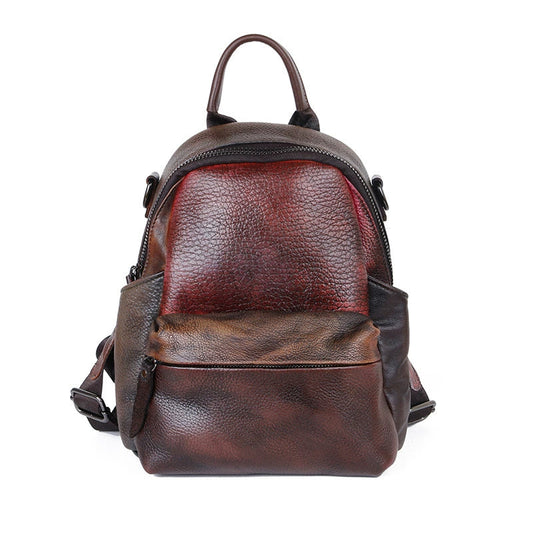
How you carry the bag matters as much as what it holds. A padded, adjustable shoulder strap saves your neck on a long walk from the station, while reinforced top handles make a leather bag feel like a briefcase in the office. Backpack-style gym bags distribute weight best for cyclists and transit commuters, but they can look too sporty for a client meeting. Decide your dominant commute first, then choose the carry style, not the other way around. A removable strap gives you both options in one bag.
Sustainable and Eco-Friendly Gym Bags
If longevity is your priority, sustainability follows. A waxed canvas bag made from organic cotton with a replaceable strap can serve a decade, avoiding the waste of several synthetic bags. Look for vegetable-tanned leather rather than chrome-tanned, and for hardware that can be re-riveted rather than glued. Repairing a torn lining or a stuck zipper extends the life of a good gym bag far past its first scuff, and most local cobblers handle both canvas and leather. Buy once, maintain often, and your bag becomes a low-impact habit.
Conclusion
A great gym bag is not the most expensive one on the shelf; it is the one you actually keep organized and clean. Build your zones, pack the essentials, choose canvas or leather for your commute, protect your gear with a simple hygiene routine, and keep a grab-and-go base kit inside. Shop the Woosir gym bag collection to find a canvas or leather bag that fits your training life in 2026.