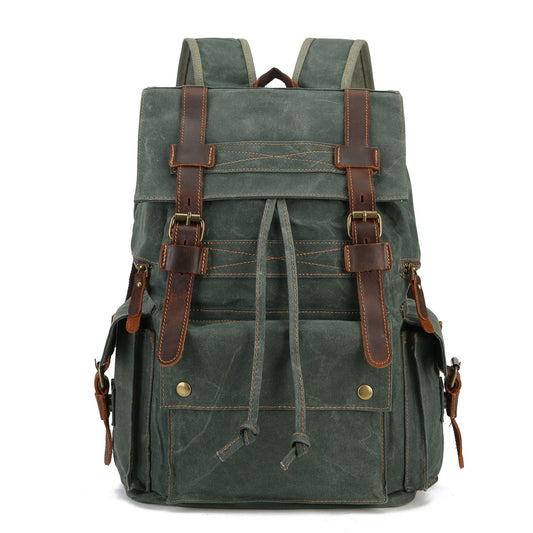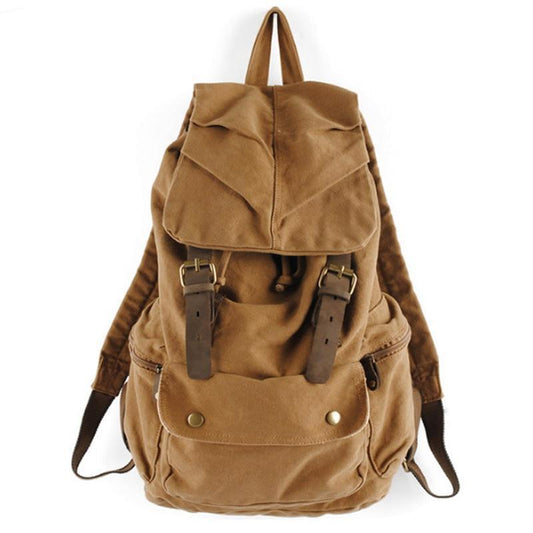

The Environmental Benefits of Choosing Waxed Canvas

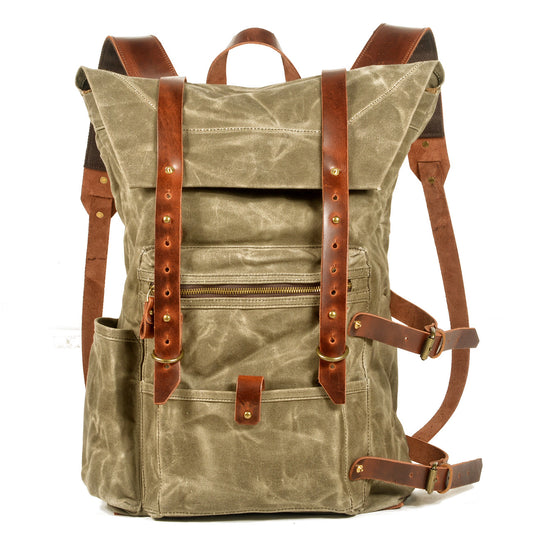
Waxed canvas is often chosen for its strong hand feel, repairable construction, and ability to serve for years. Those qualities can support a lower-impact ownership pattern, but the environmental value depends on how the material is made, how long the product is used, and what happens at the end of its life.
This article explains the practical environmental benefits of choosing waxed canvas without treating one material as automatically sustainable. Consider durability, care, repair, production information, and actual use before making a purchase decision.
Longer use can reduce replacement demand
A bag that remains useful for many seasons does not need to be replaced as frequently as a product that loses its shape, coating, or stitching quickly. Waxed canvas can develop a patina rather than looking worn out immediately, which may encourage the owner to keep using it. Durability matters environmentally because the resources used to make a new replacement are avoided when an existing item continues to work.

Repair and maintenance extend the product life
A small seam repair, replacement buckle, or careful rewaxing can keep a bag in service. Repair is not only a technical action; it changes the ownership model from disposable to maintainable. Check whether the construction allows access to seams and whether the product can be cleaned without damaging its finish.
Maintenance also helps avoid premature disposal. Removing grit, drying the item correctly, and storing it in a ventilated place protect the fabric and lining. A material that needs care is not automatically inconvenient if the routine is simple and the item is used frequently.

Reusable carry can replace single-use habits
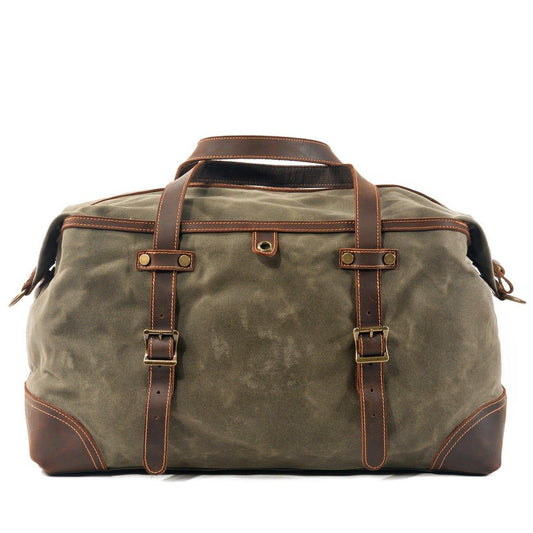
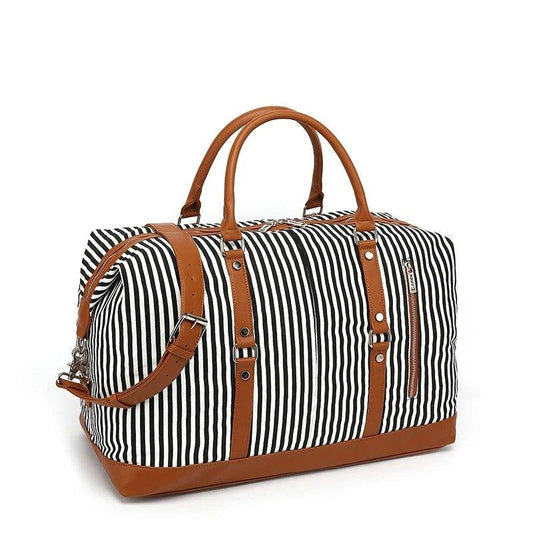
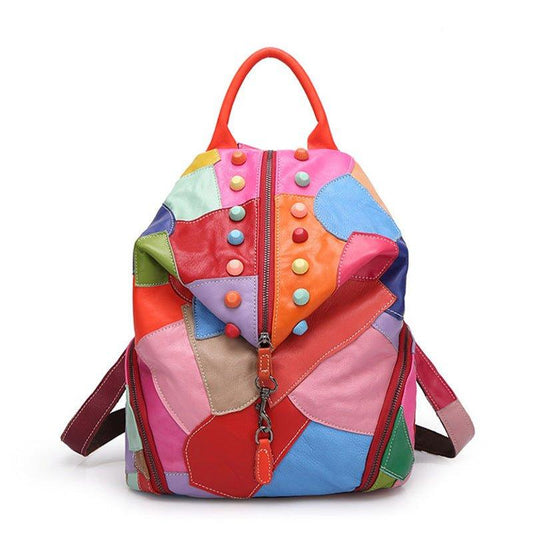
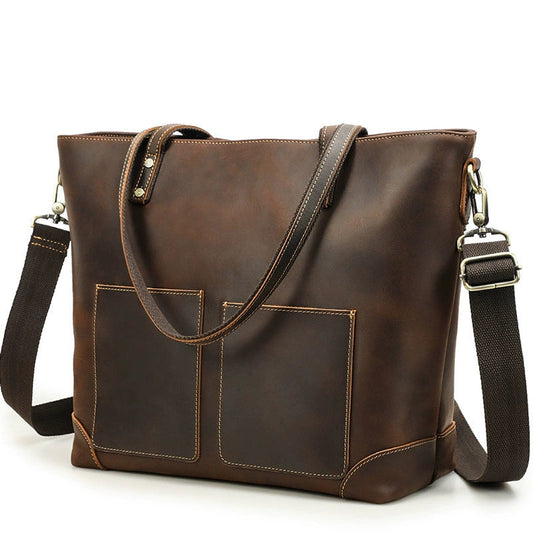
A sturdy tote, backpack, or duffle can be used for shopping, commuting, travel, and storage instead of relying on disposable carriers. The benefit comes from repeated use, not from owning more bags. Choose a capacity that fits an existing routine and avoid buying a specialized item that will rarely leave the closet.

Questions to ask about environmental claims
- How durable are the fabric, seams, handles, and hardware?
- Can the item be cleaned, repaired, or rewaxed?
- Does the product have a clear role that will lead to frequent use?
- What care and end-of-life information does the seller provide?
- Are material claims specific rather than relying only on broad green language?
Use matters as much as material
A well-made waxed canvas bag has environmental potential when it replaces repeated purchases and is cared for responsibly. The most meaningful choice is often the bag that fits a real routine, receives regular use, and can be maintained when the first signs of wear appear.
Durability and sustainability are connected
A product's environmental impact is influenced by the time it remains useful. A durable waxed canvas bag can avoid the need for several replacements, but only if the owner actually carries it and maintains it. Choosing a fashionable material that does not fit the routine can create a different kind of waste: an item that is technically durable but rarely used.
The most responsible choice is therefore specific. Select the capacity you need, avoid buying duplicates for minor differences, and consider whether a repairable construction will remain useful as your routine changes. A bag that can move from work to travel or shopping may replace several single-purpose items.
Care, repair, and end-of-life planning
Before purchase, look for clear care guidance and a construction that can be inspected. Reinforced seams, replaceable hardware, and accessible stitching can make repairs more realistic. When the item finally reaches the end of its useful life, reuse it for storage or craft projects where possible, and follow local textile or material-recycling options rather than assuming every coating is recyclable.
Waxed fabric can also complicate cleaning and recycling because the finish is not the same as untreated cotton. This is why long use and repair are important parts of the environmental case. Avoid making a claim that a waxed canvas item is impact-free; evaluate the entire ownership period instead.
- Buy for a real repeated use case rather than a hypothetical lifestyle.
- Maintain the surface so a small issue does not become early disposal.
- Repair handles, seams, and hardware when the surrounding fabric is sound.
- Avoid treating durability as permission to buy more than you need.
- Review specific material and care information instead of relying on broad sustainability wording.
Waxed canvas can be a sensible lower-waste choice when it supports long, repeated use. Its environmental benefit comes from the relationship between material, construction, owner behavior, and repair—not from the label alone.
A useful sustainability check is to review the bag after a full season rather than only on the day of purchase. If it has replaced disposable carriers, served several routines, and remained repairable, its value is visible in actual behavior. That is a stronger basis for evaluation than a material claim in isolation.
In practice, buying fewer items that are used well can matter more than choosing a material based on a single headline benefit.
The environmental case becomes stronger when the product replaces several disposable or short-lived alternatives over time. Track actual use, keep the item in service, and repair it when the structure remains sound.
Related Woosir resources
Use these related collection and product pages to compare current materials, capacities, and available variants before making a final decision.