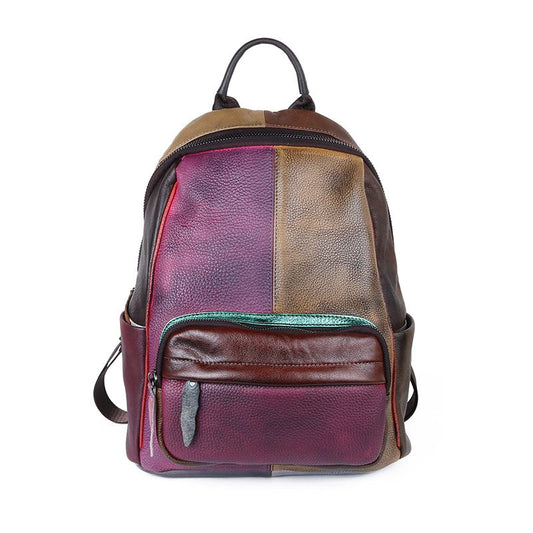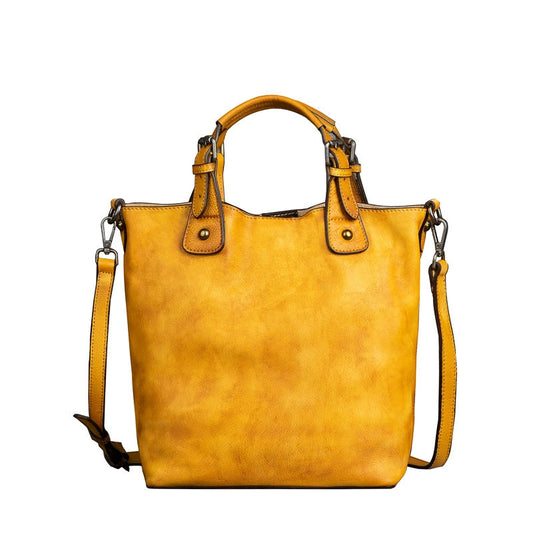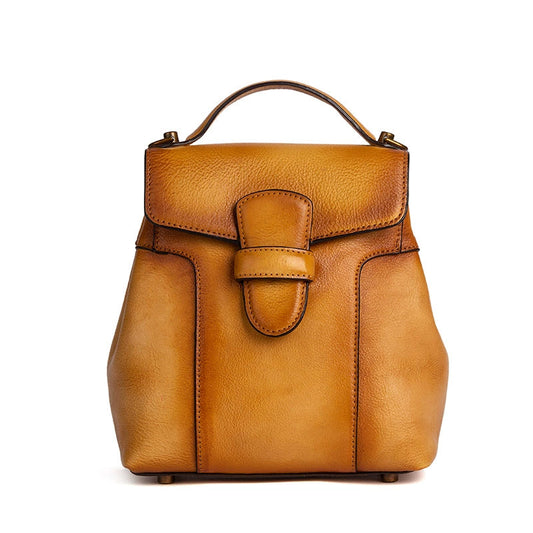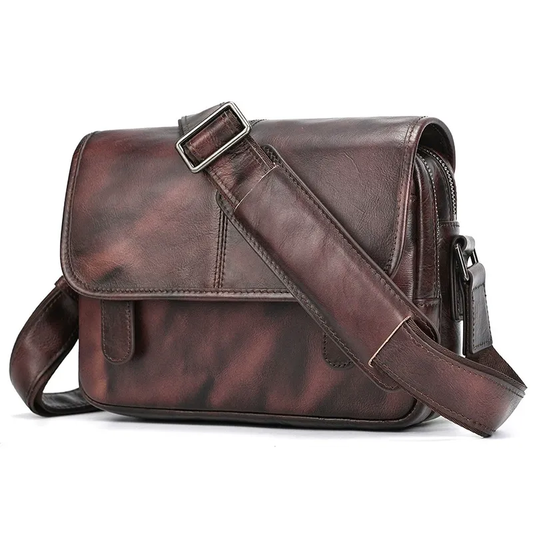

The Craftsmanship Behind Waxed Canvas Manufacturing

Waxed canvas looks simple from a distance, but its performance depends on several deliberate steps: selecting a suitable canvas weight, applying or integrating the wax finish, cutting panels accurately, reinforcing stress points, and sewing the parts into a stable product. Understanding those steps makes it easier to evaluate quality beyond color and surface texture.
This guide follows the main stages of waxed canvas manufacturing and explains why seams, hardware, lining, and finishing decisions affect everyday durability. Product specifications and construction details can vary, so use the live Woosir collection page for current information.
Choosing the canvas and wax finish
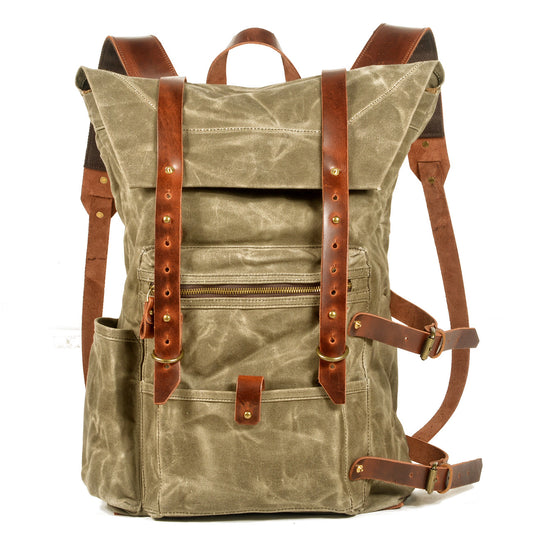
The weave and weight of the base canvas influence how a bag drapes, carries weight, and resists abrasion. A heavier fabric may feel more substantial, while a lighter fabric can reduce empty weight. The wax finish changes the hand feel and helps the surface shed light moisture, but it does not make every item fully waterproof.

The finish should be even enough to support the fabric without making it brittle. Natural variation can be part of the material's character, yet weak spots, flaking, or a coating that transfers excessively deserve attention. The goal is a usable surface, not a plastic-like shell.
Pattern cutting and panel alignment
Manufacturers cut panels according to the intended load and shape. Accurate alignment helps the bag sit squarely and reduces stress on the seams. Matching panels at the base, side gussets, and opening is especially important because small errors can become twisting or uneven wear after repeated use.
Reinforcing the high-stress areas
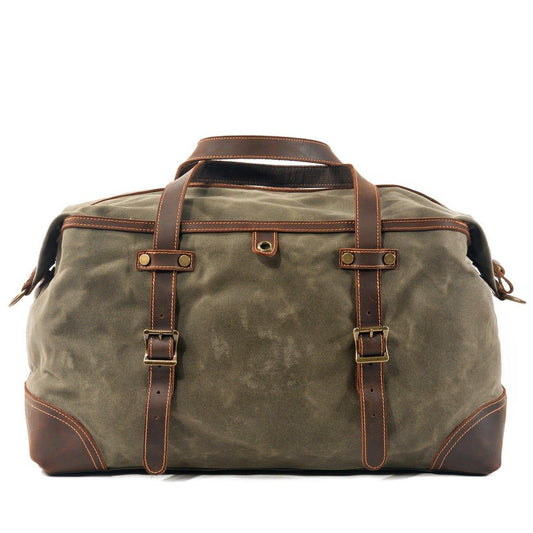
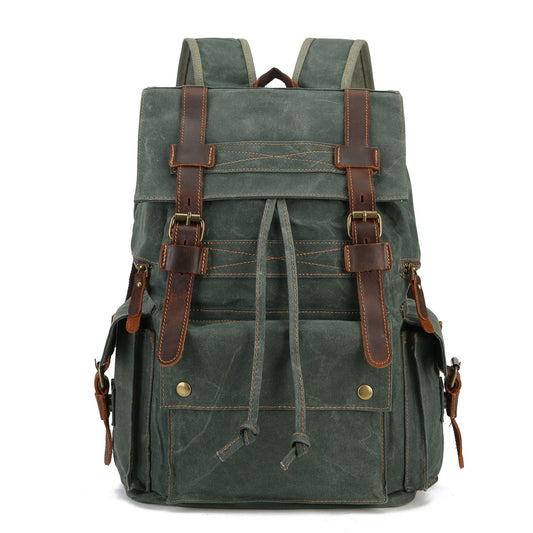
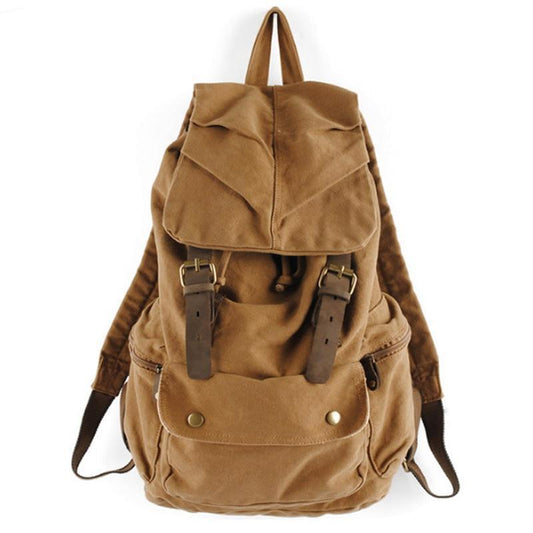
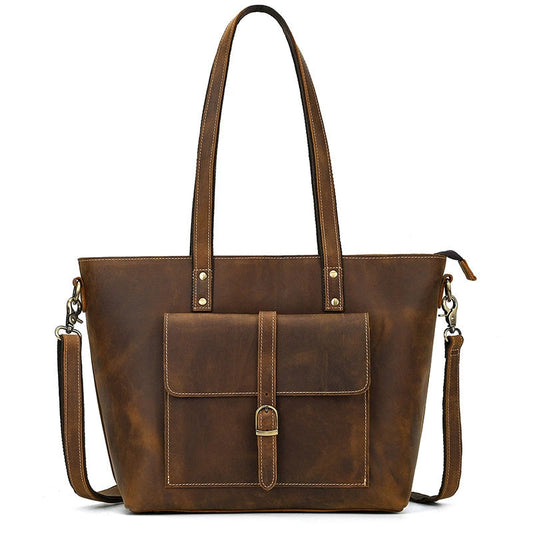
Handles, shoulder-strap anchors, corners, and the base receive the most force. Good construction may use folded fabric, leather reinforcement, bar tacks, multiple rows of stitching, or a stronger backing layer. Look at where the load enters the bag rather than focusing only on decorative stitching.

Closures, lining, and hardware
Zippers, buckles, snaps, and rings must match the weight of the bag and the frequency of use. A closure that looks attractive but catches under tension will create daily friction. Linings can protect contents and make cleaning easier, while an unlined construction may keep the bag lighter and more flexible.
Quality checks before purchase
- Inspect straight seams, even spacing, and secure thread ends.
- Check handle anchors and strap hardware for reinforcement.
- Look for a stable base and clean alignment at the opening.
- Confirm whether the wax finish is water resistant or described as waterproof.
- Read the care instructions so the finish can be maintained correctly.
The craftsmanship behind waxed canvas is visible in the places that receive force: seams, anchors, corners, and closures. A useful evaluation combines those construction details with the fabric hand feel and the way the finished item fits the load you plan to carry.
How construction affects everyday performance
A well-cut panel helps a bag keep its shape when it is lifted, set down, or carried on one shoulder. A well-reinforced base protects the fabric from repeated contact with floors and vehicle trunks. These details may not be obvious in a product photograph, but they often determine whether the item remains comfortable after months of use.
Stitch density and thread choice also matter. Tight, even stitching can reduce movement at a seam, while bar tacks or folded reinforcement help distribute force at a strap anchor. A decorative line of stitching is not the same as structural reinforcement, so inspect where handles and straps connect to the body.
Balancing heritage style with modern function
Waxed canvas products often borrow visual cues from field bags, rucksacks, and work aprons. Modern users may also need laptop padding, trolley compatibility, quick-access pockets, or a lining that can be wiped clean. Adding these features can improve usefulness, but it may also add weight or make the bag less flexible. The best design makes the added function support the original carry job.
When reviewing a product, connect each feature to a likely use. A padded sleeve matters for a commuter, a reinforced base matters for a duffle placed on the ground, and a large opening matters for an apron or tote that changes contents. Construction quality is easier to judge when the load and movement are specific.
Questions for a quality review
- Where does the load enter the bag, and how is that point reinforced?
- Does the base protect the fabric when the item is set down?
- Can the closure be operated smoothly under normal tension?
- Are the lining and pockets useful for the actual contents?
- Will the care routine preserve the finish without making the item difficult to use?
The craftsmanship behind waxed canvas manufacturing is a chain of decisions rather than a single finish. Fabric selection, pattern accuracy, reinforcement, stitching, hardware, and care guidance all contribute to the final product. Evaluate the chain as a whole when comparing bags.
The finished surface is therefore the result of both material and process. When a bag feels stable, opens smoothly, and keeps its shape under a realistic load, the underlying decisions are doing their job even if the construction is visually understated.
Small construction choices accumulate into the feel and reliability of the finished bag.
Related Woosir resources
Use these related collection and product pages to compare current materials, capacities, and available variants before making a final decision.