Tactical Bags for Outdoor Adventures: Features and Brands in 2026
Whether you're trekking through the dense jungles of Borneo, scaling rock faces in Patagonia, or embarking on a multi-day survival expedition in the Scottish Highlands, the right tactical bag can make the difference between a successful adventure and a dangerous situation. Tactical bags for outdoor adventures have evolved significantly in 2026, blending military-grade durability with civilian-friendly design cues that appeal to hikers, campers, hunters, and extreme sports enthusiasts alike. This comprehensive guide breaks down the essential features, top brands, and buying considerations you need to know before investing in a tactical bag for your next outdoor pursuit.
What Makes a Bag "Tactical"?
The term "tactical" originates from military usage, where bags needed to withstand combat conditions, carry specialized equipment, and allow rapid access to gear under pressure. In 2026, the tactical bag market has expanded well beyond military circles, attracting outdoor enthusiasts who value the rugged construction, modularity, and no-nonsense functionality these bags provide.
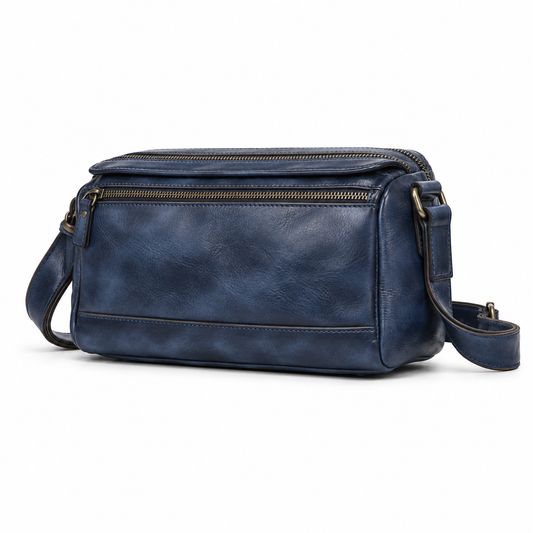
A true tactical bag differs from a standard backpack in several key ways: it uses heavier-denier fabrics (typically 500D to 1000D nylon), features MOLLE webbing for modular attachments, employs military-spec hardware, and is designed to perform in extreme conditions ranging from sub-zero Arctic temperatures to scorching desert heat. For a closer look at how tactical designs compare to other rugged outdoor options, explore the Woosir tactical bags collection.
Essential Features of Tactical Bags for Outdoor Adventures
Durability and Material Construction
The backbone of any tactical bag is its material. The most common fabrics used in 2026 include:
- 1000D Cordura nylon: The gold standard for tactical bags. Exceptionally abrasion-resistant, tear-resistant, and capable of withstanding years of abuse on rocky trails and through dense brush.
- 500D Cordura nylon: Lighter than 1000D while still offering excellent durability. Often used in bags where weight reduction is prioritized without sacrificing too much toughness.
- Ripstop nylon: Features a reinforced grid pattern that prevents small tears from spreading. Common in lighter tactical designs.
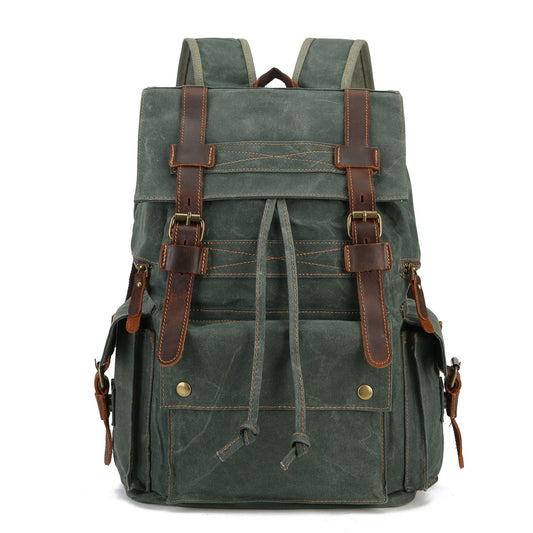
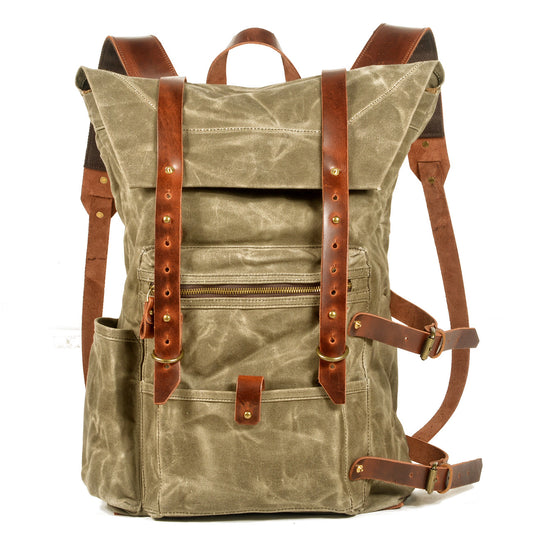
- Waxed canvas: Some tactical-inspired bags use waxed canvas for a more civilian aesthetic while maintaining water resistance and durability. These bridge the gap between tactical function and everyday style.
Regardless of the material, look for bags with double or triple stitching at stress points, bartack reinforcements at anchor points, and YKK or comparable heavy-duty zippers. The difference between a bag that lasts one season and one that lasts a decade often comes down to these construction details.
MOLLE Webbing and Modular Attachments
MODular Lightweight Load-carrying Equipment (MOLLE) webbing is the signature feature of tactical bags. These horizontal rows of heavy-duty nylon webbing allow you to attach pouches, holsters, first-aid kits, and accessories anywhere on the bag's exterior. In 2026, MOLLE-compatible accessories have exploded in variety, with options for water bottle holders, tool rolls, dump pouches, and even solar panel attachments.
For outdoor adventurers, MOLLE webbing means you can customize your bag for each trip. A day hike might require just a water bottle pouch and a first-aid kit. A multi-day expedition might call for additional storage pouches, a sleeping bag attachment, and a hatchet holder. The modularity is what makes tactical bags so versatile across different adventure types.
Water Resistance and Weatherproofing
Outdoor adventures inevitably involve exposure to the elements. Tactical bags in 2026 employ multiple layers of weather protection:
- Polyurethane (PU) coating: Applied to the interior of the fabric, this coating prevents water from penetrating through the material itself.
- Durable Water Repellent (DWR) treatment: Applied to the exterior, causing water to bead off the surface rather than soaking in.
- Storm flaps: Flaps that cover zippers to prevent water from seeping through zipper teeth.
- Sealed seams: Heat-taped or seam-sealed construction eliminates the tiny holes created by stitching.
- Integrated rain covers: Some tactical bags include a stowable rain cover that deploys over the entire bag for heavy downpours.
For adventures in consistently wet environments — think rainforest trekking in Costa Rica or sea kayaking in New Zealand — consider a bag that combines multiple water-resistant features. You might also pair your tactical bag with a waterproof canvas bag for items that absolutely cannot get wet.
Comfort and Load Management
A tactical bag that's uncomfortable to carry will end up sitting in a closet, no matter how durable it is. For outdoor adventures that involve extended carrying, look for these comfort features:
- Padded shoulder straps: Multi-density foam straps that distribute weight across the shoulders without chafing.
- Sternum strap: Connects the shoulder straps across the chest, stabilizing the load and reducing shoulder fatigue.
- Waist belt: Transfers a significant portion of the load from the shoulders to the hips, which is critical for loads over 20 pounds.
- Ventilated back panel: Mesh or channel designs that promote airflow between the bag and your back, reducing sweat buildup during strenuous hikes.
- Load-lifter straps: Located at the top of the shoulder straps, these pull the load closer to your body for better balance and weight distribution.
Organization and Accessibility
Tactical bags excel at organization. Unlike standard backpacks that offer a single main compartment, tactical designs typically feature multiple compartments, pockets, and access points:
- Hydration bladder compartment: A dedicated sleeve for a 2L or 3L hydration bladder with a routed drink tube.
- Quick-access front pocket: For items you need on the trail — snacks, maps, a multi-tool, or a headlamp.
- Admin panel: A front organizer pocket with elastic loops, pen slots, and small pouches for keeping essentials sorted.
- Hidden compartments: Concealed pockets for valuables, documents, or a concealed carry weapon (for users in jurisdictions where this is legal).
- Bottom access: Some designs allow access to the main compartment from the bottom, so you don't have to unpack everything to reach items at the bottom.
Types of Tactical Bags for Different Adventures
Tactical Backpacks (30-50L)
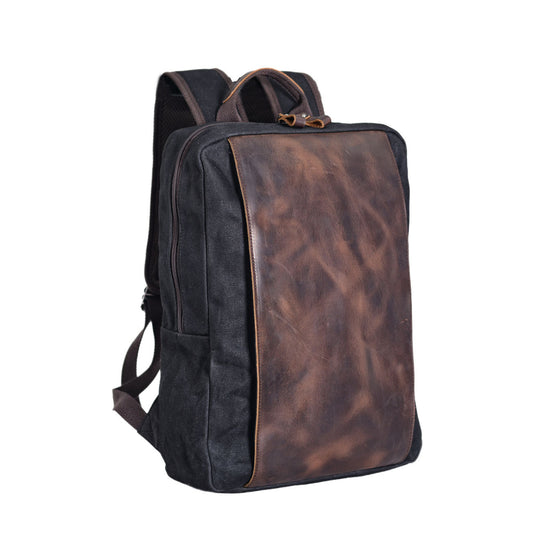
The most versatile category, tactical backpacks in the 30-50 liter range are suitable for day hikes, overnight trips, and general outdoor use. They offer enough capacity for extra layers, food, water, a first-aid kit, and shelter without being so large that they encourage overpacking. These bags are the sweet spot for most outdoor adventurers.
Tactical Duffle Bags
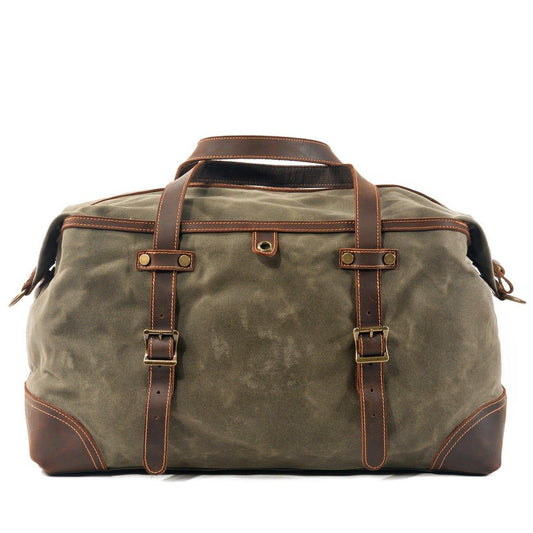
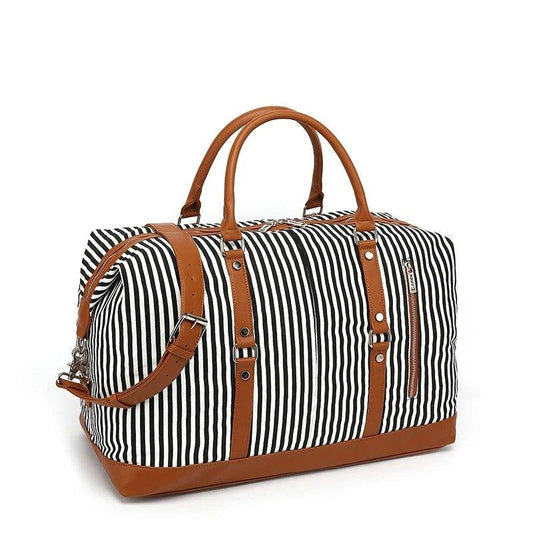
For base camp setups, vehicle-based adventures, or trips where you need to carry bulky gear, a tactical duffle bag offers cavernous storage in a rugged package. Look for models with both backpack straps and carry handles for maximum transport flexibility. These are ideal for fly-in fishing trips in Alaska or overlanding expeditions across the Australian Outback.
Tactical Sling Bags
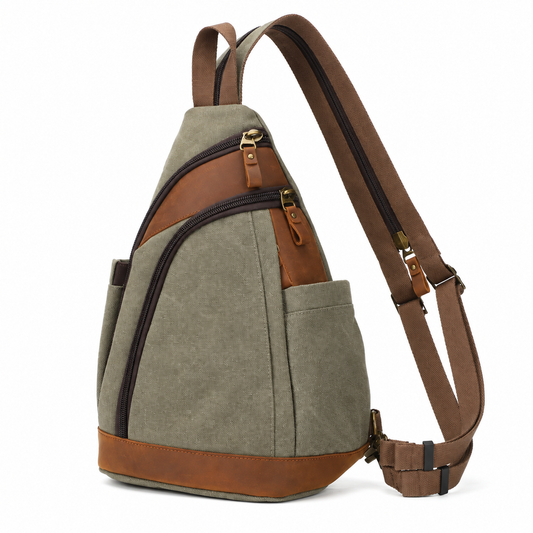
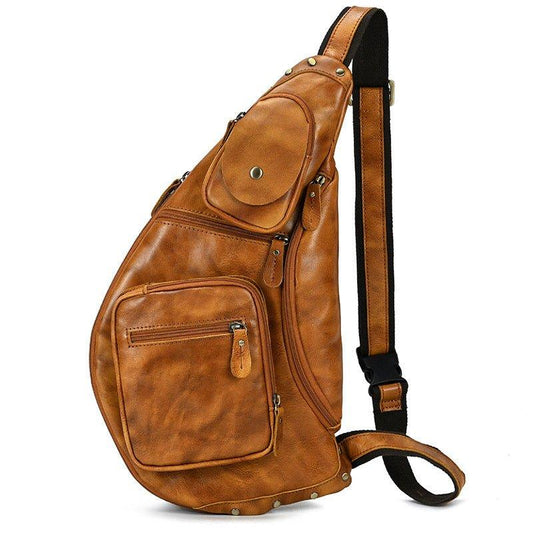
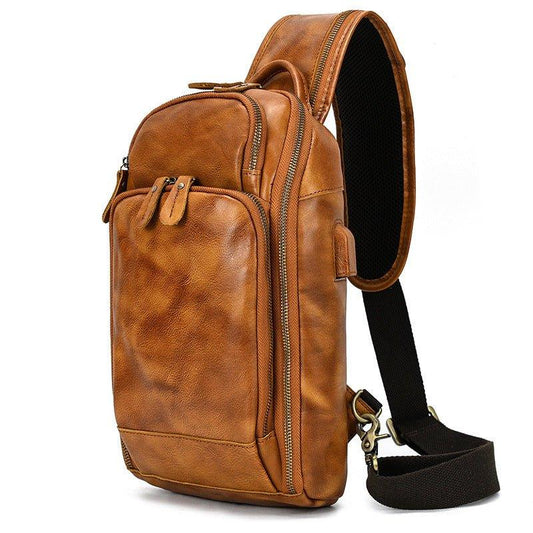
For minimalists and day-trippers, a tactical sling bag offers quick access to essentials without the bulk of a full backpack. These single-strap bags swing to the front for rapid gear access, making them popular among photographers, hikers who want to carry only the basics, and urban adventurers who appreciate the tactical aesthetic. They're also excellent as a personal item on flights.
Tactical Waist Packs and Belt Bags
For trail running, fast hiking, or as a supplement to a larger pack, tactical waist packs keep essentials — phone, snacks, multi-tool, first-aid basics — within arm's reach. They're increasingly popular in 2026 as the "fanny pack" aesthetic continues its fashion resurgence, now with legitimate outdoor functionality.
Comparison: Tactical Bag Types at a Glance
| Feature | Tactical Backpack | Tactical Duffle | Tactical Sling |
|---|---|---|---|
| Capacity | 30-50L | 40-80L | 5-15L |
| Best Use | Hiking, camping, multi-day trips | Base camp, vehicle travel, gear transport | Day trips, EDC, photography |
| Carry Comfort | Excellent (dual straps + belt) | Good (backpack straps + handles) | Moderate (single strap) |
| MOLLE Webbing | Extensive | Moderate | Limited but functional |
| Price Range | $80-$300 | $60-$250 | $40-$150 |
Top Tactical Bag Brands to Watch in 2026
Established Leaders
The tactical bag market is dominated by several brands with deep military heritage. Maxpedition continues to set the standard for build quality and innovative organizational features. 5.11 Tactical offers a wide range of bags that bridge the gap between tactical and everyday use. Mystery Ranch, founded by a legendary pack designer, focuses on load-carrying comfort and is used by military and wildland firefighting units worldwide. GoRuck builds bags specifically designed to withstand rucking (weighted backpack marches) and their events, which have become a global fitness phenomenon.
Rising Contenders
Beyond the established names, several brands are making waves in 2026. Woosir offers tactical-inspired bags that blend military functionality with vintage aesthetics, using waxed canvas and genuine leather to create bags that perform outdoors without looking like surplus gear. This crossover appeal is increasingly popular among adventurers who want tactical function without the aggressive military aesthetic. Other brands like Hazard 4 and Vanquest continue to innovate with modular designs and specialized features for niche outdoor activities.
How to Choose the Right Tactical Bag for Your Adventures
With so many options on the market, narrowing down the right tactical bag requires honest assessment of your needs:
- Define your primary activity: Hiking, camping, hunting, fishing, overlanding, or urban EDC? Each demands different features.
- Determine your capacity needs: A 30L pack covers most day hikes and overnight trips. For 3+ day expeditions, look at 45L and above.
- Consider your climate: Wet environments demand superior water resistance. Hot climates benefit from ventilated back panels. Cold weather requires bags that won't stiffen or crack at low temperatures.
- Evaluate the modularity: If you anticipate varying uses, prioritize MOLLE webbing and removable compartments. If your needs are consistent, a fixed-configuration bag may be lighter and simpler.
- Test the fit: If possible, load the bag with 15-20 pounds and walk with it. Comfort is subjective, and a bag that fits one person perfectly may be uncomfortable for another.
- Set a realistic budget: Quality tactical bags range from $80 to $300+. Spending more typically gets you better materials, hardware, and construction — but diminishing returns kick in above $250.
Caring for Your Tactical Bag
A quality tactical bag is an investment that can last a decade or more with proper care. Follow these maintenance tips:
- Clean regularly: Remove dirt and debris with a soft brush and mild soap. Avoid harsh detergents that can degrade water-repellent coatings.
- Reapply DWR treatment: Every 6-12 months, refresh the water-repellent coating with a spray-on DWR product to maintain water beading.
- Inspect hardware: Check zippers, buckles, and straps for wear before major trips. Replace worn components before they fail in the field.
- Store properly: Empty the bag completely after each trip. Store in a dry, ventilated area away from direct sunlight to prevent fabric degradation.
- Address repairs promptly: Small tears can be patched with nylon repair tape. Loose stitching should be re-sewn before it spreads. Don't wait for a minor issue to become a major failure.
Frequently Asked Questions
Are tactical bags allowed on airplanes?
Yes, tactical bags are permitted as carry-on or checked luggage as long as they meet airline size requirements. The military-inspired aesthetic does not flag them for additional screening. However, be aware that MOLLE attachments and excessive straps can occasionally catch on baggage handling equipment, so secure all loose straps when checking a tactical bag.
Can I use a tactical bag for everyday commuting?
Absolutely. Many tactical bags are designed with a low-profile aesthetic that works well in urban environments. A 20-30L tactical backpack can carry a laptop, documents, and daily essentials while offering far superior durability compared to standard commuter backpacks. The organizational features also translate well to everyday carry needs.
What's the difference between tactical bags and hiking backpacks?
Hiking backpacks prioritize lightweight construction, ventilation, and load-carrying comfort over durability and modularity. Tactical bags prioritize ruggedness, modularity (MOLLE), and quick-access organization. For rough terrain, bushwhacking, or trips where your bag will take abuse, a tactical bag is superior. For long-distance thru-hiking where every ounce matters, a dedicated hiking backpack is usually the better choice.
How much should I spend on a tactical bag?
For occasional outdoor use, a quality tactical bag in the $80-$150 range will serve you well. For frequent or extreme use, investing $150-$300 in a premium bag from a reputable brand is justified by the superior materials and construction. The cost per use over a bag's lifetime often makes the higher initial investment more economical.
Tactical Bags for Specific Outdoor Activities
Hunting and Fishing
Hunters and anglers have unique gear requirements that tactical bags address exceptionally well. A hunting trip demands a bag that can carry ammunition, calls, game processing tools, and potentially a quartered animal on the way out. Tactical backpacks with 40-50L capacity, MOLLE webbing for attaching hunting-specific pouches, and quiet fabric treatments are ideal. Look for bags in earth tones or camo patterns that blend with natural environments.
For fishing, a tactical sling bag or waist pack keeps tackle boxes, extra line, pliers, and a first-aid kit accessible while wading in rivers or standing on rocky shorelines. Water resistance is non-negotiable — you need a bag that can survive an accidental submersion without destroying your phone or wallet. Many anglers opt for a tactical dry bag with roll-top closure for maximum water protection.
Rock Climbing and Mountaineering
Climbers need bags that can withstand sharp rock edges, carry ropes and hardware, and attach to harnesses or haul lines. A tactical duffle with reinforced bottom panels works well for transporting gear to the crag. For multi-pitch climbs, a small tactical pack (15-25L) carries essentials like water, snacks, a first-aid kit, and an extra layer without interfering with harness gear loops. Look for bags with minimal external straps that could snag on rock features.
Winter Sports and Cold Weather
Cold weather introduces unique challenges for tactical bags. Zippers can freeze, plastic hardware becomes brittle, and fabric can stiffen in sub-zero temperatures. For winter adventures, look for bags with oversized zipper pulls that can be operated with gloved hands, metal hardware (which resists cold-induced cracking better than plastic), and insulated hydration tube routing to prevent freezing. A bag that performs flawlessly in summer can become nearly useless in January at 10,000 feet if these features are absent.
Budget vs Premium Tactical Bags: What Justifies the Price?
The tactical bag market spans a wide price range, from $40 budget options to $300+ premium models. Understanding what drives the price difference helps you make an informed decision:
- Material quality: Premium bags use genuine 1000D Cordura, while budget options often use lower-denier nylon marketed as "tactical-grade." The difference in abrasion resistance is immediately apparent after a few rough trips.
- Hardware: Premium bags feature name-brand zippers (YKK, Aquaguard), Duraflex buckles, and military-spec webbing. Budget bags use generic alternatives that may fail under load.
- Construction: Premium bags have bartacked stress points, double-stitched seams, and sealed or taped seams. Budget bags may have single-stitched seams that unravel under stress.
- Warranty: Premium brands typically offer lifetime warranties against manufacturing defects. Budget bags rarely include any warranty beyond 30 days.
- Design features: Premium bags often include features like hydration bladder compatibility, ventilated back panels, and ergonomic shoulder harnesses that budget bags lack.
For occasional use, a mid-range bag ($80-$150) offers the best value. For serious adventurers who depend on their gear in challenging conditions, the premium price is justified by reliability and longevity.
Conclusion: Equipping for Adventure in 2026
Tactical bags for outdoor adventures represent the intersection of military engineering and civilian outdoor recreation. In 2026, the market offers more choices than ever — from hardcore military-spec designs to tactical-inspired bags that blend rugged functionality with everyday style. By focusing on the features that matter most for your specific adventures — material durability, water resistance, modularity, comfort, and organization — you can find a tactical bag that will be a reliable companion on every trail, peak, and expedition for years to come.
Whether you're planning a weekend camping trip in the Lake District, a multi-day trek through the Himalayas, or an overlanding journey across the American West, the right tactical bag keeps your gear organized, protected, and accessible. Invest wisely, maintain diligently, and your tactical bag will outlast countless adventures, becoming as much a part of your outdoor story as the trails you've walked and the summits you've reached.
Tactical Bags for Specific Outdoor Activities
Hunting and Fishing
Hunters and anglers have unique gear requirements that tactical bags address exceptionally well. A hunting trip demands a bag that can carry ammunition, calls, game processing tools, and potentially a quartered animal on the way out. Tactical backpacks with 40-50L capacity, MOLLE webbing for attaching hunting-specific pouches, and quiet fabric treatments are ideal. Look for bags in earth tones or camo patterns that blend with natural environments.
For fishing, a tactical sling bag or waist pack keeps tackle boxes, extra line, pliers, and a first-aid kit accessible while wading in rivers or standing on rocky shorelines. Water resistance is non-negotiable — you need a bag that can survive an accidental submersion without destroying your phone or wallet. Many anglers opt for a tactical dry bag with roll-top closure for maximum water protection.
Rock Climbing and Mountaineering
Climbers need bags that can withstand sharp rock edges, carry ropes and hardware, and attach to harnesses or haul lines. A tactical duffle with reinforced bottom panels works well for transporting gear to the crag. For multi-pitch climbs, a small tactical pack (15-25L) carries essentials like water, snacks, a first-aid kit, and an extra layer without interfering with harness gear loops. Look for bags with minimal external straps that could snag on rock features.
Winter Sports and Cold Weather
Cold weather introduces unique challenges for tactical bags. Zippers can freeze, plastic hardware becomes brittle, and fabric can stiffen in sub-zero temperatures. For winter adventures, look for bags with oversized zipper pulls that can be operated with gloved hands, metal hardware (which resists cold-induced cracking better than plastic), and insulated hydration tube routing to prevent freezing. A bag that performs flawlessly in summer can become nearly useless in January at 10,000 feet if these features are absent.
Budget vs Premium Tactical Bags: What Justifies the Price?
The tactical bag market spans a wide price range, from $40 budget options to $300+ premium models. Understanding what drives the price difference helps you make an informed decision:
- Material quality: Premium bags use genuine 1000D Cordura, while budget options often use lower-denier nylon marketed as "tactical-grade." The difference in abrasion resistance is immediately apparent after a few rough trips.
- Hardware: Premium bags feature name-brand zippers (YKK, Aquaguard), Duraflex buckles, and military-spec webbing. Budget bags use generic alternatives that may fail under load.
- Construction: Premium bags have bartacked stress points, double-stitched seams, and sealed or taped seams. Budget bags may have single-stitched seams that unravel under stress.
- Warranty: Premium brands typically offer lifetime warranties against manufacturing defects. Budget bags rarely include any warranty beyond 30 days.
- Design features: Premium bags often include features like hydration bladder compatibility, ventilated back panels, and ergonomic shoulder harnesses that budget bags lack.
For occasional use, a mid-range bag ($80-$150) offers the best value. For serious adventurers who depend on their gear in challenging conditions, the premium price is justified by reliability and longevity.