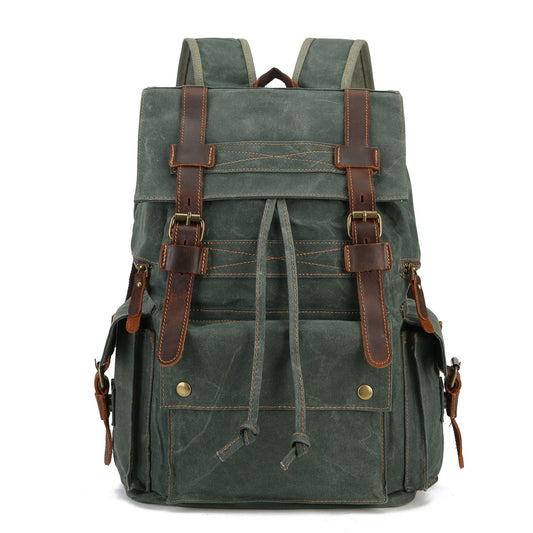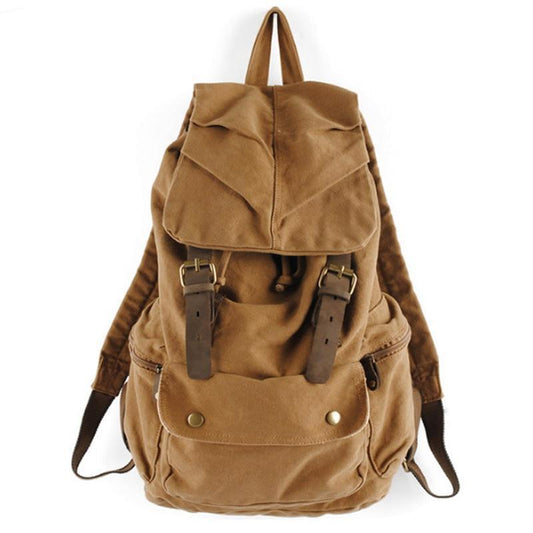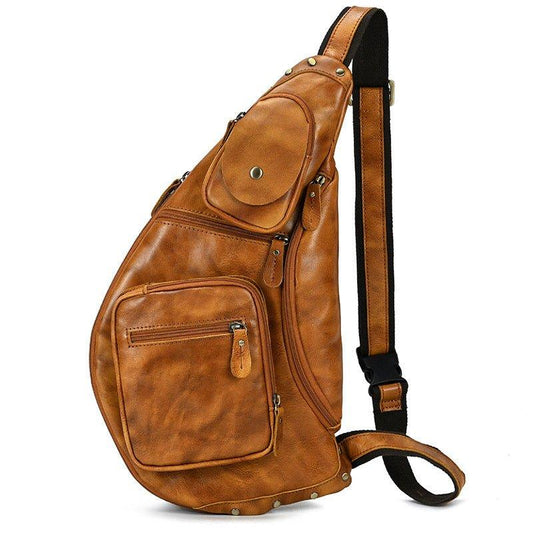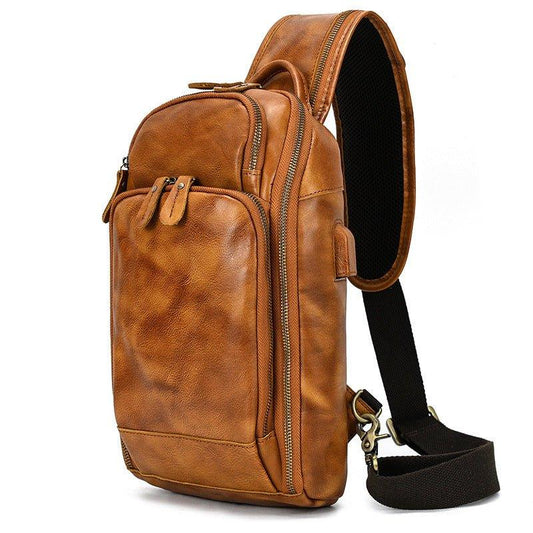


Tactical Backpack vs Hiking Backpack: Which Wins for Outdoor Adventures in 2026?

A tactical backpack and a hiking backpack can both carry outdoor equipment, but their priorities are different. Tactical packs emphasize modular attachment points, durable access, and a compact loadout; hiking packs usually emphasize harness fit, ventilation, load transfer, and comfort over distance.
This 2026 comparison explains how to choose by route, capacity, harness, organization, weather, materials, and responsible use. Check current product specifications before relying on a feature or capacity claim.
Define the route and load
A short urban-outdoor trip may need water, a layer, first aid, navigation, and a small tool kit. A longer hike may add food, shelter, extra clothing, and more water. Write the list first because the same capacity behaves differently when the load is dense, bulky, or wet.
A tactical pack can be useful for modular access, while a hiking pack can be better for a stable multi-hour load. Do not choose the appearance of one category when the route requires the carrying system of the other.
Compare harness and load transfer
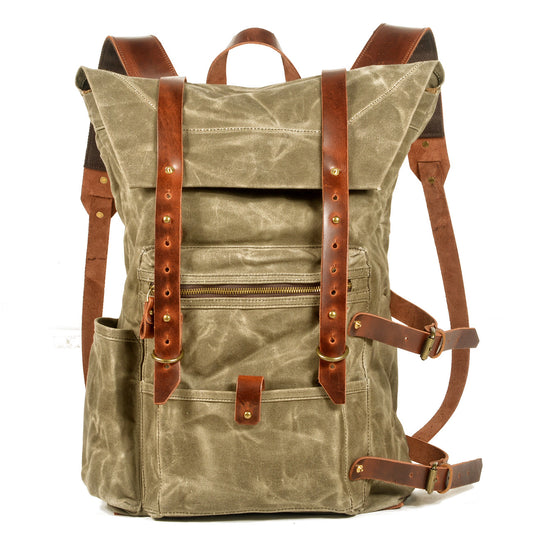
Hiking packs often use a shaped back panel, sternum strap, and hip belt to move weight toward the pelvis. Tactical packs may use a simpler harness that works well for moderate loads and quick movement. Test both with a full bottle and the heaviest item you expect to carry.
Adjust straps while standing and walking. The pack should stay close without restricting breathing, and hard objects should not press against the spine. Comfort is a performance feature because an uncomfortable pack changes how people move and how much equipment they can safely carry.
Organization and modularity
Tactical webbing and external loops make it easy to add pouches, but every accessory adds weight and snag points. Hiking packs may use fewer external attachment options while offering dedicated zones for clothing, water, and weather layers.
Keep the core load inside the bag where it is protected. Use exterior attachments only for items that genuinely need quick access, such as a rain layer or water bottle. A restrained setup is easier to inspect and less likely to catch on branches or doors.
Capacity and partial-load control
Choose volume from the bulky items that cannot be compressed. A large tactical pack can handle variable equipment, but compression straps are needed when it is not full. A hiking pack may manage a technical load better through a shaped frame or a more defined compartment system.
Pack dense objects close to the back and keep lighter layers outside them. Test the pack at half and full capacity because some designs feel stable only when completely filled. The right size remains controlled as the itinerary changes.
Material and weather planning
Durability depends on fabric, seam construction, base protection, zippers, and hardware. Tactical materials may prioritize abrasion resistance, while hiking designs may balance weight and weather management. Compare the construction with the actual exposure rather than choosing the heaviest fabric by default.
Water-resistant fabric is not a dry interior. Use a liner for electronics and documents, carry rain protection, and dry the pack open after wet weather. Brush grit from zippers and inspect webbing after abrasive routes.
Choose for responsible everyday use
Tactical styling can serve hiking, travel, photography, and emergency preparation without requiring a combat context. Focus the purchase on civilian needs: comfortable carry, visible organization, safe attachment points, and a reasonable load.
Choose a hiking pack when distance, body fit, and load transfer dominate. Choose a tactical pack when modular access, rugged organization, and compact external tools dominate. If both matter, test the exact load and route rather than relying on category labels.
Final comparison checklist
- Define the route, duration, and equipment list.
- Test harness, hip belt, and shoulder comfort with the actual load.
- Compare modular attachment points with their added weight.
- Plan inner protection and rain management.
- Choose the category whose carrying system solves the main problem.


A tactical or hiking backpack should be evaluated with the actual outdoor load, not empty. Walk, sit, bend, and reach for quick-access items, then remove accessories that add weight without solving a problem. A disciplined setup protects the body, the contents, and the bag's attachment points.
The comparison is also a question of pacing. A tactical pack may be excellent for quick access and short mixed-use trips, while a hiking pack becomes more valuable as distance, elevation, and load increase. Try the pack on the route or a similar walk with the actual water, layers, and tools before committing.
Check current dimensions, harness details, and material care on the live page. Choose the pack whose main carrying problem is solved without adding unnecessary weight or accessories.
A real-world test should include the route's movement, not only a mirror fitting. Walk uphill, sit, reach, and adjust the straps with the load inside. If the pack shifts or an attachment catches, change the setup before adding more equipment. The right pack supports deliberate movement.
Comfort, access, and a controlled load should decide the category before styling details. Test the pack with water, layers, and every accessory you expect to carry.
Related Woosir resources
Use these related Woosir pages to compare current materials, dimensions, care details, and available variants before making a final decision.