School Backpack vs Travel Backpack Features 2026 – Woosir Skip to content

10% OFF on Your First Order, coupon code: WS10

School Backpack vs Travel Backpack: Organization, Features & the Best of Both Worlds in 2026

by Woosir Editorial Team 01 Sep 2026 0 comments
Students at classroom desks with school backpacks for daily use

The debate over school backpack vs travel backpack usually starts with size, but the real difference is organization. A school pack is built to keep folders, a laptop, and a water bottle exactly where a student can grab them between classes. A travel daypack is built to protect electronics, hide valuables from pickpockets, and open flat at a security line. Understanding those design priorities is the fastest way to choose a pack that works for both jobs. This guide compares the two, pocket by pocket, and shows which features matter most in 2026 for anyone who carries a bag to class and then carries the same bag abroad.

We have fitted packs for high-schoolers, university students, and gap-year travelers, and the pattern is consistent: people buy by liters and regret it by layout. A 28-liter pack with poor pockets feels smaller than a 22-liter pack that is organized. The rest of this guide is about layout, because that is what you actually live with every day, whether you are sprinting to a lecture or boarding a night bus.

School Backpack vs Travel Backpack — The Core Difference

Both carry weight on two shoulders, but they optimize for opposite days. The school backpack serves a fixed routine: same books, same locker, same hallway. The travel backpack serves a changing one: new cities, new transport, new threats to your gear. That single difference drives every pocket, strap, and zipper choice below, and it is why a pack built for only one of those lives eventually lets you down in the other.

Man wearing a stylish backpack for commuting and travel

Internal Organization Compared

Here is how the two packs typically differ on the inside, and why it matters when you use one bag for both.

Feature School Backpack Travel Backpack
Main opening Top loader Clamshell / full zip
Laptop sleeve Basic, near spine Padded, suspended, quick access
Admin panel Pen loops, card slots Document pocket, cable pass
Hidden pockets Rare Common (anti-theft)
Water bottle Open side mesh Secure side or hidden
Shape Upright, boxy Slim, close to back

A student who also travels benefits most from a pack that borrows the travel side's clamshell opening and suspended sleeve while keeping the school side's elbow-room admin panel. That combination is the "do both" layout we recommend over and over.

The Student-to-Traveler Transition

Many buyers are students heading into a study-abroad term or a gap year. The same pack that carries textbooks in September should carry a laptop and a week of clothes in October. The trick is to treat the pack as two zones: a "daily carry" front section that never changes, and a "travel" main section you repack per trip. Keep chargers and a notebook in the admin panel year-round; move clothes into the main clamshell only when you leave town. This mental split means you are never re-learning the bag, just reloading one half of it.

Pocket-by-Pocket Breakdown

The organization is where the two styles either help you or let you down. Walk the key pockets in order and you will see exactly what to look for.

Laptop and tablet protection

This is non-negotiable for both groups. Look for a sleeve that sits against the back panel (closest to your spine, farthest from impact) and is suspended a few centimeters off the floor so a dropped bag does not transfer shock straight to the device. Travel packs often add a side or back opening so you can slide the laptop out at security without emptying the main compartment, and that same opening is a gift during a classroom laptop check or a library move.

The front admin panel

On a school pack this holds pens, a calculator, and a student ID. On a travel pack it holds a passport, a boarding pass, and a small cable organizer. Either way, a structured panel stops small items from sinking to the bottom and turning into a lucky-dip. Choose one with at least two zip pockets and a key clip, because the day you lose your keys in a bottomless main compartment is the day you buy a better pack.

Water bottle and side access

Students want an open mesh pocket for a bottle they grab all day. Travelers want a secured side pocket that will not flop open on a bumpy scooter. If you do both, pick a pack with a cinch or zip side pocket you can close on the road and leave loose on campus. A bottle that escapes on a crowded train soaks your notes and annoys everyone behind you, so the closure matters more than it looks.

Hidden anti-theft compartments

Travel packs add a zippered pocket against your back, impossible for anyone behind you to reach. School packs rarely bother, but if you commute on crowded transit, this feature is worth having year-round. Pair it with lockable zipper pulls on the main compartment, and you have a bag that protects your phone on the subway and your passport on the metro alike.

Features That Matter for Both Jobs

  • Padded, breathable back panel. Comfort at 5 kg on campus equals comfort at 8 kg abroad, and mesh that breathes saves your shirt in summer.
  • Compression straps. They shrink a half-empty pack so it does not swing, whether you are biking to class or boarding a bus in the rain.
  • Water-resistant shell. A waxed canvas or coated nylon exterior protects books and electronics from a sudden shower without a rain cover.
  • Sternum strap. Keeps load off your neck on long walking days and keeps the pack from sliding during a sprint to the platform.
  • YKK or equivalent zippers. The single most common failure point; spend up for the gauge that matches your load and they will outlast the fabric.

Choosing by Age and Budget

Match the pack to the user, not just the trip, and you avoid the classic mistake of buying a 35-liter trekker for a twelve-year-old.

User Best size Budget guidance
Primary school 12-16 L Light, padded, under-load friendly
High school 18-22 L Laptop sleeve + bottle pocket
University 22-28 L Clamshell + suspended sleeve
Study abroad / travel 28-35 L Anti-theft + carry-on legal

A 25- to 30-liter pack is the sweet spot that carries a laptop and a textbook today and a weekend of clothes tomorrow, which is why it is the size we steer most student-travelers toward.

Can One Backpack Do Both?

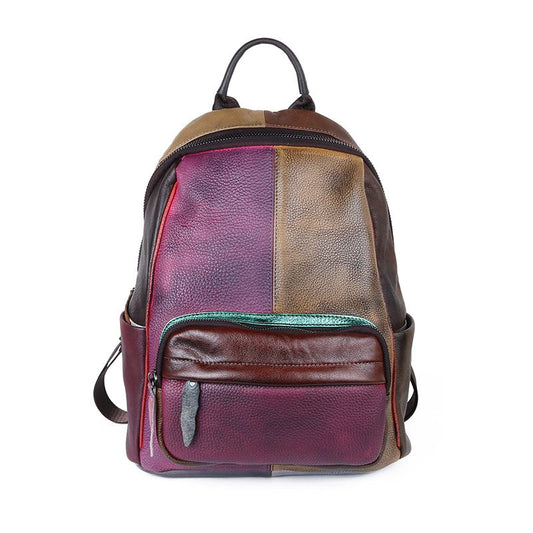
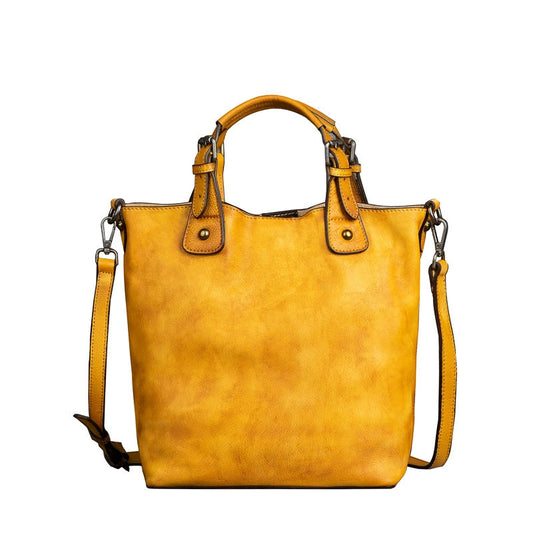
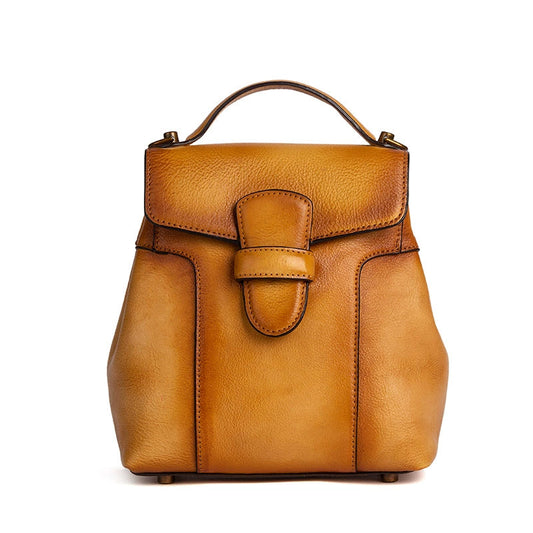
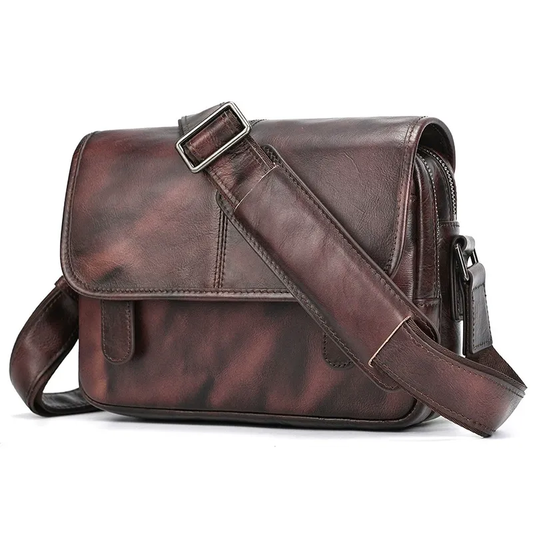
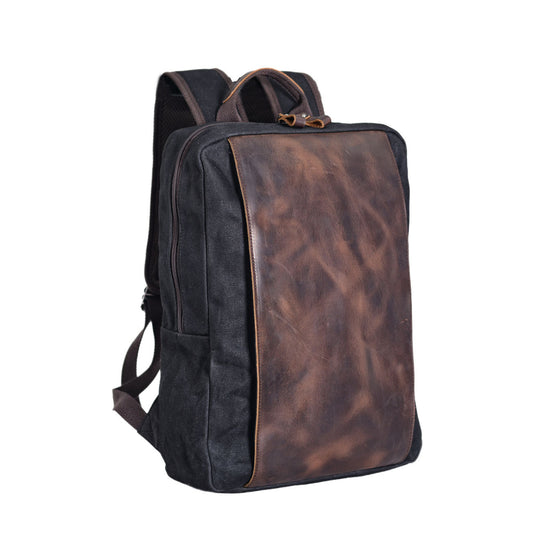
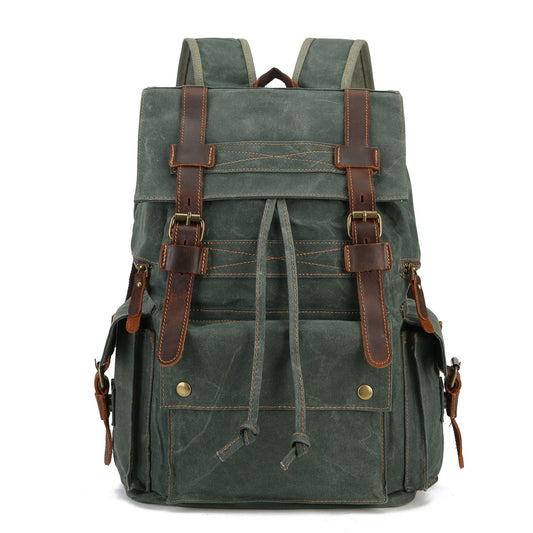
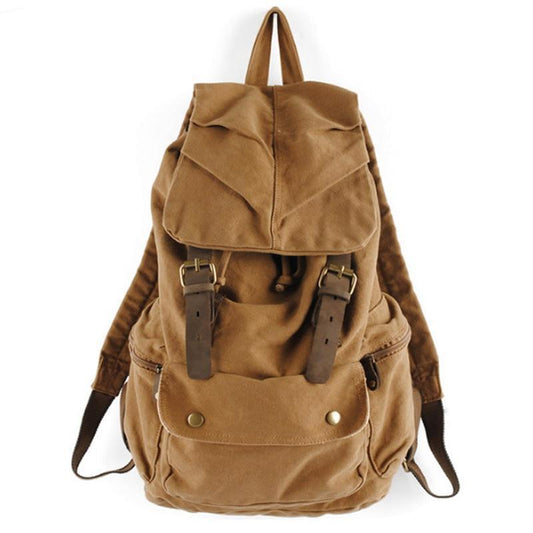
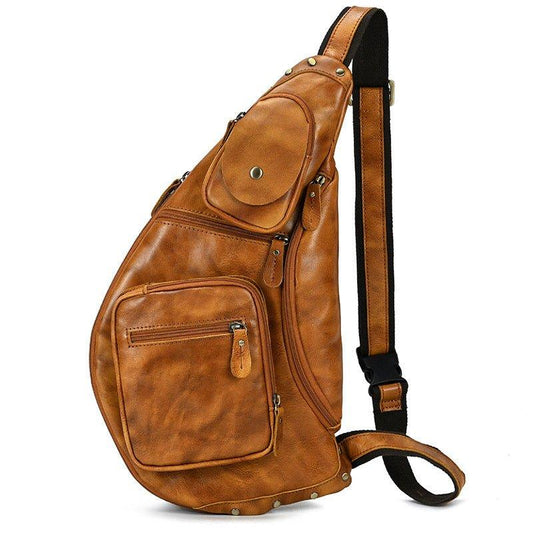
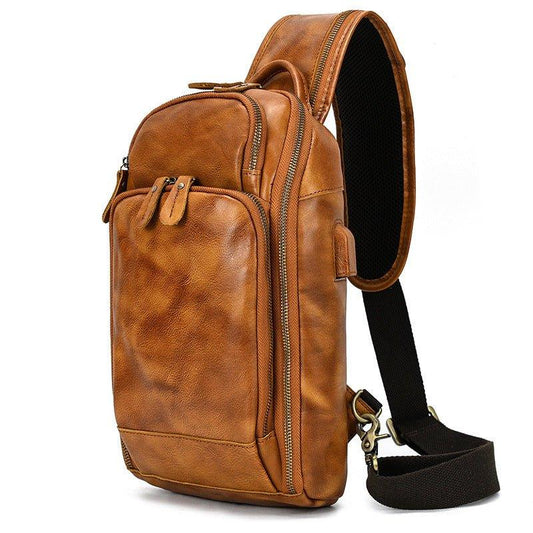
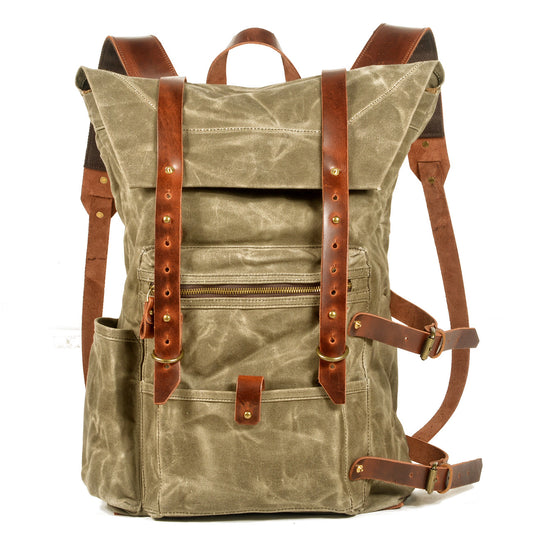
Yes, if you pick a "travel-ready" daypack rather than a pure trail or pure campus model. The ideal hybrid has a clamshell main, a suspended laptop sleeve, a hidden back pocket, and a structured admin panel. It looks at home in a lecture hall and clears a personal-item sizer on a budget airline. If you want that do-everything shell, start from our canvas and leather backpack range, which pairs classroom polish with travel toughness, or browse hiking backpack options if your trips lean outdoors. For a leather-forward everyday carry, see genuine leather backpacks.

School and Travel Realities by Region

Where you use the pack changes what you prioritize, so think about the places you will actually be before you choose fabric and pockets.

Europe

Cobbled campuses and packed metros reward a slim, close-to-back profile with anti-theft pockets. A 30-liter pack that meets low-cost carry-on limits saves you a checked-bag fee on weekend city breaks, and a quieter colorway draws less attention in tourist queues.

Asia

Heat and humidity favor breathable mesh backs and lighter shells. Monsoon seasons make a water-resistant waxed canvas or coated nylon worth the upgrade, and a secure side pocket keeps a bottle from soaking your notes on a scooter commute through a downpour.

The Americas

Big campuses and road trips want capacity and a sternum strap for long walks. Variable climate argues for a pack that fits a compressible layer, and a padded sleeve that survives being tossed in a car trunk is a feature you only appreciate after the first rough ride.

Common Buying Mistakes

  • Chasing liters over layout. A 28-liter pack with poor pockets feels smaller than a 24-liter pack that is organized, every single time.
  • Skipping the laptop test. Confirm your device actually fits the suspended sleeve before you buy; "fits most laptops" is not "fits your laptop."
  • Buying a top loader for travel. Without a clamshell opening, packing clothes is a daily frustration you will feel on every trip.
  • Ignoring strap padding. Thin straps hurt at week two, not week one, and by then the bag is worn in and harder to return.
  • Forgetting the warranty. A repairable pack outlasts two cheap ones, and a good brand will replace a failed zipper rather than the whole bag.

Frequently Asked Questions

Can a school backpack be used for travel?
Yes, if it has a clamshell opening, a suspended laptop sleeve, and at least one secure pocket. A pure top-loader is frustrating on the road because you unpack the whole bag to reach the bottom.

What size works for both school and a weekend trip?
A 25- to 30-liter pack is the overlap: enough for a laptop, a textbook, and a two- to three-day clothing load without tipping into checked-bag territory.

Is a leather backpack practical for school?
Genuine leather looks sharp and lasts for years, but it is heavier when wet. Waxed canvas is the lighter, weather-friendly alternative for daily campus use and still ages with character.

How do I stop theft on transit?
Use a pack with a hidden back pocket, lock the main zippers, and wear it front-facing in crowded stations. Awareness beats any gadget, but the layout makes awareness easier.

Do I need a hip belt for school?
For daily campus loads under about 7 kg, a sternum strap is enough. A hip belt matters only when the pack is loaded for travel and worn for long walks, which is where the hybrid earns its straps. If you buy a pack with a stowable hip belt, you get campus comfort on weekdays and trail support on weekends without a second bag.

Materials: Canvas, Leather, and Nylon for One Pack

Fabric decides how the pack ages across both jobs, and it is worth choosing on purpose rather than by look alone. Waxed canvas is the classroom-to-cafe favorite: it resists light rain, hides scuffs, and develops a patina that looks better each semester, which suits a bag you carry daily for years. Genuine leather trim adds structure and a professional edge for presentations and internships, but it adds weight and needs the occasional conditioning to stay supple. Nylon is the lightest and most weatherproof, ideal for humid or active trips, though it shows wear sooner and reads more sporty than scholastic. For a single pack that does school and travel, waxed canvas with leather trim is the balanced pick, with nylon reserved for travelers who prioritize grams over looks and rarely set the bag down in a lecture hall.

Packing It for a Trip Without Losing Your School Setup

The real fear with one bag is that trip packing ruins your daily routine. It does not, if you pack in layers and treat the two zones as separate modules. Keep the admin panel exactly as it is during term — pens, charger, notebook, ID, key clip — and treat the main clamshell as a travel module you swap in only when you leave town. Roll clothes into the cubes you already own, lay them in the main compartment around the laptop sleeve, and clip the compression straps so the shell stays slim. When you return, pull the cubes out and your school layout is untouched, ready for Monday. This swap-in, swap-out rhythm is the reason a well-organized pack beats two specialized ones for any student who also travels, because you never re-learn the bag, you only reload half of it.

Weight, Posture, and Long-Term Comfort

Whatever the pack, load discipline protects your back, and the habits you build in school pay off on the road. Keep the heaviest items — laptop, textbooks, a packed cube — against the back panel and close to your body, never dangling at the front where they pull you backward. Tighten the sternum strap before you walk more than a few minutes, and use the hip belt on travel days when the load passes about 8 kg. A loaded pack should sit high between the shoulder blades, not drag on the hips, and if it does not, you have too much in the lid or the front pocket. Learn this early and a heavy exam-week carry feels the same as a light travel day, because the weight is always where your skeleton can handle it.

When to Admit You Need Two Bags

One pack does both jobs for most people, but not all. If your course load means a 5 kg textbook day plus a 15-inch laptop, and your trips mean a week of winter clothing, you may outgrow a single 30-liter shell. The honest signal is stuffing: if the clamshell will not close without sitting on it, or the straps bruise your shoulders by mid-semester, split the load. A smaller campus pack plus a dedicated travel pack is the grown-up answer, and there is no shame in it. For everyone below that threshold, the do-both hybrid remains the smarter, lighter, cheaper choice, and the layout rules above are what make it work.

Conclusion

The school backpack vs travel backpack choice is really a choice about organization. A student who travels needs a pack with a clamshell main, a suspended laptop sleeve, an admin panel for daily carry, and a hidden pocket for valuables on the road. Pick that layout once and it serves the lecture hall and the departure gate alike, and you stop hauling two bags that each do half a job. Compare our canvas and leather backpack, hiking backpack, and genuine leather backpacks collections to find the one pack that does both jobs in 2026.

New Arrival

Best Sellers

Close
Edit Option
Close
Notify Me
Close
Login Close
My Cart (0) Close