

New York City Travel Guide 2026: Expert Tips for Exploring the Big Apple

New York City is unlike anywhere else on Earth. It's not just the skyline, the energy, or the 24/7 rhythm — it's the feeling that anything could happen at any moment. This New York travel guide for 2026 provides everything you need: which landmarks earn their fame, which neighborhoods reveal the real NYC, where to eat at every budget, and how to navigate the city like a local.
Whether you're a first-time visitor checking off the Statue of Liberty and Times Square, or a returning traveler exploring Brooklyn and Queens, this guide has you covered.
When to Visit NYC in 2026
New York has dramatic seasons, and timing affects everything. This New York travel guide recommends:
Spring (April–June): The city comes alive. Cherry blossoms in Central Park and the Brooklyn Botanic Garden, outdoor dining returns, and temperatures are pleasant (15–25°C). May is arguably the best month — warm but not humid, with long daylight hours.
Summer (July–August): Hot and humid (30–35°C with high humidity), but the energy is electric. Free outdoor concerts, Shakespeare in the Park, rooftop bars, and fireworks over the East River. Hotel prices peak, and popular attractions require advance booking.
Autumn (September–November): The sweet spot. September still feels like summer, October delivers crisp air and fall foliage in Central Park, and November brings the Macy's Thanksgiving Day Parade and holiday window displays. The best weather and manageable crowds make autumn ideal.
Winter (December–March): Holiday magic (the Rockefeller Center tree, ice skating, Fifth Avenue windows) followed by deep winter (January–February). Temperatures can drop to -10°C with biting wind between skyscrapers. Hotel prices are lowest in January–February, and Broadway tickets are easier to find.
NYC's Essential Experiences
Central Park
Central Park is New York's backyard — 843 acres of designed landscape that somehow feels both wild and curated. Rent a bike (Citi Bike is the city's bike-share system), row a boat on the Lake, visit the Bethesda Terrace and Fountain, and climb Belvedere Castle for skyline views. The park changes dramatically with the seasons — cherry blossoms in April, lush green in summer, spectacular foliage in October, and snow-covered stillness in winter.
The Metropolitan Museum of Art
The Met is one of the world's greatest museums, spanning 5,000 years of art across every culture. Admission is $30 for adults, but the ticket is valid for three consecutive days and also covers The Met Cloisters (a medieval art museum in Fort Tryon Park — worth the trip uptown). Focus on 2–3 collections that interest you most. The rooftop garden (open seasonally) offers skyline views and rotating sculpture installations.
The High Line and Hudson Yards
The High Line — an elevated freight rail line transformed into a linear park — is one of the best urban design projects of the 21st century. Walking its 1.45-mile length gives you a unique perspective on Chelsea and the Meatpacking District, with art installations, native plantings, and views of the Hudson River. End at Hudson Yards to see the Vessel (an interactive sculpture) and the Edge observation deck.
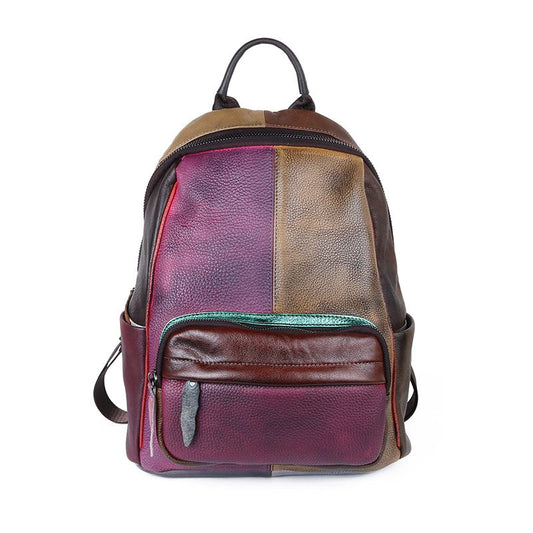
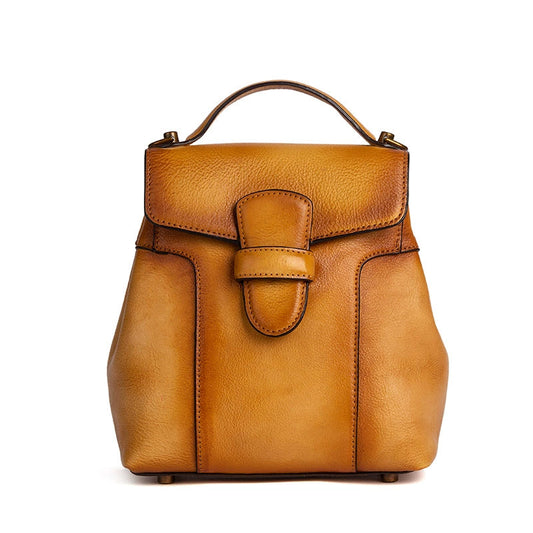
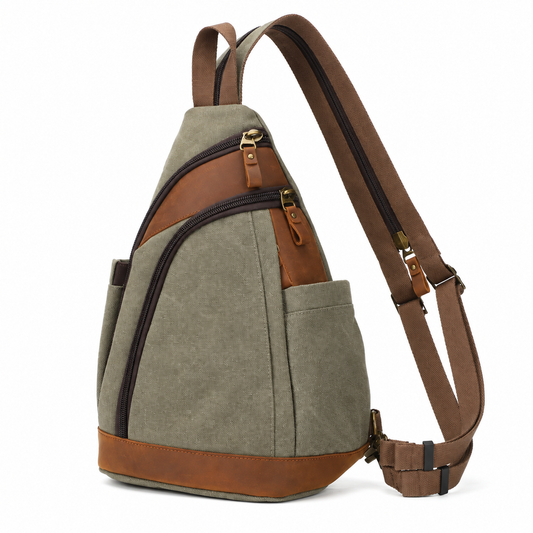
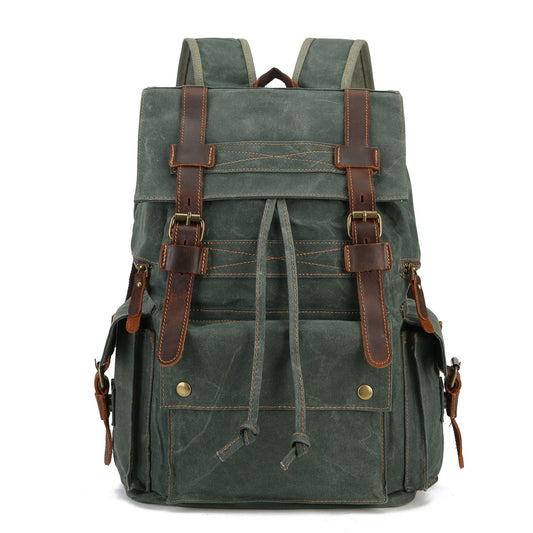
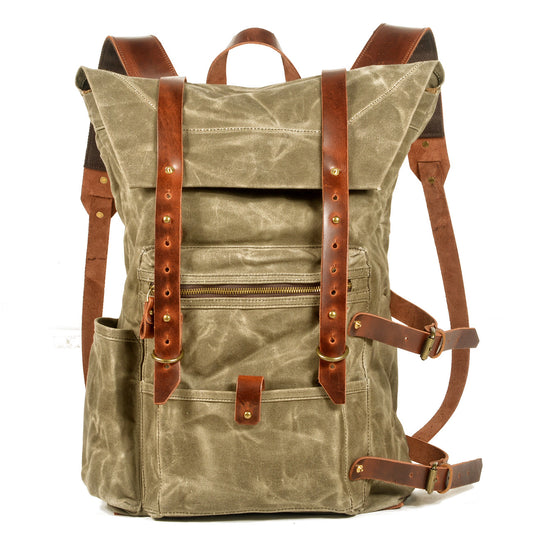
A comfortable daypack is essential for NYC exploration — you'll walk far more than you expect.
Brooklyn Bridge and DUMBO
Walking the Brooklyn Bridge at sunset is a quintessential NYC experience. Start from the Manhattan side (City Hall) and walk toward Brooklyn for the best views of the skyline. Once in Brooklyn, explore DUMBO (Down Under the Manhattan Bridge Overpass) — cobblestone streets, waterfront parks, and the famous photo spot at Washington Street where the Manhattan Bridge frames the Empire State Building.
NYC Neighborhoods Worth Your Time

| Neighborhood | Vibe | Don't Miss |
|---|---|---|
| West Village | Charming, bohemian | Brownstone-lined streets, jazz clubs, Washington Square Park |
| Lower East Side | Gritty, creative | Tenement Museum, Katz's Deli, speakeasy bars, street art |
| Williamsburg (Brooklyn) | Hipster, artsy | Smorgasburg food market (Saturdays), vintage shopping, waterfront parks |
| Harlem | Historic, soulful | Apollo Theater, soul food, Strivers' Row brownstones, gospel brunches |
| Astoria (Queens) | Multicultural, authentic | Museum of the Moving Image, Greek tavernas, craft breweries |
Eating in NYC: A World of Food
New York's food scene is arguably the most diverse on the planet. Here's how to eat well at every level:
- Dollar slice: The NYC pizza institution. Joe's Pizza in Greenwich Village is the gold standard. A plain slice should cost $1.50–3.00 — anything more is a tourist trap
- Bagels: Absolute Bagels (Upper West Side) or Ess-a-Bagel (Midtown East). A proper NYC bagel is boiled then baked, with a chewy exterior and dense interior. Cream cheese and lox is the classic order
- Food halls and markets: Chelsea Market, Smorgasburg (Brooklyn, weekends), and the new Tin Building by Jean-Georges offer dozens of vendors under one roof — perfect for groups with different tastes
- Ethnic enclaves: Dim sum in Chinatown (Manhattan or Flushing, Queens), Greek food in Astoria, Korean BBQ in Koreatown (32nd Street), Indian food in Jackson Heights
- Fine dining: NYC has 70+ Michelin-starred restaurants. Book weeks or months ahead for the most sought-after. Many offer more affordable lunch prix-fixe menus
Getting Around NYC
The subway is the great equalizer — 472 stations, 24/7 service, and a flat $2.90 fare regardless of distance. Use contactless payment (phone or card) at the OMNY readers — no need for a MetroCard. The subway can be confusing at first: uptown vs. downtown, local vs. express trains, and weekend service changes. Google Maps or Citymapper are essential.
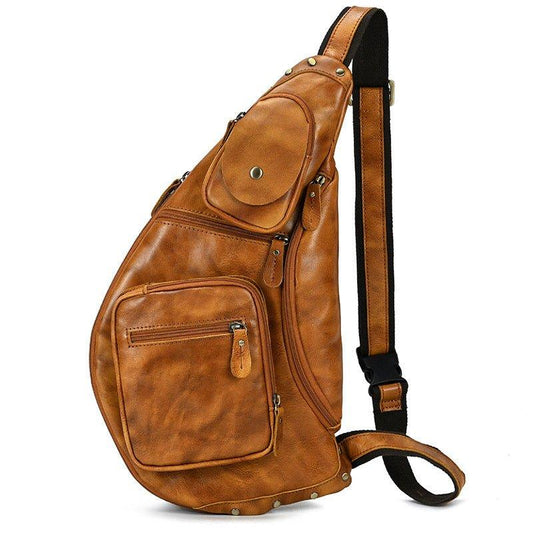
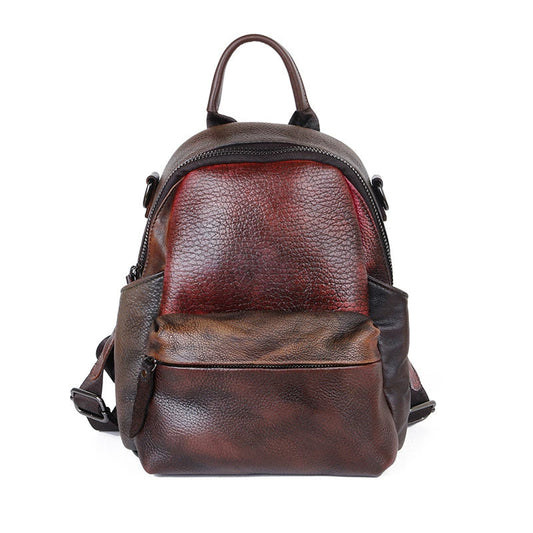
But NYC is also a walking city — arguably the best walking city in the world. Many neighborhoods are best explored on foot, and you'll discover more between subway stops than at the destinations themselves. A genuine leather backpack keeps your hands free and your essentials secure as you navigate the city.
Frequently Asked Questions
How many days do I need in NYC?
Five full days is ideal for first-time visitors — enough for Manhattan's highlights plus Brooklyn and maybe a museum or two. Four days covers the essentials at a comfortable pace. Three days is a whirlwind; you'll hit the icons but miss the neighborhoods that make NYC special. A week allows for deeper exploration of the outer boroughs.
Is NYC safe?
NYC is one of the safest large cities in the United States. Violent crime against tourists is extremely rare. Standard urban awareness applies: be mindful in crowded subway cars, avoid displaying expensive items openly, and trust your instincts. The subway is safe at virtually all hours — it's filled with regular New Yorkers going about their lives.
What's the best way to see the Statue of Liberty?
The Staten Island Ferry is completely free and offers excellent views of the Statue of Liberty and the Manhattan skyline. It runs 24/7 and takes about 25 minutes each way. If you want to visit Liberty Island and climb to the crown, book tickets 3–6 months in advance — crown access sells out far ahead.
Should I tip in NYC?
Yes — tipping is not optional in the United States. Restaurant servers: 18–20% of the pre-tax bill. Bartenders: $1–2 per drink. Taxi/rideshare: 15–20%. Hotel housekeeping: $3–5 per night. Coffee shop tip jars: appreciated but not strictly expected for counter service. Tipping culture is one of the biggest culture shocks for visitors from countries where service is included.
Conclusion: NYC Changes You
This New York travel guide provides the practical framework, but New York City provides the transformation. There's a reason the city inspires so many songs, films, and novels — it genuinely feels different from anywhere else. The energy, the diversity, the sense that the entire world converges on these five boroughs. Pack comfortable shoes, bring your appetite, and let New York do what it does best: surprise you.