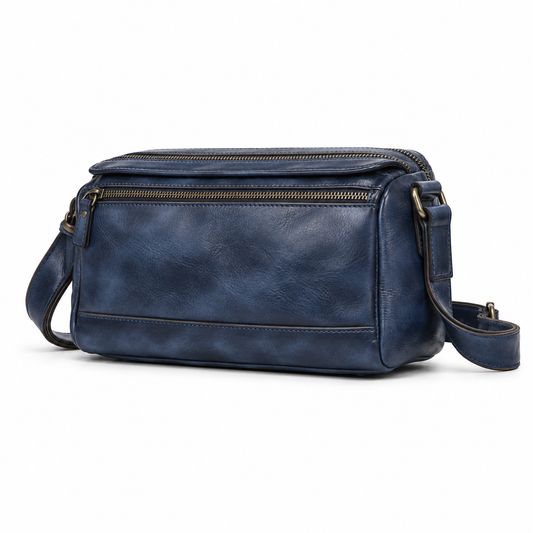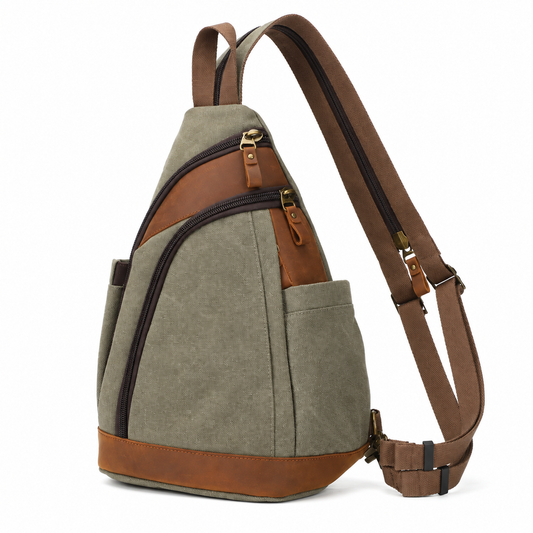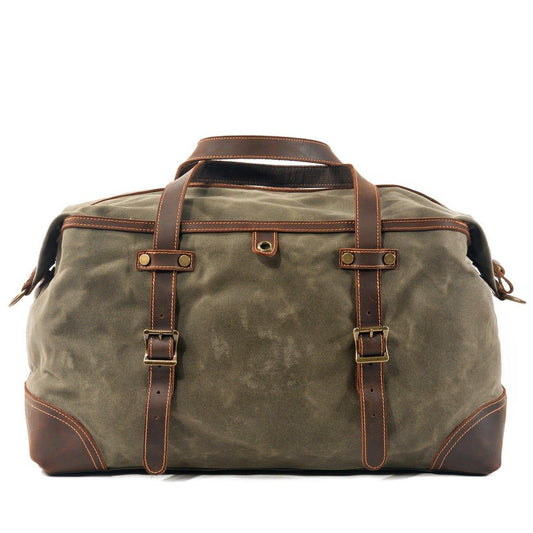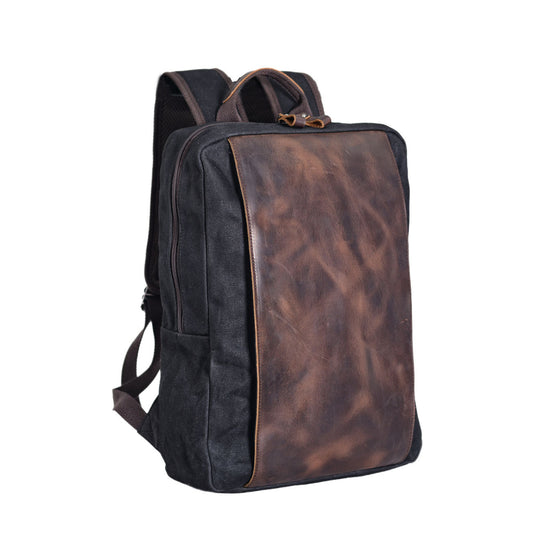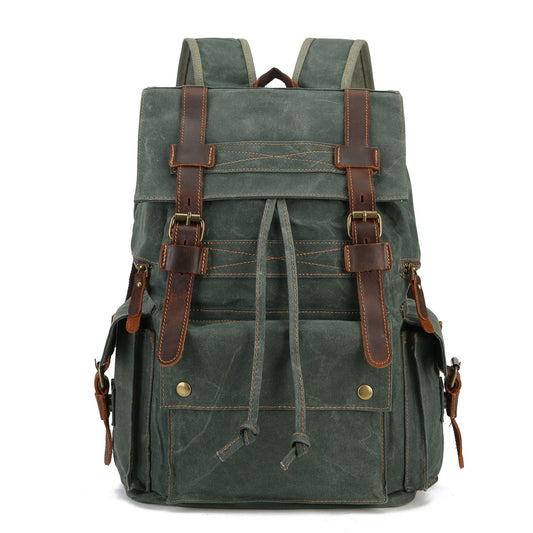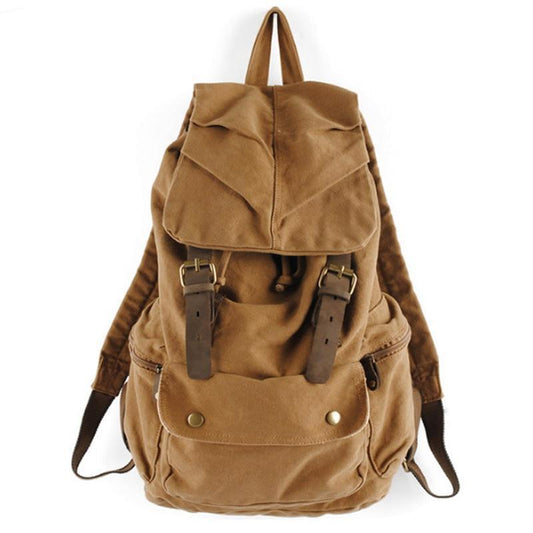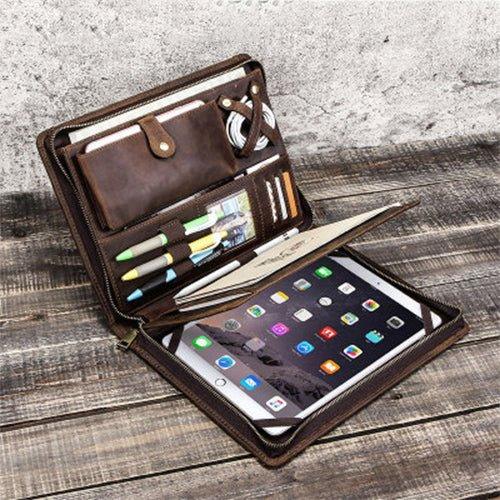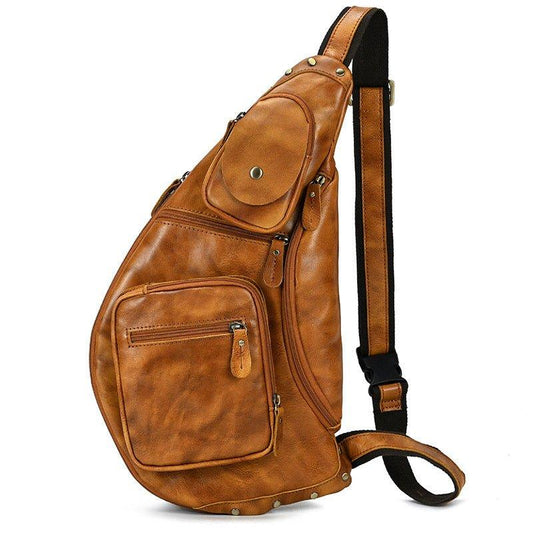

Men's Leather Laptop Bag vs. Backpack: Pros and Cons

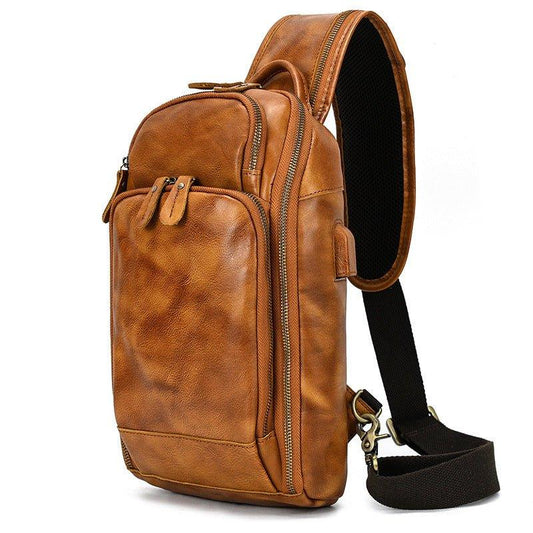
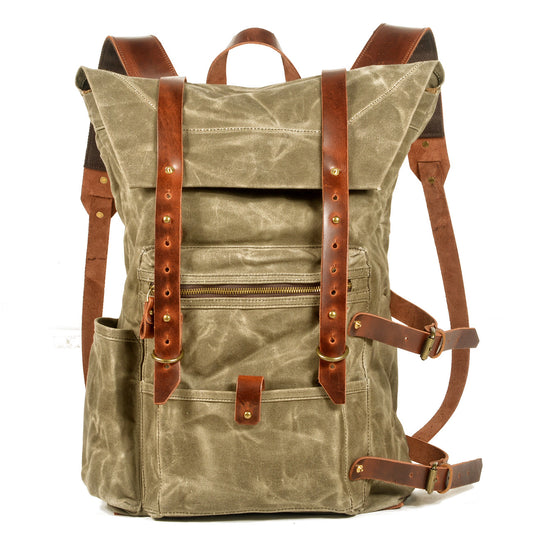
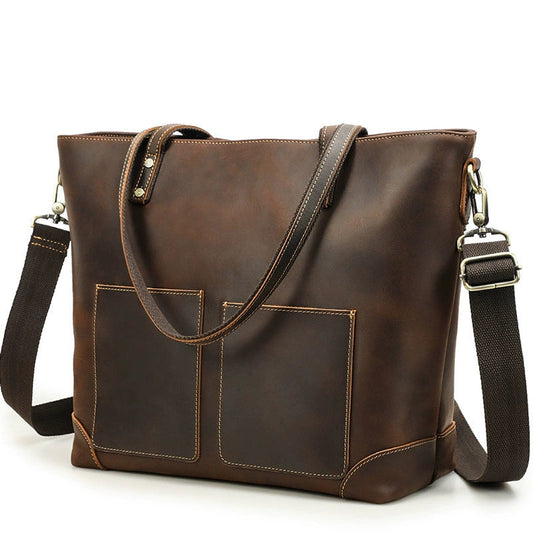
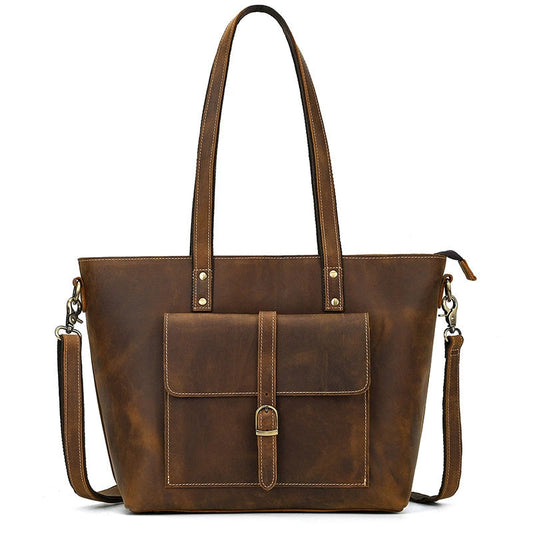
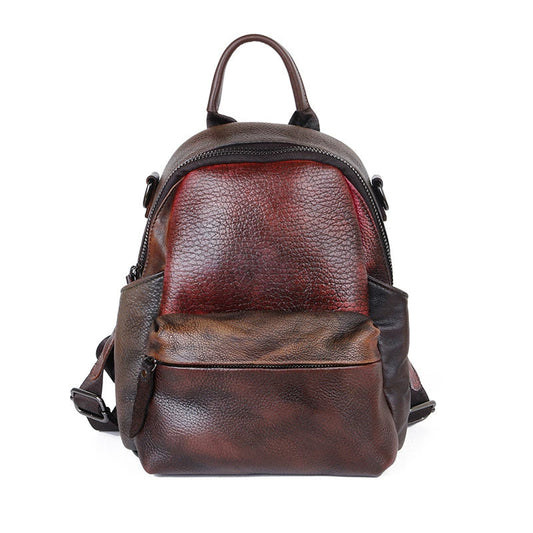
A leather laptop bag and a laptop backpack can both protect a computer, but they distribute weight and communicate different priorities. A leather bag may offer a more structured professional profile and quick hand access. A backpack usually balances weight across two shoulders and leaves the hands free for longer walking routes.
The better choice depends on your commute, device size, document load, weather, and how often you move between hand carry and hands-free carry. This comparison focuses on practical trade-offs rather than treating one format as universally better.
Laptop protection and organization
A structured leather laptop bag often keeps the device and documents in defined compartments. It can be easy to open in a meeting or café and can maintain a neat profile under a desk. A backpack may provide more vertical space and additional organization, but the laptop should still sit close to the back with padding at the base.

Weight distribution and comfort
A shoulder or hand-carried bag places more of the load on one side. That can be comfortable for short transfers but tiring on a long walk, especially when the bag includes a laptop, charger, and documents. A backpack spreads the load across two shoulders and may offer a hip belt or sternum strap for heavier routes.

Access and professional setting
A laptop bag can offer fast access and a composed meeting-room profile. A backpack is often faster for moving through transit and leaves both hands available, but it may need to be removed before opening in a crowded space. Consider where the bag will be set down and how often the laptop must be reached.
Weather and durability
Leather can handle daily contact and develop character, but it should not be treated as waterproof. A backpack may offer water-resistant fabric or a cover, depending on the model. In either format, use a sleeve or liner when the laptop cannot tolerate moisture and inspect seams or zippers before rainy commutes.
When a leather laptop bag wins
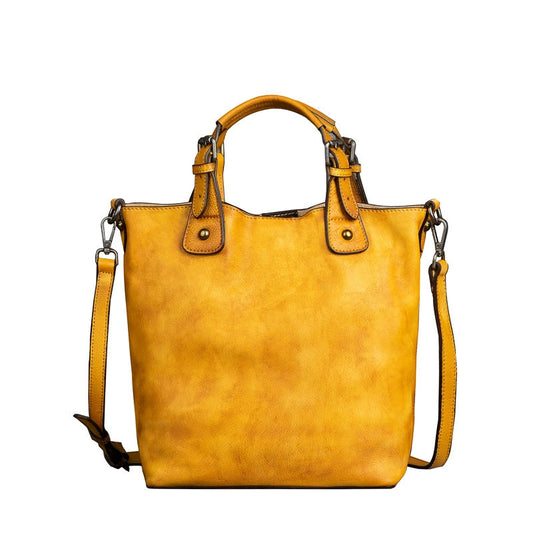
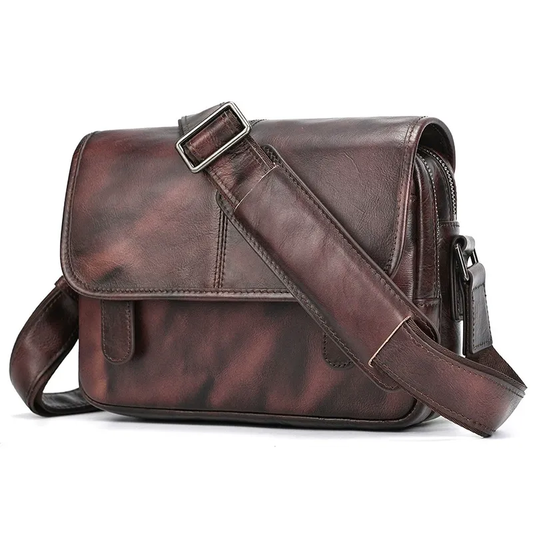
- Choose it for meetings, short transfers, and a structured professional silhouette.
- Choose it when documents must stay flat and hand access is frequent.
- Choose it when the daily load is moderate and one-sided carry is comfortable.
When a backpack wins
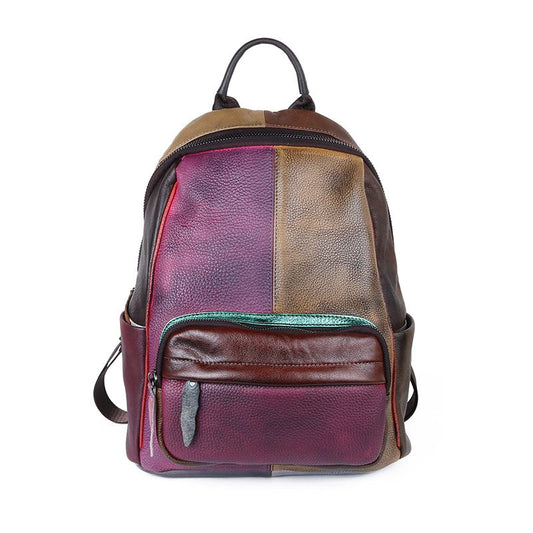
- Choose it for long walks, cycling, stairs, or a heavier daily load.
- Choose it when both hands need to remain free.
- Choose it when balanced carry matters more than formal structure.
The decision becomes simple when you map the bag to the route. A leather laptop bag suits a controlled office carry; a backpack suits movement and balanced weight. Some commuters keep both formats and choose based on the day's load, weather, and distance.
The most useful comparison is the route you actually walk. A formal hand-carry bag may be ideal for a short office transfer, while a backpack can be more comfortable when weather, stairs, or distance change the demands of the day.
Compare the route, not only the silhouette
A leather laptop bag can be excellent for a short walk from a car to an office, a meeting-heavy day, or a setting where documents must remain flat. A backpack can be better for a long train transfer, cycling, stairs, or a route where both hands need to remain free. The same person may reasonably prefer different formats on different days.
One-sided carry also depends on load discipline. A laptop, charger, notebook, and bottle may feel manageable at first but become tiring after an hour. If the bag has no hip belt, reduce unnecessary items or choose a backpack when the route is long. Comfort is a practical constraint, not a minor style detail.
Security and access trade-offs
A briefcase-style bag can be opened quickly and kept close during a meeting, but it may expose contents when placed on the floor. A backpack can hide the laptop and distribute the load, yet it normally needs to be removed before opening. Choose the closure and access pattern that matches how often you reach the computer in transit.
Weather can change the decision as well. Leather needs protection from prolonged rain, while some backpacks provide a water-resistant shell or cover. Neither format should be trusted without a liner when the laptop is business-critical.
- Choose the laptop bag for short, formal, document-heavy routes.
- Choose the backpack for long walks and balanced weight.
- Use a protective sleeve in either format.
- Test access with the bag on your body, not only on a desk.
- Let weather and route distance influence the final choice.
There is no universal winner. A leather laptop bag is strongest in formal, access-focused situations, while a backpack is strongest when distance, balance, and hands-free movement dominate. Match the format to the route and change formats when the day changes.
If you are still undecided, make a route-based test. Pack the laptop, charger, notebook, documents, and bottle, then walk the distance you normally travel. Notice shoulder pressure, access speed, and whether the bag stays stable when placed beside a chair. The result will usually be more useful than a general claim that one category is more professional or more comfortable.
Let the route make the decision and the material support it.
Related Woosir resources
Use these related collection and product pages to compare current materials, sizes, care details, and available variants before making a final decision.