

Italy Travel Guide 2026: Expert Tips for Exploring Cities, Coastlines, and Countryside

Italy remains one of the world's most captivating travel destinations — and for good reason. This Italy travel guide distills the essentials for 2026: where to go, when to visit, how to navigate the country efficiently, and what to pack. From the canals of Venice to the trulli of Puglia, from Renaissance art in Florence to ancient ruins in Rome, Italy offers a density of cultural, culinary, and natural wonders unmatched anywhere in Europe.
Whether you're planning a classic Rome-Florence-Venice itinerary or venturing off the beaten path to Basilicata or Friuli, this guide will help you travel smarter.
When to Visit Italy in 2026
Timing is everything for an Italy travel guide worth its salt. Italy's climate varies dramatically from the Alpine north to the Mediterranean south, but here's the general seasonal breakdown:
Spring (April–June): The sweet spot. Temperatures are pleasant (15–25°C / 59–77°F), wildflowers bloom in Tuscany, and crowds haven't yet reached summer peaks. May is arguably the single best month to visit.
Summer (July–August): Hot, crowded, and expensive — but also vibrant. Cities like Rome and Florence can hit 35°C (95°F). Coastal areas (Amalfi, Cinque Terre, Sardinia) are packed. Book everything 3–6 months ahead.
Autumn (September–October): Another excellent window. September still feels like summer in the south, while October brings harvest season — truffles in Piedmont, olives in Tuscany, grapes everywhere. Fewer crowds, lower prices.
Winter (November–March): Lowest prices and fewest tourists. Christmas markets and skiing in the Dolomites. Venice in winter fog is hauntingly beautiful. Some coastal towns essentially close for the season.
Must-Visit Destinations
Rome: The Eternal City
Rome overwhelms in the best possible way. The Colosseum, Roman Forum, Vatican Museums, and Sistine Chapel are the heavy hitters, but Rome's magic is in the in-between moments: morning espresso at a standing bar in Trastevere, stumbling upon a Bernini sculpture in an unassuming church, watching sunset from the Spanish Steps. Plan at least 3–4 days. A comfortable daypack is essential — you'll walk more than you expect.
Florence and Tuscany
Florence is the cradle of the Renaissance, home to Michelangelo's David, Botticelli's Birth of Venus, and Brunelleschi's dome — all within walking distance. Beyond the city, Tuscany's rolling hills, cypress-lined roads, and medieval hill towns (San Gimignano, Montepulciano, Pienza) are best explored by car or guided tour.
Venice
Venice defies description. A city built on water, navigated by boat rather than car, where every alley reveals a new canal view. Visit St. Mark's Square and the Doge's Palace, but also get lost in the quieter sestieri of Cannaregio and Dorsoduro. Venice is expensive — consider staying in Mestre (on the mainland) and commuting in by train to save significantly on accommodation.
The Amalfi Coast
Positano's pastel houses cascading to the sea, Ravello's cliffside gardens, Amalfi's historic cathedral — the Costiera Amalfitana is Italy at its most photogenic. Visit in May or September to avoid the worst crowds. The coastal road (SS163) is legendary but nerve-wracking; consider using ferries and buses instead.
Puglia: Italy's Undiscovered South
For travelers seeking authentic Italy without the crowds, Puglia delivers. Alberobello's trulli houses, Lecce's baroque architecture, Polignano a Mare's cliffside beaches, and some of Italy's best olive oil and seafood. Puglia remains more affordable than the northern tourist trail.
Getting Around Italy

Italy's train network is extensive and generally reliable. High-speed trains (Frecciarossa, Italo) connect major cities: Rome to Florence in 1.5 hours, Florence to Venice in 2 hours, Rome to Naples in 1 hour. Book in advance for the best fares — a Rome–Florence ticket can cost 20 EUR booked early or 50+ EUR at the station.
For rural areas (Tuscany, Puglia, Sicily), renting a car is often the best option. Be aware of ZTL (Zona Traffico Limitato) zones in historic city centers — driving into one without authorization results in fines that follow you home.
What to Pack: The Italy Edition
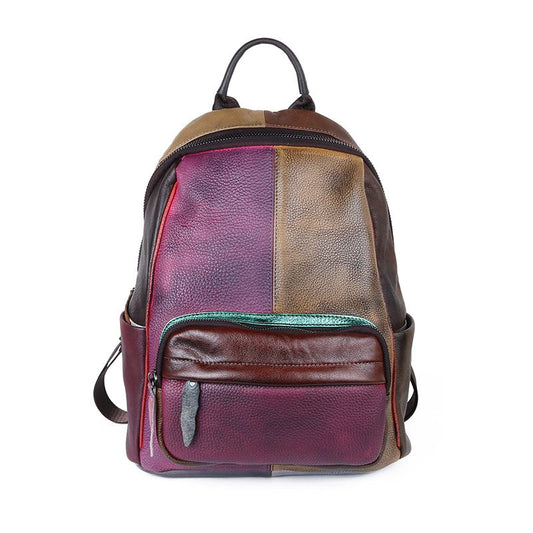
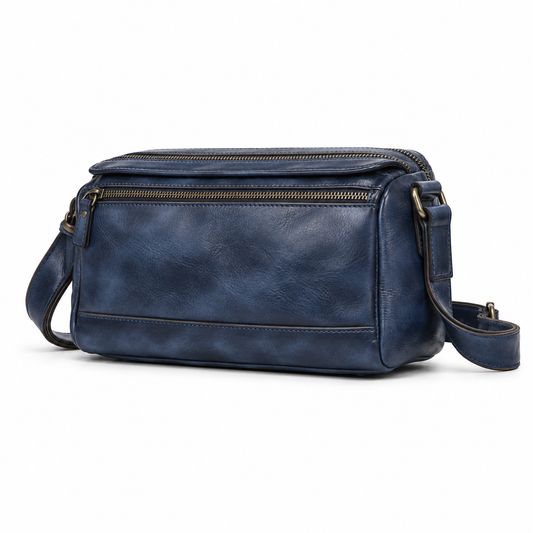
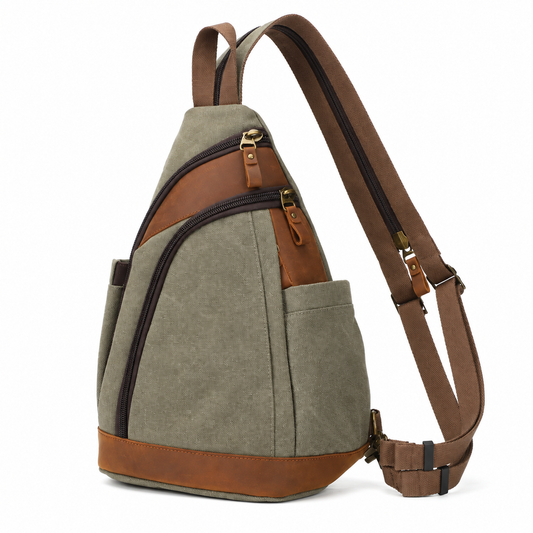
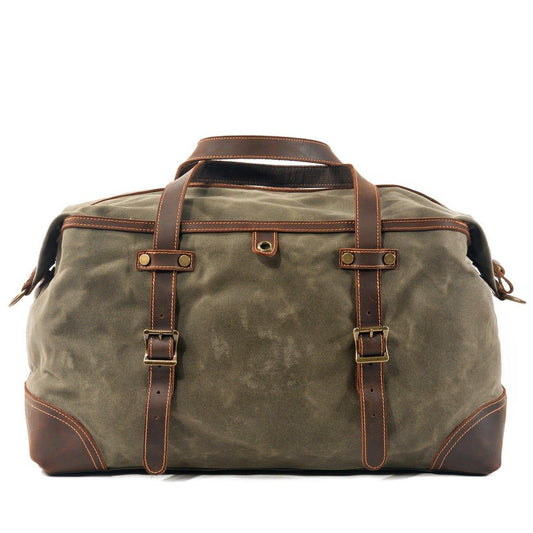
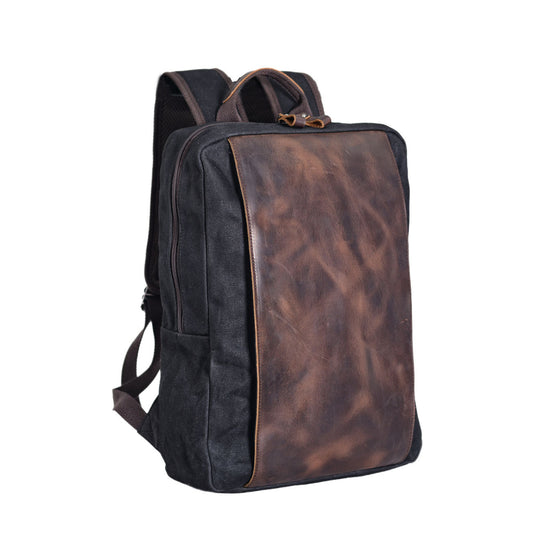
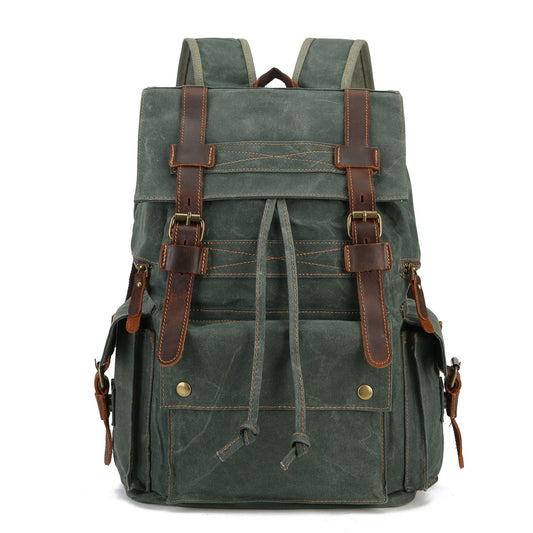
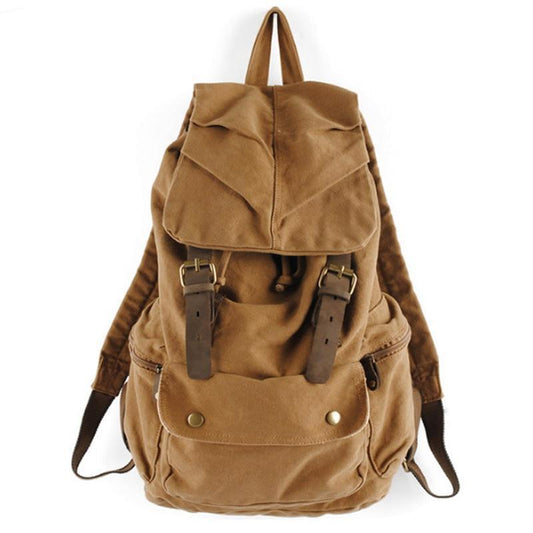
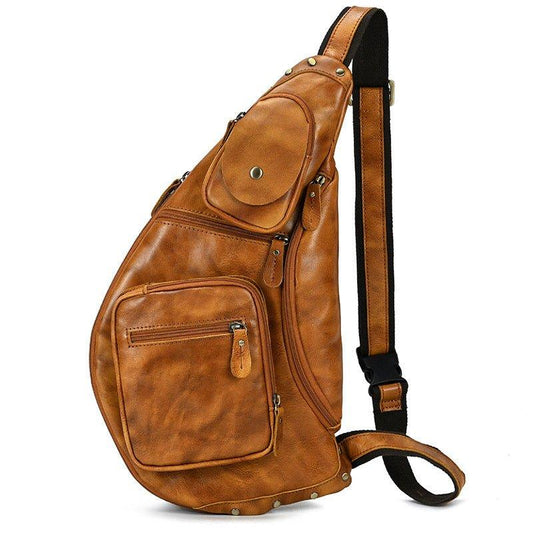
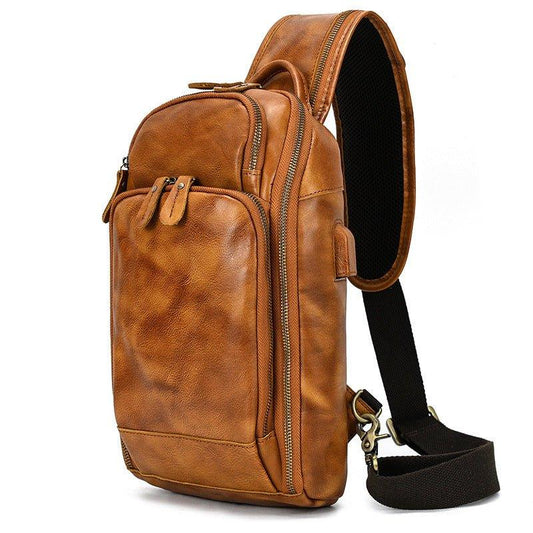
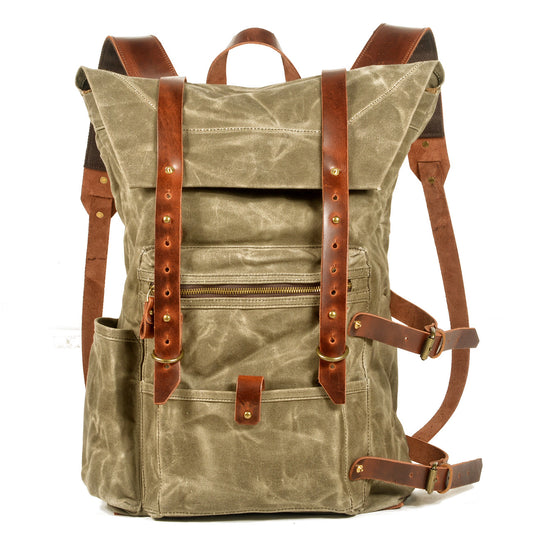
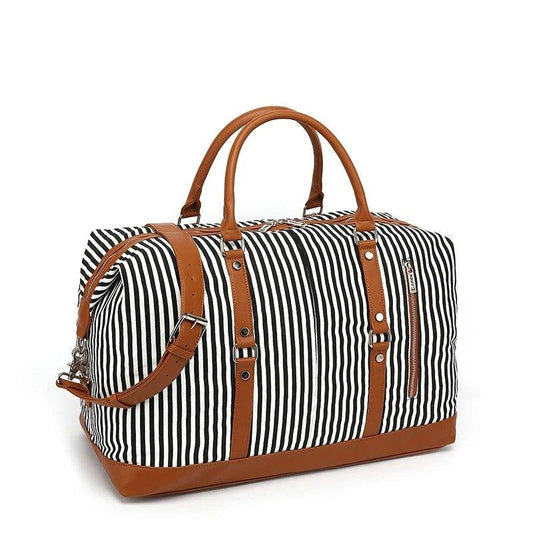
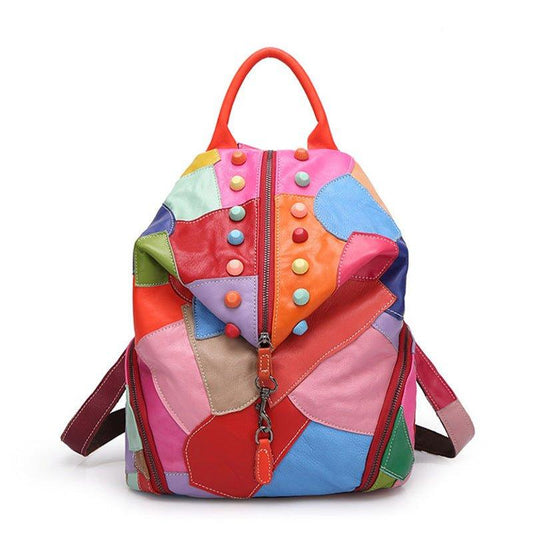
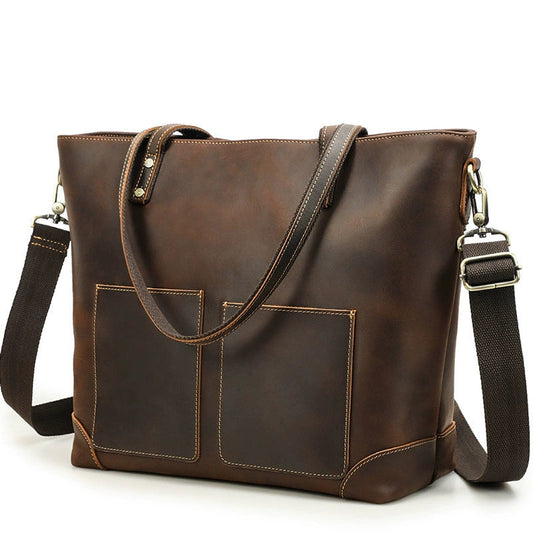
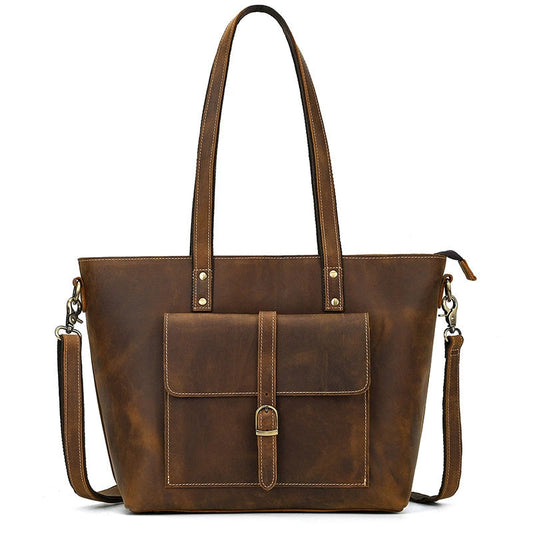
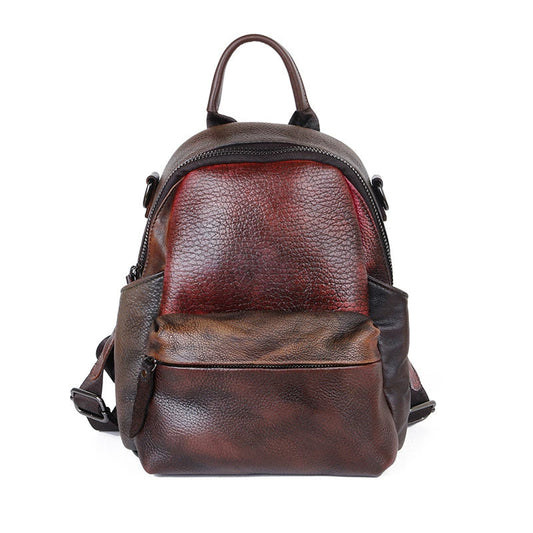
Italians take style seriously, and while tourists get a pass, you'll feel more comfortable dressing smart-casual. A leather or canvas backpack is the ideal Italy travel companion — practical for carrying water, guidebooks, and purchases, while looking appropriate for entering churches, restaurants, and museums. Our genuine leather backpack collection pairs perfectly with Italian style.
Packing essentials:
- Comfortable walking shoes (cobblestones are unforgiving)
- Lightweight scarf or shawl (for covering shoulders in churches)
- Reusable water bottle (Rome alone has 2,500+ public drinking fountains — "nasoni")
- Universal power adapter (Italy uses Type L plugs, though Type C often works)
- Italian phrase book or translation app
Food and Drink: Eating Your Way Through Italy
Italian food needs no introduction, but a few tips elevate the experience:
- Eat regionally: Order risotto in Milan, bistecca alla fiorentina in Florence, pizza in Naples, arancini in Sicily
- Avoid tourist-trap restaurants: If a restaurant has picture menus in six languages and a "host" beckoning you inside, walk away. Look for places filled with Italians
- Coffee culture: Cappuccino is a breakfast drink — ordering one after 11 AM marks you as a tourist. After meals, order un caffè (espresso)
- Tipping: Not expected in Italy. A service charge (coperto) of 1–3 EUR per person is often included. Rounding up the bill is appreciated but not required
Frequently Asked Questions
Is Italy safe for travelers?
Italy is generally very safe. Violent crime against tourists is rare. The main concerns are pickpocketing in crowded areas (Rome's Termini station, Naples' historic center, Florence's markets) and taxi scams at airports. Use official taxi stands, keep valuables secure, and maintain normal awareness.
Do I need to speak Italian?
In major tourist destinations, English is widely spoken. In smaller towns and rural areas, basic Italian phrases go a long way. Learning "buongiorno" (good morning), "grazie" (thank you), and "per favore" (please) will be appreciated everywhere.
What's the best way to see multiple cities in one trip?
The classic Rome–Florence–Venice route by high-speed train is efficient and enjoyable. For a southern Italy route, consider Naples–Amalfi Coast–Puglia. Allow at least 3 nights per major city to avoid feeling rushed. Ten days is the minimum for a satisfying multi-city Italian itinerary.
How much should I budget for Italy?
Budget: 70–100 EUR/day (hostels, street food, free attractions). Mid-range: 150–250 EUR/day (3-star hotels, restaurant meals, museums). Luxury: 350+ EUR/day. Venice and the Amalfi Coast are the most expensive regions; Puglia, Sicily, and smaller cities offer better value.
Conclusion: Italy Calls
This Italy travel guide provides the framework — but Italy itself provides the magic. Every visit reveals something new: a hidden courtyard, an unforgettable meal, a view that stops you in your tracks. Pack light, walk everywhere, eat fearlessly, and let Italy work its ancient, irresistible charm. Buon viaggio!