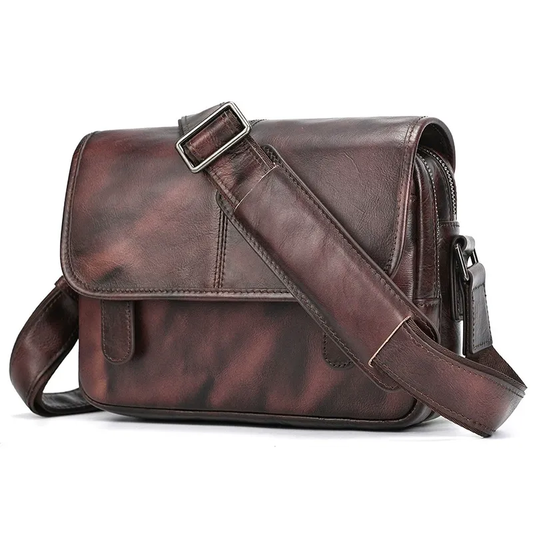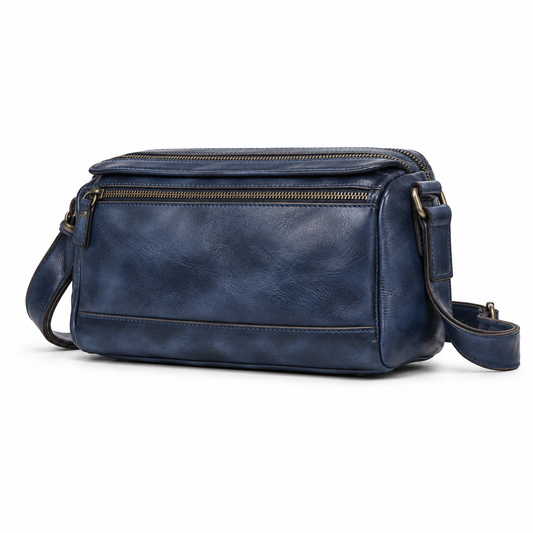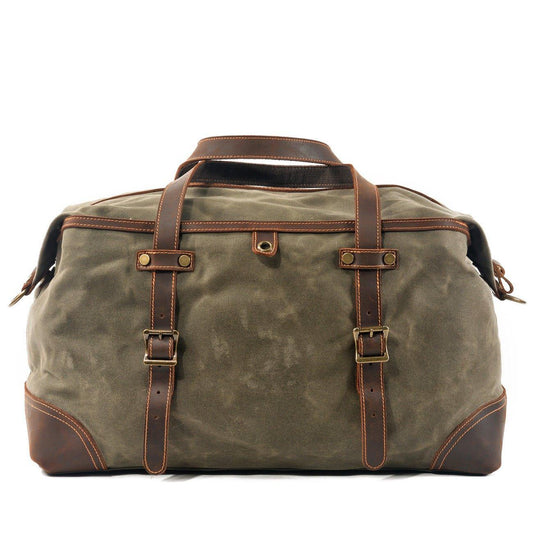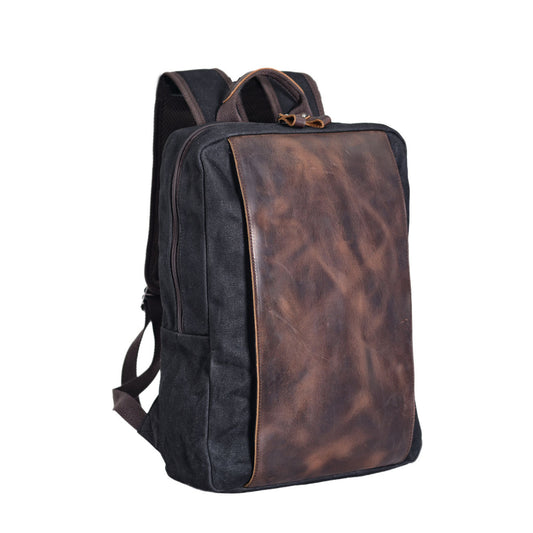

How to Pack a Carry-On That Doesn't Look Like Luggage: The One-Bag Travel Loadout System for 2026

The smartest travel move of 2026 is skipping the roller suitcase entirely. Learning how to pack a carry-on that doesn't look like luggage lets you move through airports, trains, and city streets as a local instead of a tourist, while still carrying everything for a week or more. A soft-sided canvas or leather pack, a disciplined one-bag loadout, and a tight capsule wardrobe beat a hard-shell spinner for anyone who values speed, blend-in, and never waiting at the baggage carousel. This guide walks through the one-bag philosophy, capsule wardrobes, packing cubes, tech and toiletry organization, and regional loadouts for Europe, Asia, and the Americas.
Why a Carry-On That Doesn't Look Like Luggage Wins for One-Bag Travel
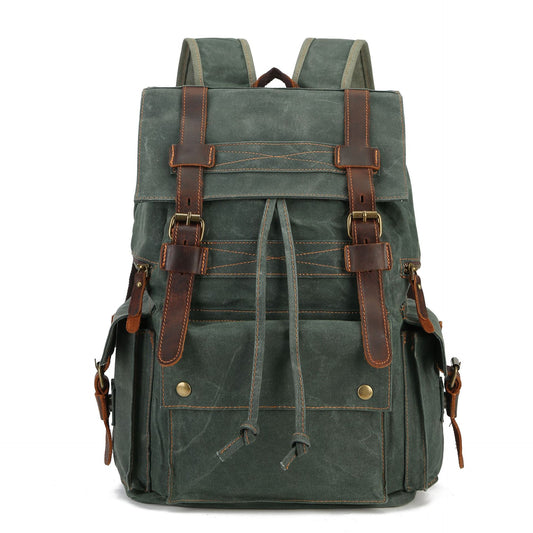
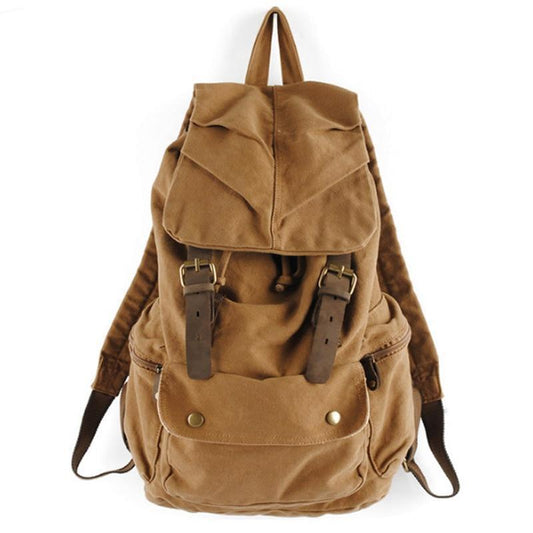
A carry-on that doesn't look like luggage is usually a backpack, duffle, or hybrid that reads as a daily bag rather than a tourist case. That disguise pays off everywhere you travel.
- Speed: walk off the plane and leave — no carousel, no lost-bag risk.
- Blend-in: a plain canvas pack draws less attention from pickpockets than a branded spinner.
- Flexibility: hop on a scooter, a crowded metro, or a narrow alley without wrestling wheels.
- Comfort: two shoulder straps beat a single dragging handle over cobblestone.
The trade-off is discipline: a one-bag system only works if you pack light and organize ruthlessly. The sections below show you how.
The One-Bag Loadout Philosophy
One-bag travel is a constraint, not a sacrifice. The rule is simple — everything you bring must earn its place by being worn, used, or irreplaceable. Start from a single loadout and cut until it fits one compliant carry-on.
- Wear the heavy stuff: jacket, boots, and the bulkiest layer go on your body, not in the bag.
- One of each: one shower kit, one tech pouch, one book, one pair of spares.
- Neutral colors: a monochrome palette lets every piece pair with every other.
- Compression over expansion: squeeze volume down rather than buying a bigger bag.
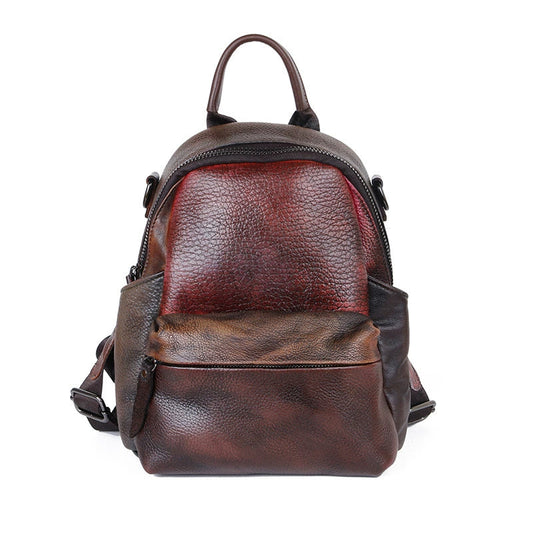
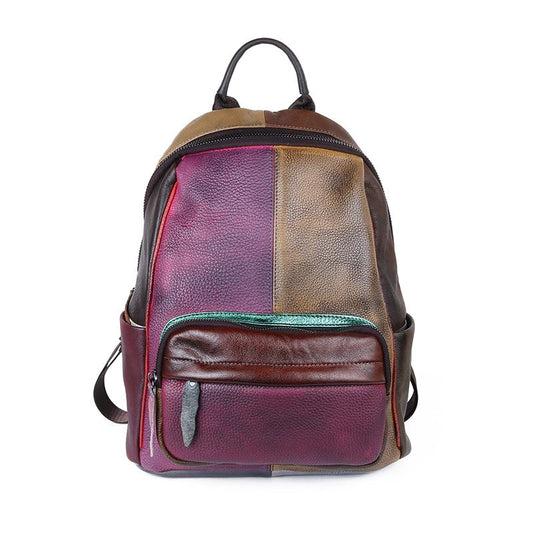
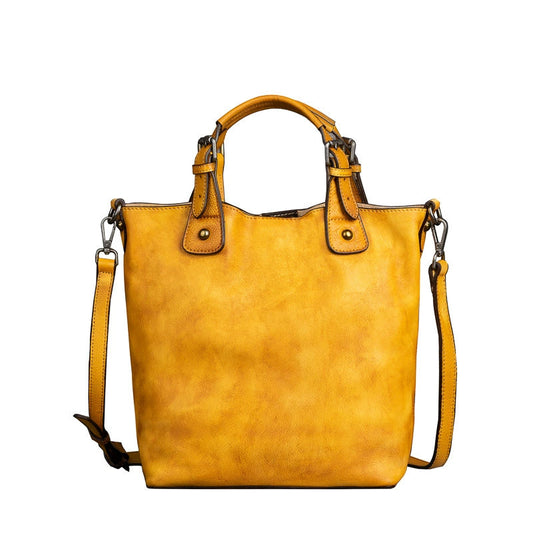
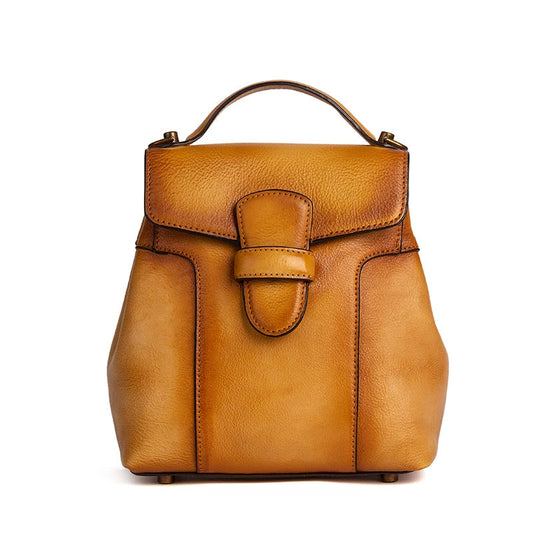
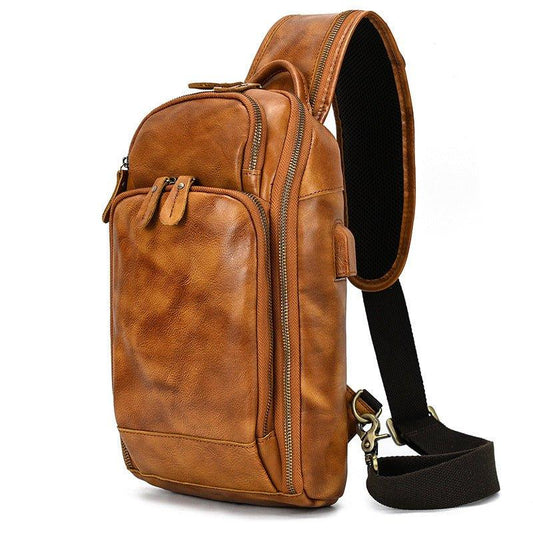
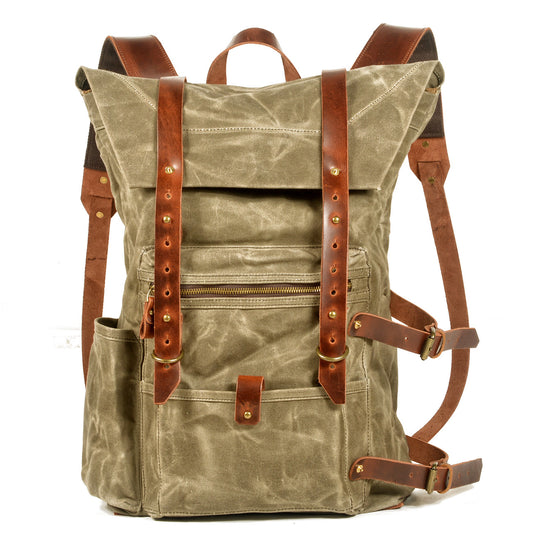
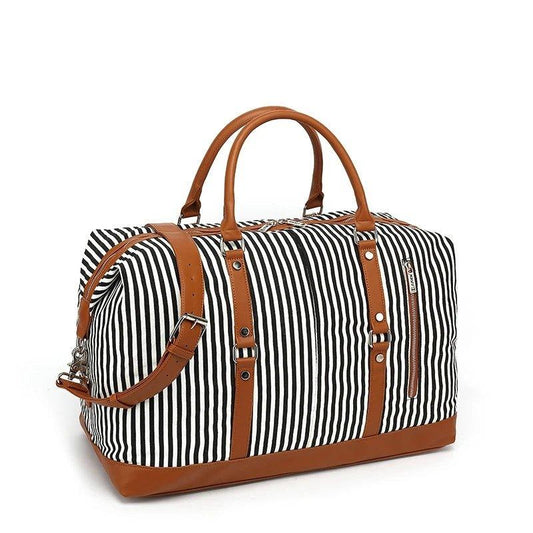
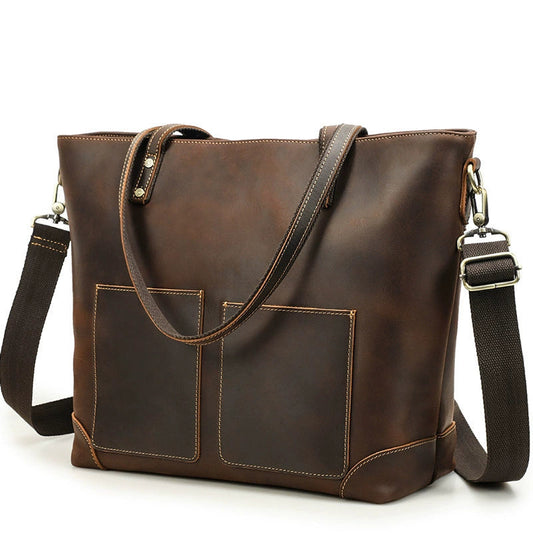
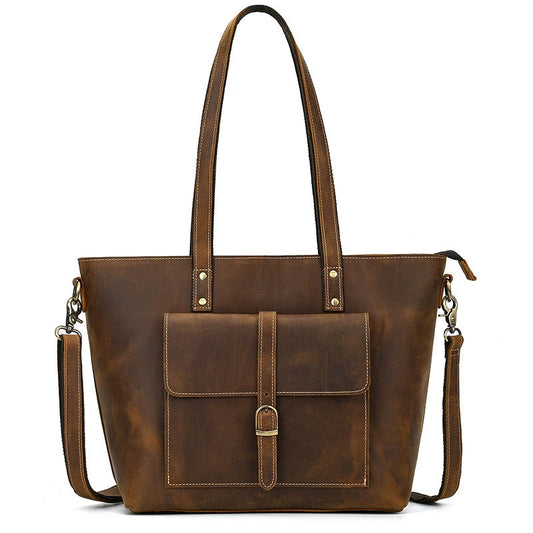
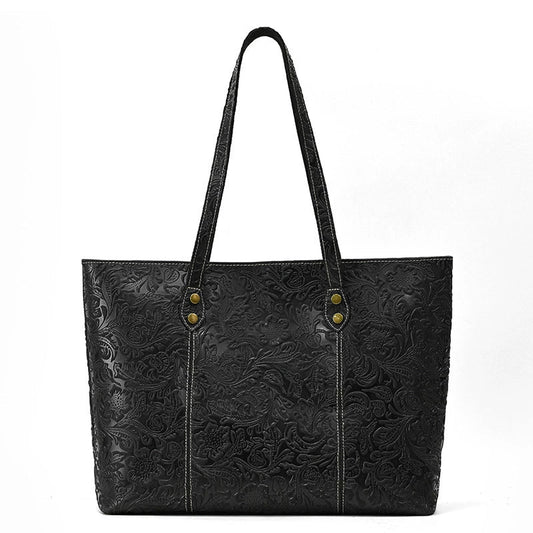
If you are choosing the platform, our backpack duffle bags and genuine leather duffle bags both read as everyday bags while swallowing a week of gear.
Backpack vs Duffle vs Hybrid: Picking the Platform
The platform decides how the bag feels on your body and how it reads to the world. Each shape has a clear strength for one-bag travel.
| Platform | Best for | Trade-off |
|---|---|---|
| Backpack | walking, transit, cobblestone, long days on foot | less structured; needs cubes to stay tidy |
| Duffle | car trips, short-haul flights, quick hotel hops | no harness; hurts the shoulder on long walks |
| Hybrid | mixed travel: city plus trail, flight plus drive | slightly heavier than a pure backpack |
For most first-time one-bag travelers, a backpack or a backpack-duffle hybrid is the safest choice because it carries like a pack yet opens like a bag. A leather or canvas duffle wins when you mostly drive and never walk far from the car, and it reads as the most "not luggage" of the three. Match the platform to how you actually move, not to how you imagine the trip.
Build a Capsule Wardrobe for Your Carry-On

A capsule wardrobe is the engine of one-bag travel. Pick pieces that mix and match so five tops and three bottoms yield more outfits than you will need. Stick to one neutral base color — black, navy, or olive — and treat any accent as a single small item, so nothing you pack clashes with anything else and every combination looks intentional rather than random.
- 3 bottoms: one pair of travel trousers, one pair of shorts or skirt, one pair of jeans or chinos.
- 5 tops: two tees, one long-sleeve, one button-up, one layering fleece or sweater.
- 1 outer layer: a packable rain shell that beats a bulky coat.
- 2 shoes max: worn trainers plus one pair of dress-casual or sandals.
Merino and synthetic blends are your friends: they resist odor, dry overnight, and weigh nothing. Avoid cotton for multi-day wear — it stays wet and heavy.
Layering Strategy for Variable Weather
A capsule wardrobe only works if the pieces layer. The system is three tiers: a breathable base, an insulating mid-layer, and a shell. The base (tee or long-sleeve) manages sweat; the mid-layer (fleece or light sweater) traps warmth; the shell (packable rain jacket) blocks wind and rain. Worn together they cover a 15-degree temperature swing without adding a fourth bulky item to the bag. This is why one presentable button-up plus a fleece beats carrying three separate coats.
- Base: merino or synthetic, never cotton, for multi-day wear.
- Mid: a quarter-zip fleece compresses to the size of a fist.
- Shell: a 10K-rated packable jacket lives in Zone 4 of your bag.
- Adapt: add or drop a layer at the trailhead, not after you are already cold.
Packing Cubes & Organization Inside a Carry-On That Doesn't Look Like Luggage

Packing cubes are what make a soft bag feel like a hard case. They compress volume and create drawers inside your pack.
- One cube per category: tops, bottoms, underwear, tech, toiletry.
- Compression cubes: squeeze air out of soft clothes to reclaim 30% of space.
- Color-code: a different cube color per category means you unpack with your eyes closed.
- Flat fold, don't roll, for dress items: rolling suits knits; folding cubes keep buttons crisp.
A carry-on that doesn't look like luggage stays organized only if the cubes do the sorting. Without them, the main compartment becomes a laundry pit by day two.
Tech & Toiletry Organization

The two categories that cause the most chaos are tech and liquids. Contain them both.
- Tech pouch: one zip case for cables, charger, power bank, and adapters; wrap cables to avoid tangles.
- Toiletry cube: a leak-proof bag with decanted 100ml bottles for TSA; keep it accessible for the security tray.
- Docs sleeve: passport, insurance, and cards in a slim front pocket you can reach without opening the bag.
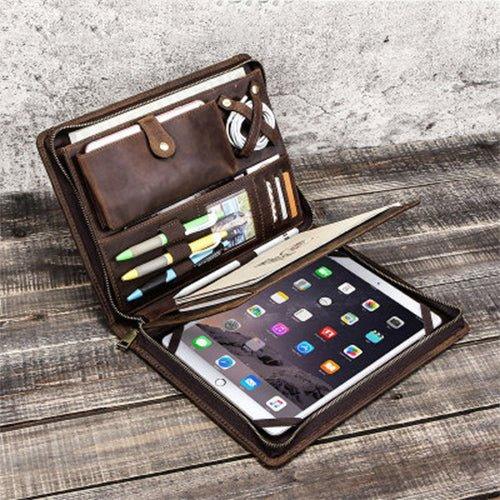
- Electronics rule: laptops and tablets ride in a suspended sleeve against your back for shock protection.
For longer trips, pair the loadout with a dedicated toiletry bag so liquids never leak onto your capsule wardrobe.
Power Planning: The One-Cable Rule
Dead devices are the fastest way to ruin a one-bag trip, yet most travelers pack a tangle of bricks and cables. The fix is the one-cable rule: carry a single multi-head charging cable plus one small brick, and standardize your devices on USB-C where you can. A 65W brick charges a laptop and a phone from one wall socket, and a 10,000–20,000 mAh power bank covers a full travel day off-grid.
- One brick: a 65W GaN charger replaces three older adapters.
- One cable: a USB-C to multi-connector lead serves phone, earbuds, and power bank.
- One bank: 20,000 mAh carries a phone from empty to full about four times.
- Local plug: one universal adapter, not a different block per country.
Keep the whole power kit in the tech pouch you already packed, and charge everything overnight in one spot so nothing is left behind in a hostel socket. Power discipline is organization, not gear — the same cube system that sorts your clothes should sort your electronics.
Regional Loadouts: Europe, Asia & the Americas
Tune the capsule to the region so you pack less and suffer less.
- Europe: cobblestone and trains favor a backpack frame over a duffle. Pack smarter layers for variable spring and fall weather and one presentable outfit for nice dinners.
- Asia: heat and humidity mean more tees and one quick-dry pair of trousers; add a packable umbrella and a discreet crossbody for markets.
- Americas: altitude and desert swings demand a real warm layer and high water capacity; a duffle bag works for road trips where you rarely walk far.
Laundry on the Road: The Mid-Trip Reset
The secret to a 7–10 day trip in a small bag is washing halfway. Sink-wash your base layers and underwear with a travel detergent sheet, roll them in a microfiber towel to push out water, and hang them to dry overnight. By morning you have a fresh cube and the bag feels empty again. This reset is what frees you from packing a clean outfit for every single day.
- Detergent sheets: lighter and TSA-friendlier than liquid bottles.
- Quick-dry only: merino and synthetics dry by morning; cotton will not.
- Dry bag as basin: a packable dry bag doubles as a wash tub in a hotel sink.
- Plan the wash day: pick a night with a long stay, not a one-night hop.
Airline Rules & Personal-Item Compliance
A carry-on that doesn't look like luggage still has to fit the sizer. Know the difference between a carry-on and a personal item.
| Allowance | Typical size | Examples |
|---|---|---|
| Carry-on | ≈ 55 × 35 × 20 cm | small backpack, hybrid duffle |
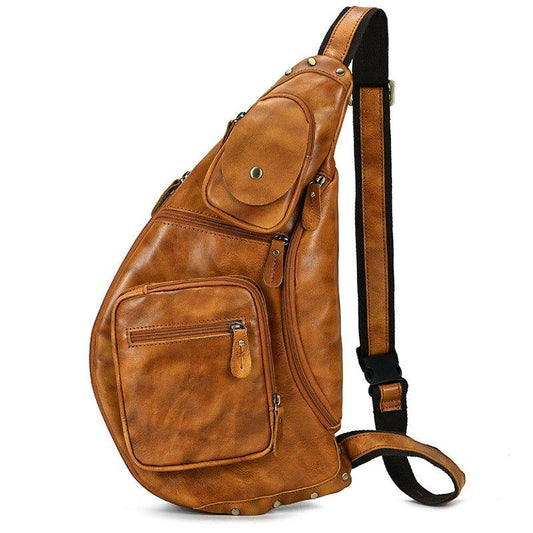
| Personal item | ≈ 40 × 30 × 15 cm | daypack, large sling, tote |
| Under-seat | varies by airline | packed cube, packed pouch |
Soft-sided bags win here because they squish into a sizer that would reject a rigid case. Many travelers fly with one carry-on backpack and one personal-item daypack, then check nothing. Always verify the specific airline's cm limits before you fly — budget carriers in Asia and Europe are the strictest.
Security & Blend-In
Part of the disguise is behavior. A carry-on that doesn't look like luggage already lowers your profile; reinforce it.
- Keep the bag on your front in transit hubs, not slung behind you.
- Use a slash-resistant strap or lockable zipper on crowded metro lines.
- Split cash and cards across two hidden pockets, never all in one wallet.
- Ditch the giant camera neck strap; a camera bag insert inside your pack hides the gear.
Blend-in is mostly behavior, not gear. Travelers who look like they know where they are — phone in a front pocket, bag on the chest, no map unfolded in the middle of the sidewalk — simply get targeted less. A carry-on that doesn't look like luggage is the first half of that posture; calm, purposeful movement is the second.
Common Packing Mistakes
- Packing for fantasy trips: the "what if" outfit you never wear is dead weight.
- Too many shoes: shoes are the heaviest, bulkiest item — cap at two.
- No cube system: loose clothes explode into a pit by day two.
- Over-filled bag: if it will not close comfortably, it will not fit the sizer.
- Forgetting the worn layer: wearing your jacket beats cramming it in.
Care for Your Soft-Sided Carry-On
Canvas and leather one-bag travelers age beautifully if you maintain them. Brush off grit after dusty trips, spot-clean stains promptly, and let the bag air-dry before storage. A waxed or waterproof canvas build benefits from occasional re-proofing; leather handles love a light conditioner. Store the bag partially open so it keeps its shape and the lining stays fresh between trips.
A small repair kit earns its place in your loadout: a few meters of tenacious tape, a spare buckle, and a needle-and-thread card fix most field failures without ending the trip. A blown zipper pull or a torn strap is annoying, not catastrophic, if you can patch it on the spot and finish the adventure. Treat the bag as gear, not luggage, and it will outlast several seasons of one-bag travel.
Frequently Asked Questions
How many days can a carry-on that doesn't look like luggage cover?
With a tight capsule wardrobe and packing cubes, a 30–40L soft bag covers 7–10 days if you do a sink wash halfway through. The capsule, not the bag size, sets the limit.
Backpack or duffle for one-bag travel?
A backpack wins for walking and transit; a duffle wins for car and short-haul trips. A backpack-duffle hybrid gives you both, which is why it is the most versatile choice for mixed travel.
Will airlines accept a backpack as a carry-on?
Yes, if it fits the sizer. Soft-sided packs squish into tight bins that reject rigid cases, but always check the airline's exact cm limits before flying.
How do I keep clothes from wrinkling?
Use folding cubes for dress items, roll knits, and wear your blazer or button-up instead of packing it. Unpack into a drawer the moment you arrive.
Is a capsule wardrobe enough for business travel?
Yes — one presentable outfit (button-up plus chinos or a dress) plus neutral layers covers most meetings. Launder or refresh mid-trip and you stay sharp all week.
Conclusion
Packing a carry-on that doesn't look like luggage is the fastest way to travel lighter, blend in, and skip the baggage carousel for good. Build a tight capsule wardrobe, sort it with packing cubes, contain tech and toiletry chaos, and tune the loadout for Europe, Asia, or the Americas. A one-bag system rewards discipline with freedom — once you pack this way, the roller suitcase feels like a ball and chain. Ready to start? Explore our backpack duffle bags and genuine leather duffle bags, then build your one-bag loadout for 2026.