Organize a Vintage Leather Briefcase: Daily Carry 2026 – Woosir Skip to content

10% OFF on Your First Order, coupon code: WS10

How to Organize a Vintage Leather Briefcase: The Modern Professional's Daily Carry System (2026)

by Woosir Editorial Team 26 Aug 2026 0 comments
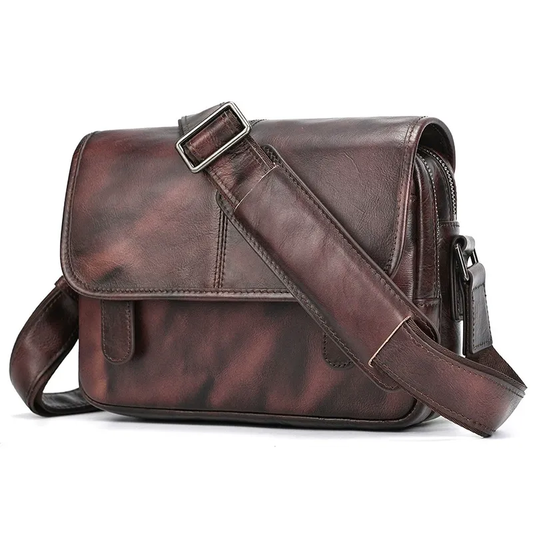
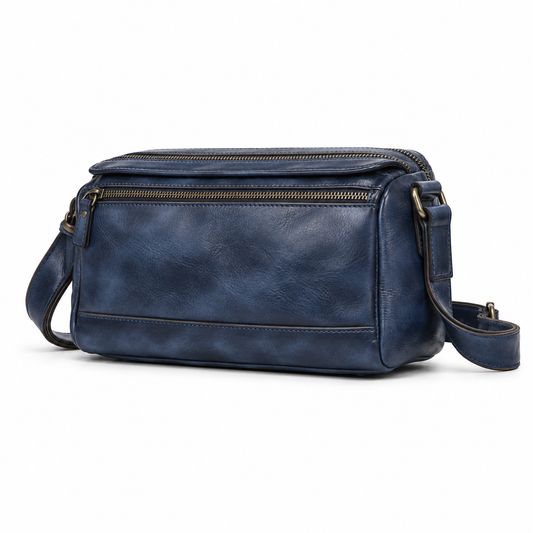
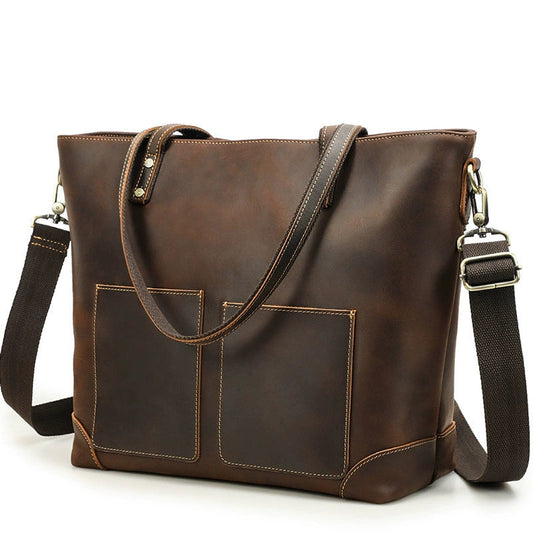
Vintage leather briefcase for modern professionals

A vintage leather briefcase is more than a style statement. For the modern professional who commutes, meets clients, and travels for work, it is a mobile office. The difference between a chaotic bag and a calm one comes down to a deliberate organization system. This guide shows you how to organize a vintage leather briefcase so everything has a place, from your laptop to your transit card, with regional notes for Europe, Asia, and the Americas and a daily ritual that keeps the bag ready the moment you walk out the door.

This guide is built for people who already own or plan to buy a vintage leather briefcase and want to get more from it than a good look. We cover the three-layer method, the inserts that turn a soft shell into a working system, a role-by-role checklist, and the small daily and weekly habits that keep the bag ready. By the end you will have a repeatable setup you can reset in five minutes, whether your day is a quiet commute or a cross-continent client trip that blends flights, trains, and boardrooms.

Why a Vintage Leather Briefcase Still Wins

A well-made vintage leather briefcase ages better than any synthetic alternative. The leather develops a patina that signals longevity and taste, and the structured shape protects documents that a soft tote would crease. For professionals who move between trains, terminals, and boardrooms, a vintage leather briefcase reads as prepared without trying too hard, and it pairs with both a suit and smart-casual remote-work attire.

It is also quietly practical. A rigid frame keeps a laptop from flexing, a lined interior wipes clean after a coffee spill, and solid brass hardware outlasts the plastic clasps found on cheaper bags. The one requirement is intention: a leather briefcase only stays organized if you give every item a home and return it there at the end of each day, which is a habit this guide is built to install.

There is also a sustainability argument that resonates with modern professionals. A vintage leather briefcase that lasts a decade keeps several synthetic bags out of the landfill, and buying once aligns with a slower, more intentional approach to work gear. The resale value of a well-kept leather bag also tends to hold far better than nylon, so the purchase behaves more like an asset than a disposable expense over time, which is a quiet advantage many buyers only appreciate after years of use.

The Three-Layer Organization System

Think of your vintage leather briefcase as three layers, from the protected center out to the quick-grab edge. This mirrors how often you need each item during a working day, so the most-used things are never buried under the most-valuable ones.

Layer 1 — Protected Core

The center compartment holds your laptop, a slim document folder, and anything confidential. Use a padded sleeve so the leather does not rub the device, and keep a single folder for active contracts so papers do not float loose. This is your do-not-crush zone, and it should stay calm even when Layer 3 gets messy.

Layer 2 — Daily Essentials

The secondary pocket carries your leather wallet, phone, charging cable, and a small notebook. Group these in a slim insert or a zip pouch so they move as a unit when you switch bags. A vintage leather briefcase with a dedicated slip for the wallet saves you from the end-of-day dig that eats into your evening.

Layer 3 — Quick-Grab Exterior

The outermost pocket is for transit cards, a pen, business cards, and reading glasses. These are the items you reach for while walking, at a gate, or mid-meeting, so they must be visible and reachable without opening the main flap. Keep this layer lean; the moment it fills, the system starts to fail.

Setting Up Inserts and Pouches

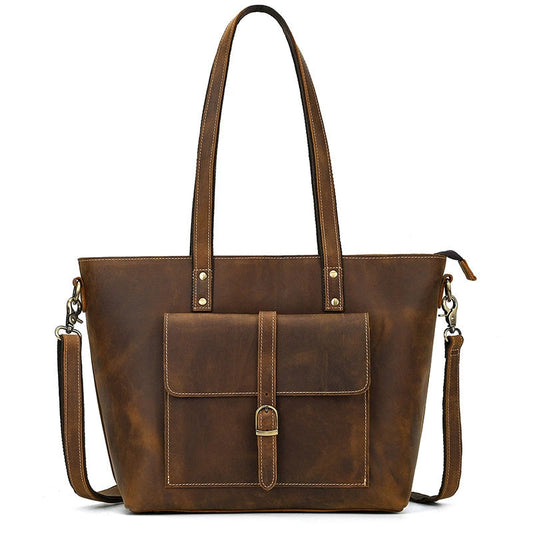
Vintage leather briefcase for modern professionals

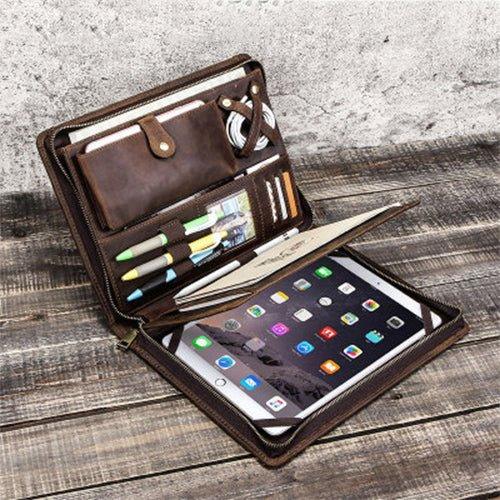
A vintage leather briefcase has soft, open pockets, which is elegant but chaotic without help. Buy or sew a simple felt or canvas insert with a laptop sleeve and two pen loops, and drop it into Layer 1. In Layer 2, use one zip pouch for tech and one slim wallet slip. The insert turns a beautiful but empty shell into a working system, and you can lift the whole unit into a different bag on days you need a backpack instead.

Daily Carry Checklist by Role

Use this table to tailor the system to your work. The vintage leather briefcase scales from a minimal commute to a client-heavy travel day:

Role Core Items Quick-Grab
Consultant Laptop, proposal folder, notebook Transit card, client list, pen
Lawyer Laptop, case file, legal pad Business cards, reading glasses
Designer Laptop, sketchbook, charger Stylus, transit card, earbuds
Remote worker Laptop, hub, passport Boarding pass, wallet, pen

The rule is simple: if you touch it more than twice a day, it belongs in Layer 3. If you need it for the meeting itself, it lives in Layer 1. Everything in between settles into Layer 2.

Regional Commute Notes

Europe — London, Paris, Berlin

European commuters rely on transit passes and compact umbrellas. Keep your pass in the outer slip of the vintage leather briefcase, and reserve a corner of Layer 2 for a foldable umbrella. Cobblestone streets reward a briefcase with a comfortable top handle and a detachable shoulder strap for longer walks between the metro and the office.

Asia — Tokyo, Singapore, Seoul

In dense Asian cities, cash is still common alongside transit cards, and humidity is real. A slim leather wallet with separate cash and card slots keeps things fast at the convenience store, and a small desiccant pouch in Layer 2 protects the leather during the rainy season. Trains reward a bag that slides easily onto a crowded overhead rack without snagging sleeves.

Americas — New York, Sao Paulo, Toronto

North and South American commutes mix subway, ride-share, and long walks. A vintage leather briefcase that converts from hand-carry to crossbody earns its keep, and a dedicated pocket for your phone and earbuds keeps you connected without opening the flap at a busy corner where pickpockets thrive.

Leather Care for a Working Briefcase

A briefcase that travels daily needs routine care. Wipe it with a dry cloth each evening, condition the leather every two to three months, and store it upright with tissue in the compartment so the shape holds. Keep it away from direct heat, and rotate the strap side occasionally so the leather wears evenly. A little maintenance keeps a vintage leather briefcase looking sharp through years of meetings, and a well-kept patina is worth more than a new bag.

The Evening Reset Ritual

The single habit that separates organized professionals from frazzled ones is the five-minute evening reset. When you get home, empty Layer 3, return the wallet and phone to their chargers, file the day's papers, and put tomorrow's essentials back in place. A vintage leather briefcase that is reset nightly means you leave the door in the morning without a single decision about where anything is, which is a small but real advantage on a busy day.

Travel Days: The Briefcase as Carry-On

On flight days, the vintage leather briefcase becomes your personal item. Keep the laptop in Layer 1 for the security tray, store your passport and boarding pass in Layer 3, and avoid overfilling so the flap closes flat. Most full-size briefcases fit under the seat in front of you, which keeps your work gear within reach and away from the overhead bin scramble. A structured leather bag also survives being gate-checked better than a soft tote if the cabin fills up.

Choosing the Right Size

Size decides comfort. A 14 to 15 inch briefcase suits a tablet-and-folder commuter, while a 16 inch model fits a full laptop plus a file without bulging. Anything larger starts to strain the shoulder and reads as a weekend bag rather than a professional carry. Measure your laptop before you commit, and remember that a vintage leather briefcase should close with a little room to spare, not stretch at the seams.

Common Organization Mistakes

  • Treating the main compartment as a dumping ground
  • Carrying chargers loose so they scratch the laptop
  • Letting receipts and old papers pile in Layer 3
  • Overstuffing until the flap will not close cleanly
  • Forgetting to empty the bag nightly so tomorrow starts clean
  • Mixing personal and work items until neither is findable

Digital Backups and Paperless Habits

A vintage leather briefcase protects physical papers, but the truly organized professional does not carry what they can scan. Snap receipts and contracts with a phone scanner app the moment you receive them, then file the digital copy before the paper goes into Layer 1. This habit shrinks the bulk in your vintage leather briefcase, speeds expense reports, and means a lost bag costs you far less. Keep a thin folder for only the documents that must stay physical, such as signed originals and passports, and let the rest live in the cloud.

What to Leave at Home

Organization is as much about subtraction as storage. Leave the second charger, the three pens you never use, and the gym clothes that do not belong in a client bag. A vintage leather briefcase should carry the day's real load and nothing else; if you cannot close it comfortably, something has to go. Weekly, audit Layer 2 and pull anything that has not been touched in seven days back to a home drawer so the bag never becomes a dumping ground by default.

Briefcase Etiquette in Meetings

How you handle the bag signals professionalism before you say a word. Set the vintage leather briefcase on the floor beside your chair or on a stand, never on the meeting table, and open it quietly when you need a document rather than rummaging mid-conversation. Knowing exactly where the contract sits in Layer 1 lets you produce it in one smooth motion, which reads as confidence to clients. At the end of the meeting, close the flap fully before you stand, so nothing spills as you leave the room.

The Weekly and Monthly Care Routine

Beyond the evening reset, a vintage leather briefcase benefits from a longer rhythm. Once a week, empty it completely, turn the pockets inside out, and brush out crumbs and dust with a soft cloth. Once a month, check the stitching at the handle anchors and the flap corners, the two spots that fail first on a working bag, and touch up the leather cream if the grain looks dry. Twice a year, do a deeper condition and re-proof the edges. This routine takes minutes and is the reason some briefcases look better after five years than they did on day one.

Building the Habit That Sticks

Systems fail when they depend on motivation, so make the vintage leather briefcase organization automatic. Place a small tray by your door where the wallet, keys, and transit card land every evening, then load them into Layer 3 each morning without thinking. Tie the evening reset to an existing habit, such as plugging in your phone, so it happens whether you feel like it or not. Within two weeks the organized bag becomes the default state, and the frantic morning search becomes a memory rather than a routine you repeat.

Briefcase vs Backpack vs Messenger for Commuting

The right carry depends on your day. A backpack spreads weight best for bike commutes and long walks, while a messenger bag swings easily on one shoulder for quick transit hops. A vintage leather briefcase wins for client-facing work and short, structured commutes where presentation matters. Many professionals keep all three and choose by agenda, which is the flexible end state of a good organization system.

Frequently Asked Questions

How do I keep the leather from drying out?
Condition it every two to three months with a quality cream, and avoid leaving the bag in direct sun or next to a heater. A quick wipe-down removes surface dust that traps moisture against the grain.

Can a vintage briefcase fit a 16-inch laptop?
Many full-size models fit a 15 to 16 inch laptop in a sleeve, but always measure the interior before you buy. A padded sleeve protects both the device and the leather from abrasion over time.

How do I organize cables without a mess?
Use a slim zip pouch in Layer 2 for chargers and a hub, and wrap each cable with a twist tie. A small tech cube keeps everything in one unit that moves between bags on travel days.

Is it professional for client meetings?
Yes. A structured vintage leather briefcase reads as prepared and considered, which is exactly the impression most professionals want in a first meeting, especially in law, finance, and consulting.

How do I travel with it as carry-on?
Keep the laptop in Layer 1 for the security tray, store your passport and boarding pass in Layer 3, and avoid overfilling so the flap closes. Most briefcases fit easily under the seat or in the overhead bin.

Will the leather darken with use?
Yes, and that is the point. A vintage leather briefcase develops a richer tone where you handle it most, and that patina is what makes the bag unmistakably yours after a year of daily carry.

Conclusion

Organizing a vintage leather briefcase is the difference between a bag that slows you down and one that earns its place every day. Build the three layers, add a simple insert, match the load to your role, adapt to your regional commute, and care for the leather so it lasts. When you are ready to upgrade, explore our genuine leather briefcases and pair your bag with a slim leather wallet for a complete daily carry. Start your system today and walk into every meeting organized.

New Arrival

Best Sellers

Close
Edit Option
Close
Notify Me
Close
Login Close
My Cart (0) Close