How to Organize a Toiletry Bag for Travel: The Complete Packing System for 2026
A great trip is often undone by a messy wash kit. Toiletry bag organization is the quiet skill that keeps your mornings calm, your liquids compliant with airport rules, and your clothes free of shampoo stains. Whether you are a weekly business flyer, a parent herding a family through a busy terminal, or a backpacker hopping between hostels on three continents, the way you pack your kit matters as much as the bag you choose. In this guide we build a reusable system you can repeat on every trip, with practical regional notes for travelers moving between Europe, Asia, and the Americas.
Why Toiletry Bag Organization Matters More Than the Bag Itself
Most travelers blame the bag when their kit explodes in transit. In reality, a mediocre bag with a strong system beats a premium bag packed at random. Good toiletry bag organization delivers four tangible wins: faster security screening, fewer leaks, lighter luggage, and a calmer start to each day on the road. When everything has a home, you spend less time digging through a zipped pouch at 6 a.m. and more time actually exploring the place you traveled to see. The system also scales—the same logic works for a two-night city break or a three-month slow-travel adventure.
Start With the Right Toiletry Bag
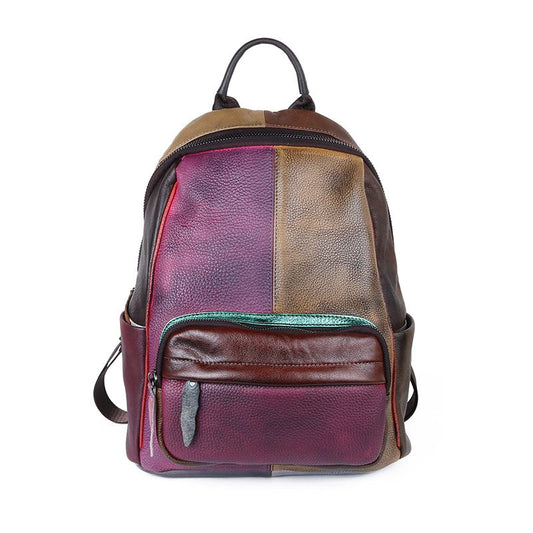
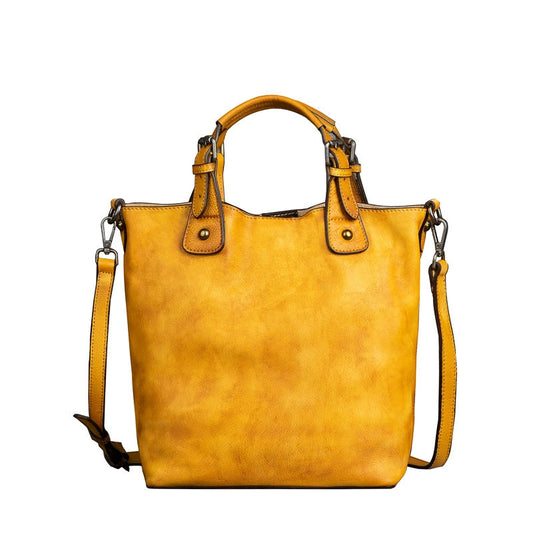
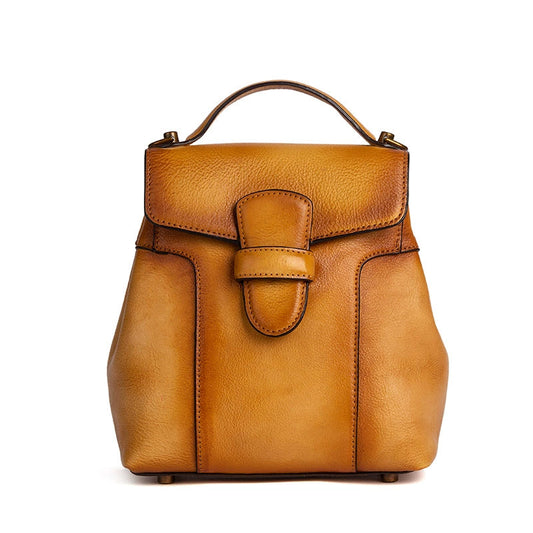
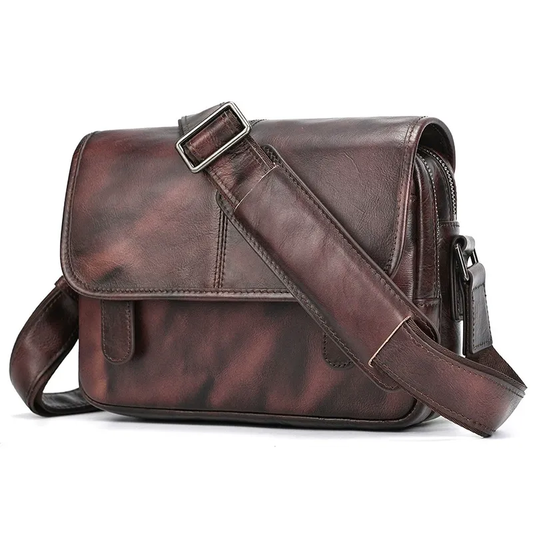
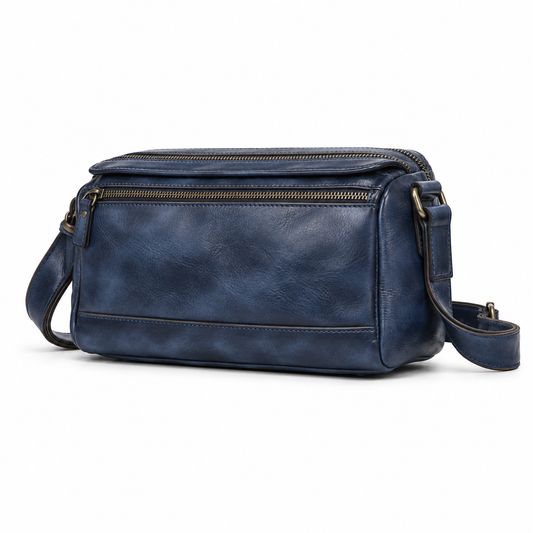
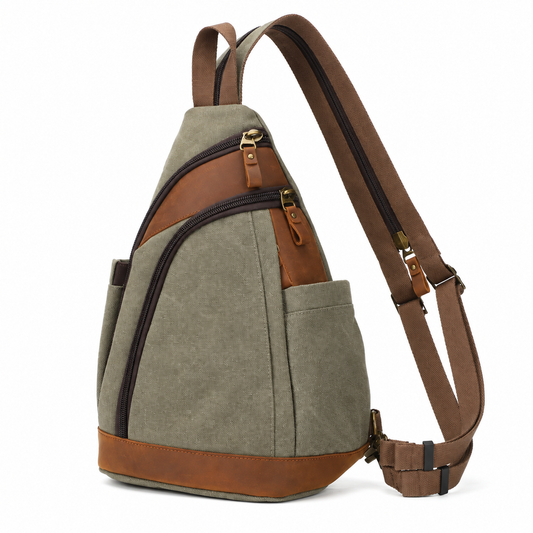
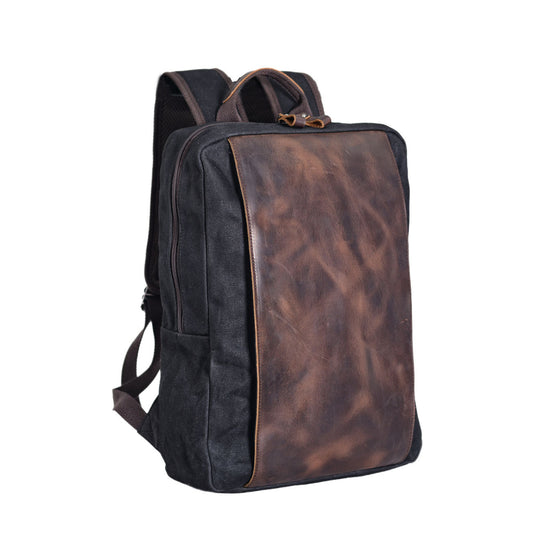
Before you organize, confirm the shell fits your style. Browse our travel toiletry bag collection to see the main families, then match the format to how you travel most often.
Hanging Kits
A hanging toiletry bag unfolds and hooks over a door, towel rail, or shower rod. It keeps bottles off wet counters, which is ideal for compact European hotel bathrooms where counter space is scarce and the sink is tiny. The trade-off is extra bulk when packed, so reserve hanging kits for car trips or checked luggage.
Flat Kits
Flat dopp kits are slim, structured, and easy to slide into a duffle bag. They protect contents well and pack small, but offer less visibility at a glance, so internal pouches become essential to avoid a morning scramble.
Modular Systems
Modular kits use small clear pouches that live inside a shell. They are the most adaptable for long trips across multiple climates, and they let you pull one pouch for the gym or the plane while the rest stays packed. For travelers who switch between business and leisure, modular wins on flexibility.
The Three-Zone Toiletry Bag Organization Method

The core of smart toiletry bag organization is dividing contents into three zones by risk and frequency of use. This method works in any bag shape and survives being stuffed into an overhead bin.
Zone 1 — Liquids and Gels
Keep all liquids, gels, creams, and aerosols in one sealed, clear pouch. This is the only zone that must be pulled out at security, so isolating it saves time and reduces fumbling. Use silicone travel bottles with tight caps, and wrap the pouch in a second zip bag as insurance against the pressure changes that occur when the hold is pressurized.
Zone 2 — Solids and Tools
Toothbrush, toothpaste tabs, solid soap, razor, comb, tweezers, and a small mirror live here. Solids are low-risk, so they can sit in a softer pouch. A useful tip: cap your toothbrush with a vented case so it dries between uses and does not mildew during a humid week in Bangkok or Singapore.
Zone 3 — Extras and Backups
Reserve a tiny pocket for the things you forget until you need them: a sew kit, spare contact lenses, pain relievers, a few bandages, and a stain remover pen. Keeping backups here means you never have to rummage through Zone 1 and Zone 2 to find a single plaster at midnight.
Leak-Proofing and Decanting
Leaks are the most common toiletry disaster, and they are almost always preventable. Decant full-size products into 100 ml (3.4 oz) bottles, then burp each bottle: squeeze out a little air, wipe the threads, and tighten the cap before sealing the pouch. For extra safety on long-haul flights between the Americas and Asia, store liquids in the center of your bag surrounded by clothing, where temperature swings are gentlest and impact is cushioned.
TSA and Regional Liquid Rules
Liquid rules look similar worldwide but carry local quirks. Plan your toiletry bag organization around the strictest rule you will meet on a trip, then relax everywhere else.
| Region | Carry-on limit | Practical note |
|---|---|---|
| United States (TSA) | 3.4 oz / 100 ml per container, 1 quart bag | Remove the bag at screening; keep it accessible at the top of your carry-on. |
| European Union (EASA) | 100 ml per container, 1 transparent resealable bag | Rules are uniform across Schengen; some airports now allow leaving liquids in the bag—never assume. |
| Asia (Japan, Singapore, China) | 100 ml per container, 1 clear bag | Transfers in hubs like Tokyo or Singapore are strict; pre-pack to avoid re-checks. |
| Australia / New Zealand | 100 ml per container, 1 bag | Declare any gels clearly; officers may swab containers. |
Organize by Traveler Type
One system, tuned to your trip. Adjust the zones rather than reinventing them from scratch each time.
Business Traveler
Minimize Zones 2 and 3. A tidy kit projects professionalism and speeds hotel check-ins. Keep a dedicated "meeting pouch" with deodorant, a travel wrinkle-release spray, and a small lint roller so you arrive presentation-ready.
Family Travel
Give each child a color-coded pouch inside the family shell. Parents keep medications and sunscreen in Zone 3. This prevents the classic "who packed the sunscreen" panic at a beach resort in Southeast Asia or a lakeside cabin in the Americas.
Backpacker
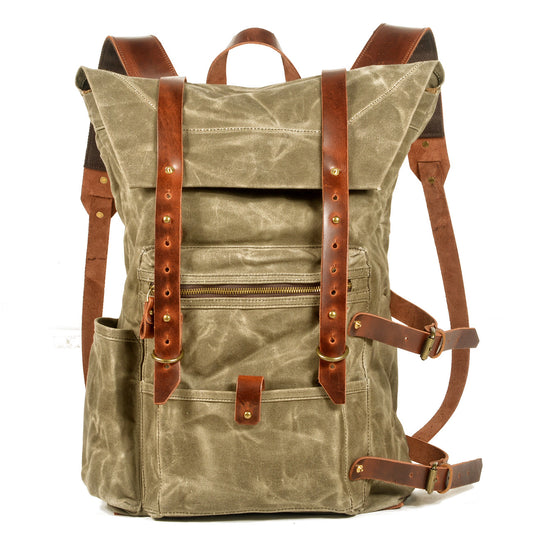
Go modular and lightweight. A waxed canvas bag shrugs off humidity and trail grime, and a single clear pouch doubles as your hostel shower caddy across South America or the Balkans. Less weight means more room for the things you actually buy on the road.
A Refill and Restock Routine
The best toiletry bag organization is maintained, not built once. After every trip: empty Zone 1, top up half-empty bottles, replace anything that leaked, and launder the bag. Before departure: check expiration dates on sunscreen and medications, and verify your clear liquid bag is still sealed and intact. Ten minutes of routine saves an hour of chaos later.
Your Pre-Trip and Post-Trip Checklists
Checklists turn good intentions into habit. Use these two short lists so nothing slips through the cracks.
One Week Before
- List the climates you will visit and pack climate-specific items (sunscreen for the tropics, heavy moisturizer for dry cabins).
- Decant any full-size products you plan to bring.
- Check medication supplies and copy prescriptions.
The Night Before
- Confirm your clear liquid bag is within the 100 ml limit per container.
- Place the liquid pouch at the top of your carry-on for quick screening.
- Zip every zone closed and do a final weight check.
Carry-On-Only Organization
If you travel with nothing but a personal item, your toiletry kit must be ruthless. Use the smallest possible bottles, choose solid bars over liquids wherever you can, and keep the kit flat so it slides into a duffle bag or backpack side pocket. Every gram saved on toiletries is a gram you can spend on clothes or souvenirs.
Sustainable and Refillable Choices
Good toiletry bag organization is also greener. Refillable aluminum or silicone bottles cut plastic waste across a year of trips, and solid shampoo or conditioner bars eliminate liquid entirely. Choose a durable bag you will keep for a decade rather than a cheap one you replace annually—the environmental math favors longevity.
Common Toiletry Bag Organization Mistakes
- Packing full-size bottles. They waste weight and fail security. Decant everything.
- Mixing liquids with solids. One leak ruins toothpaste and a razor alike.
- Over-stuffing. A jam-packed kit cannot close, so zippers strain and caps pop.
- Forgetting a backup pouch. You will need a plaster or a safety pin at the worst moment.
- Neglecting the bag itself. A mildewed, stained shell undermines all your careful sorting.
Pair Your Kit With the Right Luggage
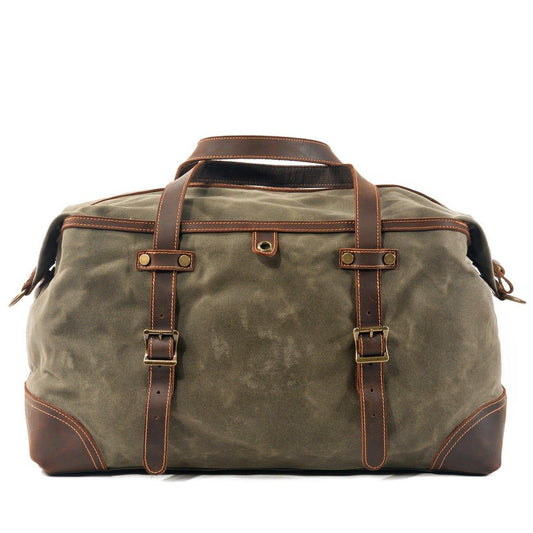
Your toiletry system should complement your main bag, not fight it. A slim flat kit slides into a structured duffle bag, while a hanging kit pairs better with a rolling case that has a wide top compartment. Match form to function and your whole packing flow improves from the first zipper.
Frequently Asked Questions
What size toiletry bag is best for a one-week trip?
For one traveler, a medium flat or hanging kit of roughly 8–10 liters holds a full routine plus backups. Couples should each carry their own rather than sharing one oversized bag, which becomes a bottleneck at the sink.
How do I stop shampoo bottles from leaking on flights?
Use silicone bottles, burp the air, wipe threads, cap tightly, and seal the group in a zip pouch placed mid-bag. Pressure changes—not turbulence—cause most leaks, so cushioning matters.
Can I keep medications outside the liquid bag?
Essential medications are usually exempt from the 100 ml rule, but carry them in original packaging with a label and declare them at screening, especially when crossing borders in Asia or the Americas.
Is a hanging or flat toiletry bag better?
Hanging kits win in tight bathrooms common across Europe; flat kits protect contents better and pack smaller. Choose by where you sleep most often on a typical trip.
How often should I clean my toiletry bag?
Wipe it after every trip and machine- or hand-wash it monthly if you travel often. A clean shell prevents odor, staining, and cross-contamination between trips.
Toiletry Bag Organization for Different Climates
Your kit should adapt to where you are going, because humidity and temperature change what leaks, what melts, and what grows mold. Smart toiletry bag organization is climate-aware, not one-size-fits-all, and a small adjustment per region saves you from ruined clothes and wasted products.
Hot and Humid Regions
In Southeast Asia or the Caribbean, powders clump and mold thrives. Use silica packets in Zone 3, choose solid bars over liquids, and air the bag out each evening rather than sealing it wet inside a duffle bag. A breathable mesh pocket helps damp items dry between beach days and prevents the sour smell that builds up fast in tropical hostels.
Cold and Dry Regions
In Nordic winters or high-altitude trips, creams thicken and lips crack. Keep a richer moisturizer in Zone 1 and a lip balm in Zone 2, and never leave the kit in a freezing car overnight where bottles can split at the seam and leak across everything else.
Mixed-Climate Itineraries
When one trip spans desert and rainforest, modular pouches shine: carry a tropical submodule and a temperate submodule, and swap them as the itinerary changes without repacking the whole kit from scratch at every border crossing.
How to Pack Toiletries for a Round-the-World Trip
Long trips demand discipline. Buy consumables locally instead of hauling three months of sunscreen, and treat your kit as a rolling system you restock on the road. Keep a master list on your phone so you can rebuild Zone 1 in any pharmacy from Lisbon to Lahore. Refill bottles at each stop, launder the bag weekly, and donate anything you never used—a lean kit is a happy kit after thirty flights, and it keeps your waxed canvas bag from becoming a weight penalty you regret by month two.
Toiletry Bag Organization for Couples and Groups
Sharing one giant kit sounds efficient but creates a bottleneck at the only mirror in the Airbnb. Better: each adult carries a personal pouch, and the group shares a single communal pouch for sunscreen, after-sun, and insect repellent. Label pouches with initials, and assign one person to restock the communal items so nothing runs out mid-trip. This small bit of toiletry bag organization prevents the classic group-travel squabble and keeps mornings calm.
The One-Minute Toiletry Bag Organization Checklist
| Check | Pass criterion |
|---|---|
| Liquids isolated | All in one sealed clear pouch under 100 ml each |
| Solids separated | Toothbrush, razor, soap in their own pouch |
| Backups present | Plaster, meds, and a pen in Zone 3 |
| Leak-tested | Bottles burped, wiped, and double-bagged |
| Luggage-matched | Kit shape suits your main bag |
Run this checklist the night before departure and your toiletry bag organization is guaranteed to survive the trip, no matter how many connections you face.
Conclusion
Strong toiletry bag organization turns a chaotic wash kit into a reliable travel system you can repeat anywhere—from a boutique hotel in Lisbon to a guesthouse in Kyoto. Use the three-zone method, respect regional liquid rules, and maintain your kit between trips. Explore our toiletry bag collection to find the shell that fits your system, then pack smarter on your next journey.