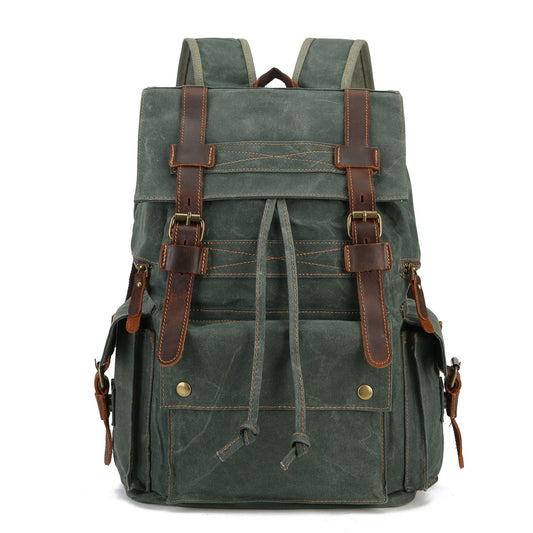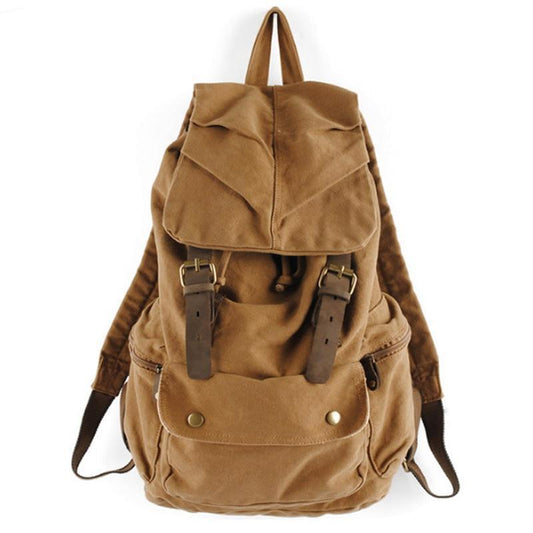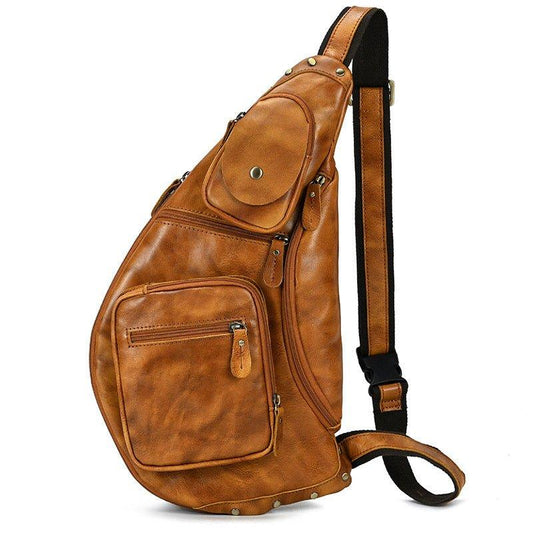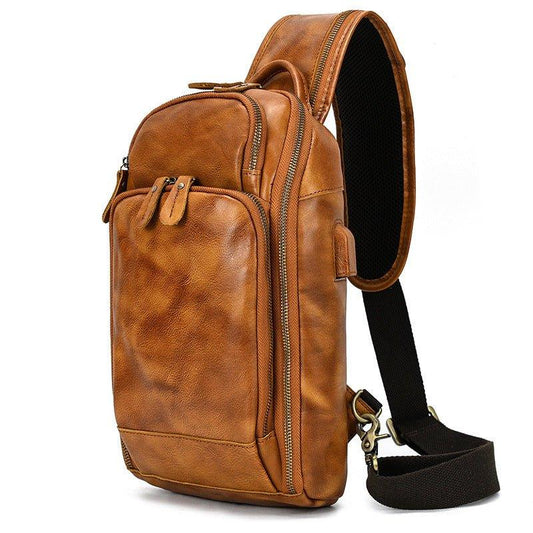
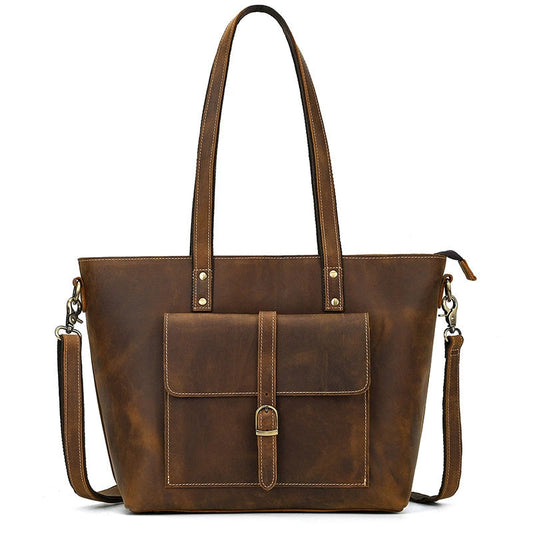
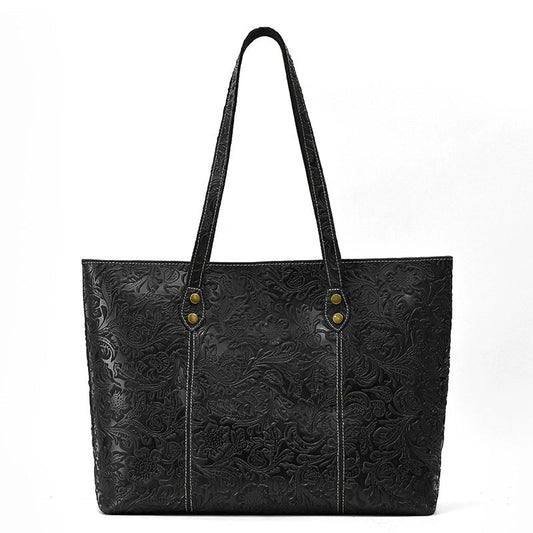
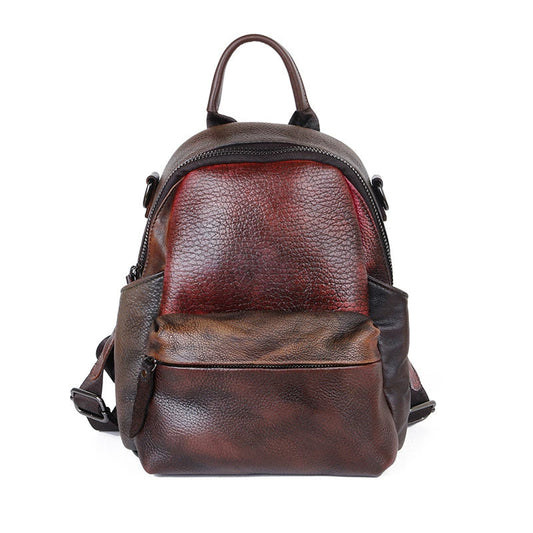

How to Identify Genuine Crazy Horse Leather

Identifying genuine Crazy Horse leather requires more than looking for a brown vintage finish. The name usually describes a pull-up style in which the surface changes tone when rubbed or flexed, while the underlying hide, grain, and construction determine quality. A convincing appearance can be imitated, so inspect the material and the product together.
Use this guide as a practical checklist for grain, touch, pull-up behavior, edges, stitching, smell, and product information. No single test proves everything, and aggressive scratching or wetting can damage a bag.
Start with the material description
Read the product details for the leather type, finish, lining, and care guidance. Genuine Crazy Horse leather is commonly associated with cowhide and a wax or oil finish, but sellers may use the term differently. Specific information about the hide and construction is more useful than a broad claim that only repeats the style name.

Look at the grain and surface variation
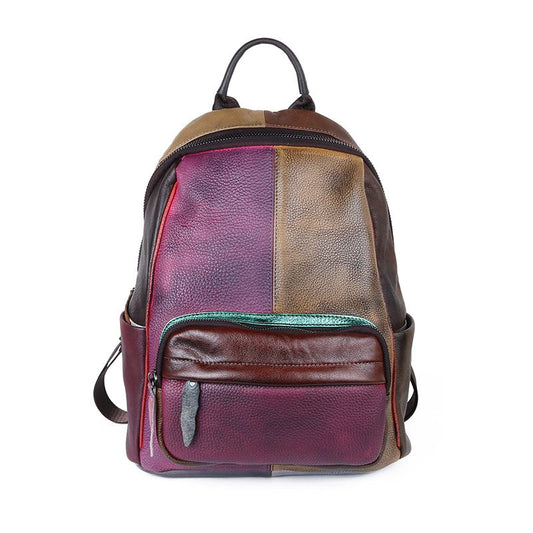
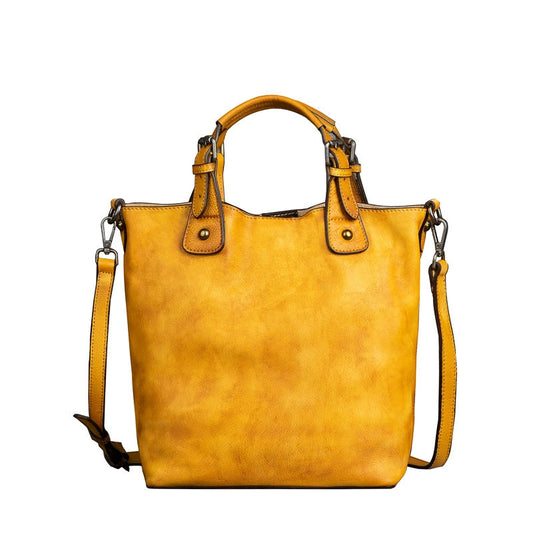
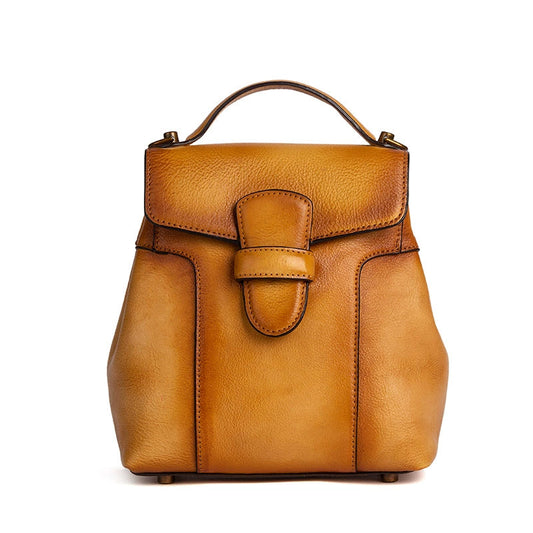
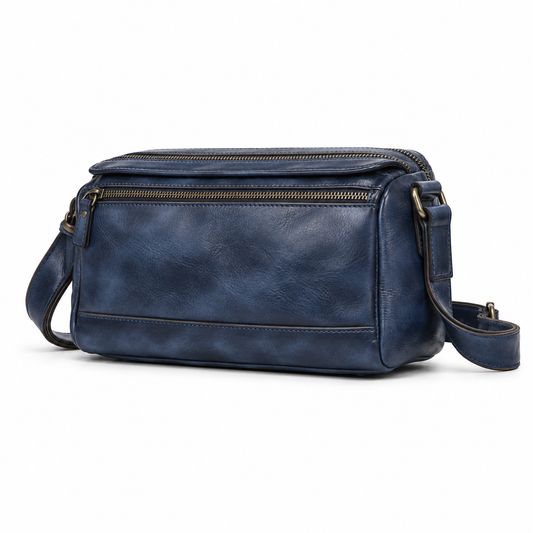
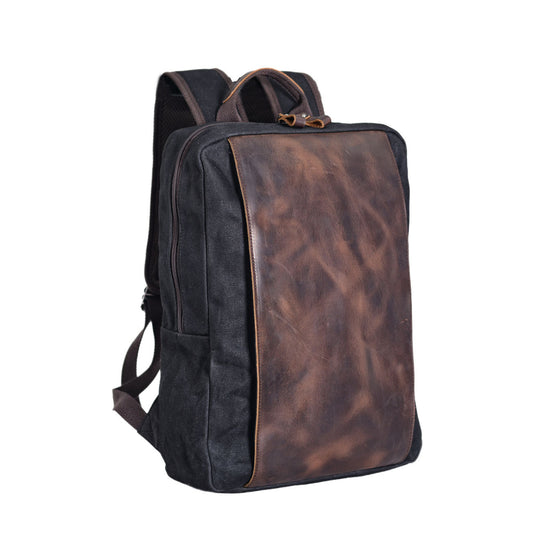
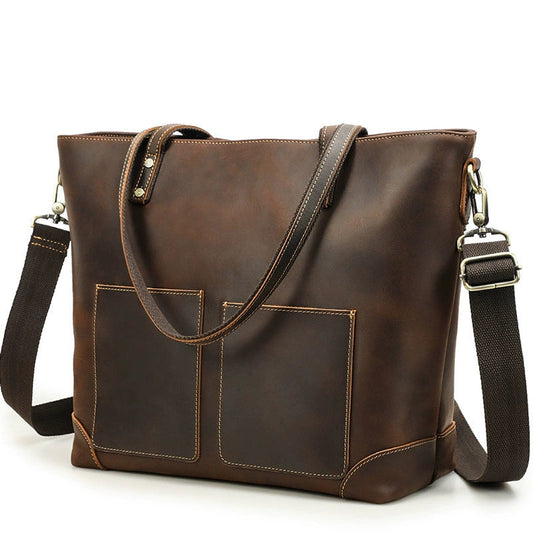
Natural leather grain is not perfectly uniform. You may see small differences in texture, pores, or color across panels. A very regular plastic-like surface can be a reason to ask more questions, although an even finish alone does not prove that a product is synthetic. Inspect the whole bag rather than one carefully selected photograph.

Test the pull-up effect carefully
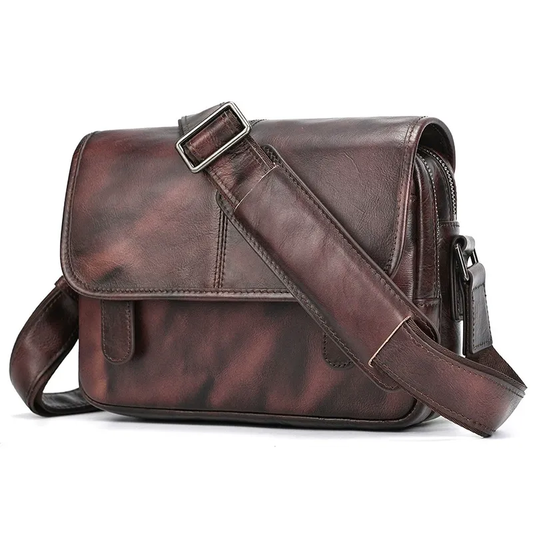
A pull-up finish may become lighter when the leather is bent or rubbed gently with a clean finger. The tone should change and then settle as the surface is released. Do not scrape the leather with a key or apply household products. A small movement test on an inconspicuous area is enough to observe the finish.
Inspect edges, stitching, and hardware
A genuine leather bag can still be poorly made. Check whether the edges are finished consistently, whether stitches are even, and whether handles or strap anchors are reinforced. Hardware should close cleanly and match the load. These checks help separate a well-constructed leather product from one that only imitates a vintage appearance.
Use smell and touch as supporting clues
Leather often has a distinctive natural smell and a warmer, more complex touch than thin plastic-coated material. These clues are subjective and can be altered by dyes, lining, storage, or fragrance, so use them only together with grain, construction, and seller information.
A practical buying checklist
- Confirm the stated hide and finish instead of relying on the product title alone.
- Look for natural variation across more than one product image.
- Check pull-up behavior gently and avoid damaging tests.
- Inspect stitching, edge finishing, hardware, lining, and handle reinforcement.
- Read care, returns, and current variant information before ordering.
The most reliable identification process combines material behavior with construction evidence and transparent product information. When several clues agree, you can make a more confident choice without expecting every natural mark to look identical.
Compare evidence instead of relying on one clue
A product can smell like leather because of a finish or fragrance, and a synthetic material can be embossed to look textured. That is why identification should combine several observations. Read the description, inspect multiple images, consider the price and construction, and ask for clarification when the seller does not explain the hide or finish.
Look at high-contact areas as well as the front panel. Handles, edge paint, underside panels, and strap ends often reveal how the material is constructed. If every surface has an identical pattern with no natural variation, ask whether the product is coated, corrected, or synthetic.
Questions to ask before ordering
- Is the leather described as cowhide, full-grain, top-grain, or another specific type?
- Does the listing explain the pull-up or waxed finish?
- Are the product images clear enough to inspect grain and stitching?
- What are the care, return, and material disclosure policies?
- Do the dimensions, lining, and hardware match the expected use?
A transparent product page should make the practical decision easier. If the description uses only vague words such as premium or genuine without explaining construction, treat that as a reason to investigate further rather than as proof of quality.
After the bag arrives
Inspect the item in natural light before applying any product. Compare the surface to the listing images, check seams and hardware, and confirm that the interior matches the stated dimensions. If you test the pull-up effect, use a gentle bend or clean finger on a hidden area; never scratch, soak, or heat the material.
The goal is not to find a perfectly uniform hide. Natural leather may include variation, small scars, or tonal changes. The useful question is whether those characteristics are consistent with the disclosed material and whether the construction meets the intended load. That distinction helps you evaluate fairly and avoid damaging a new product during testing.
If the evidence remains unclear, the safest choice is to ask the seller for a more precise material statement or additional close-up images. A confident purchase comes from transparent information and sensible construction checks, not from a dramatic scratch test.
Use the evidence as a whole and avoid damaging the product while trying to prove a point.
When the description, images, and construction all tell the same story, confidence improves. When they conflict, pause and request clarification before ordering rather than relying on a single close-up or a familiar-looking color.
Related Woosir resources
Use these related collection and product pages to compare current materials, capacities, and available variants before making a final decision.