
How to Choose the Perfect Weekender Bag: Size, Style & Materials Guide (2026)

Choosing the perfect weekender bag means balancing size, style, material, and the way the bag will be carried. A bag that looks spacious may become heavy when full, while a compact bag can work brilliantly when its opening and organization match a realistic two- or three-day list.
This 2026 buying guide explains how to choose a weekender by capacity, structure, access, materials, carry comfort, weather, and trip pattern. Confirm current product dimensions and variants before ordering.
Choose size from the trip length
Start with the bulky items and the number of outfit changes. A short city break may need one pair of shoes and a flexible layer, while a weekend outdoors may add equipment and weather protection. Choose enough volume for the real list, leaving a little room for the return journey.
Oversizing can be as inconvenient as undersizing. A large open bag encourages duplicates and becomes hard to control when half full. A small bag may force the zipper and handles to carry too much. Test the planned list before deciding which size feels perfect.
Compare structured and soft formats
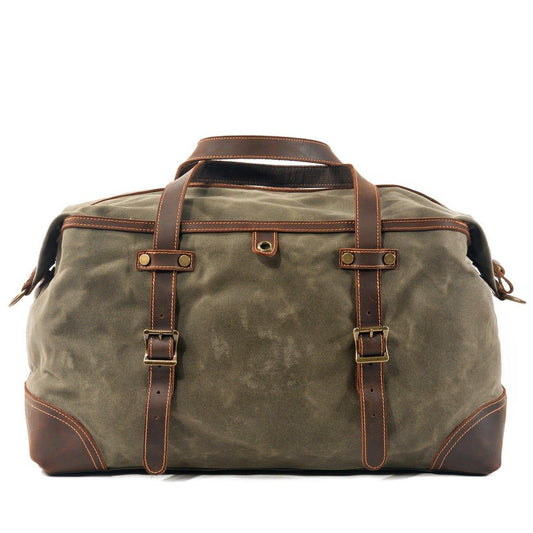
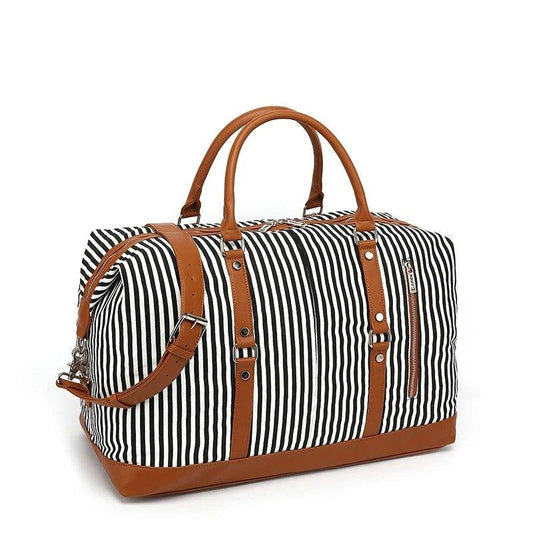
A structured weekender can stand on a bench and protect contents from compression, while a soft bag may fit more easily under a seat or into a vehicle. The base, side panels, and opening determine how the bag behaves when it is not completely full.
Consider storage between trips. A soft bag may fold, while a structured leather or canvas bag may need upright space. The best style is one you will store and reach for regularly, not a format that becomes inconvenient at home.
Evaluate carry comfort
Check handles, shoulder strap, attachment points, and empty weight. A comfortable handle for a short lift may not work on a long station walk. Test the bag with shoes, toiletries, clothing, and technology inside, then walk and lift it using every available carry mode.
Place dense items near the center and use a shoe compartment or pouch when available. A bag that remains balanced is easier on the shoulder and less likely to swing into other people or furniture during transit.
Choose material for use and care
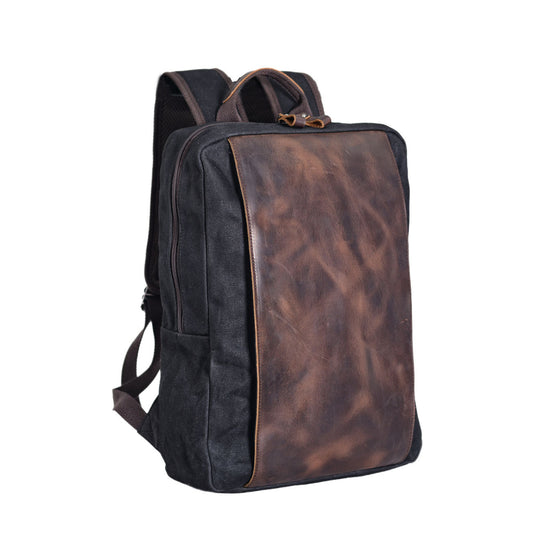
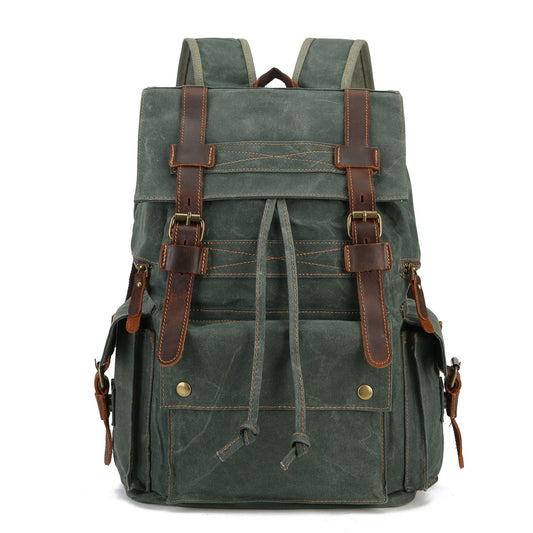
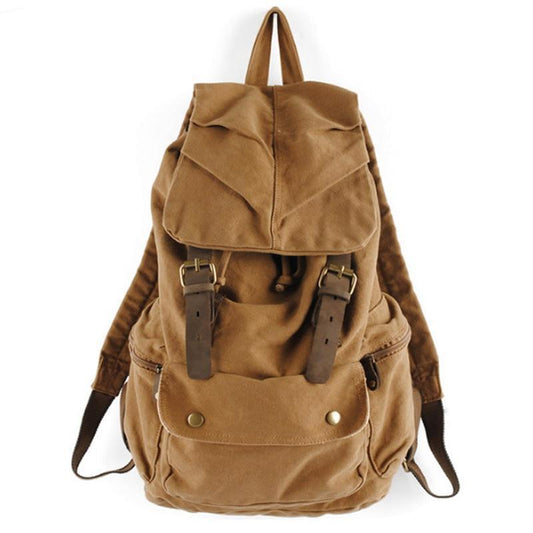
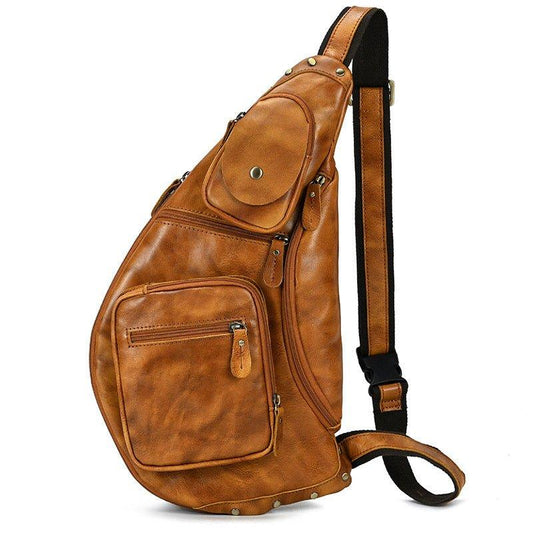
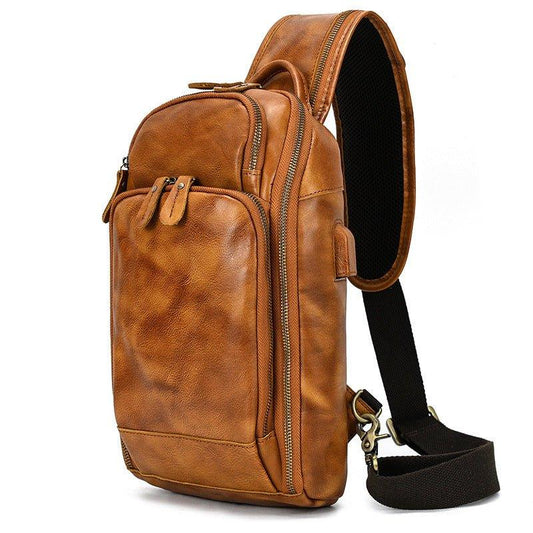
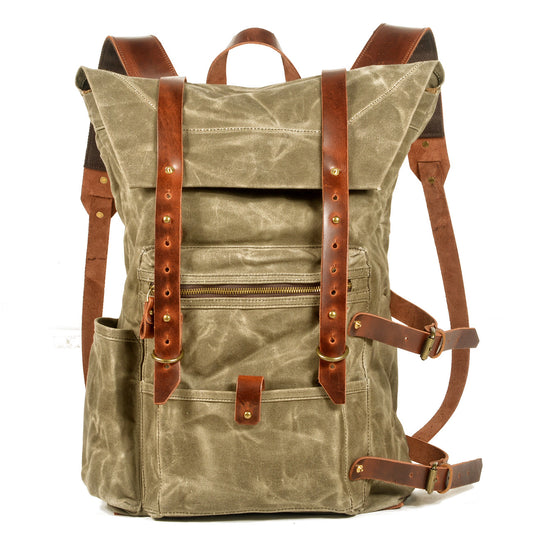
Leather offers structure and character but adds weight and needs careful moisture management. Waxed canvas can provide a heritage feel and light weather shedding, while lighter synthetics may simplify cleaning. Compare durability, drying time, and empty weight with the actual travel environment.
A material is only an advantage when its care routine is realistic. Wipe spills, dry the bag naturally, and follow the product guidance before applying conditioners or wax. Protect electronics and documents in inner pouches regardless of the outer finish.
Plan the interior
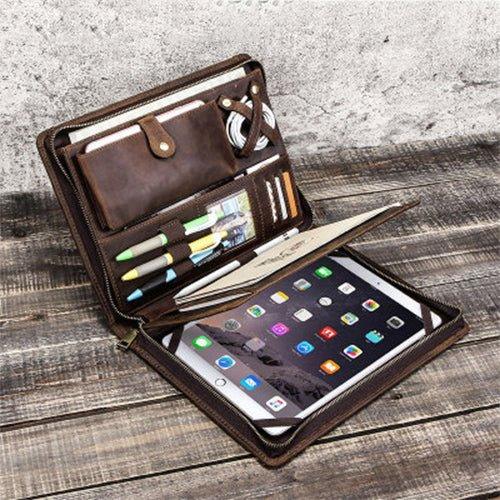
A wide opening makes packing easier, while internal pockets help small items stay reachable. Use a packing cube for clothing, a sealed toiletry pouch for liquids, and a cable pouch for technology. Too many narrow pockets can be less useful than one clear main zone and two reliable access areas.
Keep the first-use items near the top: documents, medication, headphones, a layer, and the charger you need during transit. Leave the bag flexible enough to close without force and to accept a small change on the return journey.
Match style to the setting
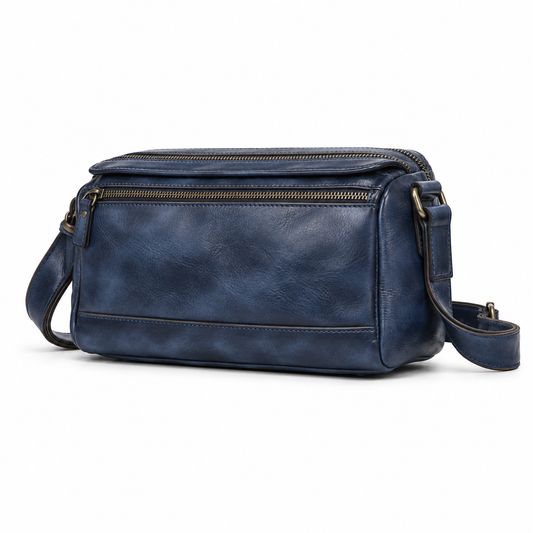
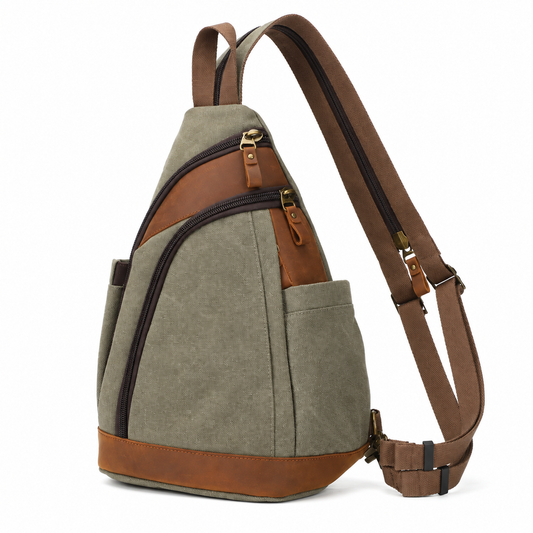
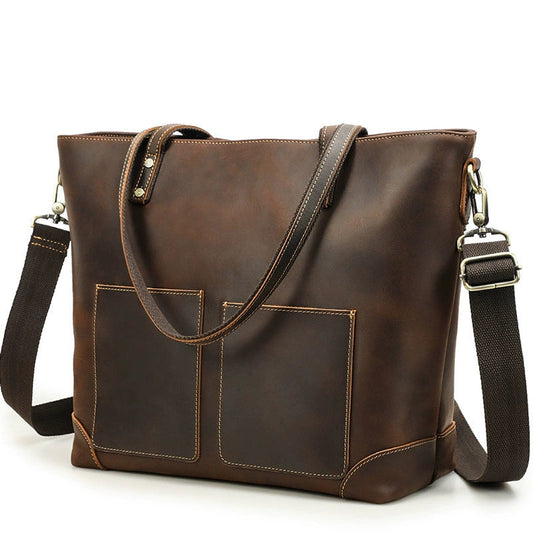
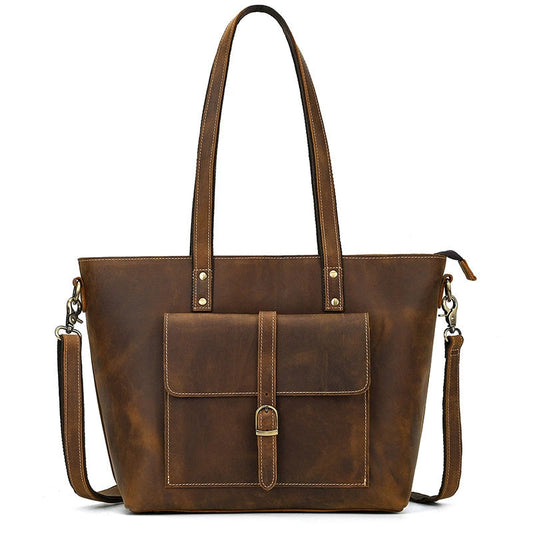
A leather or canvas heritage profile may move from a hotel to a restaurant comfortably, while a technical weekender can suit airports and outdoor trips. Color, hardware, and proportions affect how the bag works with clothing and how easily surface wear is visible.
Style should follow function rather than replace it. A polished exterior does not compensate for weak straps, poor access, or excess weight. Choose the visual language you enjoy, then verify the construction supports the trip.
Perfect-weekender checklist
- Test the planned three-day load before buying.
- Compare capacity, empty weight, base, opening, and carry points.
- Choose material care that fits your routine.
- Use pouches for liquids, electronics, and worn clothing.
- Leave flexibility for the return journey and current product variants.


Before buying a weekender, pack the list you expect to use and lift the bag from the floor. Confirm current dimensions, empty weight, material, and care guidance on the live page. A perfect weekender is not the largest one; it is the format that remains organized and comfortable from departure to unpacking.
A weekender's style should also suit how it is stored and maintained. Leather may need a dry supported space, canvas may need air circulation, and a soft synthetic bag may be easier to fold. Think about the time between journeys as part of the buying decision because storage affects how quickly the bag is ready to use.
Verify the current dimensions, empty weight, material, and care instructions before choosing. A perfect weekender is the one that keeps its shape, supports the load, and feels natural to carry on the route you take most often.
A weekender also needs a sensible empty-to-packed relationship. Compare the bag when it is half full, because that is how many short trips actually begin. Compression, a supported base, and a useful opening help a smaller or medium format stay controlled instead of collapsing around the contents.
Related Woosir resources
Use these related Woosir pages to compare current materials, dimensions, care details, and available variants before making a final decision.