
How to Choose a Travel Duffle Bag: The Complete Guide for 2026

Choosing a travel duffle bag is less about finding the largest soft bag and more about matching capacity, access, carry comfort, and construction to the route. A good duffle can move from a train platform to a hotel room, but the wrong size quickly becomes heavy, disorganized, or difficult to protect.
This 2026 guide explains how to compare travel duffle bags by trip length, material, opening, shoulder carry, organization, weather planning, and airline practicality. Check the live Woosir collection for current dimensions and variants before ordering.
Start with the trip rather than the photograph
List the items that must travel before choosing a volume. A one-night business trip may need a laptop, shoes, and a change of clothing, while a weekend outdoors may add a jacket, towel, or equipment pouch. The bulky items determine the minimum size; the route determines whether that size is comfortable to carry.
Also note how the bag will move between transport, accommodation, and activities. A vehicle-to-hotel transfer can tolerate more volume than a day that includes stairs, station platforms, and long walks. The best travel duffle is large enough for the planned load but not so large that empty space encourages unnecessary packing.
Compare duffle shapes and openings
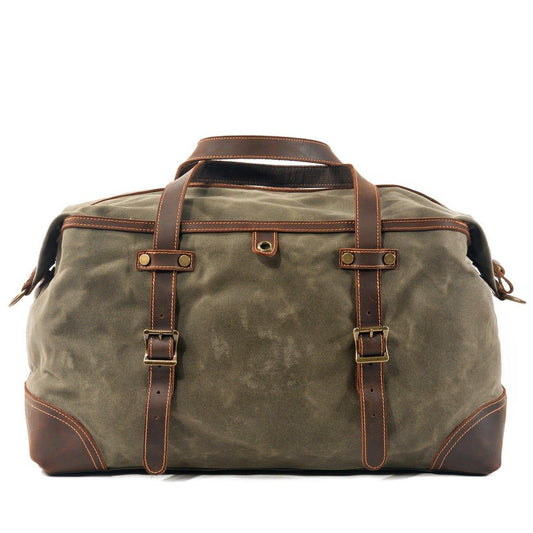
A wide top opening makes clothing and shoes easy to load, while a structured opening helps the bag keep its shape when placed on a bench or luggage rack. A shoe compartment can isolate footwear, but it also uses volume and may add weight. Decide whether organization comes from built-in pockets or from lightweight pouches you can rearrange.
Look at zipper paths and access points as daily-use features. A long zipper is useful when packing flat, but it should not catch the lining or place strain on the corners. External pockets are valuable for documents and chargers only when they close securely and remain reachable without opening the main compartment.
Choose a material for the route
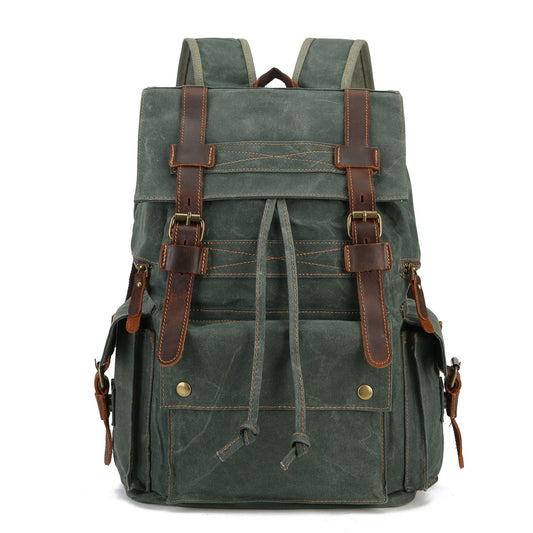
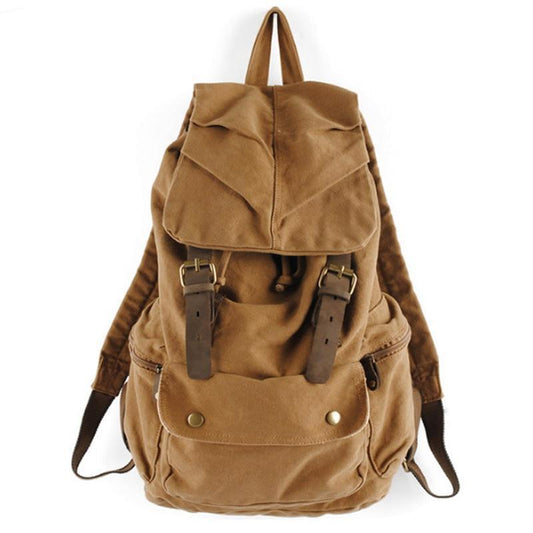
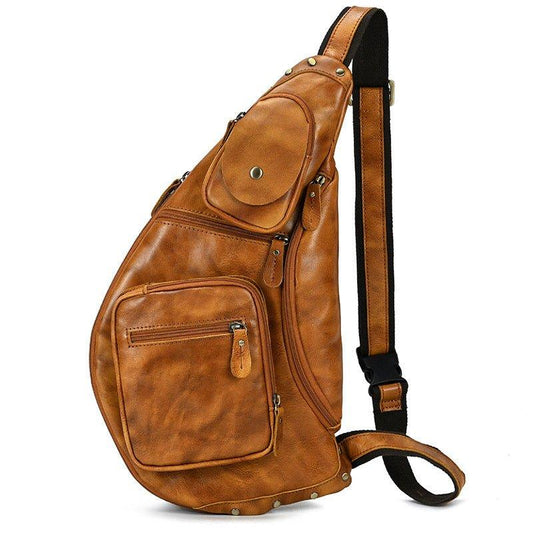
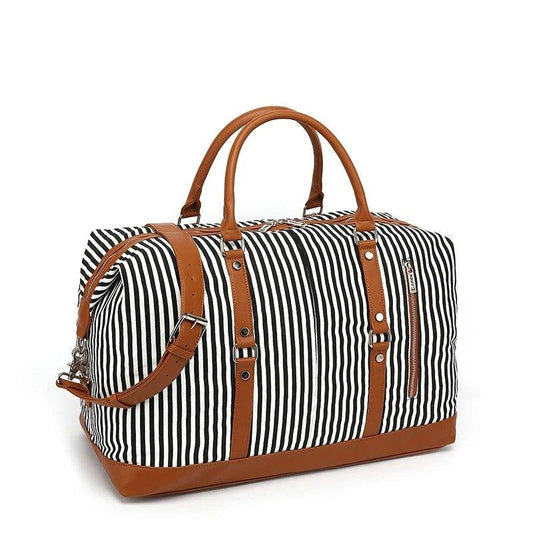
Canvas offers a tactile, heritage appearance and can be durable when panels, seams, and the base are reinforced. Leather adds structure and develops character, but it can increase empty weight and requires more careful drying. Technical synthetics may reduce weight and simplify cleaning. The material should follow weather exposure and carrying distance, not just style preference.
No soft-sided duffle should be treated as automatically waterproof. Protect electronics and travel documents in inner sleeves, use a liner during heavy rain, and dry the bag open after use. Water resistance is a system made from fabric, seams, zippers, and packing choices rather than a single marketing phrase.
Check handles, strap, and packed balance
Handles should join the bag through reinforced points and remain comfortable when the load is dense. A shoulder strap is useful for longer transfers, but it should adjust smoothly and stay stable over a jacket. Test both modes with the real packing weight because a bag that feels light when empty may pull sharply when shoes and electronics are added.
Dense objects should sit near the center and low in the bag. Use packing cubes for clothing, a sealed pouch for liquids, and a separate sleeve for devices. This reduces shifting and makes the duffle easier to lift without one side collapsing. If the route is mostly walking, consider whether a backpack or wheeled format would distribute weight better.
Think about carry-on and storage limits
Airline dimensions vary, so treat any carry-on claim as a starting point rather than a guarantee. Measure the packed bag, including handles and side pockets, and check the current carrier rules before flying. A soft bag can compress slightly, but overfilling can make the zipper, seams, and handles work harder than intended.
At home, store the duffle in a dry, ventilated place with the main compartment open. Avoid folding sharp creases into leather or coated canvas, and remove damp clothing promptly. A simple storage routine protects the material and helps you notice loose stitching or hardware before the next trip.
Build a repeatable packing system
Place shoes and dense accessories at the bottom or at the ends, then add rolled clothing and a flexible layer. Keep identification, medication, a charger, and the first change of clothing near the opening. This sequence means the traveler can access the essentials without emptying the entire bag in a station or hotel lobby.
Leave a small amount of space for the return journey. A rigidly full duffle is harder to close and more uncomfortable to carry. If the bag is still underused after the list is complete, choose smaller dimensions rather than treating unused capacity as a benefit.
Use a final buying checklist
- Match the volume to the actual trip length and bulky items.
- Check empty weight, handles, shoulder strap, base, and zipper path.
- Confirm the live dimensions and material care instructions.
- Plan inner protection for liquids, electronics, and documents.
- Test the packed bag in every carry mode before a long journey.


Use the bag repeatedly, not occasionally
A travel duffle is often a better purchase when it can cover several trip types without becoming a compromise in every one. Test the same bag with a short business load, a weekend wardrobe, and the equipment needed for a day outdoors. The comparison reveals whether the pockets, opening, and carry points remain useful as the contents change.
Keep a short post-trip note about what was difficult to reach, what caused the bag to sag, and whether the shoulder strap stayed comfortable. That feedback is more reliable than a generic capacity label. Over time, it helps you choose a smaller, better organized duffle instead of adding volume that is rarely used.
Related Woosir resources
Use these related Woosir collection and product pages to compare current materials, dimensions, care details, and available variants before making a final decision.