
How to Choose a Leather Travel Wallet in 2026: Capacity, Cards & Travel Documents

Choosing a leather travel wallet in 2026 means balancing capacity with control. The wallet should hold the passport, cards, cash, and documents required for the trip without becoming thick, uncomfortable, or difficult to secure. Leather quality matters, but a useful layout and realistic packing list matter just as much.
This guide focuses on capacity, card organization, travel documents, comfort, RFID expectations, and care. Confirm the current dimensions and material details on the live Woosir product page before ordering.
Build the capacity list
Start with the passport, payment cards, identification, cash, and transit details needed for a normal trip. Add only the documents required for the itinerary. A wallet that holds everything you own becomes uncomfortable and makes a crowded pocket more visible.
Check the size of the currency used at the destination and leave room for a few receipts only if they will be useful. The wallet should close flat without stretching the leather or pressing against cards at the edges.
Choose a useful layout
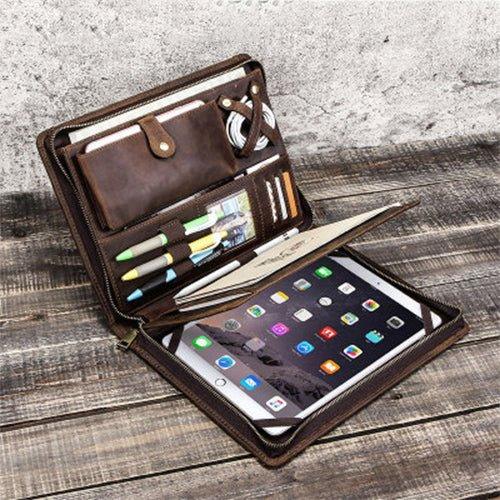
A travel wallet may include a passport sleeve, card slots, cash sections, a zip pocket, or a detachable pouch. Choose the elements that match the way you pay and store documents. More compartments are not automatically better if the wallet becomes difficult to search.
Keep the most frequently used card accessible and reserve a less visible zone for backup payment and emergency cash. Use the same slot every day so a quick departure check can reveal what is missing.
Understand leather quality
Full-grain or other quality leather can develop character through use, but the surface label does not guarantee the right size, stitching, or slot design. Inspect the folds, edges, lining, and closure. A wallet must remain flexible without losing control of its contents.
Avoid choosing a very thick wallet for the promise of durability. A slim, well-constructed wallet may be more comfortable and less stressful on the leather folds. Match the material care to the destination climate and storage habits.
RFID and travel security
RFID protection may reduce some types of unauthorized contactless reads, but it does not prevent physical theft or reveal whether the wallet is overloaded. Treat it as one layer alongside secure storage, awareness, and limited exposure in crowds.
Keep only current documents and cards in the wallet. In busy transport areas, return it to an inner pocket or secure bag compartment rather than holding it open while searching. Organization reduces the time valuables are visible.
Check comfort in real use
Test the wallet in the pocket, sling, or bag compartment where it will live. Sit, walk, and reach for the passport. Excess stiffness or a long format in a tight pocket can become uncomfortable and encourage unsafe storage.
A wallet should open enough to show the needed item without exposing every card and document. A controlled opening is more useful than a maximum-capacity design that becomes difficult to close.
Care for the travel climate
Leather reacts to humidity, heat, and friction. Allow the wallet to air after a damp day, keep it away from direct sun, and blot spills instead of rubbing. Do not store wet receipts or coins against the leather.
Remove old cards and receipts between trips. A lighter wallet puts less pressure on folds and slots, while a breathable storage pouch protects the surface from dust without trapping moisture.
Wallet buying checklist
- List the passport, cards, cash, and documents actually required.
- Choose a layout that keeps frequent and backup items separate.
- Judge leather together with size, stitching, folds, and closure.
- Treat RFID as one security layer, not a complete solution.
- Test comfort and storage in the destination climate.


Use the wallet as a small travel control center, not a storage archive. Before departure, remove old cards and receipts, confirm the documents needed for the route, and test the closure while seated. A slim, calm layout is easier to secure in crowds and kinder to the leather folds.
Start with the documents that must be reached quickly, then choose a wallet format around them. A passport compartment can be useful for international travel, but it should not force everyday cards into a tight stack. Count the cards you really carry, allow space for a small amount of cash, and check whether the closure remains flat when every slot is occupied. Keep a backup payment method separately from the main wallet and avoid storing loose keys or sharp objects against the leather. During airport transfers, place the wallet in a consistent inner pocket rather than an open jacket pocket. At home, let the leather rest away from direct heat and wipe surface dust with a soft cloth. Capacity is helpful only when it preserves quick access, security, and comfortable carry.
Security should be evaluated alongside capacity. A wallet that closes firmly and sits flat in an inner pocket can reduce accidental exposure, while an overstuffed wallet may remain partly open and become uncomfortable. For flights, separate the cards and documents needed at the checkpoint from those needed later in the trip. For everyday use, carry only the cards that have a clear purpose. This keeps the leather from stretching and makes missing items easier to notice.
Related Woosir resources
Use these related Woosir pages to compare current materials, dimensions, care details, and available variants before making a final decision.