
How to Choose a Carry-On That Doesn't Look Like Luggage: Fabrics, Frame & Airline Rules for 2026

A carry-on does not have to look like a traditional suitcase to be practical on a flight. Soft fabrics, restrained hardware, a supported frame, and discreet pockets can create a bag that works in an airport while still looking like an everyday weekender. The key is meeting airline limits without sacrificing comfort or access.
This 2026 guide explains how to compare fabrics, structure, pockets, and airline dimensions. Carrier rules vary, so treat the live rule for the booked flight as the final authority.
Start with the airline measurement
Measure the packed exterior, including handles, wheels, side pockets, and compression bulges. A soft bag can flex, but it should not rely on being crushed into a sizer every time. Check the carrier, fare, route, and whether the bag is a personal item or overhead carry-on.
Pack below the strictest relevant limit when possible. A little spare capacity makes it easier to handle a gate change or a different aircraft. Do not choose a bag solely because its empty dimensions appear compliant; the packed shape is what the airline sees.
Choose a soft structure carefully
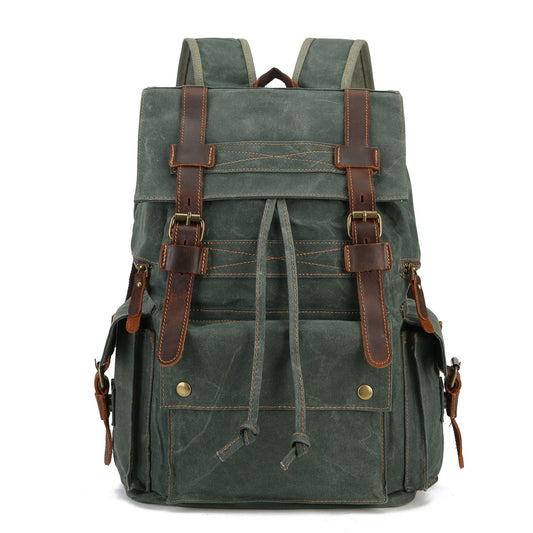
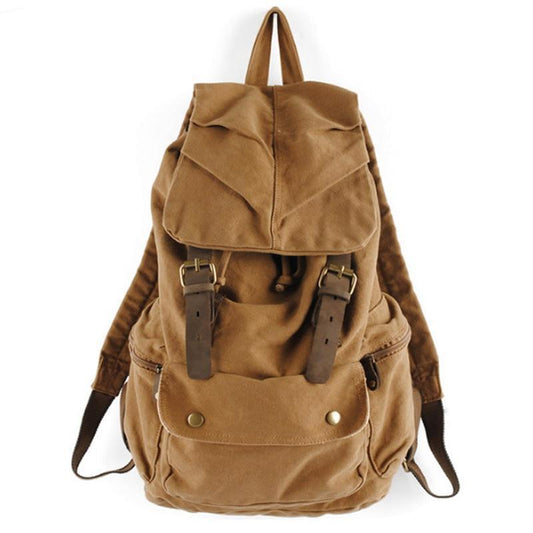
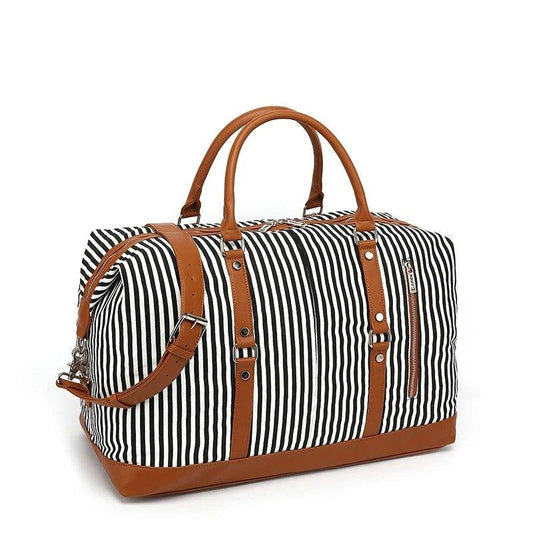
A soft carry-on can resemble a work or weekend bag and may fit under a seat more easily than a rigid case. It still needs enough structure to protect contents, support the opening, and remain stable when placed upright. Inspect the base, corners, and frame or reinforcement.
Too much structure adds weight and reduces flexibility, while too little lets clothing collapse into a dense, hard-to-search mass. The best balance depends on whether you value under-seat flexibility, overhead protection, or a polished professional appearance.
Fabric, lining, and weather planning
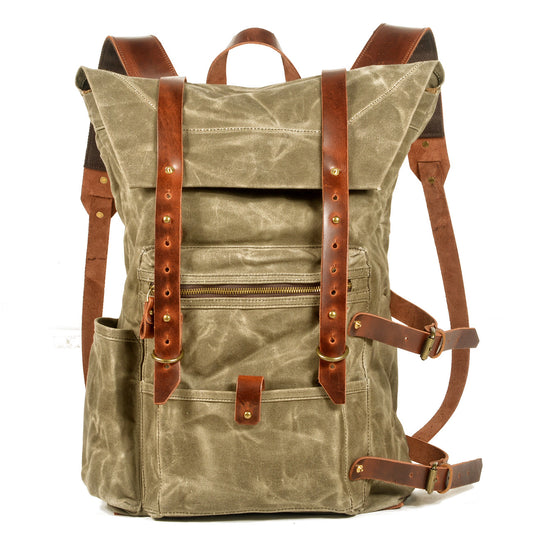
Canvas, coated fabric, nylon, and leather each affect weight, cleaning, drying, and appearance. Compare the outer material with the journey from curb to terminal, not just the climate at the destination. A light shower or wet luggage belt can still reach an open zipper.
Use an inner pouch for documents, electronics, and liquids. Close every compartment before moving through the terminal and dry the bag after exposure. Water resistance is useful, but it is not a replacement for a thoughtful packing system.
Pack by security and access
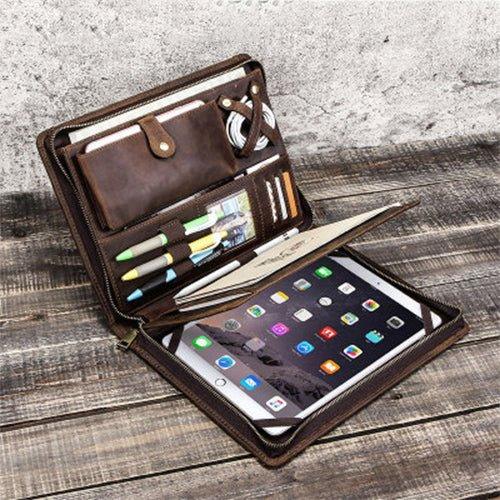
Keep a laptop, tablet, and power pouch in a reachable zone if the route requires removal at security. Place clothing and shoes in separate zones so the bag can open without spilling. Travel documents, medication, and a layer should remain accessible without exposing the entire contents.
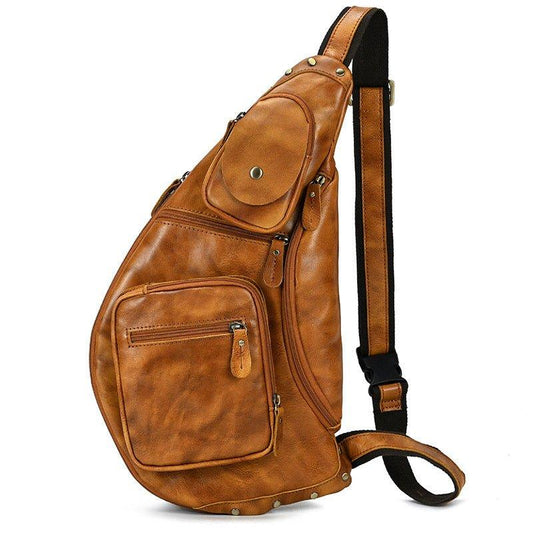
Avoid filling exterior pockets with bulky objects that change the measured profile. A discreet pocket is useful only when it closes securely and does not create a hard pressure point against the device or frame.
Carry comfort and transfer points
Compare handles, shoulder strap, trolley sleeve, and empty weight. Airport routes include stairs, queues, train connections, and long corridors, so a bag that is easy to lift once may still be tiring after an hour. Test the carry system with the actual packed load.
If the bag slides over a suitcase handle, check that it stays centered and does not tip backward. A shoulder strap should be wide enough for the packed weight and removable when it would catch on an overhead compartment.
Keep the silhouette polished
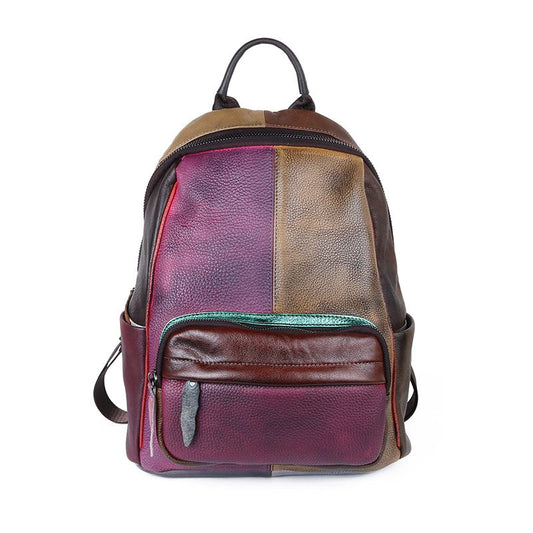
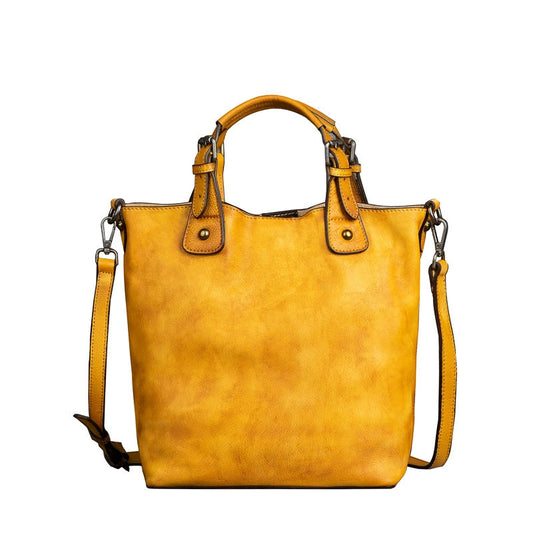
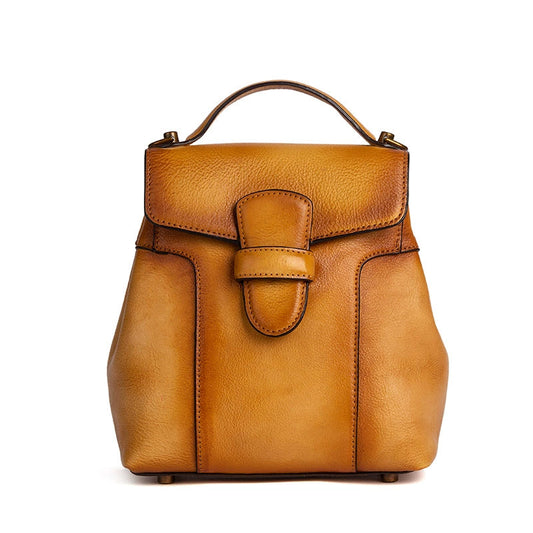
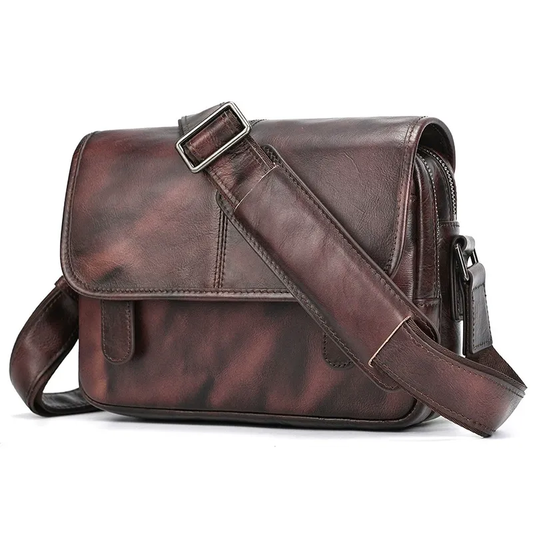
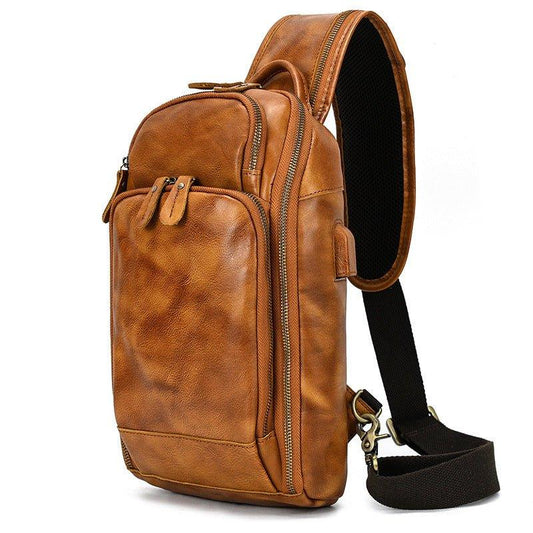
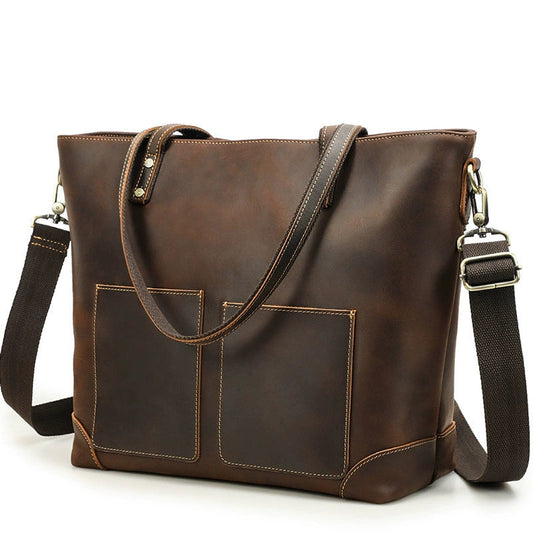
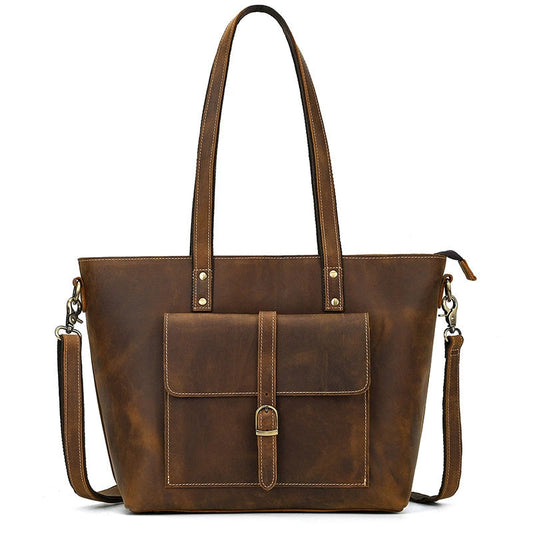
A carry-on looks less like luggage when the hardware is restrained, the pockets are integrated, and the shape remains controlled when partly full. Choose neutral proportions that can move from airport to hotel lobby or office without looking like a hard case.
Polish should not remove function. A refined exterior still needs a strong base, smooth zippers, and a protected device zone. Style is useful when it makes the bag easier to use in more settings, not when it hides a weak construction.
Carry-on buying checklist
- Measure the packed exterior against the current airline rule.
- Balance soft flexibility with base, corner, and device support.
- Choose fabric and lining for the real weather and cleaning routine.
- Keep security items accessible without overloading exterior pockets.
- Test handles, strap, trolley sleeve, and packed weight together.


A polished carry-on should also be tested outside the airport lounge. Pack it with the actual laptop, clothing, toiletries, and documents, then lift it into a car trunk, carry it through a station, and place it under a table. These small transfers reveal whether the handles are comfortable, the base stays stable, and the soft sides collapse into the device. Check the exterior profile after the bag has been fully packed, including the bulge of every pocket. If the bag is intended for an overhead bin, test the lift without twisting your wrist. If it is intended as a personal item, sit with it at your feet and confirm that the opening remains usable. A subtle appearance is valuable because it extends the bag beyond flights, but the underlying structure must still support the route. Choose the format that looks at home in more than one setting without hiding a difficult carry.
Before booking, compare the packed dimensions with the most restrictive segment of the itinerary. Airline allowances can differ even on the same journey, so a little spare space is valuable. The best-looking carry-on is still the one that remains compliant and comfortable.
Related Woosir resources
Use these related Woosir pages to compare current materials, dimensions, care details, and available variants before making a final decision.