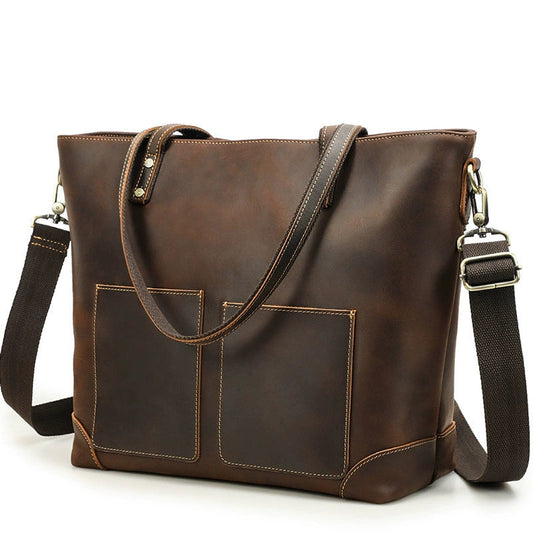
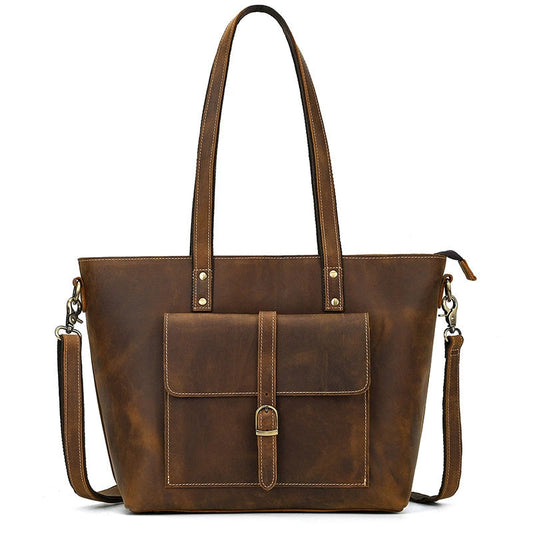
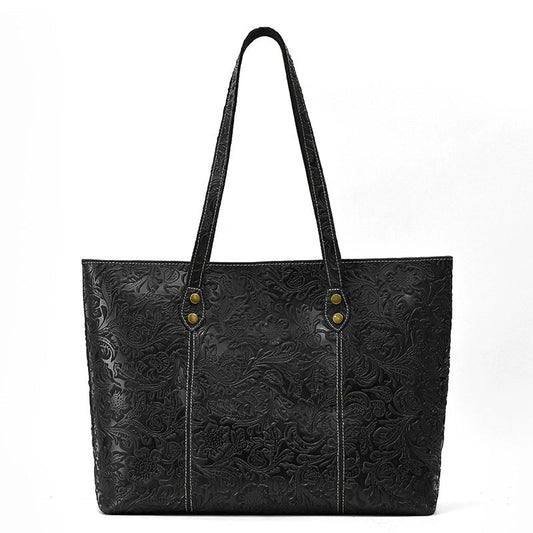
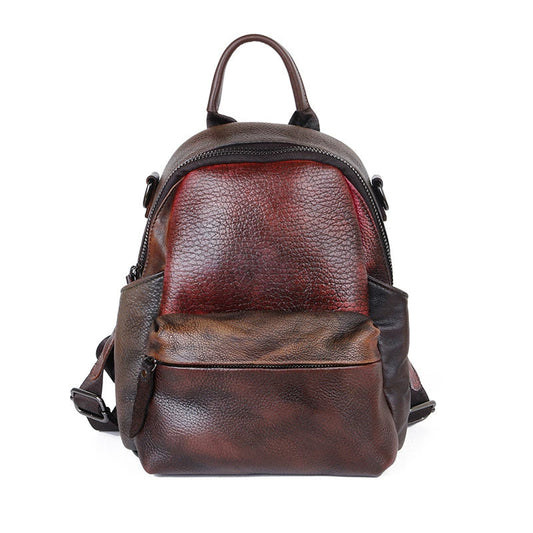

Genuine Leather Duffle Bags: Worth the Investment in 2026?

Genuine Leather Duffle Bags: Worth the Investment in 2026?
If you've ever stood in a luggage store weighing a genuine leather duffle bag against a nylon or canvas alternative, you've probably wondered: is the premium price really worth it? In 2026, with travel rebounding globally and consumers increasingly prioritizing quality over quantity, genuine leather duffle bags are enjoying a renaissance. But "worth the investment" is a question that deserves a thorough answer — one that considers durability, aesthetics, resale value, and the total cost of ownership over decades. This guide examines whether a genuine leather duffle bag is a smart buy in 2026 and how to choose one that truly justifies its price tag.
The Allure of Genuine Leather Duffle Bags
There's an undeniable magnetism to a well-crafted leather duffle bag. It sits in an airport lounge looking like it belongs in a classic film — rich, warm, and full of character. Unlike synthetic materials that look tired after a season, leather develops a patina that tells the story of every trip: the scuff from a London tube turnstile, the softening from years of weekend getaways, the rich darkening from oils in your hands.
But beyond aesthetics, genuine leather duffle bags offer functional advantages that synthetic materials struggle to match. They're naturally abrasion-resistant, structurally sound, and capable of protecting your belongings through years of rough handling by baggage systems worldwide. For travelers who value both form and function, a leather duffle bag is a compelling proposition that bridges the gap between practicality and style.
In an era where fast fashion dominates and most travel gear is designed to be replaced within a few years, a genuine leather duffle bag represents a deliberate choice to invest in permanence. It's a statement that you value craftsmanship over convenience, longevity over disposability. And as we'll see, that philosophy often proves to be not just emotionally satisfying but financially sound as well.

What Makes a Duffle Bag "Genuine Leather"?
Full-Grain vs Top-Grain vs Genuine Leather
Understanding leather grades is essential before investing. The terminology can be confusing, and not all "genuine leather" is created equal:
- Full-grain leather: The highest quality, taken from the top layer of the hide with all natural grain intact. It's the most durable and develops the best patina. Premium duffle bags use full-grain leather because it resists moisture, breathes naturally, and only gets better with age.
- Top-grain leather: Sanded to remove imperfections, then finished with a protective coating. Slightly less durable than full-grain but still high quality and more uniform in appearance. Top-grain is a good choice if you prefer a cleaner, more consistent look.
- Genuine leather (lower grade): Made from the layers below the top grain. Often split and coated to look presentable. Less durable and won't age as gracefully. Some brands use this grade while still labeling their products "genuine leather," so it pays to dig deeper.
- Bonded leather: Made from leather scraps bonded with adhesive. Avoid this for travel bags — it's the least durable and tends to peel and crack within a year or two of regular use.
When shopping for a genuine leather duffle bag, look specifically for full-grain or top-grain construction. These grades offer the durability and aging characteristics that make leather worth the investment. If a product description doesn't specify the grade, ask the manufacturer — reputable brands are transparent about their materials.
How to Spot Quality Leather
Quality leather has distinct tells. Look for natural markings — slight variations in color, small scars, or insect bites are signs of real, unprocessed hide, not defects. The leather should feel substantial and slightly oily to the touch, not dry or plasticky. Smell it: genuine leather has a rich, earthy aroma that synthetic materials can't replicate. Check the edges — burnished and sealed edges indicate attention to detail, while raw or painted edges suggest lower craftsmanship.
The thickness of the leather also matters. A quality duffle bag typically uses leather that's 1.5 to 2.5 millimeters thick. Thinner leather may look fine initially but will stretch and deform under the weight of packed items. Hold the bag by its handle with some weight inside — quality leather will hold its shape without excessive sagging.
Benefits of Investing in a Leather Duffle Bag
The case for a genuine leather duffle bag rests on several pillars:
- Exceptional durability: A well-made full-grain leather bag can last 20–30 years or more with proper care. Compare that to a nylon bag that might last 3–5 years before zippers fail or fabric tears. Over a lifetime of travel, this durability difference is enormous.
- Aging with character: Unlike synthetic materials that look worse over time, leather looks better. The patina deepens, the leather softens, and the bag becomes uniquely yours. No two well-used leather bags look exactly alike.
- Timeless style: A leather duffle bag looks appropriate whether you're heading to a business meeting in Frankfurt or a weekend vineyard tour in Tuscany. It transcends trends and never looks dated.
- Repairability: Quality leather bags can be re-stitched, re-lined, and conditioned. A torn nylon bag usually goes to the landfill, but a leather bag can be restored by a skilled craftsman, extending its life indefinitely.
- Sustainability: A bag that lasts decades has a smaller environmental footprint than replacing cheaper bags every few years. In 2026, as consumers become more environmentally conscious, this consideration is increasingly important.
- Natural protection: Leather is naturally resistant to punctures, tears, and abrasions. It provides better protection for fragile items inside your bag than thin synthetic fabrics.

Leather Duffle Bags vs Canvas Duffle Bags: A Comparison
| Feature | Genuine Leather Duffle | Canvas Duffle |
|---|---|---|
| Lifespan | 20–30+ years | 5–10 years |
| Weight (empty) | 3–6 lbs | 1.5–3 lbs |
| Water resistance | Moderate (treatable) | Good (waxed canvas) |
| Aesthetic aging | Improves with patina | Fades and frays |
| Price range | $150–$600+ | $50–$200 |
| Maintenance | Condition every 3–6 months | Re-wax annually |
| Repairability | High (re-stitchable) | Moderate |
| Best for | Business, luxury, weekend trips | Adventure, budget, frequent flyers |
Both materials have their place. If you primarily take adventure trips involving rough terrain, water sports, or budget airlines with strict weight limits, a canvas or hybrid duffle bag may serve you better. But for travelers who value longevity and timeless style, leather is the clear winner. Some travelers own both — a canvas duffle for rugged trips and a leather duffle for everything else.
Popular Leather Duffle Bag Styles
Leather duffle bags come in several distinct styles, each suited to different travel needs:
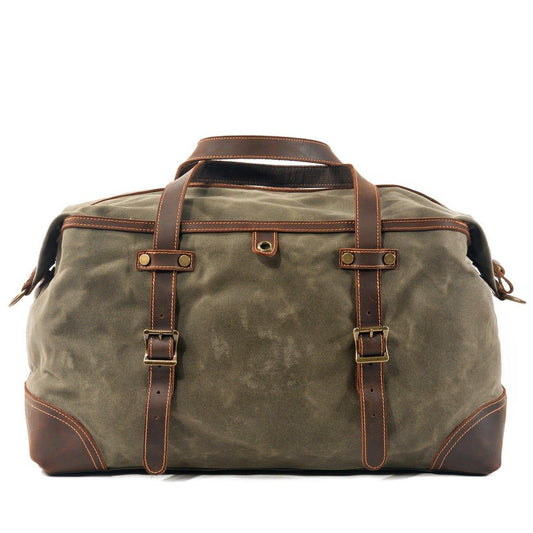
- Weekender duffle: The classic overnight bag, typically 40–50 liters. Designed for 2–3 day trips with enough space for clothing, toiletries, and a pair of shoes. This is the most popular style and a great first leather duffle.
- Cabin-size duffle: Specifically designed to meet airline carry-on dimensions. Compact but well-organized, with features like laptop sleeves and document pockets for business travelers.
- Barrel duffle: A cylindrical shape that maximizes interior space while maintaining a compact footprint. Great for gym use and short trips where you need to fit bulky items like shoes or a towel.
- Holdall: A traditional British style with a wider opening and often a more structured base. Holdalls tend to be roomier and are popular for longer weekend trips.
- Doctor's bag style: Features a wide-mouth opening that stays open on its own, inspired by vintage medical bags. Excellent for travelers who want easy access to everything inside without rummaging.
Best Uses for Genuine Leather Duffle Bags
Weekend Getaways
A leather duffle bag is the quintessential weekend trip companion. A 40–50 liter capacity holds 2–3 days of clothing, toiletries, and essentials without the bulk of a full suitcase. Whether you're escaping to the Amalfi Coast for a long weekend or driving to a cabin in the Rockies, a leather duffle adds a touch of intentionality to your travel. The supple leather handles conform to your grip over time, making the bag more comfortable with each use.
Business Travel
For short business trips, a leather duffle bag projects professionalism and taste. It pairs naturally with a leather briefcase or laptop bag, and many models include a laptop sleeve or document pocket. Arriving at a meeting in Tokyo or New York with a well-maintained leather duffle signals attention to detail — a subtle but powerful first impression that can set the tone for your entire trip.
Gym and Fitness
A leather gym bag elevates the daily routine. While heavier than synthetic options, a quality leather duffle used for gym runs will age beautifully and serve double duty for weekend trips. Look for models with ventilated shoe compartments or removable wet bags to handle post-workout gear. The premium look also transitions seamlessly from the gym to a coffee shop or casual meeting.
Road Trips
Leather duffle bags excel on road trips where weight restrictions don't apply. You can pack a larger leather duffle with everything you need for a week-long driving tour through the Scottish Highlands or along California's Pacific Coast Highway. The bag sits beautifully in a car trunk or on a back seat, and its soft sides allow it to conform to available space.
How to Choose the Right Leather Duffle Bag
Not all leather duffle bags are worth the investment. Here's what to evaluate:
- Leather grade: Insist on full-grain or top-grain. Check product descriptions carefully and don't hesitate to contact the seller if the grade isn't specified.
- Hardware: Solid brass or stainless steel zippers and buckles won't corrode or break. YKK zippers are a reliable standard. Avoid bags with painted or coated hardware that can chip and rust.
- Stitching: Look for double-stitched seams with heavy-duty thread. Stitch holes should be clean, not ragged. Loose threads or skipped stitches are red flags.
- Lining: A cotton or canvas lining protects your belongings and adds structure. Unlined bags feel flimsy and wear faster from the inside. The lining should be securely attached, not loose or bunching.
- Hardware attachments: Detachable shoulder straps, padded handles, and luggage pass-through sleeves add versatility. Check that D-rings and attachment points are riveted, not merely stitched.
- Size: 40L for weekend trips, 50–60L for 4–5 day journeys. Check carry-on dimensions if you plan to fly with it — most airlines allow 22 x 14 x 9 inches for carry-on.
- Brand reputation: Research the manufacturer's warranty and customer reviews. A lifetime or extended warranty is a strong signal of quality and confidence in the product.
- Base structure: A reinforced or slightly structured base helps the bag hold its shape when set down. Look for protective metal feet on the bottom to prevent scuffing when placed on floors.
For a curated selection of premium options, browse the Woosir genuine leather duffle bags collection, where each bag is crafted with full-grain leather and built for decades of travel.
Care and Maintenance: Making Your Bag Last Decades
The longevity of a leather duffle bag depends largely on how you care for it. Follow these guidelines:
- Condition regularly: Apply a quality leather conditioner every 3–6 months to keep the leather supple and prevent cracking. Use a small amount and work it in with a soft cloth using circular motions. Let it absorb for 15 minutes, then buff off excess.
- Avoid prolonged moisture: If your bag gets wet, pat it dry with a towel and let it air dry naturally at room temperature. Never use a hair dryer or radiator — heat damages leather fibers and causes cracking.
- Store properly: Stuff the bag with acid-free tissue paper or a clean towel to maintain its shape. Store in a dust bag in a cool, dry place away from direct sunlight. Never store leather in plastic — it needs to breathe.
- Clean spills immediately: Wipe any liquid off the leather surface right away. Oils and alcohol can permanently stain. For stubborn stains, use a dedicated leather cleaner rather than household products.
- Rotate usage: If you travel frequently, give your leather bag rest days between trips. Leather benefits from periods of rest to recover its natural oils and maintain its shape.
- Address scratches: Minor scratches often blend in over time as the leather's natural oils redistribute. For deeper marks, a leather repair balm in a matching color can help restore the surface.
- Protect hardware: Periodically check and tighten any screws on hardware attachments. Wipe metal hardware with a dry cloth to prevent tarnishing, especially in humid climates.
Price vs Value: Understanding the Investment
A genuine leather duffle bag typically costs $150–$600, with premium handmade models reaching $800 or more. That's a significant upfront investment compared to a $60 nylon bag. But the math changes when you factor in longevity:
Consider a $300 full-grain leather duffle that lasts 25 years. That's $12 per year. A $60 nylon bag replaced every 4 years costs $15 per year — and you've contributed four bags to a landfill. Over two decades, the leather bag is both cheaper and more sustainable.
Additionally, quality leather goods often retain resale value. A well-maintained full-grain leather duffle from a respected brand can fetch 40–60% of its original price on the secondhand market, something no nylon bag can claim. This means the effective cost of ownership is even lower than the sticker price suggests.
There's also the question of satisfaction. A beautiful leather duffle bag brings joy every time you pick it up. It makes travel feel more intentional, more curated, more special. That intangible value is hard to quantify but easy to feel — and for many travelers, it's the real reason they choose leather.
Ethical and Sustainable Leather Sourcing in 2026
In 2026, ethical sourcing is a major consideration for conscious consumers. Look for brands that use vegetable-tanned leather, which avoids the harsh chromium salts used in conventional tanning. Vegetable tanning is slower and more expensive, but it's significantly better for the environment and produces leather with a richer, more natural character.
Also consider the source of the hide. Many premium brands now use leather that's a byproduct of the food industry, ensuring no animal is raised solely for its skin. Some brands are even exploring lab-grown leather and plant-based leather alternatives that offer similar durability with a smaller footprint. While these technologies are still developing, they represent an exciting frontier for sustainable travel gear.
Transparency is key. Reputable brands will share information about their tanneries, sourcing practices, and environmental certifications. If a brand is vague about where its leather comes from, that's a reason to look elsewhere.
Frequently Asked Questions
Are genuine leather duffle bags allowed as carry-on luggage?
Yes, as long as the bag meets the airline's carry-on size restrictions. Most airlines allow bags up to 22 x 14 x 9 inches (56 x 36 x 23 cm). Many leather duffle bags are designed to meet these dimensions, but always check your specific airline's requirements before flying, especially on international carriers with stricter limits. Soft-sided leather duffles have an advantage here — they can be slightly compressed to fit into overhead bins or sizers.
How heavy is a genuine leather duffle bag?
Empty weight typically ranges from 3 to 6 pounds, depending on size and leather thickness. This is heavier than canvas or nylon alternatives, which usually weigh 1.5–3 pounds. If you're concerned about weight limits, choose a smaller leather duffle or look for models with thinner (but still full-grain) leather. Remember that the weight is a trade-off for decades of durability.
Can I take a leather duffle bag on a plane in rainy weather?
Yes, but you should treat the leather with a water-repellent spray before traveling and condition it regularly. If the bag gets soaked, pat it dry immediately and let it air dry at room temperature. Avoid prolonged exposure to heavy rain — leather is naturally water-resistant but not waterproof, and excessive moisture can cause staining or warping. A waterproof rain cover is a worthwhile accessory for travel in wet climates.
Is a genuine leather duffle bag worth it for infrequent travelers?
If you travel only once or twice a year, a canvas duffle may be more practical. However, if you value aesthetics, craftsmanship, and the idea of owning a single bag that lasts decades, a leather duffle is still a worthwhile investment. It also functions beautifully as a gym bag or overnight bag between trips, giving it year-round utility beyond just travel.
How do I break in a new leather duffle bag?
New leather can feel stiff, but it softens with use. Start by stuffing the bag with towels to gently stretch it and help it hold its shape. Use it for short trips first. Apply a light coat of leather conditioner to speed up the softening process. Within a few months of regular use, the leather will become more supple and develop the beginning of its unique patina.
Conclusion: Is a Genuine Leather Duffle Bag Worth the Investment?
For travelers who value longevity, craftsmanship, and timeless style, a genuine leather duffle bag is absolutely worth the investment in 2026. While the upfront cost is higher than synthetic alternatives, the total cost of ownership over decades — combined with the pleasure of owning an object that improves with age — makes it a financially and emotionally smart choice. Choose full-grain leather, invest in quality hardware and construction, care for it properly, and your duffle bag will outlast trends, airlines, and perhaps even your passport stamps.
The question isn't really whether you can afford a genuine leather duffle bag. It's whether you can afford to keep buying cheaper bags that don't last. In 2026, as more travelers embrace quality over disposability, the answer is clear: invest once, travel for decades. A genuine leather duffle bag isn't just luggage — it's a companion that grows more beautiful with every journey, bearing the marks and memories of a lifetime of adventure.