
Genuine Leather Duffle Bags: Worth the Investment in 2026?

Genuine leather duffle bags can be worth the investment when their construction, capacity, and ownership life match the way you travel. Leather adds structure and material character, but it can also add empty weight and care responsibilities. The right question is not whether leather is expensive; it is whether the bag will be used enough and built well enough to justify the cost.
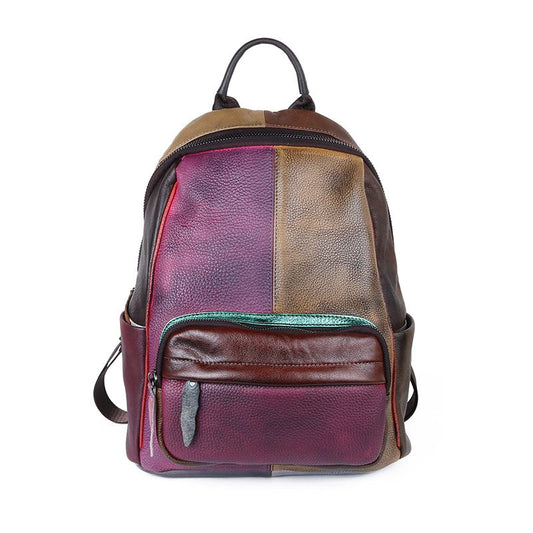
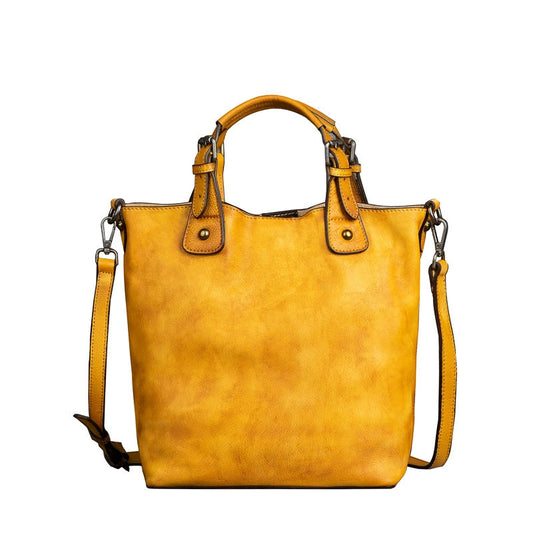
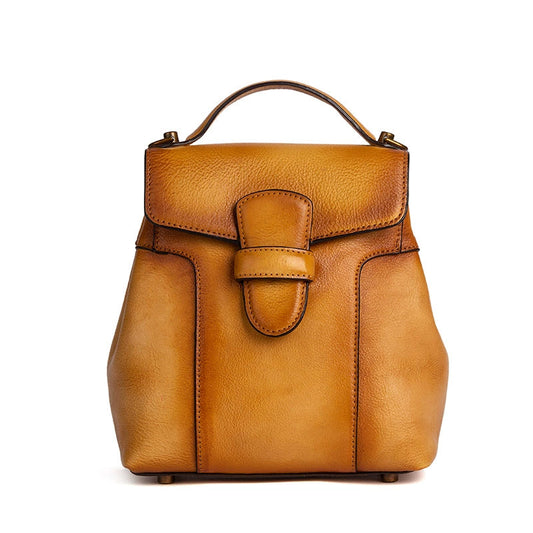
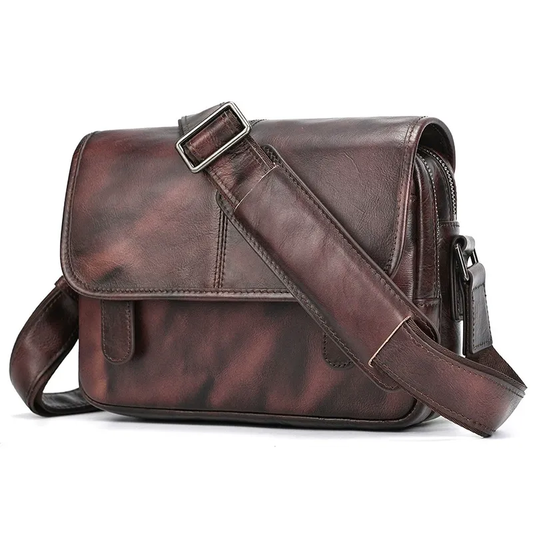
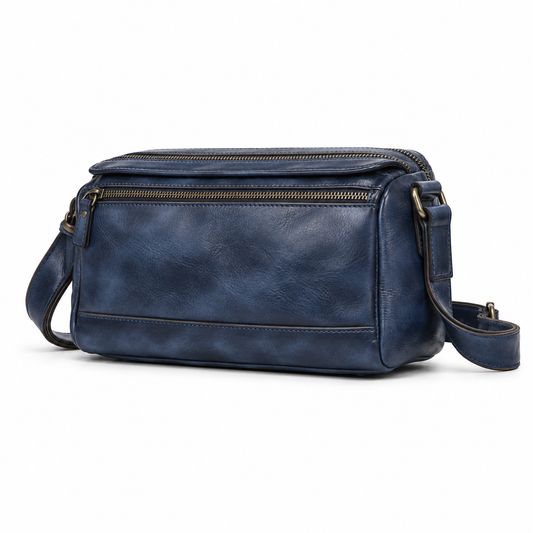
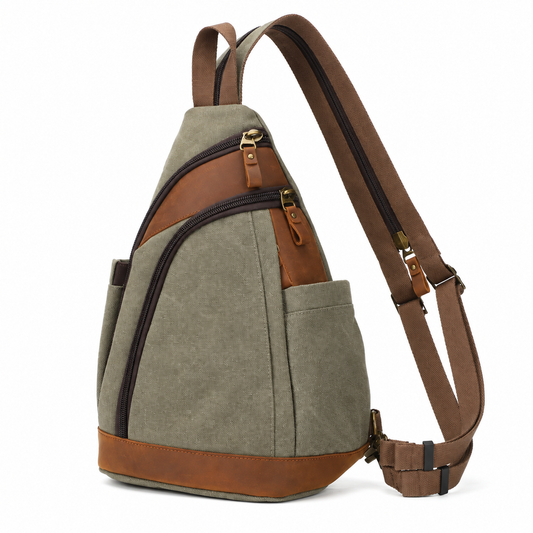
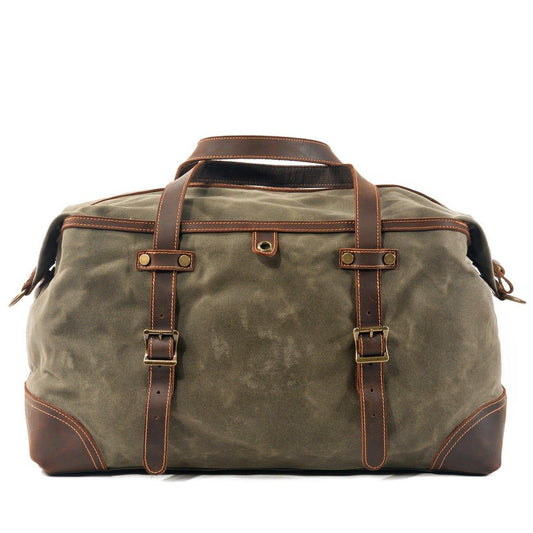
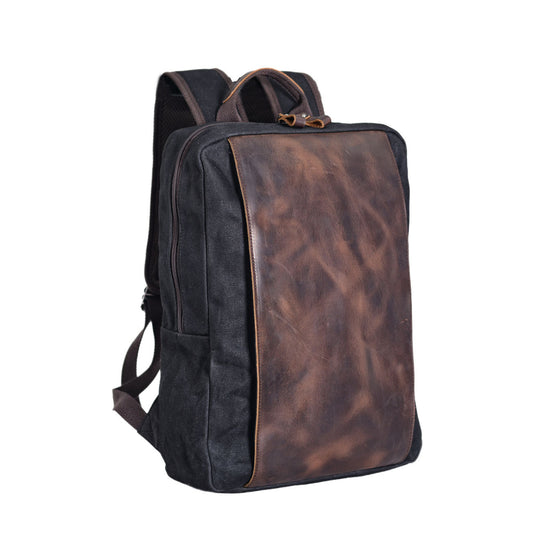
The three recommendations below use current Woosir product images and linked product titles. Confirm live dimensions, variants, current price, care guidance, and return information before ordering.
What creates value in a leather duffle
Look at leather description, panel thickness, stitching, handle anchors, shoulder strap, base, lining, closures, and the relationship between capacity and empty weight. A beautiful surface is not enough if the handles cannot support a full travel load. A simpler design may be better value when it is lighter and easier to carry.
Leather duffle recommendations
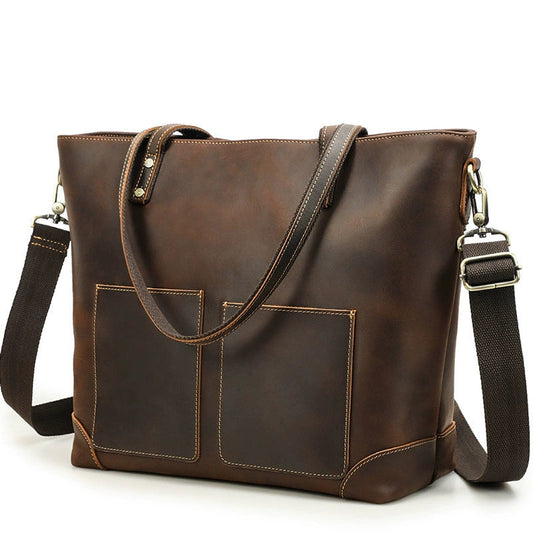
1. Best for a large vintage gym-and-travel load

A large vintage leather gym-and-travel bag can justify its weight when it replaces several smaller carriers. Check handles, shoulder strap, and base reinforcement before packing heavily.
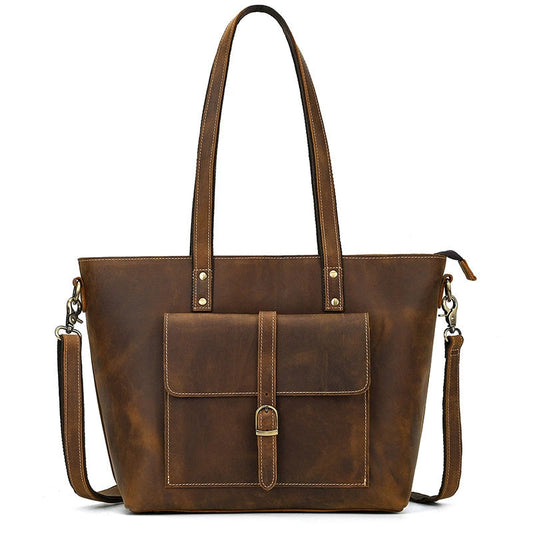
2. Best for a spacious leather travel profile

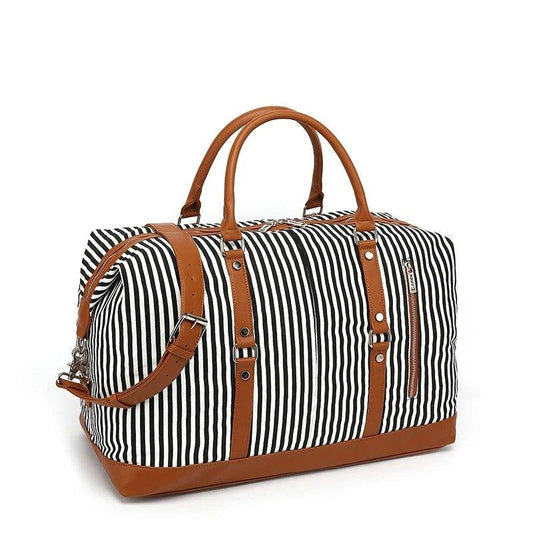
A large leather travel duffle suits longer weekends or travelers who carry extra clothing and shoes. Use pouches to keep the wide compartment organized.
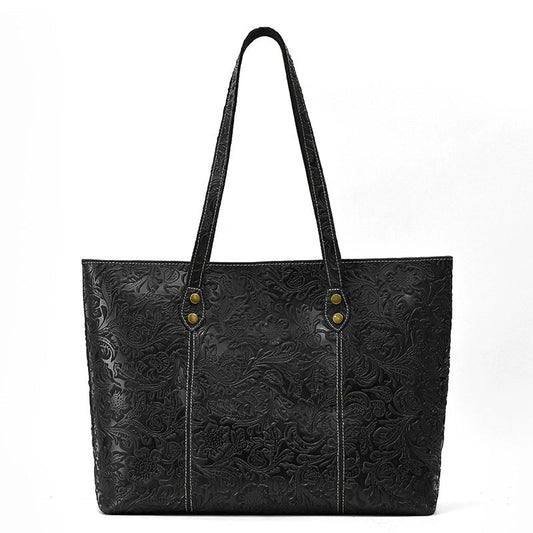
3. Best for full-grain leather character

A full-grain leather travel duffle appeals to buyers who value natural grain and gradual patina. Confirm care limits and the packed weight before a long transfer.
Calculate total ownership value
Estimate how often the duffle will be carried, how many trips it can replace, and whether it can be repaired or maintained. A bag used every month for several years may justify a higher initial cost. A rarely used oversized duffle may not. Value comes from repeated performance, not the price tag alone.

Care and weather limits
Leather should be protected from prolonged rain, wiped after spills, and dried away from heat. Keep a liner for electronics and documents, and inspect the base and handle anchors before a heavy trip. Condition sparingly after testing an unseen area.
Final decision
- Choose leather for structure, character, and long-term use.
- Compare empty and packed weight before buying a large format.
- Inspect construction where the travel load enters the bag.
- Confirm the care routine fits your willingness to maintain the material.
A genuine leather duffle is worth the investment when it becomes a dependable part of the travel routine. Match the construction and capacity to real use, then let the material's character support—not replace—the practical decision.
Separate price from long-term value
The investment case for a leather duffle starts with use frequency. Estimate the number of trips, gym sessions, or weekend transfers the bag will handle over the next few years. A durable bag that replaces several disposable carriers can offer practical value, while an oversized bag used twice may not justify its weight or storage needs.
Construction should be judged where forces concentrate. Look closely at handle attachments, strap anchors, zipper ends, bottom panels, and the stitching that joins separate pieces. These areas determine whether the bag can carry a full load repeatedly. Grain appearance is appealing, but it should not distract from the points that hold the travel weight.
Leather also changes the cost of ownership. It may need conditioning, careful drying, and protection from prolonged rain. Empty weight can affect luggage limits and shoulder comfort. Include those trade-offs in the decision, along with the ability to organize a wide interior using pouches or packing cubes.
If you choose leather for its character, allow the material to develop naturally instead of trying to keep it permanently new. Clean small marks early, protect the base, and avoid harsh products. A well-maintained duffle should become more personal with use while still keeping handles, hardware, lining, and seams dependable.
Ask whether the format suits your load
Leather is a long-term choice only when the bag's format suits the load. A large open duffle can be excellent for clothing and shoes, but it may need packing cubes to prevent small items from sinking. A smaller design may be easier to carry frequently, even if it gives up some capacity. Compare the actual packed weight and access pattern before deciding that larger means better.
Ownership value also includes the moments between trips. A bag that stores neatly, stands securely, and can be cleaned without special equipment is more likely to be used often. Keep it supported but not overstuffed, avoid damp closets, and inspect stress points before loading it. These habits protect the investment more effectively than occasional cosmetic polishing.
Use the live product pages to confirm current dimensions, materials, variants, and care guidance before treating a leather duffle as a long-term purchase. The best investment is a bag whose capacity and carry system fit repeated use. If the weight, storage space, or maintenance does not match your routine, a smaller or lighter option may deliver more practical value over time.
The ownership calculation should include maintenance, empty weight, and how often the duffle will replace other travel bags.
Related Woosir resources
Use these related collection and product pages to compare current materials, sizes, care details, and available variants before making a final decision.