
Exploring the History of Crazy Horse Leather

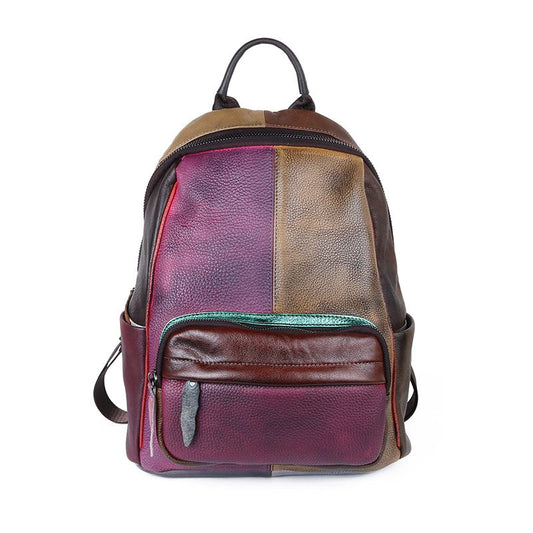
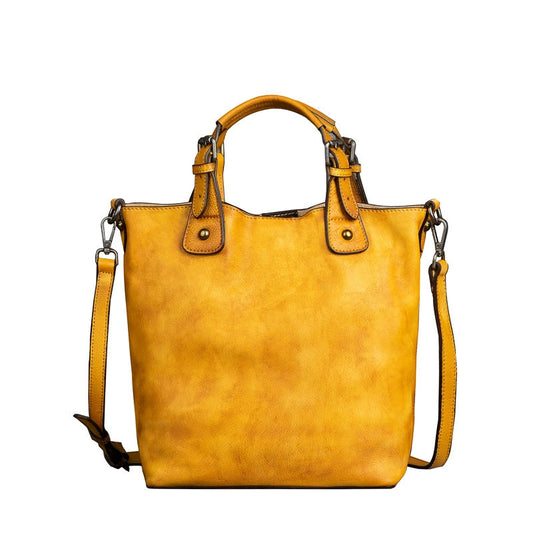
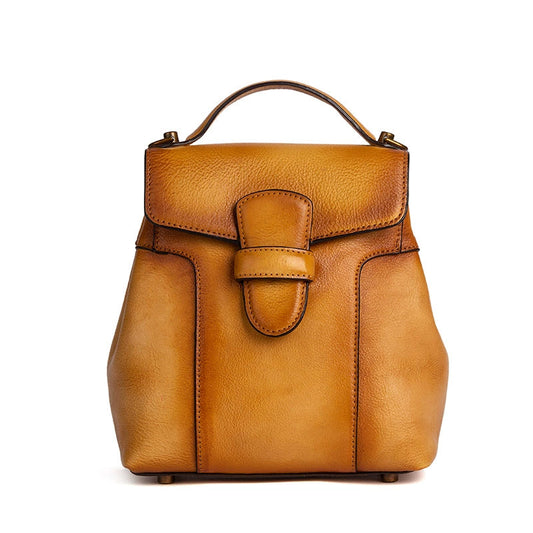
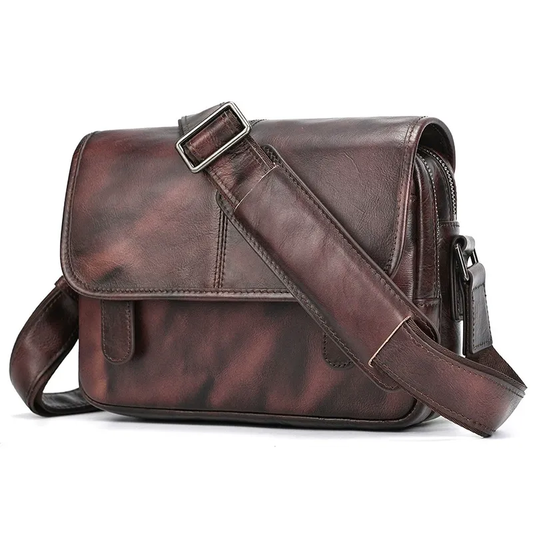
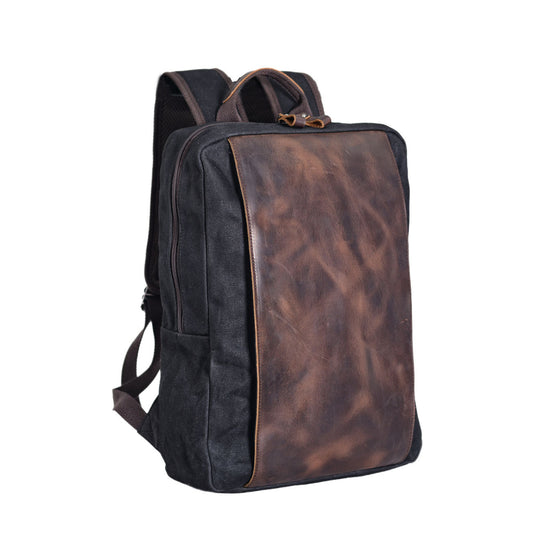
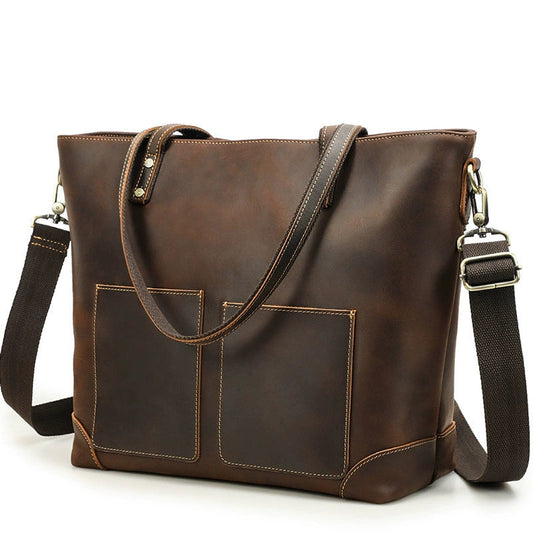
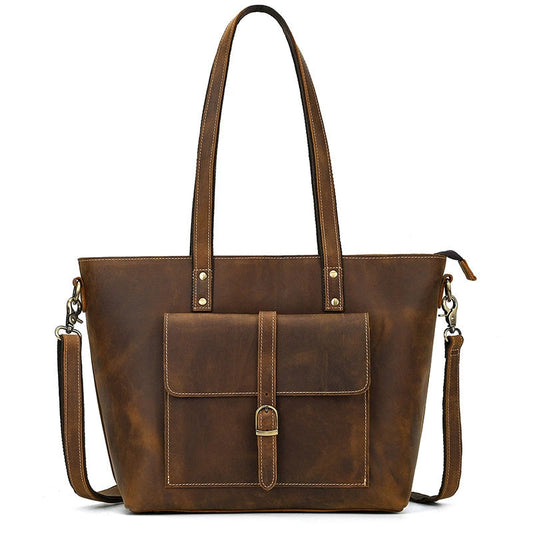
Crazy Horse leather is known for its rich color variation, soft pull-up effect, and ability to develop a personal patina. Despite the name, it is not made from horse leather. The term is commonly associated with a finishing style applied to full-grain or other quality cowhide, creating a surface that changes tone when rubbed or flexed.
Its history is best understood as the meeting point of traditional leather craft, working-bag construction, and modern demand for materials that look better with use. This guide follows that development and explains what the history means when you evaluate a contemporary bag.
Where the name comes from
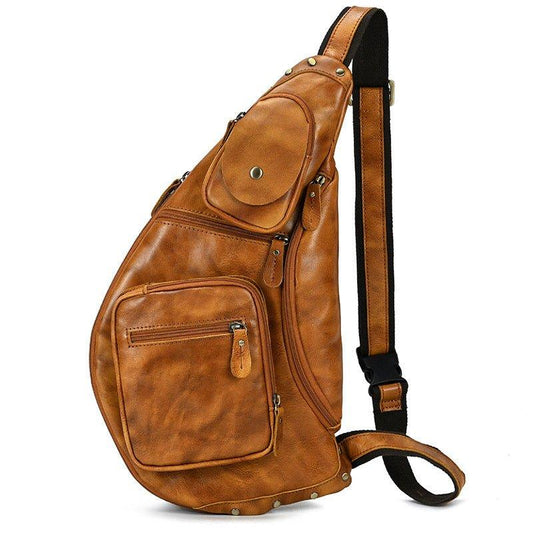
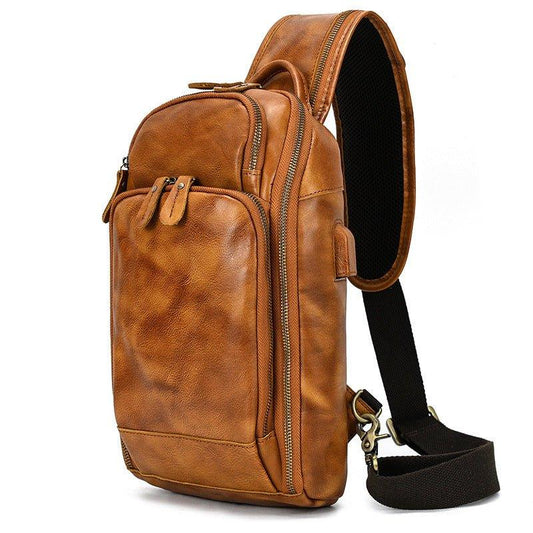
The name is linked to leather used for rugged equipment and to a finishing process that emphasizes flexibility and visible character. The surface may show lighter or darker areas when bent because the oils and finish move within the grain. That visual response became part of the material's appeal.

Traditional craft and working bags
Before the finish became a recognizable style label, durable leather bags were shaped around work: carrying tools, documents, clothing, or travel essentials. Craftspeople focused on cutting, edge treatment, stitching, and hardware that could survive repeated handling. Those same construction priorities remain relevant today.
A historical-looking surface is not proof of quality. The grain, panel thickness, seam reinforcement, lining, and hardware still determine whether the product performs. The history explains the aesthetic, while construction explains the lifespan.
Why patina became part of the appeal
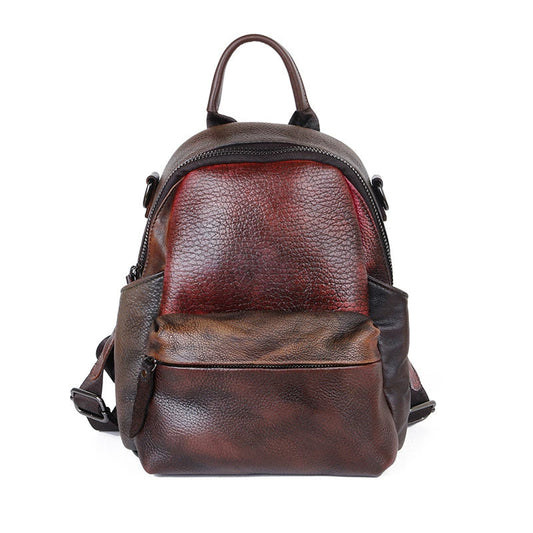
Many modern materials are designed to remain visually uniform. Crazy Horse leather offers a different experience: contact, bending, and careful conditioning can create marks and tonal changes that tell the story of use. For owners who prefer a personal object rather than a flawless surface, that aging pattern is a feature.

How modern production preserves the look
Contemporary makers combine established leatherworking methods with standardized cutting, hardware, and quality checks. The finishing process must balance a visible pull-up effect with enough protection for everyday handling. The result can vary by hide, color, and treatment, so two bags with the same style name may not age identically.
What the history helps you evaluate
- Look for construction quality rather than relying on the material name.
- Expect natural variation and gradual patina from regular use.
- Check care instructions before applying conditioner or polish.
- Compare handle anchors, seams, base panels, and lining for the intended load.
Crazy Horse leather has lasted as a style because it connects a practical working tradition with a surface that records use. Choose it when you value that evolving character, then judge the finished product by the same fundamentals that have always mattered in leather craft.
From working leather to modern carry goods
Leather bags historically developed around practical needs: carrying tools, documents, food, clothing, and travel equipment. A finish that could tolerate handling and show an appealing change over time suited that working context. Crazy Horse leather's modern popularity reflects the same desire for a material that feels useful rather than perfectly uniform.
As leather production became more standardized, the visual language of old saddlery, field bags, and work cases moved into fashion and everyday accessories. The pull-up effect became a recognizable design choice, while modern linings, laptop sleeves, and organized pockets adapted the material to contemporary routines.
Why the name can be confusing
The phrase sounds like a description of animal origin, but it generally refers to a cowhide finish and the material's historical association with durable equipment. Product descriptions may vary, so buyers should read the actual leather specification instead of treating the name as a complete technical definition.

Patina as a record of use
The material's changing surface is part of its story. Areas handled often may become lighter, darker, or smoother, while corners can show the route a bag has taken. That does not mean every scratch is desirable; it means the owner may value a surface that evolves instead of remaining visually identical.
Care practices influence that evolution. Gentle cleaning and limited conditioning can preserve flexibility without covering the grain. Excessive polish, heat, or aggressive rubbing may remove the variation that makes the finish distinctive.
The historical lesson for modern buyers
- Judge the bag by load-bearing construction as well as surface appearance.
- Expect natural variation across panels and products.
- Use care instructions that match the specific finish.
- Choose a shape connected to the way you actually carry and work.
- Treat patina as gradual material change, not a guarantee of unlimited durability.
Crazy Horse leather remains relevant because it links a practical craft tradition with a visible, personal aging process. Understanding that history helps you appreciate the material without confusing its aesthetic story with a promise that every product is made the same way.
This context also explains why two Crazy Horse bags can look different while both being credible examples of the style. Hide selection, finishing, panel design, and use all influence the final surface. Compare construction and care guidance instead of expecting a single standardized appearance.
That combination of history and use is what makes the material recognizable.
A material history is useful when it changes how you buy and care for the product. It encourages attention to construction, realistic load, and maintenance instead of treating a finish as a temporary trend.
Related Woosir resources
Use these related collection and product pages to compare current materials, capacities, and available variants before making a final decision.