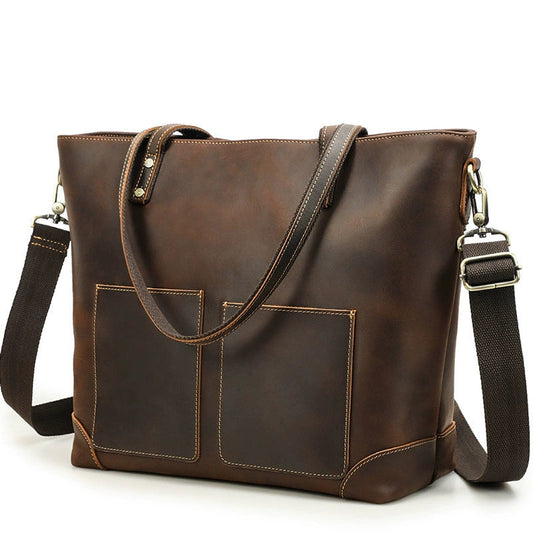
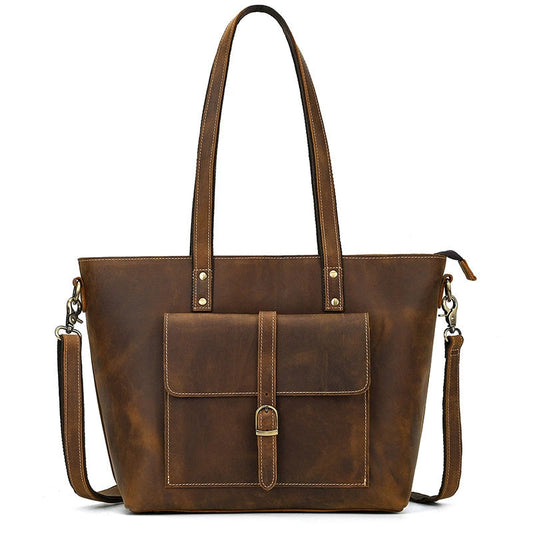
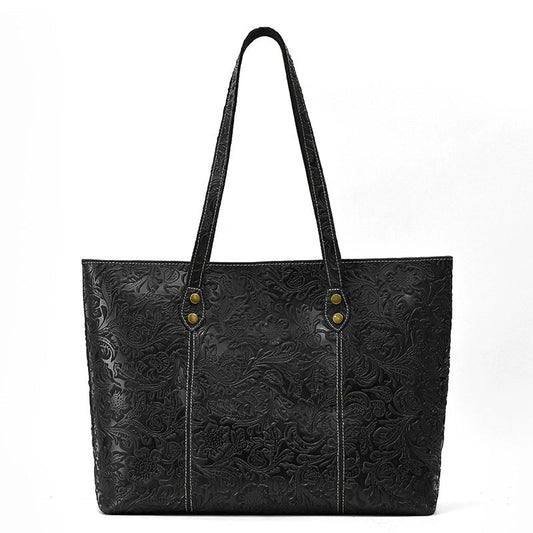
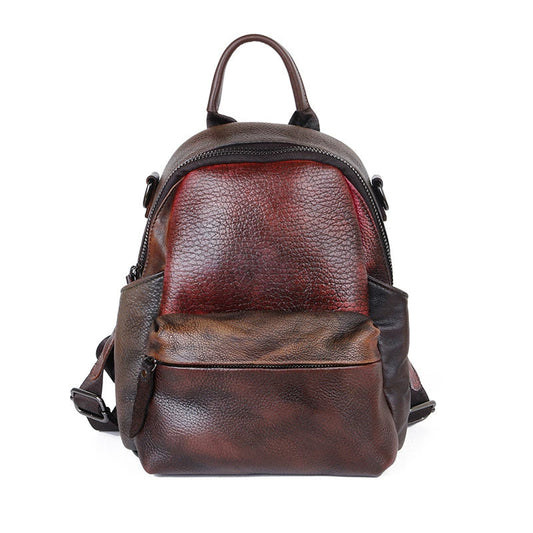

Discover the Many Uses of Multipurpose Canvas Tote Bags

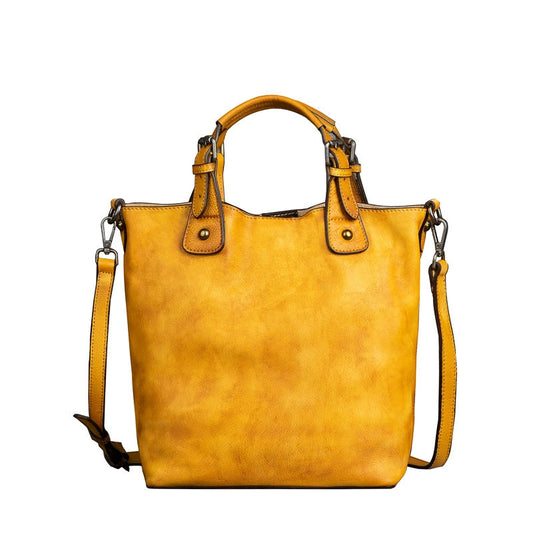
A multipurpose canvas tote can move between shopping, work, travel, study, and everyday errands because its shape is open and easy to load. That flexibility is useful only when the bag has enough structure for the job and the owner understands where an open tote needs extra organization or security.
This guide shows how to use a canvas tote across common routines, how to pack it without creating one heavy side, and when a backpack or closed bag is a better choice.
Shopping and market use
For groceries and market shopping, a tote's wide opening makes it quick to load and unload. Place dense items at the center and keep bottles upright in a separate pouch. If the route includes public transport, use a closure or inner bag for valuables because an open top is convenient but not especially private.

Work and study carry
A tote can carry a laptop sleeve, notebook, charger, lunch, and a light layer. Use a protective sleeve rather than allowing a computer to rest directly against the base. A key clip or zip pocket prevents small essentials from disappearing under books, while a reinforced base helps the bag sit on the floor without collapsing.

Travel overflow and transit
A tote works well as a secondary travel bag for items needed during a train or airport transfer. Keep documents, headphones, snacks, and a jacket near the top, then fold the tote when the main luggage is unpacked. A washable pouch protects small liquids and keeps the open interior from becoming difficult to search.

Outdoor and family errands
For a short outdoor outing, a tote can carry a picnic layer, towel, book, and water bottle. It is less suitable for long walking routes when the load is heavy because one-sided carry can tire the shoulder. If a child or family member may need quick access, divide snacks and small items into separate pouches.
How to pack a tote comfortably
- Keep the heaviest object close to the center and low in the bag.
- Use a sleeve or insert for electronics and documents.
- Reserve a small pocket or pouch for keys, cards, and phone.
- Leave room at the top so the handles are not strained.
- Choose a closure or inner organizer when the route is crowded or wet.
When another bag is better
Choose a backpack for long walks, heavy device loads, or balanced two-shoulder carry. Choose a closed crossbody when security and quick access matter most. Choose a structured work bag when papers must remain flat. A tote is most useful when its openness solves a real problem rather than when it is asked to replace every other bag.
The best multipurpose tote has a clear role in several routines, remains light enough to carry often, and is organized with simple inserts rather than overloaded with unnecessary weight.
A tote for changing daily roles
The most useful multipurpose tote is not necessarily the largest. A moderate size can move from a morning commute to a grocery stop without becoming too heavy or awkward. Choose a base that can support the normal load, handles that suit the distance you carry it, and a closure or inner pouch if the route includes valuables.
For work, keep electronics in a sleeve and use a smaller pouch for cables, pens, and identification. For shopping, remove the sleeve and allow the main compartment to accept flexible items. For travel, move the frequently used items to the top so the tote remains easy to search during a transfer.
Avoiding overload and one-sided strain
Canvas can feel sturdy enough to carry almost anything, but one-sided weight still affects the shoulder and posture. Check the weight of books, bottles, groceries, and electronics together. If the tote becomes uncomfortable before the handles or fabric show visible stress, a backpack or rolling bag may be the more suitable tool.
Use vertical organization only where it helps. An insert can protect a laptop and create structure, while several small pouches can make a tote heavier and reduce its open flexibility. Keep the system simple enough that you will use it after the first week.
Weather and security limits
- Use a waterproof pouch for electronics, documents, and cosmetics.
- Keep a closed wallet or inner pouch for crowded routes.
- Do not assume canvas is waterproof because it feels thick.
- Dry the tote fully before folding or storing it.
- Inspect handles and seams when the tote regularly carries heavy items.
A canvas tote earns its place when it reduces friction in several real routines. Define those routines, pack around the most demanding one, and use an insert or pouch only where it solves a clear problem. That approach preserves the tote's simplicity while making it more reliable.
A tote's versatility should make life simpler, not create a new maintenance burden. Assign it a few repeatable jobs, keep the contents separated with one practical insert, and clean or dry it before storage. That is enough to make a basic canvas shape perform reliably across many days.
The same packing logic works for a tote used at home, at work, or during a short trip.
Related Woosir resources
Use these related collection and product pages to compare current materials, capacities, and available variants before making a final decision.