

Destination London: Your Complete Travel Guide to the British Capital in 2026

London is a city of layers — Roman foundations beneath medieval streets, Victorian grandeur alongside glass skyscrapers, centuries-old pubs next to Michelin-starred restaurants. This London travel guide for 2026 cuts through the noise to deliver practical, actionable advice: which landmarks truly earn their fame, where to eat without tourist pricing, how to navigate the city efficiently, and what to pack for London's famously unpredictable weather.
Whether you're a first-time visitor with three days or a returning traveler seeking London beyond Zone 1, this guide has you covered.
When to Visit London
London is a year-round city, but seasonal differences affect your experience significantly. This London travel guide recommends:
Spring (March–May): Parks burst into bloom, temperatures climb to 12–18°C, and the city shakes off winter. May is glorious — long daylight hours and the Chelsea Flower Show. Easter weekends are busy; book ahead.
Summer (June–August): Peak tourism season. Temperatures average 20–25°C (occasionally hitting 30°C+). Wimbledon, the Proms at Royal Albert Hall, and outdoor cinema in parks are highlights. Accommodation prices peak, and major attractions require advance booking.
Autumn (September–November): An excellent time to visit. September often delivers summer-like weather with fewer crowds. October brings golden leaves to Hyde Park and Richmond. November sees the start of Christmas preparations — Winter Wonderland in Hyde Park opens mid-month.
Winter (December–February): Christmas lights, ice skating at Somerset House, and January sales draw visitors. Temperatures hover around 2–8°C. January and February offer the lowest accommodation prices and shortest queues — if you can handle the damp cold.
London's Must-See Landmarks
The Tower of London
Nearly 1,000 years of history within one fortress. The Crown Jewels, the White Tower (built by William the Conqueror in 1078), and the famous Beefeater tours (included in admission) make this London's most compelling paid attraction. Book the first time slot of the day and go directly to the Crown Jewels to beat the queues. Budget 2–3 hours. Admission: £34.80 (book online for best prices).
The British Museum
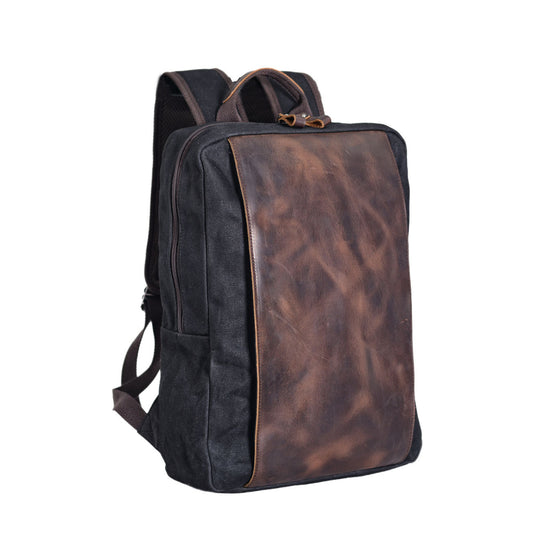
One of the world's greatest museums — and it's completely free. The Rosetta Stone, the Elgin Marbles, Egyptian mummies, and the Sutton Hoo treasure are highlights. The Great Court, with its spectacular glass roof, is worth visiting even if you have only 30 minutes. The museum is enormous; pick 2–3 galleries to explore in depth rather than rushing through everything. A lightweight waxed canvas backpack is perfect for a full day of museum-hopping.
Westminster and Big Ben
The Houses of Parliament and Elizabeth Tower (Big Ben is actually the bell, not the clock tower) define London's skyline. Westminster Abbey — coronation church since 1066 — is worth the £29 entry fee. Walk across Westminster Bridge for the classic photo, then continue along the South Bank toward the London Eye and Tate Modern.
Buckingham Palace
The State Rooms are open to visitors from July to October each year (approximately £32). Even if you visit outside those months, the Changing of the Guard ceremony (daily at 10:45 AM in summer, alternate days in winter) is a quintessential London experience — arrive 30–45 minutes early for a good viewing spot.
London's Best Neighborhoods

| Neighborhood | Character | Highlights |
|---|---|---|
| Covent Garden | Bustling, theatrical | Street performers, boutique shops, Royal Opera House |
| Shoreditch | Creative, edgy | Street art, vintage markets, craft coffee, Brick Lane curry |
| Notting Hill | Colorful, charming | Portobello Road Market (Saturdays), pastel houses, independent bookshops |
| South Bank | Cultural, riverside | Tate Modern, Shakespeare's Globe, Borough Market (foodie heaven) |
| Hampstead | Village-like, leafy | Hampstead Heath views, historic pubs, literary connections |
Eating and Drinking in London
London's food scene has transformed over the past two decades. It's now one of the world's most exciting culinary cities, from street food markets to Michelin-starred restaurants.
Must-try food experiences:
- Borough Market: London's oldest food market (open Wednesday–Saturday). Come hungry — the raclette, paella, donuts, and fresh oysters are legendary
- Sunday Roast: A proper pub Sunday roast with Yorkshire pudding, roast potatoes, and gravy is a British institution. Book ahead for popular gastropubs
- Afternoon Tea: From the Ritz (£75+) to more affordable options like the Wallace Collection (£35), afternoon tea is a London ritual worth experiencing at least once
- Curry on Brick Lane: "Banglatown" offers dozens of Bangladeshi and Indian restaurants. The weekend Brick Lane market adds street food to the mix
- Fish and Chips: Poppie's in Spitalfields or The Golden Hind in Marylebone are reliable choices. Avoid tourist-trap chippies near major attractions
Getting Around London
The London Underground ("the Tube") is the fastest way to cover longer distances. Use contactless payment (credit/debit card or phone) — it's cheaper and more convenient than paper tickets, with daily fare capping. The Tube map is famously clear; download the Citymapper app for real-time routing that often outperforms Google Maps for London.
London buses are excellent for sightseeing — route 15 runs from Tower Hill to Trafalgar Square past St. Paul's and Fleet Street. A single bus fare is £1.75 with contactless. The iconic red double-decker is public transport, not a tourist attraction — grab a front seat on the upper deck for the best views.
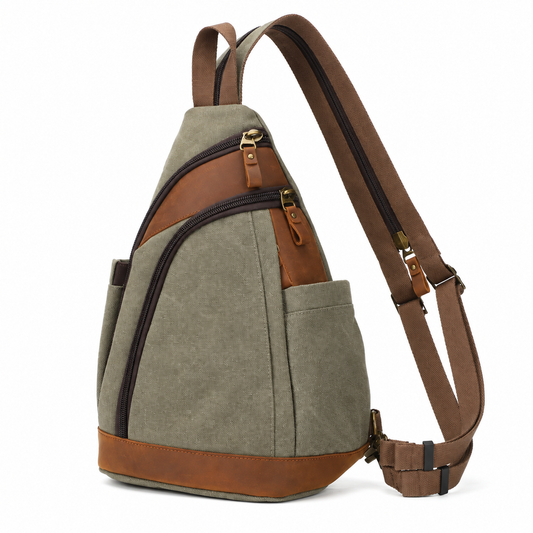
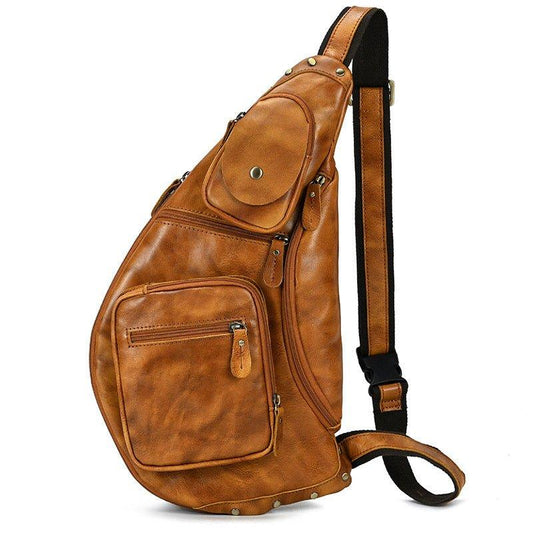
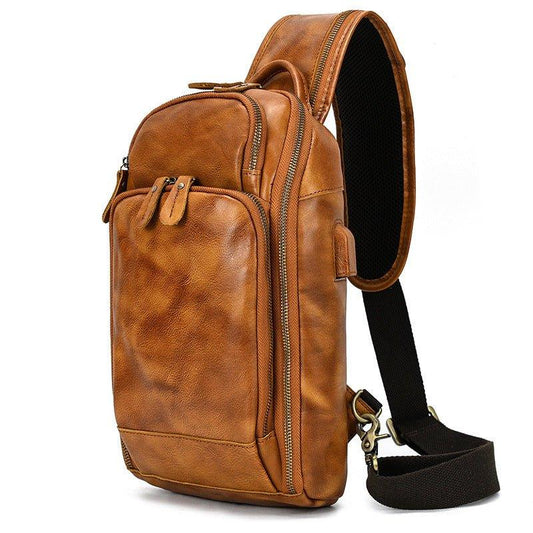
A compact sling bag keeps your Oyster card, phone, and guidebook accessible as you navigate the city.
Frequently Asked Questions
How many days do I need in London?
Four full days is ideal for first-time visitors — enough for the major landmarks plus neighborhood exploration. Three days covers the absolute essentials. A week allows day trips to Windsor, Oxford, Bath, or Stonehenge. London is enormous; even a month wouldn't be enough to exhaust it.
Is London expensive?
Yes — London is one of the world's most expensive cities. Budget travelers should expect 80–120 GBP/day (hostel, street food, free museums, walking). Mid-range: 180–300 GBP/day. That said, London offers more world-class free attractions than almost any city: the British Museum, National Gallery, Tate Modern, Natural History Museum, and Victoria & Albert Museum are all free.
What's the weather really like?
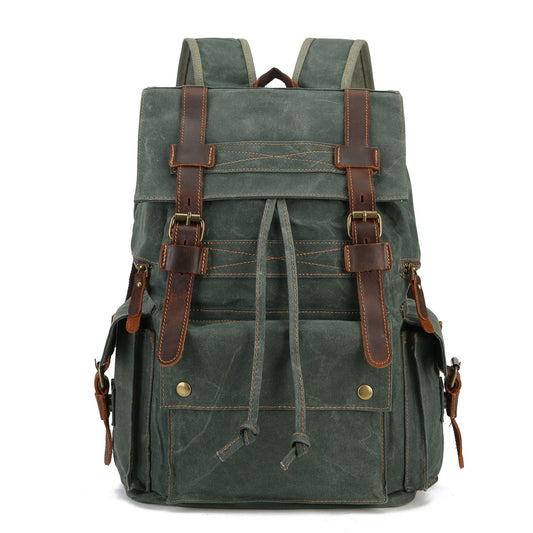
London's weather is famously unpredictable. The key is layers and a waterproof layer. It rarely rains all day — more often, it's intermittent drizzle. An umbrella is useful but often useless in wind. A waxed canvas bag handles London drizzle beautifully — the water beads right off.
Is the London Pass worth it?
It depends on your itinerary. If you plan to visit 3+ paid attractions per day (Tower of London, Westminster Abbey, St. Paul's, etc.), the London Pass can save money and includes fast-track entry at some sites. Do the math based on your specific plans — the official websites list individual prices.
Conclusion: London Delivers
This London travel guide provides the structure, but London itself provides the experience. The city's genius is its ability to feel simultaneously ancient and cutting-edge, grand and intimate, familiar from a thousand films yet constantly surprising. Pack a waterproof layer, wear comfortable shoes, and prepare to fall for one of the world's truly great cities.