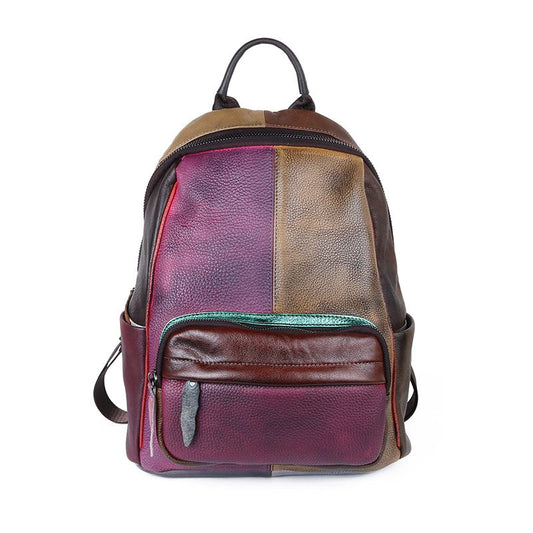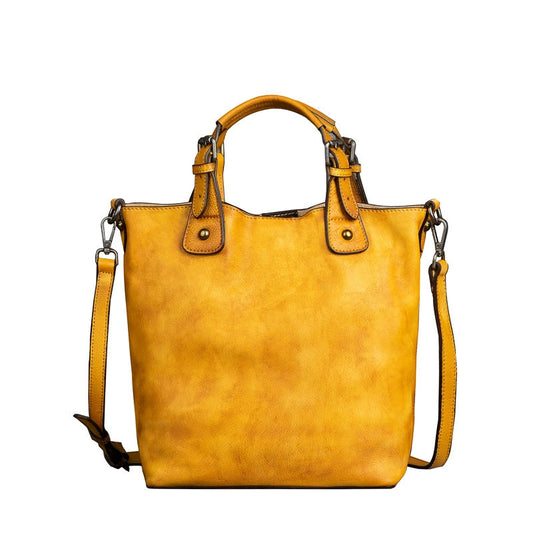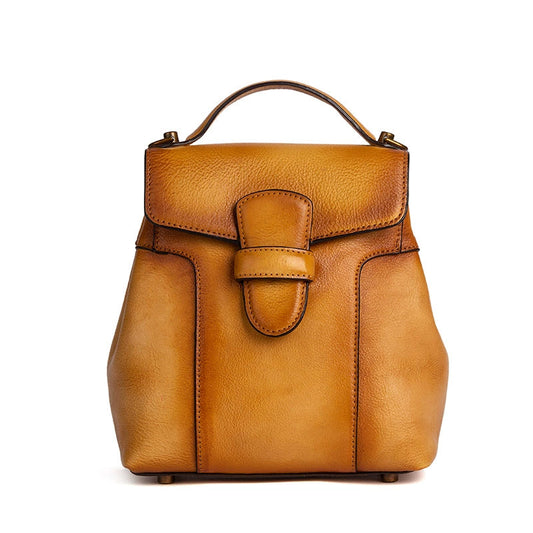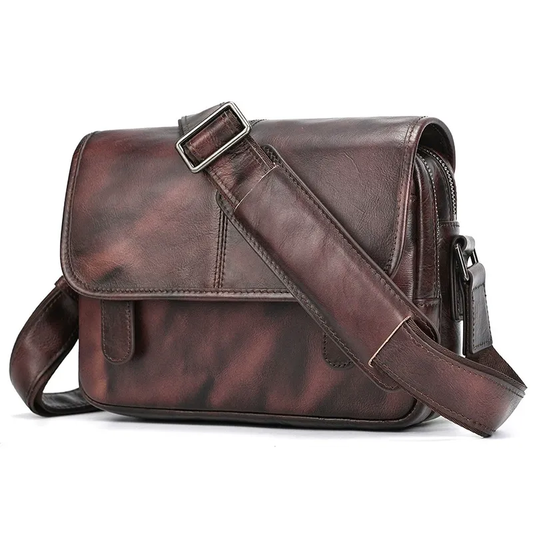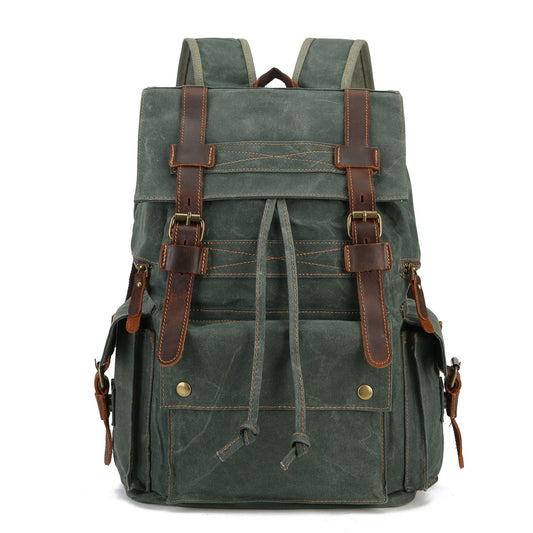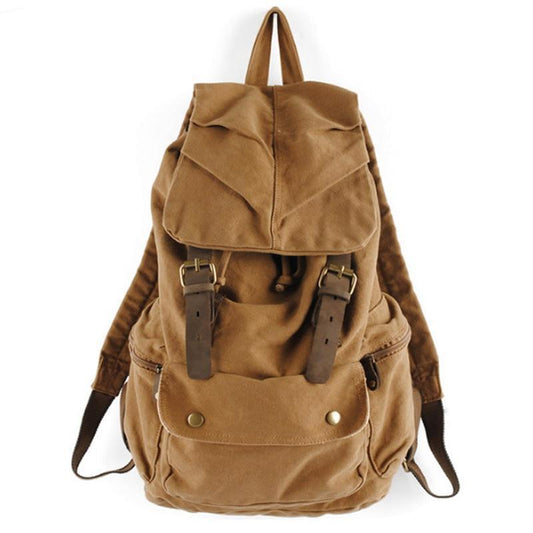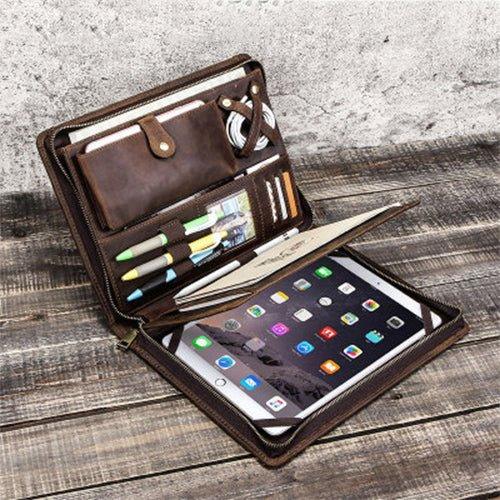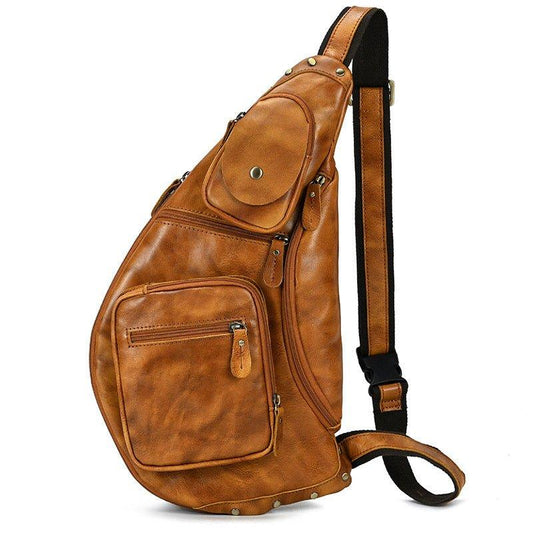

Demystifying Leather Types for Men's Laptop Bags

Choosing a leather laptop bag is easier when you understand what the material name actually tells you. Full-grain, top-grain, corrected, vegetable-tanned, and pull-up or Crazy Horse finishes can look similar in a small product photograph, yet they differ in surface, aging, care, and price. The best choice depends on the way you carry technology and how much material character you want over time.
This guide explains the main leather types used for men's laptop bags and connects each type to practical concerns such as structure, weight, weather, scratches, and maintenance. Confirm current construction and device dimensions on the live Woosir collection pages before ordering.
Full-grain leather for natural character
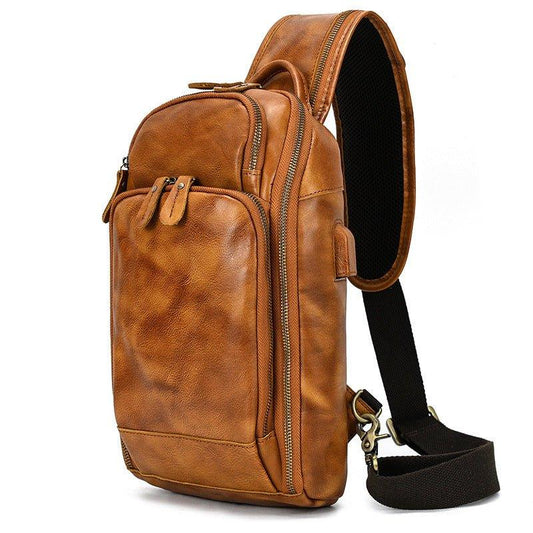
Full-grain leather retains the outer grain of the hide and may show natural variation. It can develop a visible patina and often feels substantial, but quality still depends on thickness, finishing, stitching, and the product design. A full-grain label does not automatically tell you how well a laptop compartment is padded or how the handles are reinforced.

Top-grain and corrected finishes
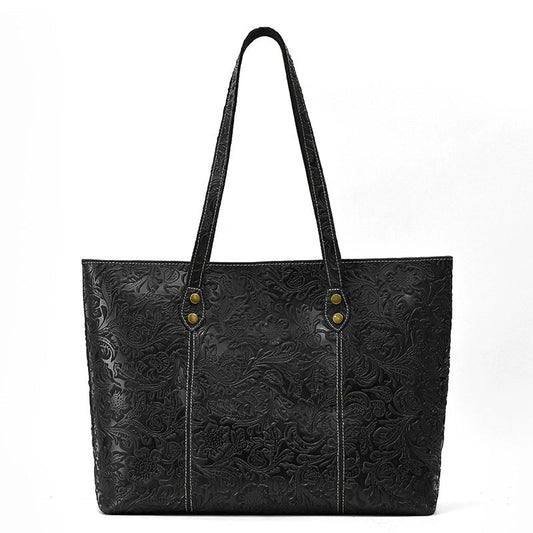
Top-grain leather has been finished or lightly corrected to create a more consistent surface. It may be easier to keep visually uniform and can suit a formal office bag. Corrected or heavily coated leather can also be practical, but ask how the surface should be cleaned because a coating may react differently to conditioners, heat, or abrasion.
Pull-up and Crazy Horse leather
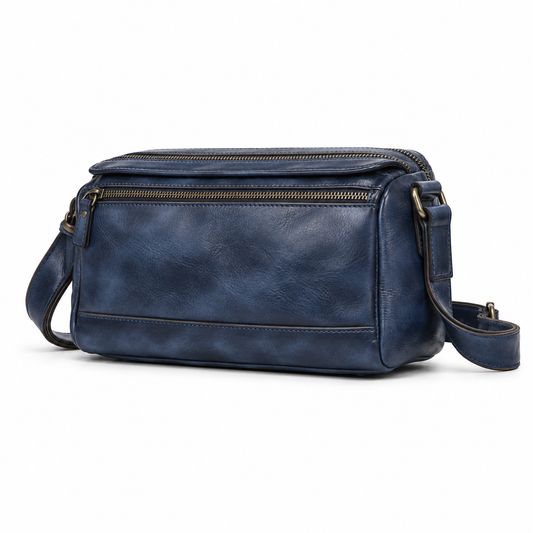
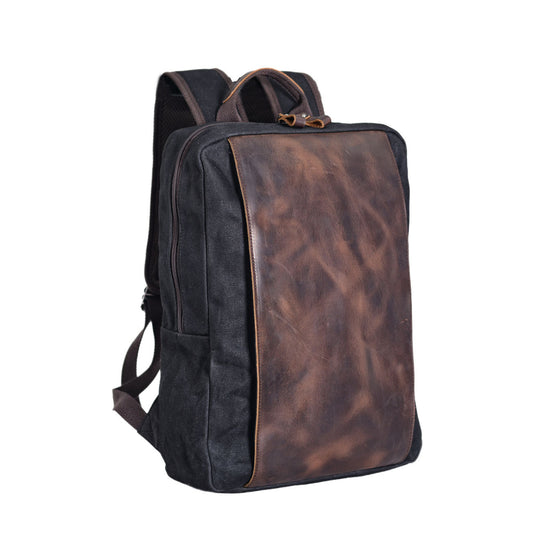
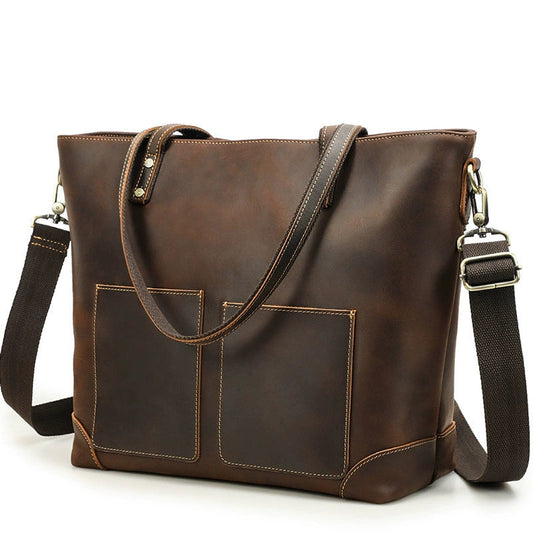
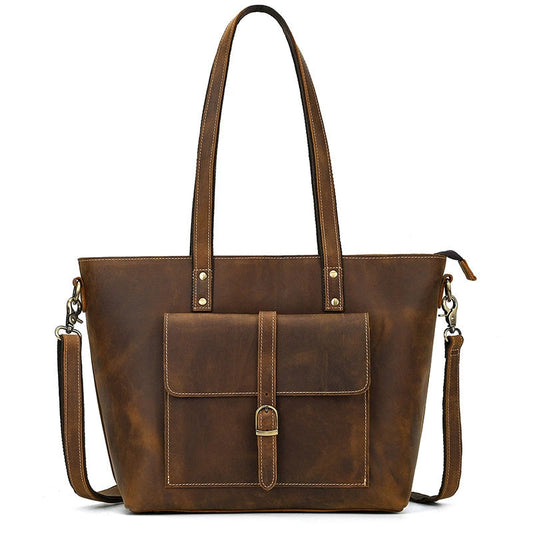
Pull-up finishes use oils or waxes that can change tone when the leather is bent or rubbed. The effect gives a laptop bag a relaxed, vintage appearance and makes handling marks part of the story. It also means the surface may need more thoughtful care and should not be judged by the expectation of perfect uniformity.

Vegetable-tanned leather and patina
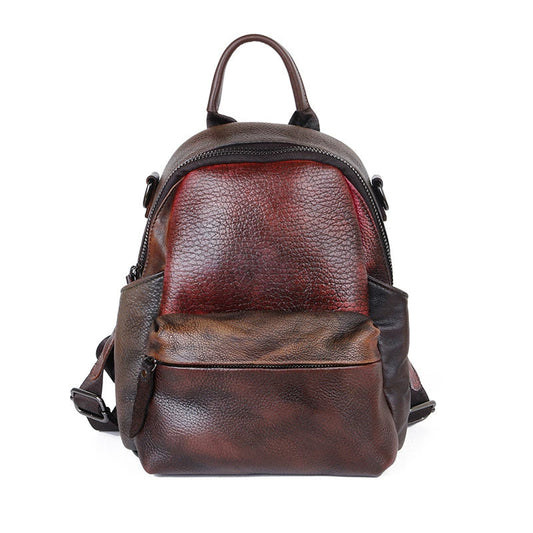
Vegetable-tanned leather is processed with plant-based tannins and may darken with light, handling, and oils from the hands. Its changing color can be attractive, but it is not a guarantee of weather resistance. Protect a laptop with a sleeve and keep the bag away from prolonged rain regardless of tanning method.
Match the finish to your laptop routine
A commuter who wants a polished meeting-room profile may prefer a structured, more consistent finish. A traveler or creative professional may prefer pull-up leather that develops character. If the bag will be carried outdoors, give more weight to closure, lining, base protection, and weather planning than to the finish name alone.
What to check before buying
- Read the specific leather description rather than relying on a broad premium claim.
- Confirm laptop dimensions, padding, and sleeve placement.
- Inspect handle anchors, shoulder strap hardware, seams, and base reinforcement.
- Check care instructions and weather limitations.
- Compare empty weight because leather can add substantial load before packing.
Leather type is one useful part of the buying decision, not the entire decision. Choose the surface that fits your desired aging and care routine, then verify that the bag protects the device and carries the rest of the workday comfortably.
When comparing leather names, separate the material question from the bag-design question. The best hide will not make a poorly sized sleeve comfortable, and a well-designed compartment cannot turn a fragile finish into rugged outdoor equipment. Evaluate both layers before deciding.
Leather type and laptop protection are separate decisions
A material comparison should not stop at the outside panel. Open the bag and inspect the sleeve, base, lining, and the way the computer sits when the main compartment is partly full. A strong leather surface with a thin or loose device sleeve may offer less practical protection than a simpler finish paired with better padding and structure.
Weight is another important difference. Thick leather can create a satisfying hand feel, but the empty bag already contributes to the daily load. If the route includes stairs or a long walk, compare the total packed weight and look for a shoulder strap that keeps the case close without twisting.
How finishes change over time
Smooth or coated leather may retain a more consistent appearance, while full-grain and pull-up finishes can show handling and patina. That difference is not a quality ranking. It is a maintenance and style preference. Decide whether you want a bag that records use visibly or one that remains more uniform between cleanings.
For a professional laptop bag, also consider the environment. A formal office may reward a structured, understated finish; frequent travel may favor a material and closure that tolerate more contact. In either case, protect the laptop with a sleeve or liner when rain or crowded storage is likely.
- Separate the leather type from the device-protection assessment.
- Compare empty weight and packed weight together.
- Ask how the finish should be conditioned and dried.
- Inspect construction at handles, corners, base, and strap anchors.
- Choose the aging pattern that fits how you want to own the bag.
For a laptop bag used every day, the finish should support the way you want to age the product. The right leather is the one whose care, weight, and surface behavior fit your routine.
A final material check is to compare how the bag behaves at the points you touch most: the handle, zipper pull, flap, and laptop sleeve opening. These areas reveal whether the finish and construction work together for daily use. Choose the leather type with the protection and carry comfort that your routine requires, not simply the surface that looks most expensive in a photograph.
Related Woosir resources
Use these related collection and product pages to compare current materials, sizes, care details, and available variants before making a final decision.