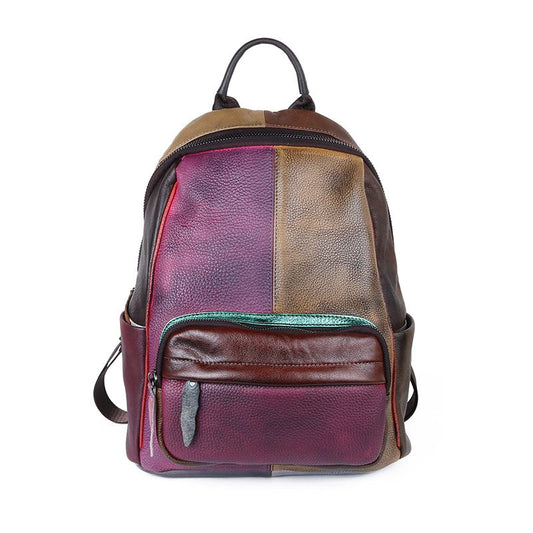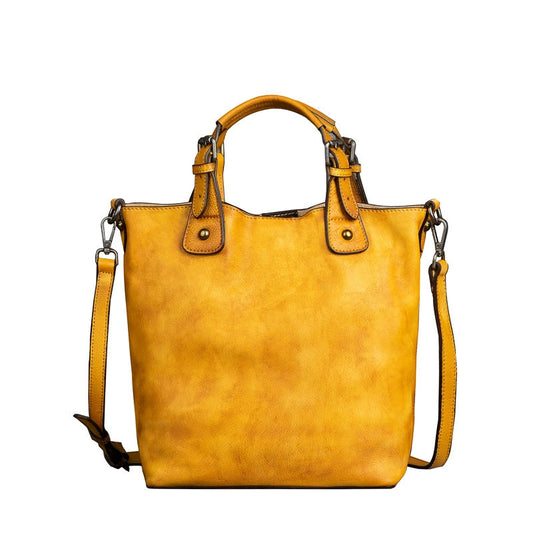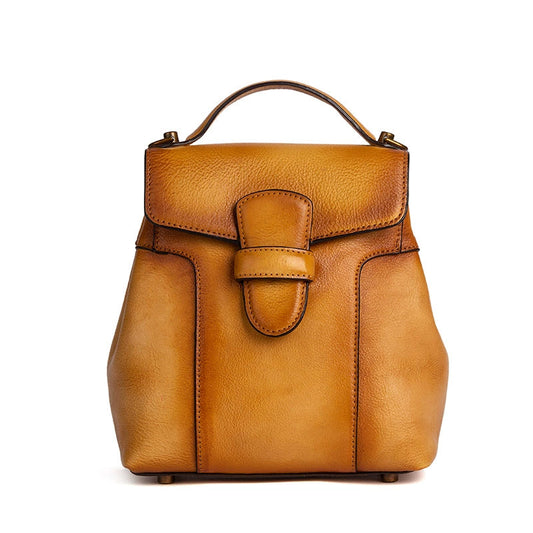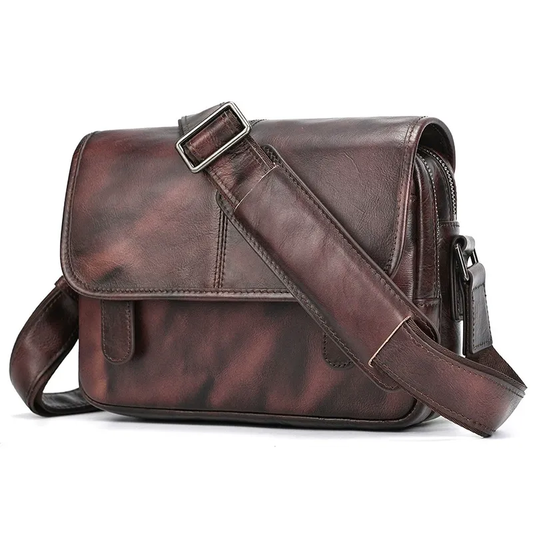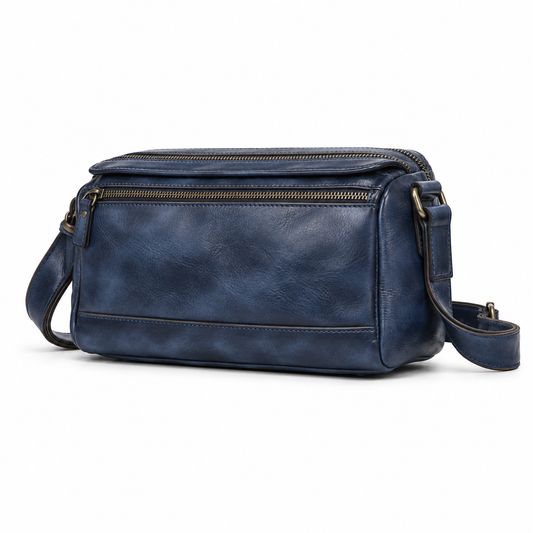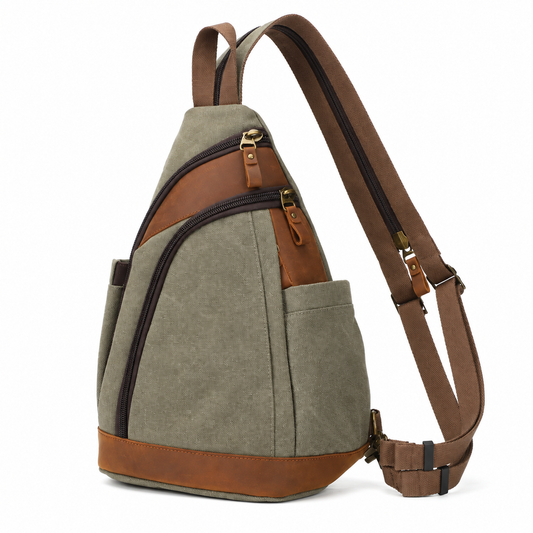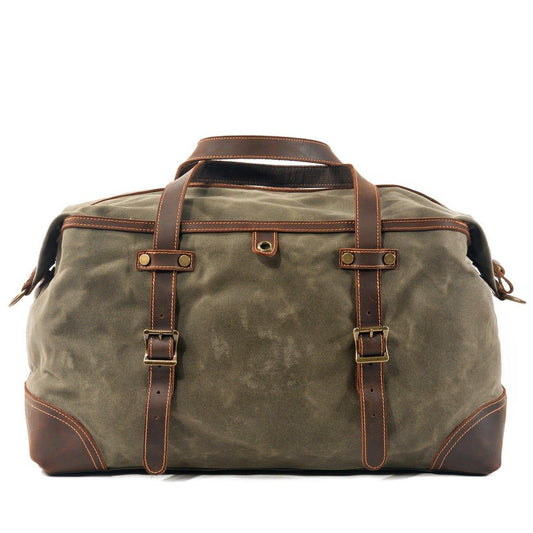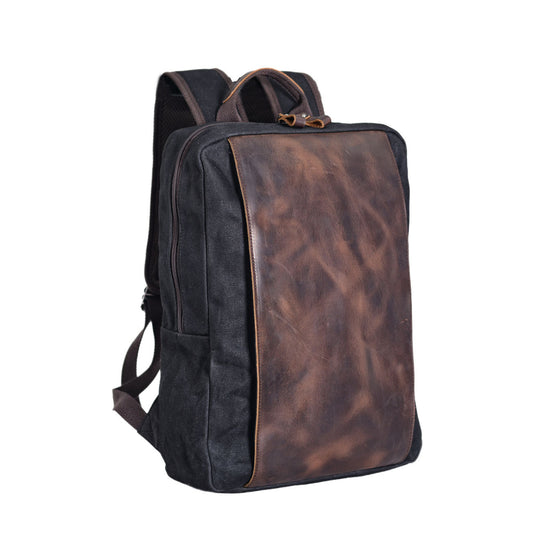
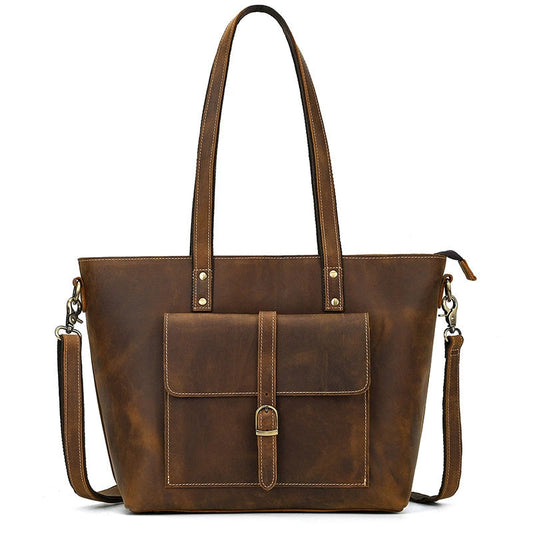
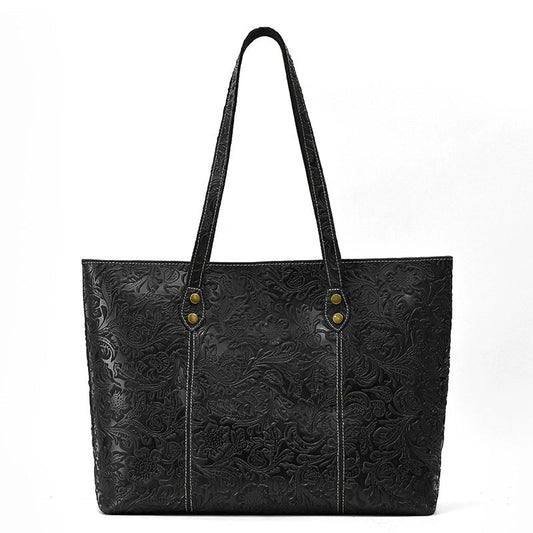
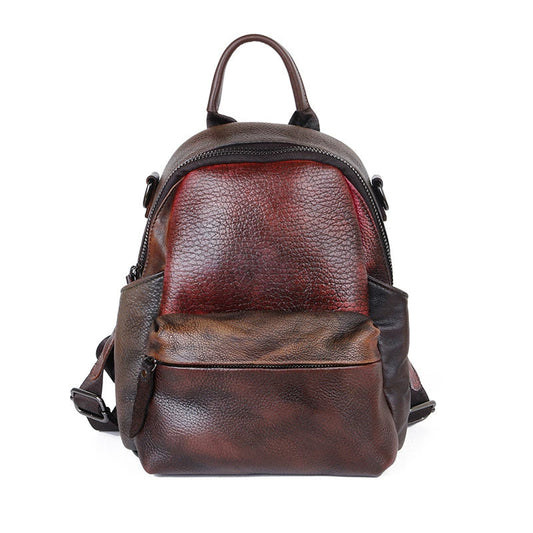

Crazy Horse Leather Care: Tips for Longevity

Crazy Horse leather is valued for its pull-up character, warm texture, and ability to develop a personal patina. The same finish that creates visible tonal change also needs thoughtful care. Dust, moisture, heat, and unsuitable conditioners can alter the surface or make a bag feel stiff. A simple routine keeps the leather flexible and useful for years.
This guide explains how to clean, dry, condition, store, and inspect Crazy Horse leather bags. Use the specific product care instructions as the final authority because finishes and thicknesses vary.
Understand the pull-up finish
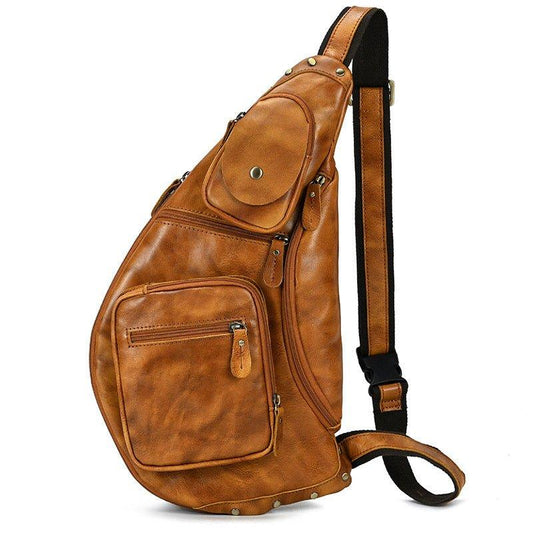
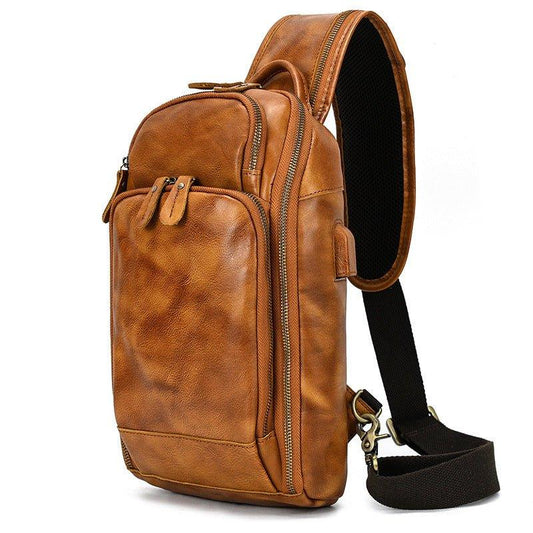
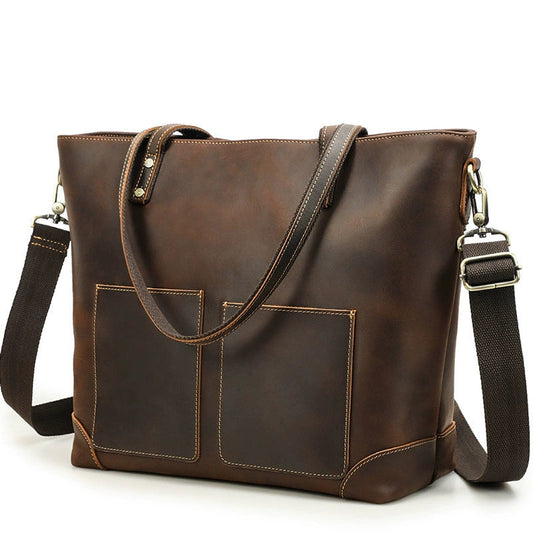
Crazy Horse leather commonly uses oils or waxes that move when the surface is bent or rubbed. Lighter and darker marks can appear during normal handling. This is part of the material's character, not necessarily damage, but deep scratches, standing water, and excessive heat still require care.

Remove dust before using moisture
Empty the bag and brush away grit with a soft dry cloth. Concentrate on handles, corners, seams, and the base where particles collect. Do not begin with a wet cloth if the surface is dusty; rubbing grit into the finish can create unnecessary marks.
Respond to rain and spills
Blot moisture rather than rubbing it across the leather. Remove electronics and let the bag dry open at room temperature. Keep it away from radiators, hair dryers, and direct high heat because fast drying can shift oils and leave uneven stiffness or color.

Condition with restraint
Use a compatible conditioner only when the leather feels dry or the care instructions recommend it. Test a small hidden area first, then apply a thin layer with a soft cloth. Pull-up leather may darken after conditioning, so do not coat the whole bag before observing the test area.

Inspect the working parts
Care includes more than the leather surface. Check strap anchors, handles, stitching, zipper paths, buckles, and the base before a long trip. A Crazy Horse finish can remain beautiful while a stressed anchor or loose seam becomes the real risk to the bag.
Storage and long-term care
- Store the bag cool, dry, and away from direct sun.
- Keep it empty or lightly supported so the shape does not collapse.
- Do not seal damp leather in plastic.
- Keep sharp objects away from the lining and surface.
- Repair loose hardware before carrying a heavy load.
The best Crazy Horse leather care routine is light, regular, and matched to actual use. Remove grit, dry slowly, condition sparingly, and accept that a healthy patina is part of the material's life.
Build a realistic care schedule
Care is easier to maintain when it follows the way the bag is used. A daily commuter can brush dust from the base and wipe contact points once a week, while a travel bag may need a full emptying after every trip. Separate the inspection into surface, hardware, and interior checks so a small issue does not remain hidden beneath a layer of clothing.
Avoid treating every mark as a problem. Pull-up leather naturally changes when pressure moves the oils beneath the surface. Compare a suspected scratch in good light, then rub it gently with a clean finger or soft cloth only if the care instructions allow it. If the mark remains deep, do not keep polishing; repeated friction can create a larger shiny patch.
The interior deserves its own routine. Shake out crumbs, use a soft brush around seams, and let the lining air after carrying damp clothing. Do not saturate the lining to solve a small stain. A removable pouch for pens, cosmetics, or cables reduces contact with the leather and makes future cleaning simpler.
Before a long journey, load the bag with the weight it will actually carry and inspect the points that take stress. This includes handle stitching, strap loops, zipper ends, and the base corners. Good Crazy Horse leather care protects both appearance and function: a clean surface matters, but dependable construction matters more.
Know when to stop treating the surface
Not every change calls for a product. If the leather is only dusty, dry brushing and a soft cloth are usually enough. If it has absorbed water unevenly, allow it to settle before deciding whether conditioning is necessary. More product cannot reverse every mark, and layering several conditioners can make the finish cloudy or overly soft.
For a bag used in different seasons, record what happened after each trip: rain exposure, heavy loads, and any area that rubbed against clothing or luggage. This simple record helps you adjust storage and cleaning without turning care into a complicated project. When a seam, zipper, or strap shows a structural problem, seek repair advice rather than trying to hide it with conditioner.
When evaluating Crazy Horse leather care advice, prioritize the manufacturer's instructions over a generic routine. Leather finishes can differ even when two bags look similar, and a test patch is the safest way to confirm how a cleaner or conditioner will behave. Keep a soft cloth, a small brush, and a dry storage space available so maintenance stays simple enough to repeat. Consistency matters more than aggressive restoration: remove ordinary dust, manage moisture promptly, and repair structural wear before it becomes a failure during travel.
Patina is a record of use, but a healthy patina should not be confused with neglect. The surface can change while the stitching, hardware, and lining remain reliable when the bag is cleaned and stored correctly.
Related Woosir resources
Use these related collection and product pages to compare current materials, sizes, care details, and available variants before making a final decision.