
Choosing the Right Gear Between Hiking Backpack And Daypack

Choosing between a hiking backpack and a daypack starts with the trip, not the product label. Both can carry water, layers, food, and personal essentials, but they distribute weight and organize equipment for different kinds of movement. A daypack is usually lighter and simpler; a hiking backpack offers more support and capacity when the route lasts longer or the load becomes heavier.
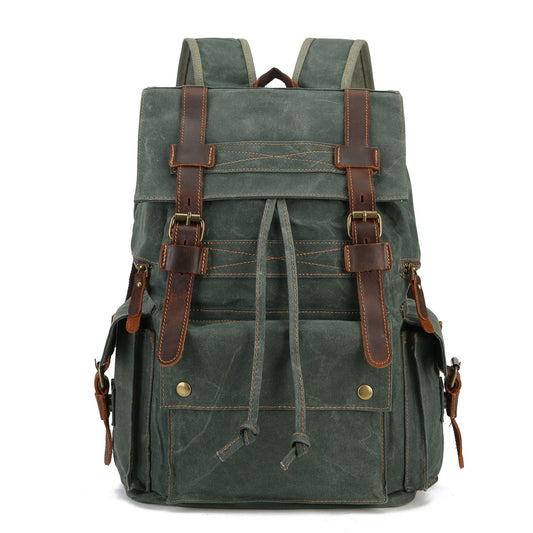
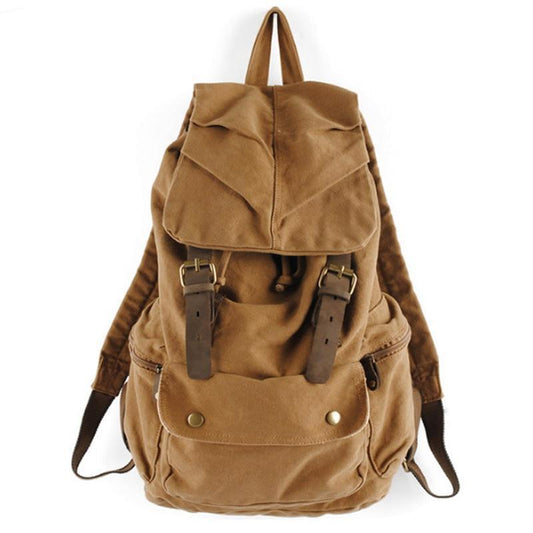
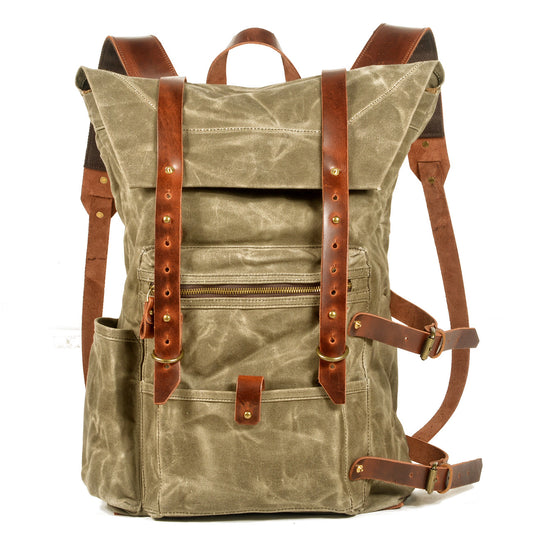
This guide compares capacity, fit, access, weather planning, and comfort so you can choose the right gear for a city-edge trail, a full-day hike, or a longer route. Confirm current product specifications on the Woosir hiking backpack collection before ordering.
Start with route length and load
A daypack is a strong choice when the load is limited to water, snacks, a light layer, first aid, and navigation tools. Its smaller volume makes it easier to keep the contents stable and discourages carrying unnecessary extras. For a full-day route, estimate the food, weather protection, and camera or binoculars you will actually take rather than choosing by appearance alone.
A hiking backpack becomes more useful when the equipment list includes a larger water supply, extra clothing, shelter components, cooking gear, or several days of food. More space only helps when the harness can control the load. An oversized pack filled loosely can swing and feel less comfortable than a smaller pack filled carefully.
Compare support and fit
The biggest difference is often the relationship between the back panel, shoulder straps, sternum strap, and hip belt. A daypack may rely mainly on shoulder straps for a light load. A hiking backpack should allow the hip belt to transfer meaningful weight to the pelvis, with the shoulder straps stabilizing rather than carrying everything.

Adjust the hip belt first, then the shoulder straps and sternum strap. Load-lifter straps can reduce backward pull when the pack is tall. Try the bag with the clothing layers you normally hike in and walk on an incline, because a fit that feels acceptable while standing still may shift on a climb.
Organization and access on the trail
Daypacks often work well with one main compartment and a few quick-access pockets. A hiking backpack may need separate zones for a sleeping system, food, wet weather gear, and emergency items. The best layout is the one that lets you reach rain protection, water, navigation, and first aid without emptying the entire bag.

Top-loading designs can be efficient when items are packed in layers, while front or side access is convenient when the route requires frequent stops. Keep dense items close to the back and near the center, then use soft clothing to prevent movement around fragile gear.
Weather and durability
Neither a daypack nor a hiking backpack should be treated as automatically waterproof. Water-resistant fabric, covered zippers, a rain cover, and inner dry bags work together. Protect electronics, maps, and spare insulation inside a liner even when the outer material feels sturdy.
When a daypack is the better choice
- Choose a daypack for short routes with a light, predictable load.
- Choose a hiking backpack when a hip belt and load control are essential.
- Choose the smaller format when extra capacity would encourage overpacking.
- Choose the supported format when water, shelter, food, or clothing add substantial weight.
The right decision is not about which category sounds more capable. It is about matching support and capacity to the route you will actually take. A well-fitted daypack can be ideal for a short walk, while a supported hiking backpack is safer and more comfortable when the load or distance increases.
Examples for common hiking routines
For a short morning trail near town, a daypack is usually enough when the weather is stable and the route has reliable access to water. Carry a layer, food, a small first-aid kit, navigation, and a phone or camera. Keeping the volume modest makes it easier to avoid carrying equipment that will never leave the bag.
For a full-day mountain route, the decision becomes less about the number of hours and more about the consequences of being under-equipped. A larger hiking backpack can hold more water, a warmer layer, rain protection, food, and emergency items. The hip belt and load-lifter adjustment become valuable because the pack may remain comfortable after several hours rather than only during the first climb.
For an overnight trip, add shelter, sleep insulation, cooking items, and extra clothing to the list before choosing a size. At that point a simple daypack may be too small even if its empty fit feels excellent. The correct hiking backpack should still compress when the load is reduced, so unused capacity does not turn into movement and sway.
Common mistakes to avoid
- Choosing by external appearance without testing a realistic load.
- Packing dense objects away from the back and creating a backward pull.
- Treating water resistance as a substitute for a rain cover and inner liner.
- Using every pocket and attachment point until the pack becomes unbalanced.
- Ignoring pressure or hip-belt movement because the empty pack feels comfortable.
Use the shortest realistic test that still represents the route. Load the water, clothing, food, and safety items you expect to carry, adjust the pack, and walk on an incline. That test gives a more reliable answer than comparing two empty bags in a store or photograph.
Related Woosir resources
Use these related collection and product pages to compare current materials, capacities, and available variants before making a final decision.