
Canvas Tote Bags for Travel: Lightweight and Stylish Options in 2026

Canvas tote bags are useful for travel when you want a light secondary carry piece that can hold a jacket, book, snacks, or transit essentials. The best tote balances capacity with shoulder comfort, closure security, and enough organization to prevent small items from disappearing beneath larger ones.
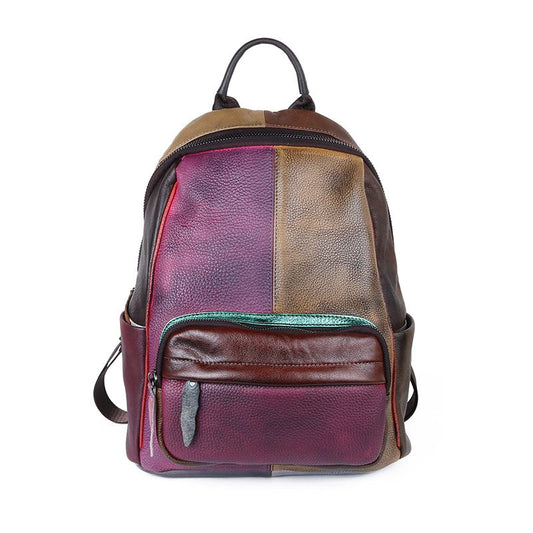
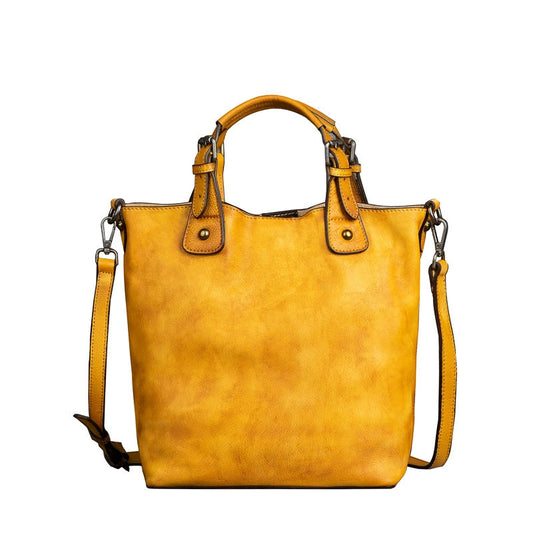
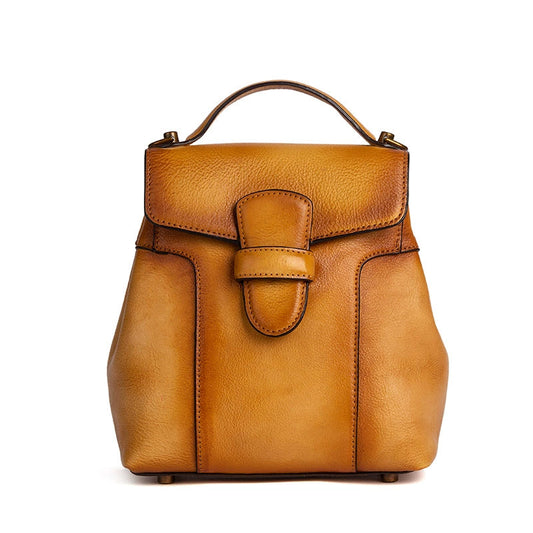
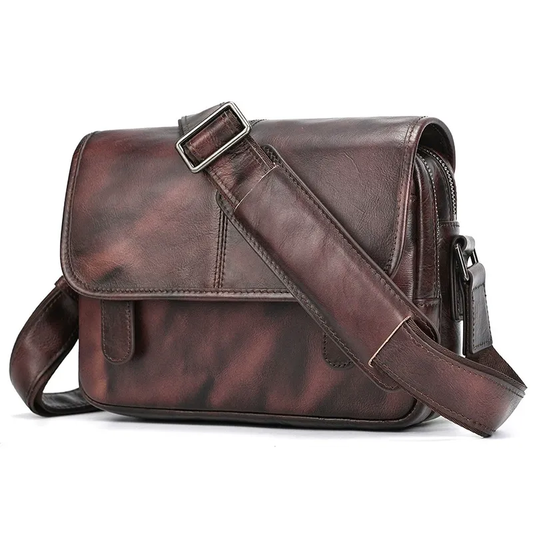
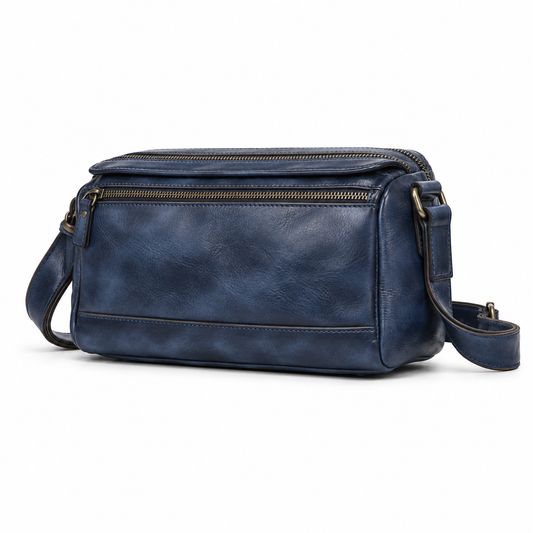
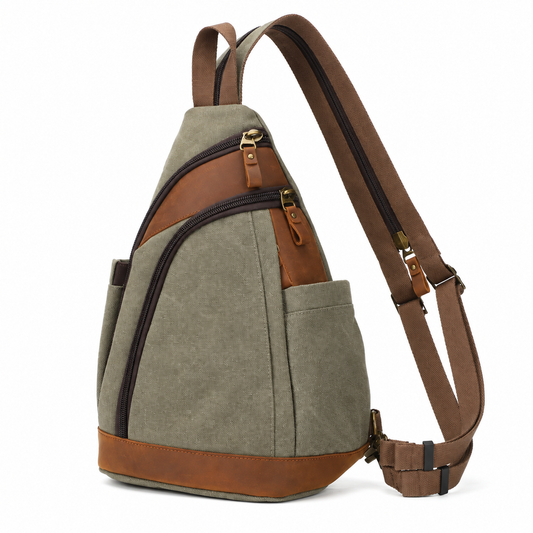
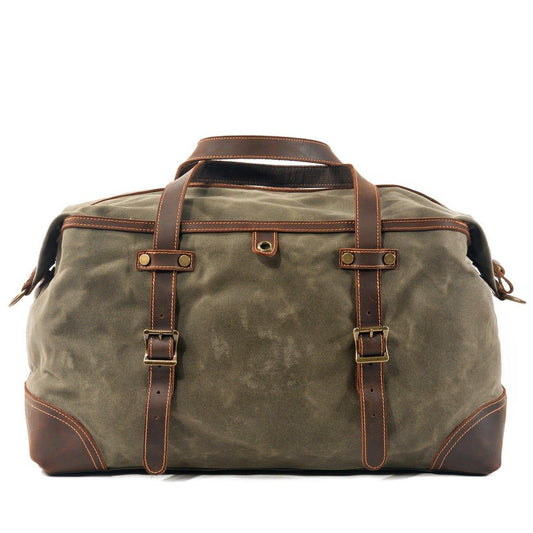
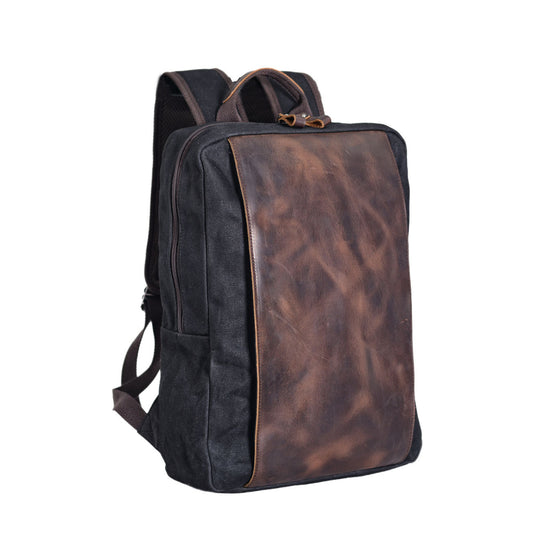
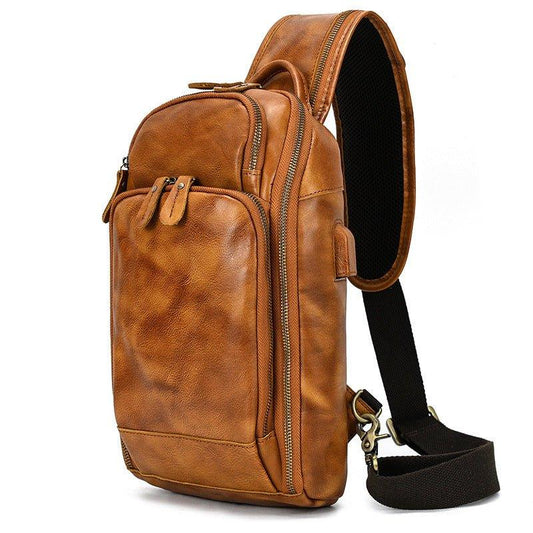
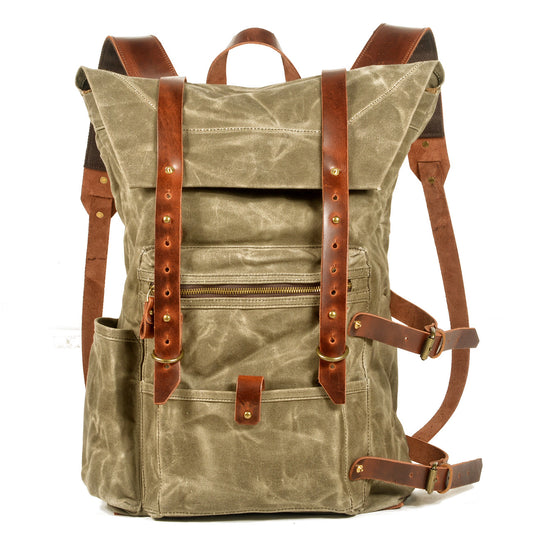
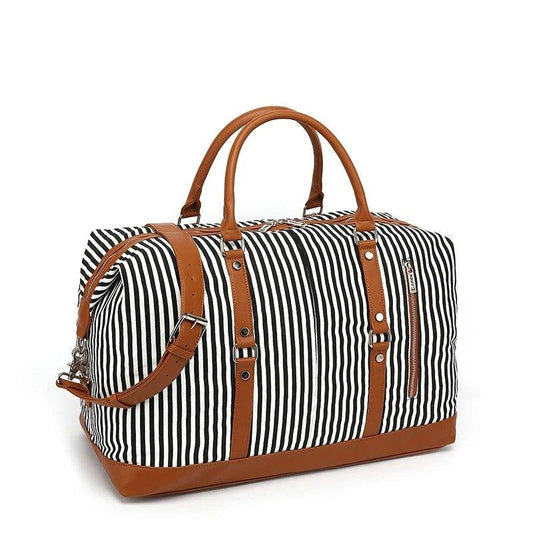
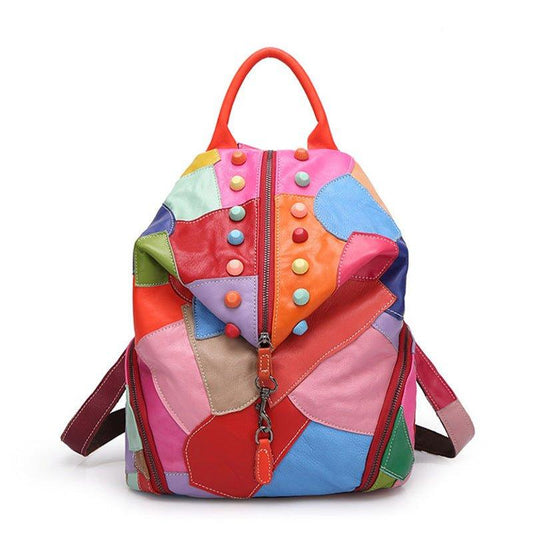
The three recommendations below use current Woosir product images and linked product titles. Confirm live dimensions, handle measurements, materials, variants, and availability before ordering.
What makes a travel tote practical
Look at the handle length, base, closure, lining, and whether the tote can hold a sleeve or pouch. An open tote is fast to load but less secure in a crowd; a zipped tote protects contents better but may be slower to access. Choose based on the transit route and the objects you carry.
Lightweight and stylish canvas tote recommendations
1. Best for oversized travel capacity

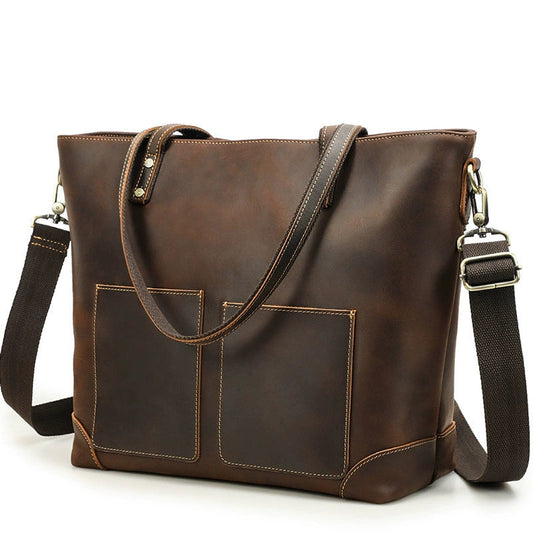
An oversized waxed canvas tote works as a flexible secondary travel bag for a jacket, book, snacks, and a few personal items. Use an inner pouch for valuables and avoid overloading one shoulder.
2. Best for a zipped shoulder-carry setup

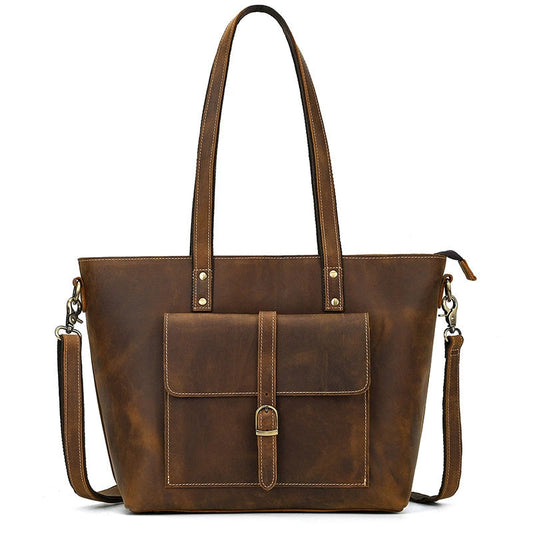
A zipped waxed canvas tote offers more security during transit while keeping a relaxed canvas profile. Check handle length and the laptop or sleeve arrangement before packing electronics.
3. Best for an adjustable everyday handle

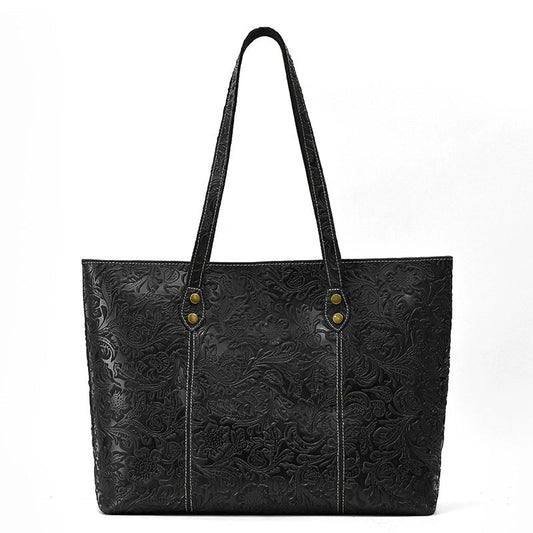
A women’s canvas tote with an adjustable top handle can move between hand and shoulder carry. Match the handle setting to the clothing layers and the distance you walk.
Pack a tote without shoulder strain
Keep dense items low and near the center, use a sleeve for electronics, and place keys, cards, and phones in a secure inner pouch. Leave room at the top so the handles are not under constant tension. For long walks or heavy loads, change to a backpack rather than forcing the tote to do a job it was not designed for.

Weather and care
Canvas thickness does not automatically mean waterproofing. Protect documents and electronics in a waterproof pouch, wipe spills promptly, and dry the tote fully before storage. Inspect handles and seams when the tote regularly carries dense items.
Final choice
A stylish travel tote is successful when it remains light enough to use, organized enough to search, and secure enough for the route. Match capacity and closure to real travel habits rather than choosing only by appearance.
Match tote organization to the journey
A tote works best when its contents are grouped before they enter the main compartment. Use one pouch for cables and chargers, another for tickets and small valuables, and a sleeve for a tablet or notebook. This creates structure without turning a lightweight tote into a heavy organizer. The goal is quick access, not maximum pocket count.
Consider how the bag behaves when placed on a train floor, under a seat, or beside a café chair. A reinforced base can help it stand, while a soft base may fold into a suitcase more easily. If the tote has a zipper, make sure it can close after the intended load is inside without stressing the teeth or pulling the handles out of alignment.
Shoulder comfort depends on more than handle length. Dense objects should sit close to the body and low in the bag, with light layers above them. Switch shoulders during a long walk and remove items that are not needed. When the load includes a computer, water bottle, camera, and books, a backpack may distribute weight more effectively.
For care, remove loose dirt before wiping the canvas, spot-test any cleaner, and allow the bag to dry completely. Keep leather handles away from prolonged moisture and store the tote upright or lightly supported. These small habits preserve the relaxed appearance while reducing distortion at the seams and handle anchors.
Decide whether a tote is the primary or secondary bag
Many travel totes are most useful as a personal item or secondary carrier rather than the only bag for a multi-day trip. If it supplements a suitcase, prioritize light weight, fast access, and a closure that works while moving. If it is the primary bag for a short overnight, give more attention to base support, handle comfort, and the way the open compartment keeps clothing from collapsing.
Use the tote's flexibility intentionally. Pack a soft layer around a camera or water bottle, but keep fragile objects inside dedicated sleeves. Place the items needed during transit at the top and keep the bag light enough to lift without straining one shoulder. These choices turn a simple canvas tote into a predictable travel tool rather than an unstructured catch-all.
The final test is simple: pack the tote with the objects you actually take, carry it for ten minutes, and place it under the seat or beside a chair. Notice whether the handles stay comfortable, whether valuables remain easy to reach, and whether the opening keeps its shape. This practical test helps separate a useful travel tote from a beautiful bag that becomes tiring or disorganized once full.
A tote can be stylish and practical when its size reflects the actual travel load. Avoid filling empty space simply because the opening allows it.
Related Woosir resources
Use these related collection and product pages to compare current materials, sizes, care details, and available variants before making a final decision.