
Canvas Tote Bag vs Backpack for Travel: Which Should You Carry in 2026?

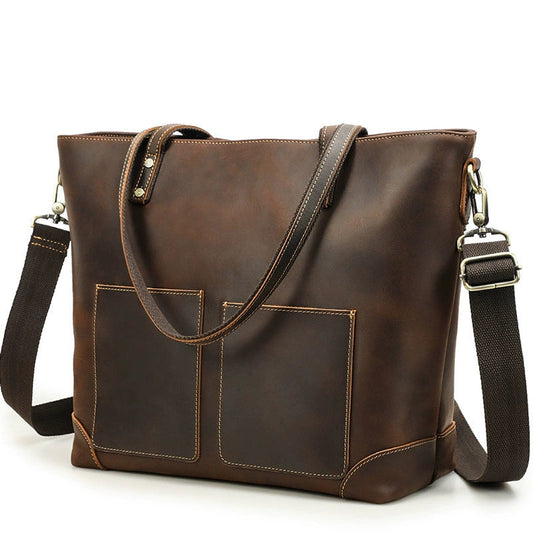
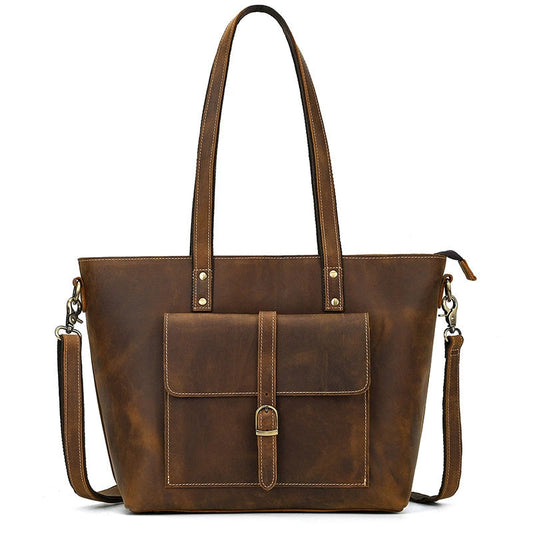
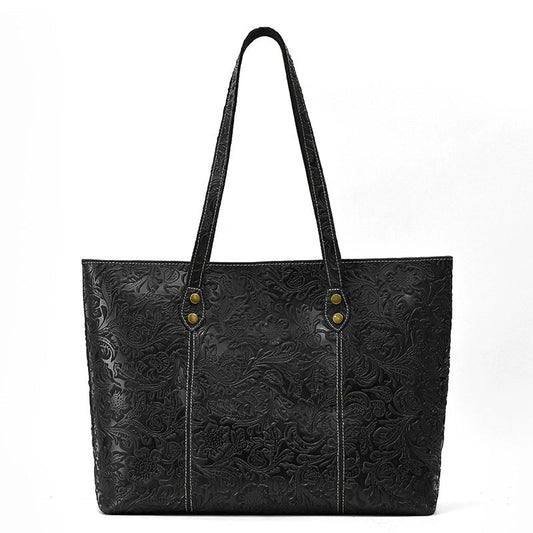
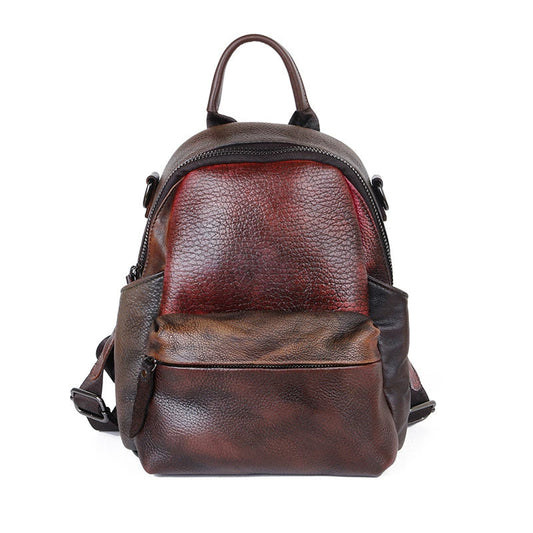
A canvas tote and a backpack can both carry travel essentials, but they distribute weight and provide access in very different ways. The tote is quick, flexible, and easy to place beside a seat; the backpack keeps the hands free and usually handles longer walking more comfortably.
This 2026 comparison explains how to choose by load, distance, access, weather, organization, and personal comfort. The right answer depends on what you carry and how much of the journey happens on foot.
Define the role of the bag
A tote often works best as a personal item, secondary carrier, or light day bag. A backpack can become the primary travel bag when it needs to carry clothing, a laptop, water, and a jacket across a longer route. Start by defining whether the bag supplements luggage or replaces it.
The route matters as much as the destination. A tote may be ideal on a short train ride or for a café day, while a backpack is usually easier on stairs, platforms, and uneven streets. Choose the carry format from the movement pattern, not only from the opening size.
Compare weight distribution
Totes place most of the load on one shoulder or one hand. That is comfortable when the contents are light and the distance is short, but dense objects can quickly create strain. Backpacks spread the load across two shoulders and may use a sternum strap or hip belt for more control.
Pack dense objects low and close to the body in either format. Use a sleeve around a device and keep bottles upright. If the tote becomes heavy enough to pull at the handles, move the load to a backpack or reduce the contents rather than accepting discomfort.
Access and organization
An open tote offers immediate access to a jacket, book, or snack. A backpack may require a zip opening or a side pocket, but it can keep the contents more controlled in a crowd. Use small pouches in a tote and quick-access pockets in a backpack so the most important items do not disappear.
Organization should match the trip. A tote can stay flexible when the load changes during the day, while a backpack benefits from a clear packing map. Choose the format that reduces the kind of searching you actually do.
Laptop and fragile-item protection
A tote needs a dedicated sleeve or inner case because a laptop can move against the bottom or other objects. A backpack may have a suspended laptop compartment, but the device still needs separation from shoes, bottles, and chargers.
If the bag will be placed under a seat or on a train floor, protect the base and keep documents in a folder. Both formats benefit from a small waterproof pouch when the route includes rain or crowded transfers.
Weather and material care
Canvas can be durable and attractive without being fully waterproof. Wipe spills, protect electronics, and dry the bag fully before storage. A backpack may offer more coverage through a flap or covered zipper, while a tote's open top needs extra attention in wet weather.
Choose the material whose care routine fits your habits. If you will not rewax or condition a bag, select a finish that remains practical with simple wiping and air drying. Long-term usefulness is more important than a material claim you cannot maintain.
Make the decision by distance
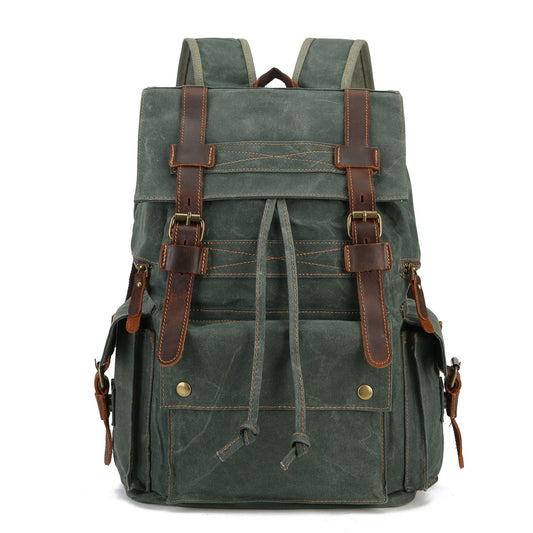
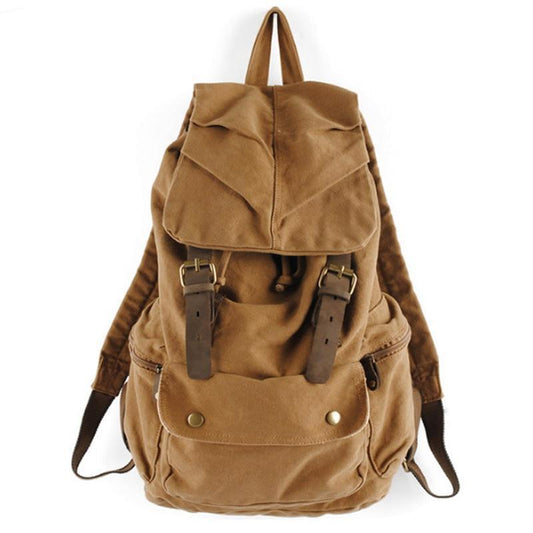
Choose a tote for light loads, quick access, short transfers, and situations where the bag must sit open beside you. Choose a backpack for longer walking, heavier loads, hands-free movement, and more controlled weather protection.
Some travelers need both. A lightweight tote can remain inside a backpack or suitcase and become useful after arrival. This is often more practical than forcing one bag to perform every role at once.
Final decision checklist
- Estimate the packed weight and walking distance.
- Compare shoulder comfort, handle length, and body fit.
- Plan a sleeve or pouch for electronics and documents.
- Check closure and weather protection for the route.
- Choose tote, backpack, or both based on the complete journey.


The tote-versus-backpack decision is easiest when tested with the complete load and the complete route. Carry the bag for ten minutes, place it under a seat, and check whether the important items remain reachable. Comfort and access reveal more than an empty-bag photograph.
A tote can remain a useful travel companion when it is treated as a light-access bag rather than a container for every object. Keep a jacket, book, bottle, and pouch near the top, and use a separate bag for dense or fragile equipment. This protects the shoulder and helps the canvas keep its shape.
Check the live product dimensions and handle measurements, then test the packed tote beside the backpack you already use. The best combination may be both: backpack for weight, tote for access.
The final comparison should include how the bag behaves when put down and picked up repeatedly. A tote needs stable handles and a protected base, while a backpack needs comfortable straps and a supportive back panel. Use the carry system that remains easy after the first hour, not only during a short shop visit.
Related Woosir resources
Use these related Woosir pages to compare current materials, dimensions, care details, and available variants before making a final decision.