
Canvas Backpacks: Durable and Stylish for Every Occasion

Canvas backpacks remain popular because they are practical without looking overly technical. The material can suit school, commuting, short travel, and everyday errands, but durability depends on more than the word canvas on a product page. Construction, fit, capacity, and care all shape how the bag performs.
This guide explains how to choose a canvas backpack that works across different occasions. Compare the relevant Woosir collections for current styles, then evaluate the load and the environment where you will use the bag most often.
Why canvas works across occasions
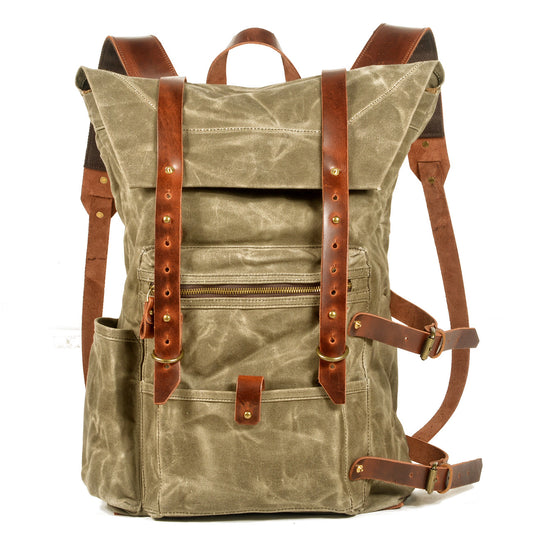
Canvas has a familiar texture and enough structure to hold its shape without feeling like hard luggage. It can look appropriate with casual clothes, workwear, or travel layers, and it often pairs naturally with leather trim or metal hardware. That versatility is useful when one backpack needs to move between school, office, and weekend use.
The material is not automatically waterproof. A tight weave, surface treatment, covered zipper, and reinforced base may improve weather performance, but prolonged rain still calls for a cover or liner. Consider what the contents are worth protecting before relying on the fabric alone.
Capacity should follow the occasion
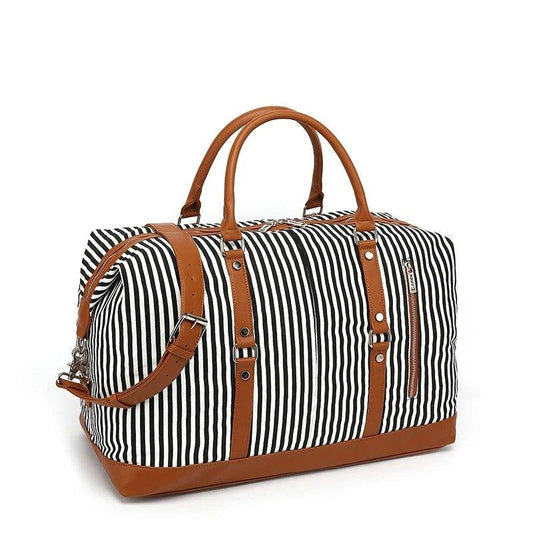
A compact daypack is enough for a tablet, bottle, layer, and small accessories. A school or work backpack needs more room for books, a laptop, and chargers, while a travel model should accept clothing and a toiletry pouch without becoming difficult to carry. Measure your largest regular item and leave space around it rather than filling every corner.

Construction details that matter
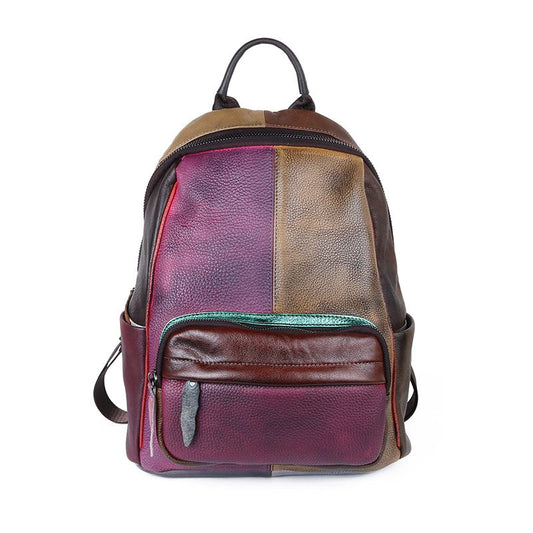
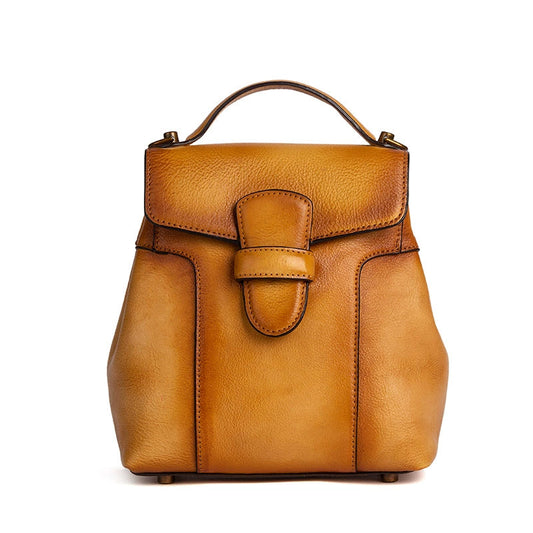
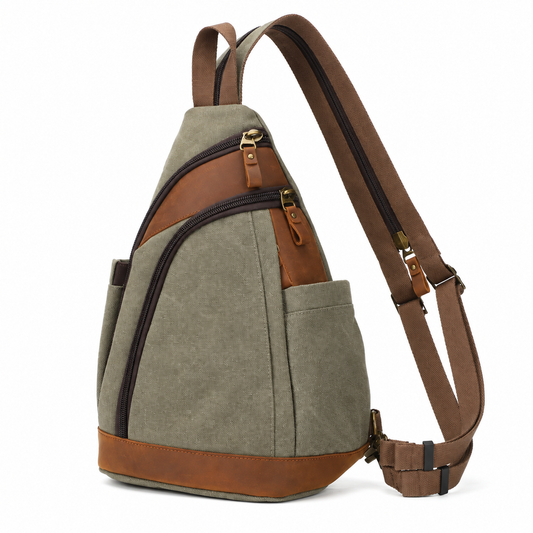
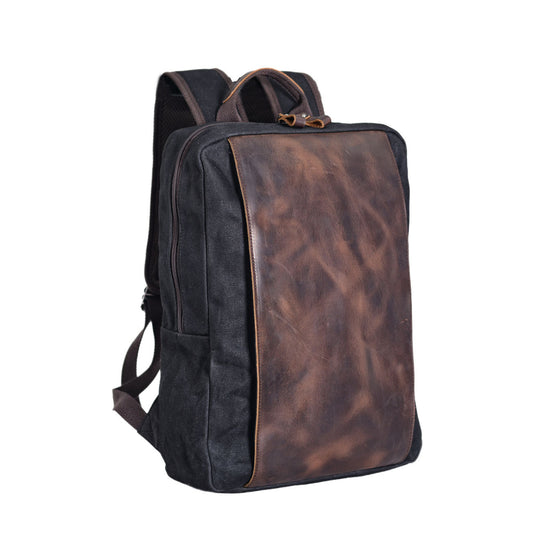
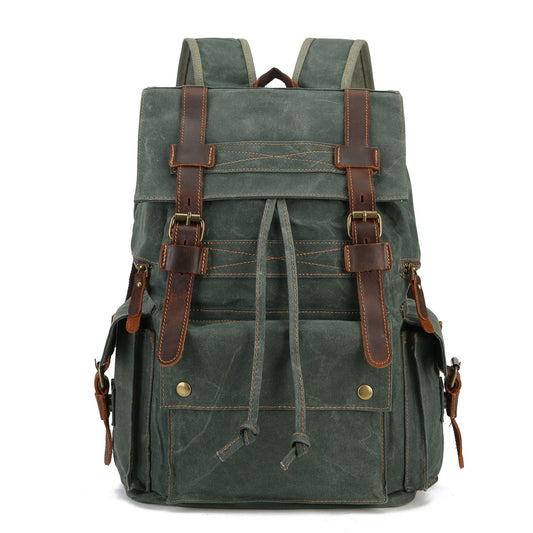
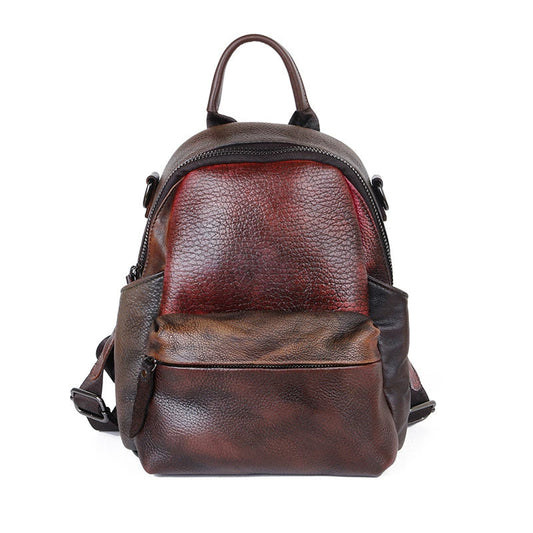
Inspect the base, shoulder-strap anchors, top handle, and seams around pockets. These areas receive repeated stress when the bag is lifted from a floor or chair. Leather reinforcement can add structure, but it should be securely stitched rather than attached as a decorative patch.
Hardware should be easy to operate and sized for the bag. A zipper that catches at the corners is frustrating every day, while a buckle that needs excessive force may be ignored. Look for a lining that makes the interior visible and pockets that match the small objects you actually carry.
Fit and organization
Comfort starts with the back length and strap placement. Adjust the straps so the pack sits close without pressing into the neck, and keep dense items near the back panel. A sternum strap or light compression can help when the load moves during walking.

Canvas backpack care
- Brush off dry dirt before wiping the surface.
- Blot spills and allow the bag to air-dry naturally.
- Use a liner or cover when carrying electronics in prolonged rain.
- Do not overload the top handle or store the backpack compressed for long periods.
How canvas changes with use
A canvas backpack may soften at the flex points and show a more individual surface after repeated carrying. That change can be attractive, but it also makes early maintenance important. Check the bottom corners, top handle, and shoulder-strap stitching at the end of each term or travel season. If a seam begins to open, repair it before the load increases the damage.
For mixed indoor and outdoor use, keep a simple liner or cover with the bag rather than waiting for a weather problem. A cover protects books and electronics, while the canvas can remain a breathable everyday material when the weather is dry. This small accessory often extends the useful life more than a large number of extra pockets.
Style should follow the use case
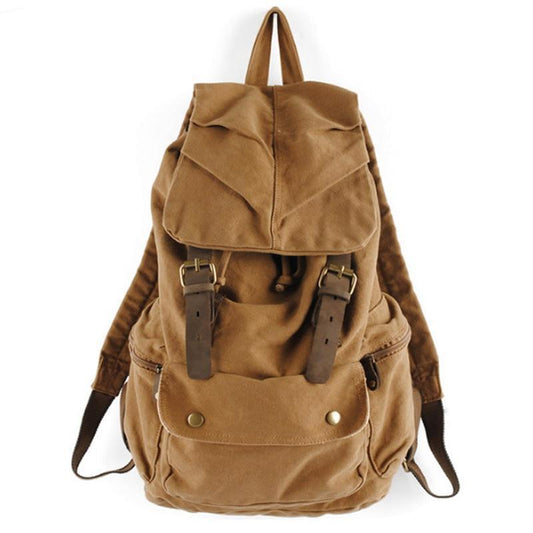
A vintage canvas finish can look at home with workwear and casual clothing, while a cleaner profile may suit a classroom or office. Choose the visual style you will use frequently, but do not sacrifice a padded device area, stable straps, or a closure that works with one hand. A stylish bag that is uncomfortable quickly becomes an occasional bag.
Check the details against your day
Before choosing a canvas backpack, imagine three moments: packing at home, reaching for an item while standing, and carrying the bag after the contents have been used for several hours. A useful layout should make each moment easier. If the bag only looks organized when it is empty, the design may not suit daily use.
Also consider the surfaces where the backpack will rest. A reinforced base is valuable in classrooms, cafés, and stations, while a lighter bag may be preferable if it will mostly stay on a clean office chair. Matching construction to routine is what turns a general-purpose material into a dependable everyday companion.
Use the product page as the final check
Once the category is right, verify the actual dimensions, image details, material notes, and available colors on the live product page. Measurements can be listed in different orders, so compare them with the laptop sleeve and the items you carry. This final step prevents a visually appealing backpack from being chosen on assumptions about capacity.
Choosing one for your routine
Choose a light canvas backpack for errands and short commutes, a laptop-friendly design for school or work, and a larger structured style for travel. If you regularly move between indoor and outdoor environments, prioritize comfort and weather protection over decorative pockets.
The most durable and stylish canvas backpack is the one whose material, layout, and fit match the way you use it. Start with the load and route, verify the construction points, and let the finish become the final expression of the decision.
Related Woosir resources
Use these original Woosir links for current collections, product details, and related buying guidance.