
Camera Bags for Travel Photographers: Canvas vs Leather — 2026 Buying Guide

Camera Bags for Travel Photographers: Canvas vs Leather — 2026 Buying Guide
Every travel photographer knows the struggle: you need a camera bag that protects expensive gear, survives rugged conditions, and still looks good when you walk into a café in Paris or a night market in Bangkok. In 2026, the debate between canvas and leather camera bags for travel photographers is more relevant than ever, as both materials have evolved with new treatments, linings, and designs. This guide breaks down everything you need to know to choose the right camera bag for your next adventure.
Whether you're hiking through Patagonia, navigating the streets of Tokyo, or chasing the northern lights in Iceland, your camera bag is arguably your most important piece of travel gear after the camera itself. Let's explore how canvas and leather stack up against each other for travel photography in 2026.
Why Your Camera Bag Material Matters for Travel Photography
A camera bag isn't just a carrying case — it's a mobile studio, a protective vault, and a daily companion rolled into one. The material you choose affects weight, weather resistance, durability, and even how you're perceived when shooting in different environments. Travel photographers face unique challenges that studio photographers never worry about: sudden rainstorms in Southeast Asia, dusty safaris in East Africa, cramped overhead bins on budget airlines across Europe, and the need to blend in while carrying thousands of dollars of equipment.
The Travel Photographer's Unique Demands
- Weather variability: From tropical humidity to Arctic cold, your bag must handle it all
- Theft deterrence: A bag that screams "expensive camera gear inside" is a liability in crowded markets
- Weight sensitivity: Every gram counts when you're carrying gear all day across cities or trails
- Quick access: You need to grab your camera in seconds when the perfect shot appears
- Airline compatibility: Carry-on size restrictions vary by region and airline
The material of your camera bag directly impacts every single one of these factors. That's why the canvas versus leather decision is far from superficial — it's strategic.

Canvas Camera Bags: The Rugged Travel Companion
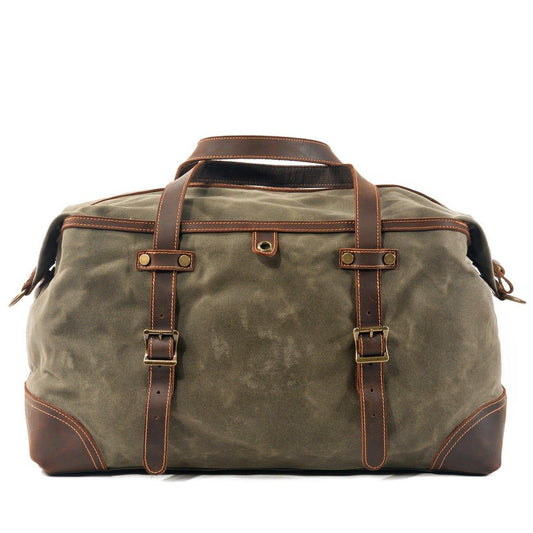
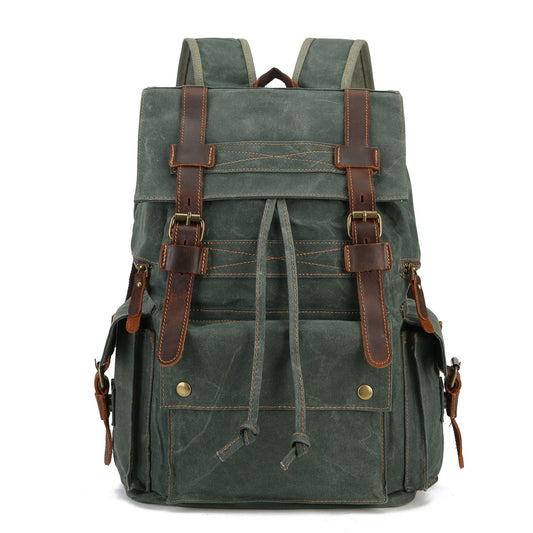
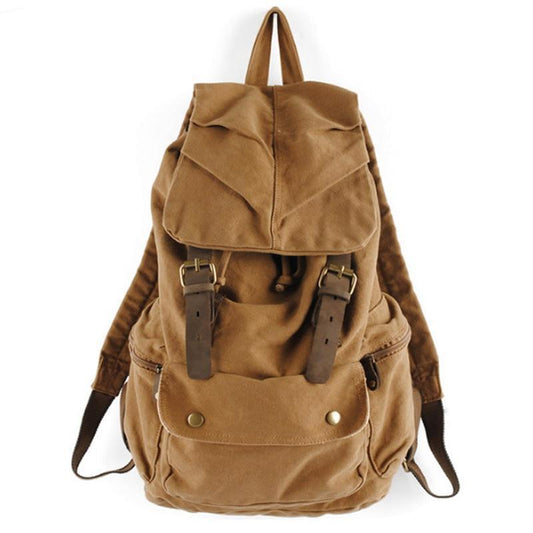
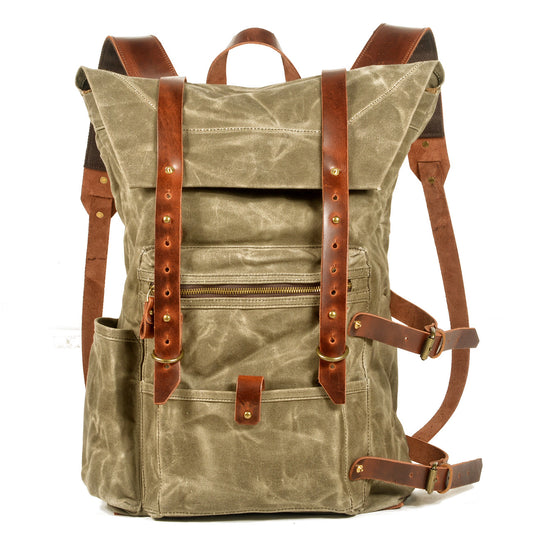
Canvas has long been the darling of outdoor and adventure photographers, and for good reason. Modern waxed canvas camera bags combine the toughness of traditional canvas with water-resistant treatments that repel rain and resist staining. The result is a bag that looks at home on a mountain trail or at a street photography session in Lisbon.
Advantages of Canvas for Travel Photography
- Lighter weight: Canvas bags typically weigh 15–25% less than comparable leather bags, making them ideal for long shooting days
- Weather resistance: Waxed canvas sheds water naturally and dries quickly — a lifesaver during monsoon season in South Asia or rainy autumns in the Pacific Northwest
- Low-profile appearance: Canvas bags look like ordinary daypacks, which helps deter theft in high-risk areas like transit hubs in São Paulo or tourist zones in Rome
- Breathability: Canvas allows some air circulation, reducing condensation buildup that can fog lenses in humid climates
- Affordability: Canvas camera bags generally cost 20–40% less than their leather counterparts
For travel photographers who prioritize function and weather readiness, waxed canvas is hard to beat. Explore the Woosir waxed canvas collection for bags built to handle the elements.
Limitations of Canvas
- Less structural rigidity: Canvas may sag over time, especially with heavy telephoto lenses
- Wear patterns: High-friction areas (shoulder straps, bottom corners) can thin out faster than leather
- Maintenance required: Wax coatings need reapplication every 6–12 months to maintain water resistance
- Limited formal appeal: A canvas bag may look out of place at a gallery opening or corporate shoot
Leather Camera Bags: Style Meets Substance
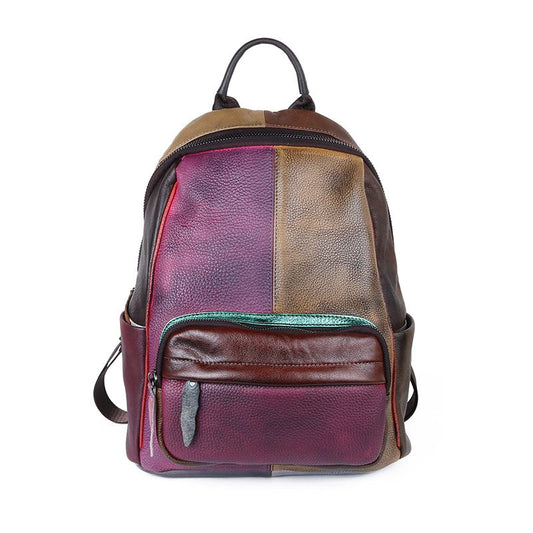
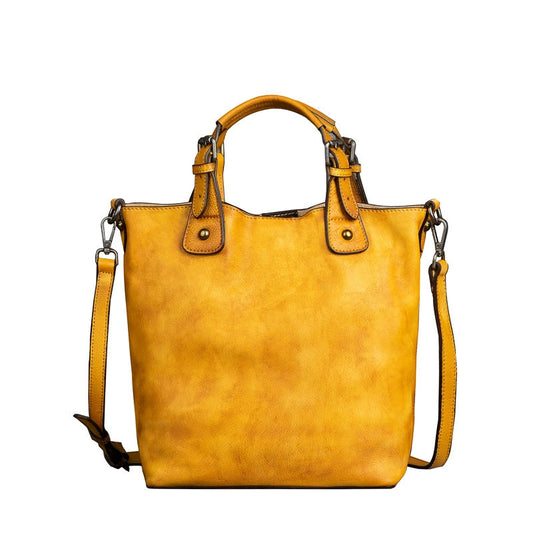
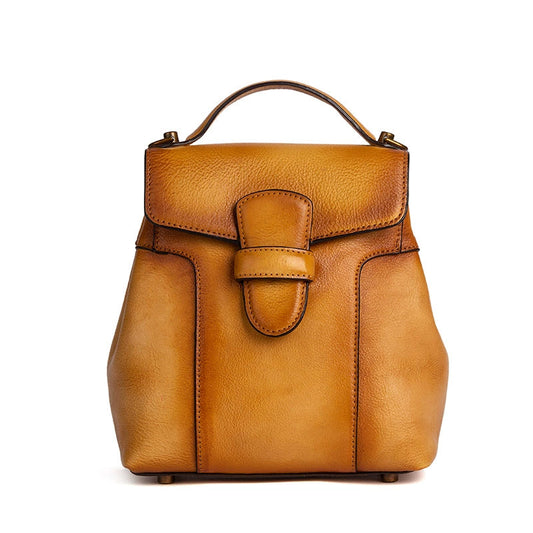
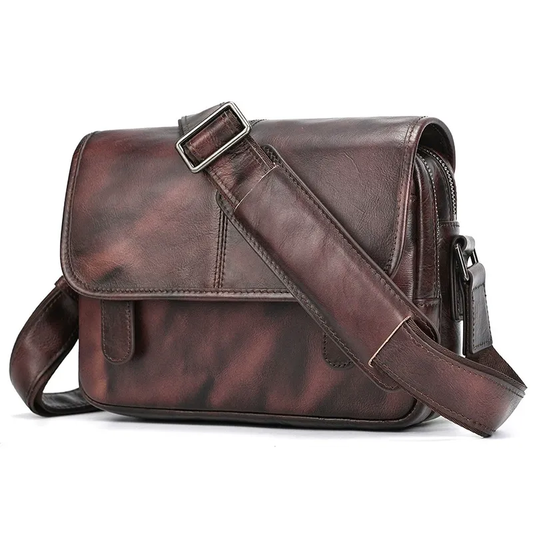
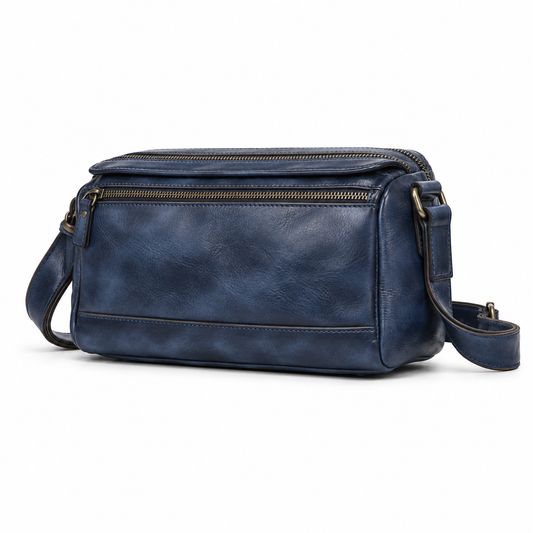
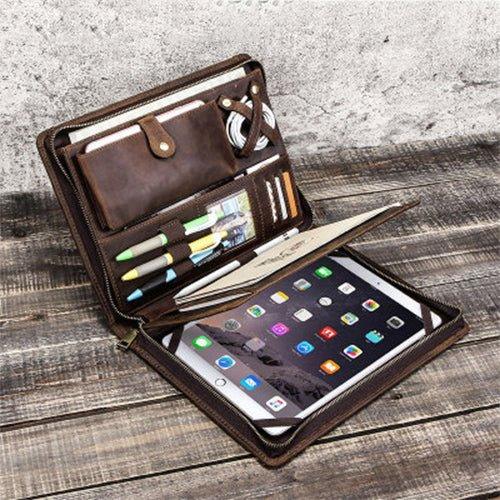
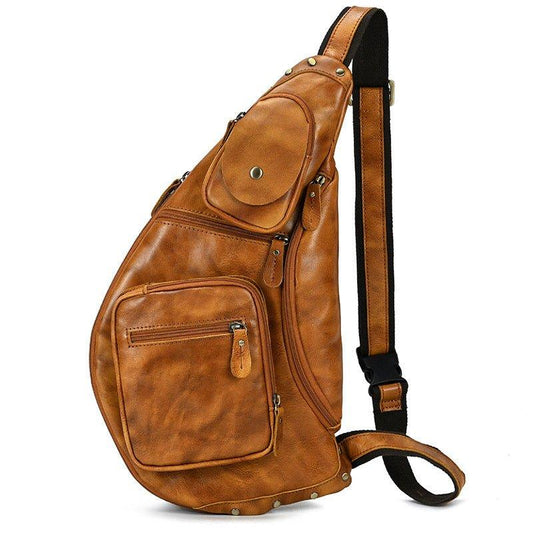
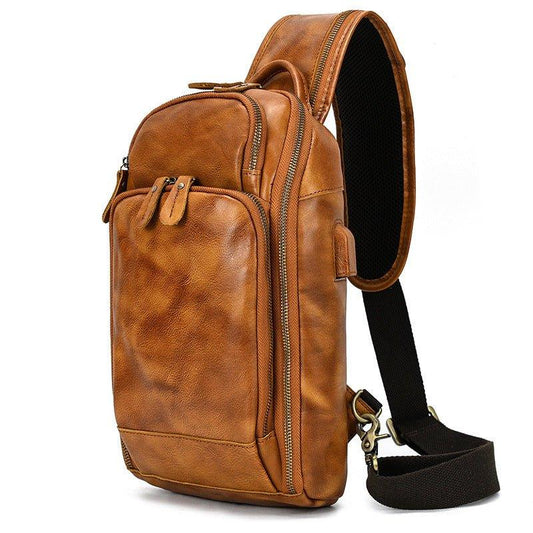
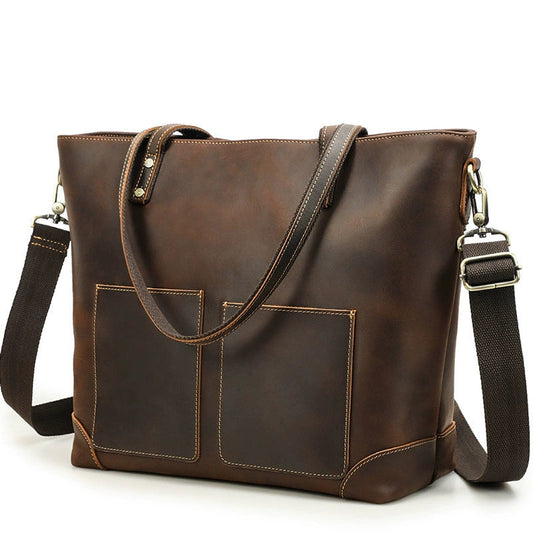
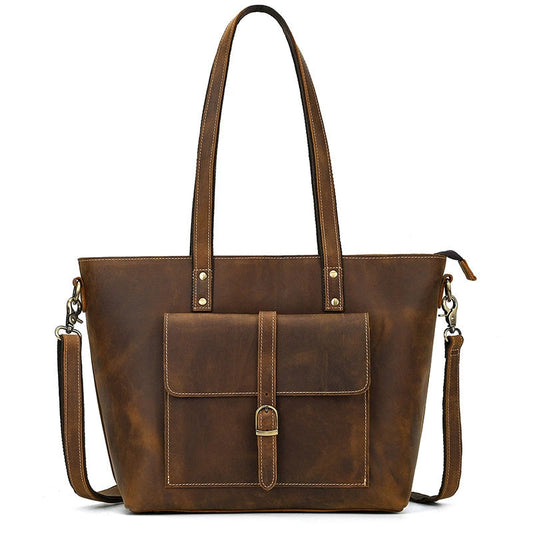
Leather camera bags have experienced a renaissance in 2026. Far from the stiff, heavy cases of decades past, modern leather camera bags use vegetable-tanned hides, padded dividers, and thoughtful compartmentalization to create bags that are both beautiful and practical. A well-made leather camera bag develops a patina over time that tells the story of every trip you've taken.
Advantages of Leather for Travel Photography
- Superior protection: Thick leather absorbs shocks and impacts better than canvas, protecting delicate lenses and camera bodies
- Structural integrity: Leather maintains its shape even when fully loaded, preventing gear from shifting during transit
- Aging gracefully: Genuine leather develops a unique patina that makes each bag one-of-a-kind — a feature many photographers love
- Versatile aesthetics: A leather camera bag transitions seamlessly from a jungle trek to a five-star hotel lobby in Singapore
- Long-term durability: High-quality leather bags can last decades with proper care, often outliving canvas bags by years
If you value long-term investment and want a bag that works as well at a client meeting in London as it does on a hike in New Zealand, leather is an excellent choice. Check out the Woosir camera bags and cases collection for leather options designed for photographers.
Limitations of Leather
- Heavier carry: Leather adds weight, which adds up over a full day of shooting
- Higher price point: Quality leather bags are an investment, typically costing significantly more than canvas
- Weather sensitivity: Untreated leather can absorb water and stain; regular conditioning is essential
- Break-in period: New leather bags may be stiff initially, softening over weeks of use
Canvas vs Leather Camera Bags: Side-by-Side Comparison
| Feature | Canvas | Leather |
|---|---|---|
| Weight | Lighter (1.5–3 lbs typical) | Heavier (2.5–4.5 lbs typical) |
| Water Resistance | Excellent when waxed | Moderate; needs treatment |
| Impact Protection | Good | Excellent |
| Style Versatility | Casual to outdoor | Casual to formal |
| Theft Discretion | High — looks like a daypack | Moderate — looks premium |
| Longevity | 3–7 years with care | 10–20+ years with care |
| Price Range | $60–$200 | $150–$500+ |
| Maintenance | Re-wax every 6–12 months | Condition every 3–6 months |
| Patina Development | Minimal | Rich and unique over time |
How to Choose: Matching Material to Your Travel Style
Choose Canvas If You…
- Primarily shoot outdoors, in unpredictable weather, or in humid climates
- Travel light and prioritize weight savings
- Want a low-profile bag that doesn't attract attention
- Are on a budget but still need quality protection
- Travel through regions with frequent rain (Southeast Asia, UK, Pacific Northwest)
Choose Leather If You…
- Shoot in both casual and formal settings (weddings, corporate events, luxury travel)
- Want a bag that lasts decades and ages with character
- Carry heavier, more expensive gear that needs maximum impact protection
- Travel primarily in temperate or dry climates
- Appreciate craftsmanship and heritage aesthetics

Essential Features Every Travel Camera Bag Needs in 2026
Regardless of material, your camera bag for travel photography should include these critical features:
- Padded, customizable dividers: Gear configurations change per trip; adjustable dividers are non-negotiable
- Quick-access side pocket: For grab-and-go shooting without opening the main compartment
- Laptop or tablet sleeve: For editing on the go — essential for travel bloggers and content creators
- Tripod attachment: External straps or a dedicated pocket keeps your tripod accessible
- Lockable zippers: Anti-theft feature crucial for crowded transit in cities like Delhi, Cairo, or Mexico City
- Waterproof rain cover: Even water-resistant bags benefit from a full rain cover during downpours
- Comfortable, breathable shoulder strap: You'll carry this bag for hours — strap comfort matters as much as the bag itself
The best travel camera bags in 2026 also include RFID-blocking pockets for your cards and passport, reflecting the growing concern about digital pickpocketing in major tourist destinations worldwide.
Caring for Your Camera Bag: Canvas and Leather Maintenance Tips
Canvas Care
- Re-apply wax coating every 6–12 months, or whenever water stops beading on the surface
- Spot-clean stains with a soft brush and mild soap — never machine wash
- Store in a dry, well-ventilated area to prevent mold, especially after trips to humid regions
- Avoid prolonged UV exposure, which can fade and weaken canvas fibers
Leather Care
- Apply leather conditioner every 3–6 months to prevent cracking and maintain suppleness
- Wipe off water immediately with a soft cloth; let the bag air-dry naturally — never use a heat source
- Use a leather protectant spray before trips to rainy destinations
- Stuff the bag with acid-free tissue paper when storing to maintain its shape
- Rotate between bags if possible to give each one rest between heavy use periods
Real-World Scenarios: Which Bag Wins Where?
Scenario 1: Two-Week Southeast Asia Trip
Winner: Canvas. The humidity, sudden monsoon rains, and need for a low-profile bag in crowded areas make waxed canvas the clear choice. Your bag will shrug off rain, blend in with locals, and won't be ruined by the inevitable sweat and moisture.
Scenario 2: European City-Hopping with Client Meetings
Winner: Leather. You need a bag that looks polished in a Milan boardroom and still protects your gear while walking the cobblestones of Prague. Leather transitions between these worlds effortlessly.
Scenario 3: African Safari Photography Expedition
Winner: Canvas. Dust, heat, and bumpy jeep rides demand a rugged, easy-to-clean bag. Waxed canvas handles the dust and sun better than leather, which can crack under extreme dryness.
Scenario 4: Destination Wedding in the Caribbean
Winner: Leather. You're shooting a luxury event and need to look the part. A leather camera bag complements formal attire while keeping your gear safe. Just treat it with protectant spray before the trip.
FAQ: Camera Bags for Travel Photographers
Can a canvas camera bag really protect expensive gear?
Absolutely. Modern canvas camera bags feature thick padding, reinforced bottoms, and customizable dividers that protect gear just as effectively as leather. The key is choosing a bag with proper internal padding rather than relying on the exterior material alone for protection.
Is a leather camera bag too heavy for all-day travel photography?
It depends on your tolerance and shooting style. Many 2026 leather camera bags use lighter-weight hides and ergonomic strap designs that reduce perceived weight. If you typically shoot for 8+ hours while walking, canvas may be more comfortable. If your days involve shorter bursts of shooting with breaks, leather is manageable.
How do I waterproof a leather camera bag for travel?
Apply a quality leather protectant spray before your trip, paying special attention to seams and stitching. Reapply every few weeks during extended travel. For heavy rain, always carry a rain cover as a backup — even treated leather shouldn't be soaked for prolonged periods.
Are hybrid canvas-leather camera bags worth considering?
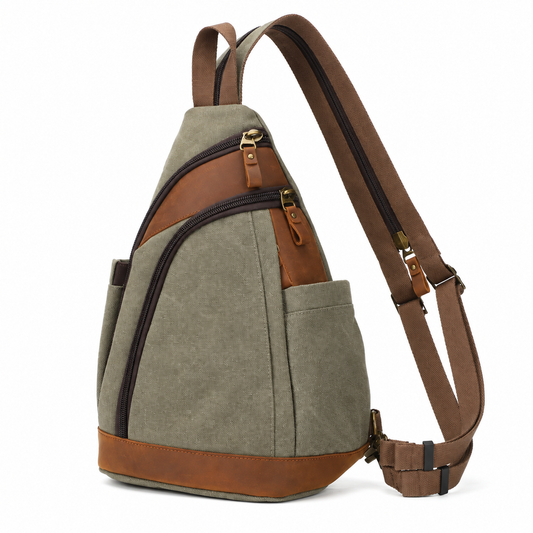
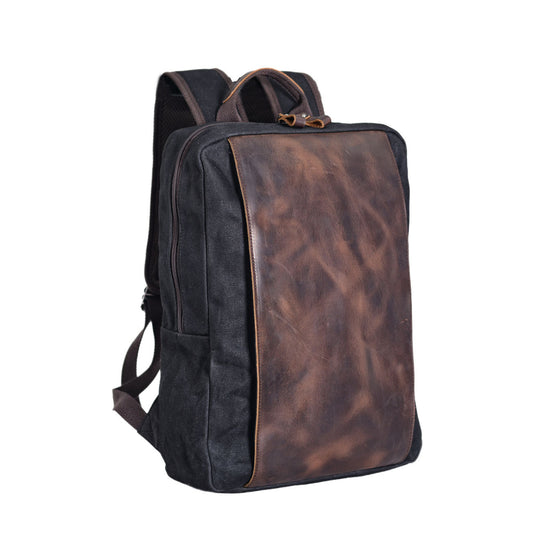
Yes — hybrid designs are increasingly popular in 2026. They combine canvas bodies for weight savings and weather resistance with leather accents for style and reinforcement at stress points. These bags offer a compelling middle ground for photographers who can't decide between the two materials.
What size camera bag do I need for travel photography?
For most travel photographers, a bag that fits a mirrorless body or DSLR, 2–3 lenses, a laptop, and accessories is ideal. This typically translates to a 20–30L capacity. Always check airline carry-on dimensions — most international carriers allow bags up to 55 x 35 x 20 cm, while budget European airlines may restrict to 40 x 20 x 25 cm.
Final Thoughts: Camera Bags for Travel Photographers in 2026
The canvas versus leather debate for camera bags doesn't have a universal winner — it has a personal one. Your choice depends on where you travel, what you shoot, how you move, and what you value. Canvas wins on weight, weather resistance, and discretion. Leather wins on protection, longevity, style versatility, and character. Both materials have evolved significantly in 2026, with waxed canvas offering better water resistance than ever and modern leather bags shedding weight without sacrificing protection.
The best camera bag for travel photographers is the one you actually want to carry every day. Whether that's a rugged waxed canvas companion for your next monsoon-season adventure or a patina-developing leather bag for your European assignments, invest in quality — your gear deserves it, and so do you.