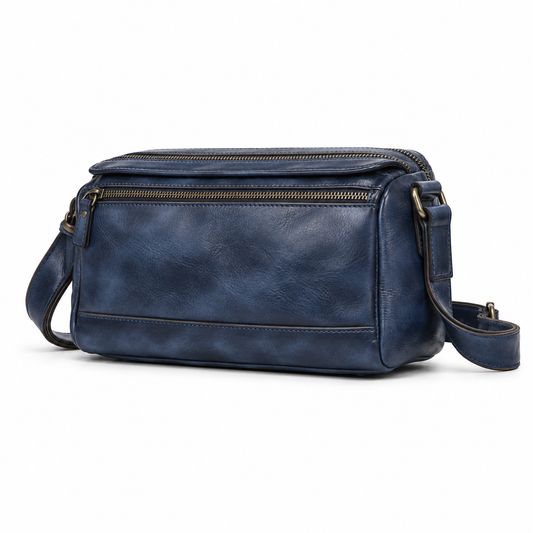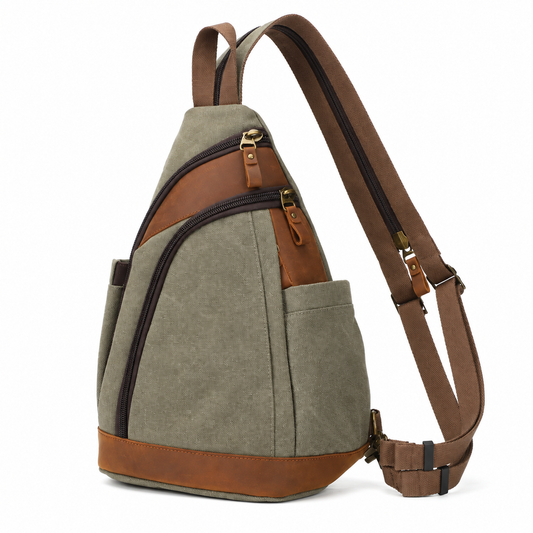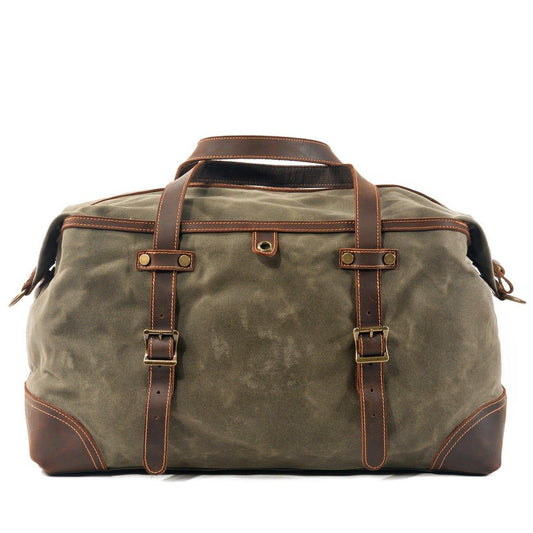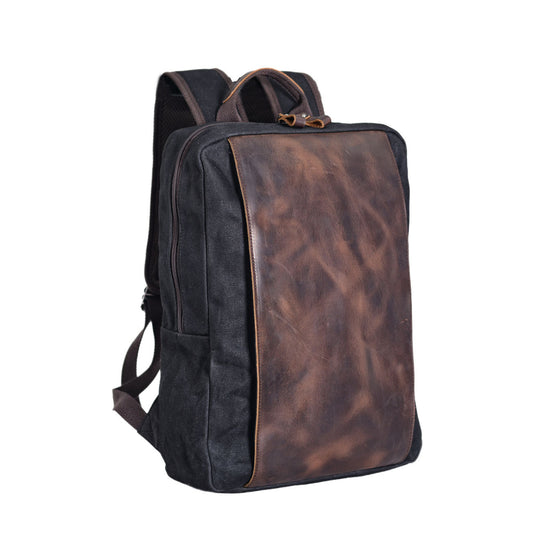


Camera Bag Security: Protect Your Gear in Every Region in 2026

If you carry a camera, you already know the anxiety: one glance away at a café, one crowded metro platform, one sudden summer downpour, and your whole investment is gone. In 2026, camera bag security is about more than padding and a zipper. It is a layered system that protects against theft, weather and hard drops in equal measure. This guide breaks down how to choose a secure camera bag, how to layer your protection for travel across Europe, Asia and the Americas, and how to keep your gear safe without sacrificing how quickly you can shoot.
Why Camera Bag Security Needs a Fresh Look in 2026
The way we travel with cameras has changed. Photo gear is lighter, lenses are sharper, and more people than ever shoot on mirrorless bodies alongside smartphones. But theft tactics have changed too. In busy tourist districts from Barcelona to Bangkok, pickpockets and snatch-and-grab crews work fast. A bag that is merely padded is not enough. What you need is a bag that resists quick access, hides what is inside, and survives the practical realities of travel: rain, crowds, and overhead bins.
The Three Threats Every Camera Bag Faces
- Theft — grab-and-run snatches, zipper access while you are distracted, and staged distractions in crowded transit.
- Weather — rain, humidity and sand that reach your sensor, lens and electronics faster than you expect.
- Impact — drops, seatbelts, and the hard floor of an airport shuttle that can knock a lens mount out of alignment.
A secure camera bag addresses all three. Anything less leaves a weak link in your kit.
How Thieves Actually Operate
Understanding the methods behind camera theft helps you defeat them. The most common is the zipper slide: a thief brushes past and opens your main compartment while you are distracted, slipping out a lens or body in a single motion. Another is the staged distraction, where a partner bumps into you or drops something in front of you while the second person reaches for the bag. The third is the snatch-and-run, where a thief on foot or a motorbike grabs the strap and pulls before you can react. Every security feature in this guide is designed to disrupt at least one of these three methods.

What Makes a Camera Bag Truly Secure
Security is a combination of design, hardware and habit. Before you buy, inspect the bag against the checklist below.
Lockable, Hard-to-Reach Closures
Zippers are the most common entry point for thieves. Look for a bag where the main compartment sits against your back rather than facing outward, and where the zipper pull can be locked with a small padlock or a TSA-compatible lock. Some designs route two zipper pulls so they can be cinched together. This simple habit stops the most common "zipper slide" theft because a thief cannot open the bag without turning it around or making obvious motion.
Concealed Pockets for Documents and Cards
Keep your passport, boarding pass and backup cards in a hidden pocket that touches your body, not the outside of the bag. In a camera bag, this matters even more because you are busy handling gear. A RFID-blocking liner is a sensible extra, especially in European rail stations and North American airports where contactless scanning is everywhere.
Cut-Resistant Straps and Anti-Slash Fabric
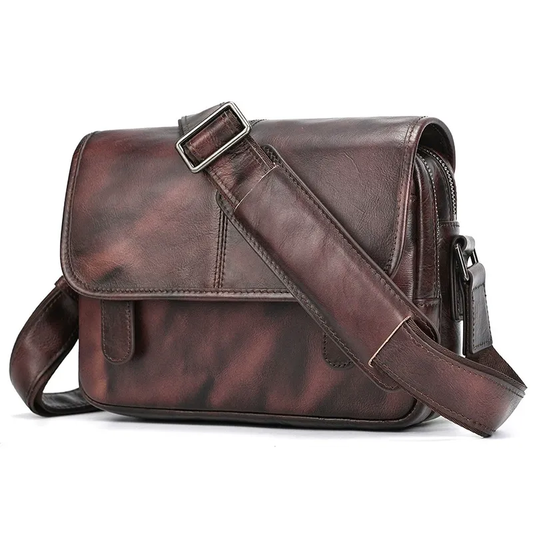
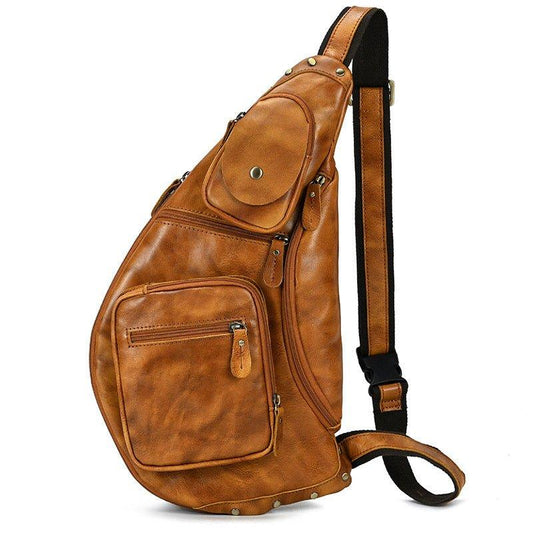
Snatch thieves use razor blades to cut a shoulder strap and run. Bags built for security use a metal or Kevlar-reinforced strap core that resists a quick cut. In higher-risk cities, a sling or messenger strap worn across your chest is far safer than a single shoulder strap, because it is harder to pull off your body.
Durable Water Resistance
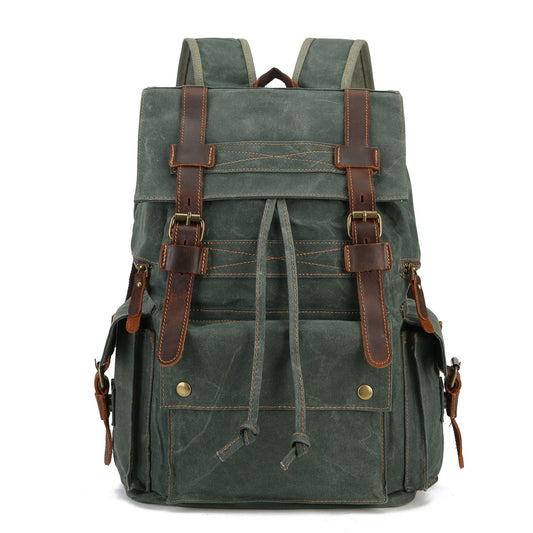
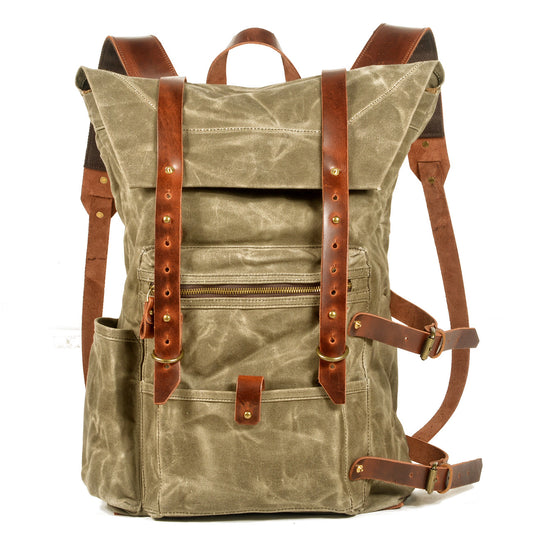
Waxed canvas is a favorite for camera bags precisely because it sheds water and wears beautifully over time. A fabric with a high hydrostatic rating, or a removable rain cover, keeps a downpour from reaching your gear. Look for a DWR coating that you can reapply, and always keep silica gel packs in your kit for humid climates in Southeast Asia or the Caribbean.
| Feature | Why It Matters | What to Look For |
|---|---|---|
| Lockable zippers | Stops zipper-slide theft | Two pulls you can cinch or lock |
| Back-mounted main compartment | Keeps gear out of reach | Access from the back panel |
| Cut-resistant strap | Resists slash-and-run | Metal or Kevlar core |
| Rain resistance | Protects sensor and electronics | Waxed canvas or DWR + rain cover |
| RFID pocket | Protects cards and passport | Hidden body-side pocket |
Camera Backpack vs Sling: Which Secures Gear Better
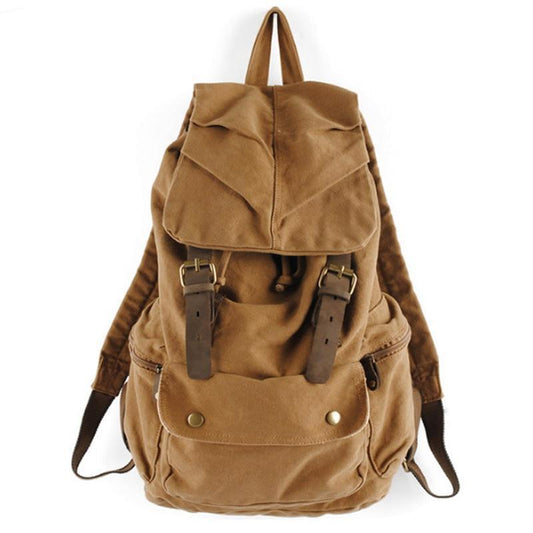
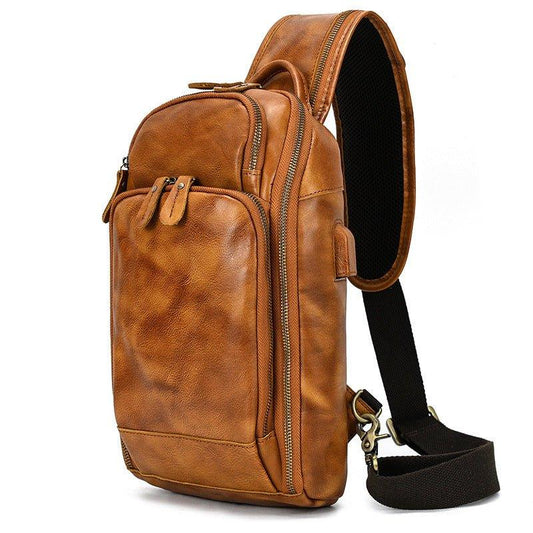
Your shooting style should decide the form factor. A camera backpack spreads the weight across both shoulders and protects gear with a hard shell, which makes it the better choice for hiking, multi-hour walking tours and long days with a full kit. A camera sling gives faster access and stays under your arm, which suits street photography and short city sprints.
When to Choose a Camera Backpack
- You carry a full-frame body and two or more lenses.
- You hike or move between locations on foot for hours.
- You want maximum padding and a dedicated laptop sleeve.
- You travel by rail or air and need both hands free.
When to Choose a Camera Sling
- You shoot street, reportage or candid moments where speed matters.
- You carry a single body with one or two compact lenses.
- You want gear to swing to the front for quick access.
- You prefer a smaller footprint in crowded transit.
Building a Camera Kit That Fits Your Bag
Security is also about how your gear is arranged inside the bag. A camera bag with moveable padded dividers lets you build a custom layout. Here is a practical arrangement that balances protection, access and comfort.
The Body and Fast Lens
Place the camera body with the fast prime lens attached in the deepest, most padded section. Attaching the lens before storage reduces the number of times you expose the sensor to dust and moisture, and keeps the body ready to shoot the moment you open the bag.
The Zoom and Second Lens
Keep longer or heavier lenses upright in their own padded cells so they never knock against each other. A lens hood stored in reverse saves space and adds a little protection. If you carry a telephoto, position it in the compartment closest to your back so its weight sits against your body rather than pulling the bag outward.
The Accessories Layer
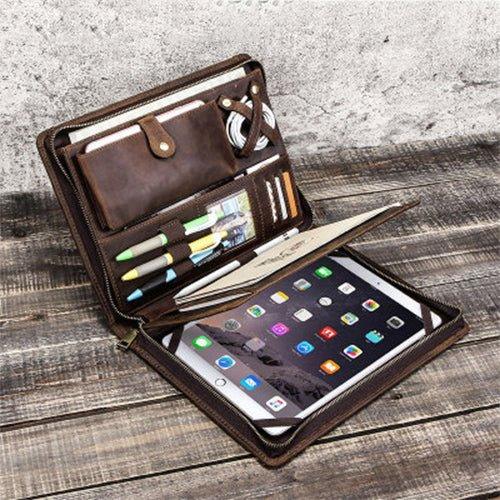
Memory cards, batteries, filters, a rocket blower and a small cloth belong in a flat organizer pocket, never loose. Loose cards and batteries shift, get scratched, and are exactly what falls out when you open the bag in a hurry. A dedicated accessory panel keeps them still and findable.
Regional Security Tips for Travel Photographers
A camera bag that works in one region may need different handling in another. Here is how to adapt.
Europe: Transit and Tourist Zones
European cities are dense, and their metro systems are a prime hunting ground. On the Paris Metro or London Underground, keep your bag on your front and hold the strap. In Barcelona and Rome, staged distractions — a spill, a map dropped in front of you — are common. Keep your camera in your hand or in the back-mounted compartment during these moments, and avoid setting the bag down on café tables or café floors where it can be lifted.
Asia: Crowds and Humidity
In Bangkok, Tokyo, Hanoi and Mumbai, crowds are constant and humidity is high. Sweat and rain are as much a threat as theft. Choose breathable shoulder straps, keep silica gel in your kit, and store memory cards in a small waterproof pouch. On motorbike taxis common in Vietnam and Thailand, a sling worn across the body is safer than a backpack that can slip.
The Americas: Pickpocketing and Rental Cars
From Mexico City to Buenos Aires, keep gear out of sight. Never leave a camera bag visible in a parked rental car — even a locked trunk is safer than a back seat. In U.S. national parks, the greater risk is weather and impact rather than theft, so prioritize a rain cover and padded base.

Camera Bag Materials and Long-Term Protection
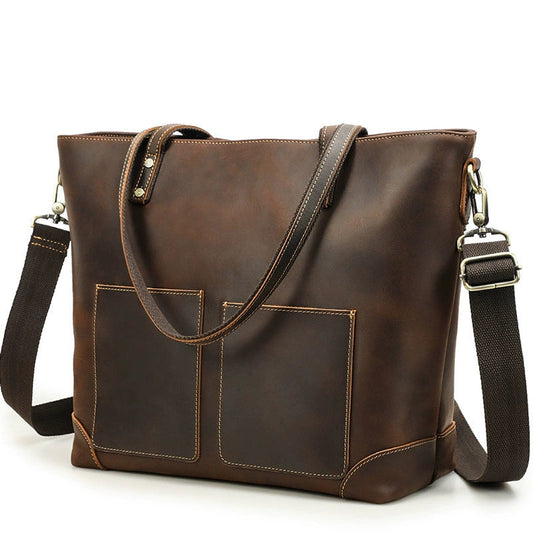
The material of your camera bag affects both how it protects gear and how long it lasts. Waxed canvas is a standout because it combines natural water resistance with exceptional durability and a handsome patina that improves with age. Cordura nylon is lighter and often coated for weather, but it can feel less premium and shows wear differently. Real leather adds a professional look and ages gracefully, but it is heavier and requires occasional conditioning to stay supple and water-repellent.
Whichever you choose, check the bag's stitching and hardware. Reinforced stress points at the strap anchors, YKK-style zippers, and a padded base all extend the life of the bag and protect your investment inside it. A bag that fails at a strap seam is not just an annoyance; it is a risk to the gear it carries.
How to Test a Camera Bag Before You Buy
You cannot judge security from photos alone. Try these quick checks in person or from a brand with a clear return policy:
- Zip the main compartment and try to reach it while the bag is on your back. It should be awkward.
- Check the base padding. Dropping a bag with a 70-200mm lens is the fastest way to discover weak padding.
- Confirm the main zipper pulls can be locked together.
- Test the strap under weight. A thin strap digging into your shoulder makes you sloppy, and a sloppy carrier is an easier target.
Maintenance: Keep Your Camera Bag Secure and Reliable
Security features are only useful when they work. A locked zipper that jams, a rain cover that leaks, or a strap core that has stretched all create weak points. Care for your camera bag the way you care for your camera. Re-wax waxed canvas once or twice a year to renew its water resistance. Check zippers and stitching before every major trip. Keep the lock mechanism clean and lubricated. And replace a bag as soon as a strap shows signs of wear — the cost of a new bag is far lower than the cost of a dropped body and lens.
Frequently Asked Questions
Can I use a normal backpack for camera gear?
You can, but a dedicated camera bag adds padded dividers, a back-mounted compartment and lockable zippers that a standard backpack lacks. For expensive gear, the added protection is worth it.
Are camera slings secure enough for travel?
Yes, when worn across the body and kept in front in crowds. Choose one with a lockable main zipper and a body-side document pocket for the best combination of speed and security.
Do I need a TSA lock on my camera bag?
For the main compartment, a small padlock deters opportunistic theft. A TSA-compatible lock lets agents open it without cutting it during U.S. security checks.
Is waxed canvas good for camera bags?
Waxed canvas sheds water, resists abrasion and ages beautifully, making it an excellent choice for travel camera bags. Pair it with a removable rain cover for heavy downpours.
How should I store memory cards when travelling?
Keep them in a flat, labeled organizer or a small waterproof pouch. Never leave cards loose in the main compartment, where they can be lost, scratched or exposed to moisture.
What is the safest way to carry a camera in a crowded market?
Keep the camera in your hand with the strap around your wrist or neck, or store it in the back-mounted compartment of your bag. Never let it dangle freely, where it is easy to snatch.
Conclusion
Your camera is a tool for capturing moments, not a source of constant worry. By choosing a secure camera bag with lockable closures, cut-resistant straps and solid weather resistance, and by layering smart habits across every region you visit, you protect your gear without slowing your shooting. Arrange your kit with padded dividers, maintain the bag's water resistance, and adapt your carry style to each destination. Browse our camera bags and cases and complementary sling bags to build a kit you can trust anywhere in 2026.
Security Across Travel Modes: Air, Rail and Car
The way you move affects how you should secure your camera bag. On flights, keep the bag under the seat in front of you rather than in the overhead bin, where it is out of sight and reach. When you are asked to place it overhead, orient the back panel toward the cabin wall so the zippers face the wall and are hard to access. On trains, loop the strap around your leg or the seat frame while you sleep or work. In rental cars, never leave the bag visible; stow it in the trunk before you arrive at your destination, never after, so no one watches you hide it.
Photo-Taking Protocol in Public
How you handle the camera itself is part of security. When you take the camera out, hold it with the strap around your wrist or neck at all times. When you put it down to adjust a setting or change a lens, put it straight back into the bag rather than on a table or bench. Keep spare lenses and memory cards in the bag, not in your pockets where they can fall out. This discipline keeps your gear with you in every situation and removes the opportunities a thief relies on.
Securing a Camera Bag on a Budget
You do not need to spend a fortune to secure your gear. Several low-cost upgrades close the gaps on an existing bag. A small padlock or a pair of lockable zipper clips deters the most common zipper-slide theft. A simple carabiner joining the two zipper pulls prevents them from being opened one-handed. A rain cover, many of which cost a few dollars, converts a lightly water-resistant bag into one that survives a downpour. And an RFID-blocking card sleeve protects your payment cards and passport from scanning. These small additions meaningfully raise your level of camera bag security without replacing your whole bag.
Insurance and Backup: The Final Layer
Even the best bag cannot guarantee that nothing bad ever happens, so the final layer of security is financial and digital. Consider a travel insurance policy that covers camera gear against theft and accidental damage, and keep your receipts and serial numbers in a note on your phone or in the cloud. Back up your memory cards to a portable drive or cloud service at the end of each day, so that even if a card is lost or a camera stolen, your images survive. This combination of physical, financial and digital protection means that no single failure costs you everything.