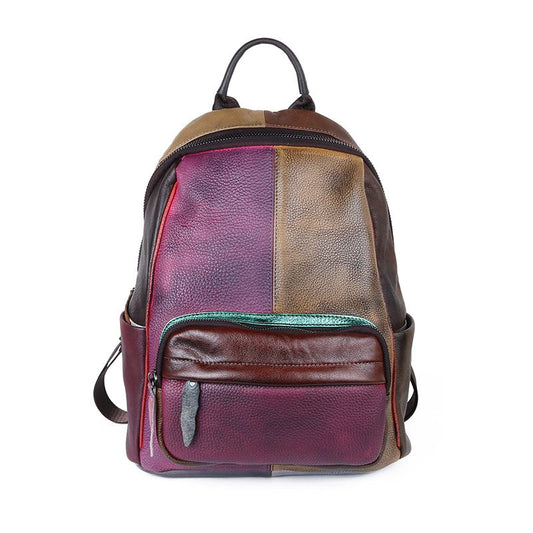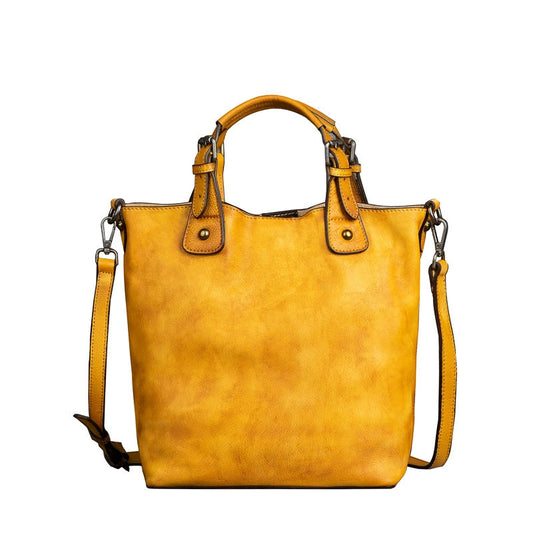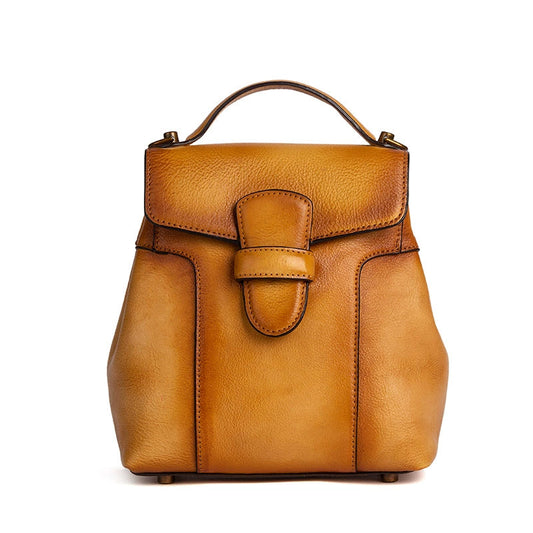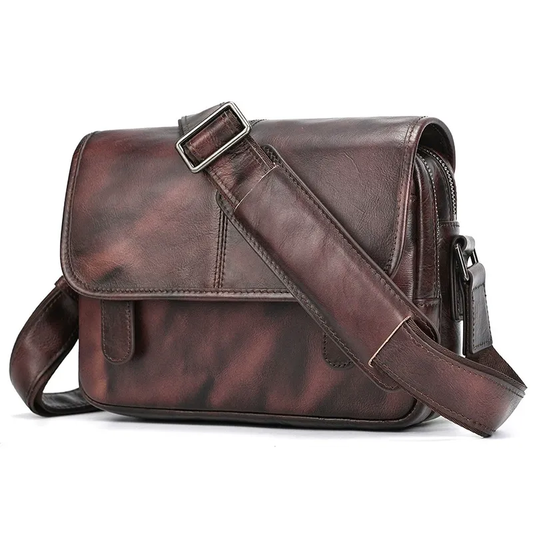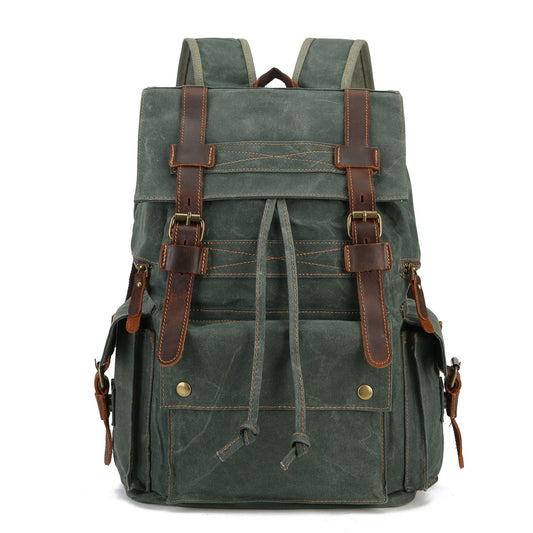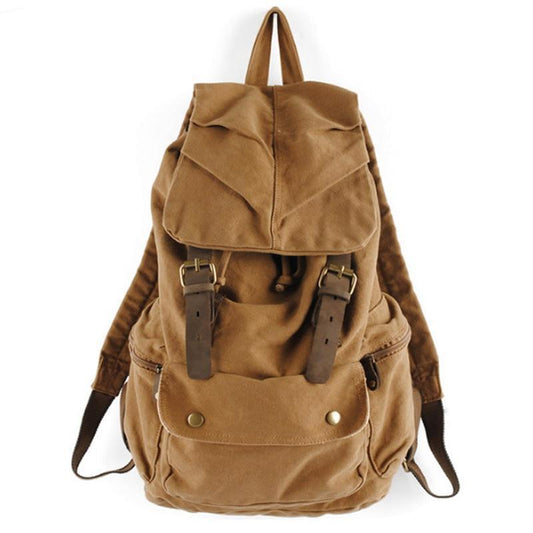

Backpack Duffle Hybrids: The Most Versatile Travel Bag of 2026

Backpack duffle hybrids combine the open volume of a duffle with the hands-free carry of a backpack. That makes them useful for weekend travel, gym routines, vehicle-to-hotel transfers, and trips where the load changes during the day. The hybrid is not automatically more versatile than every other bag; its value depends on how well the conversion, access, and weight control work together.
This guide explains what to compare before choosing a backpack duffle hybrid, including capacity, harness, handles, organization, weather planning, and route comfort. Check the live Woosir collection for current construction and variant details.
Understand the hybrid format
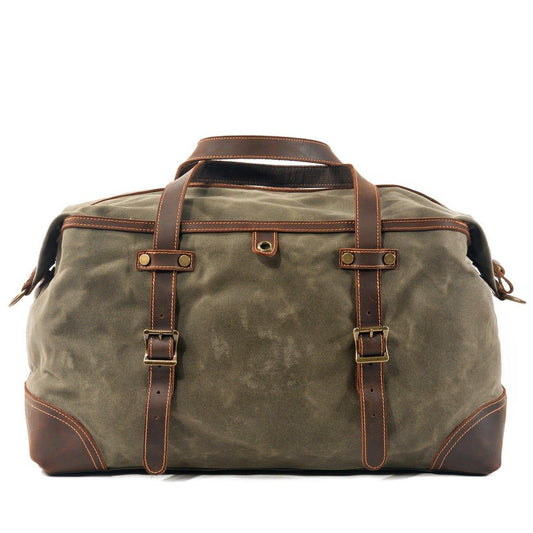
A hybrid usually has a wide main opening and handles for duffle-style lifting, plus shoulder straps for hands-free travel. The open cavity accepts clothing and shoes easily, while the backpack mode helps on stairs or long station walks. The trade-off is that the wide body can pull backward if the load is not packed close to the back.

Capacity and packing control
Choose capacity from the bulky items that cannot be compressed. Use pouches for cables, toiletries, and documents, then place dense objects near the center and close to the back panel. Compression straps are valuable when the hybrid is not full because they prevent the load from collapsing and shifting.

Test the harness and handles
Shoulder straps should adjust smoothly, stay comfortable over clothing, and attach to reinforced points. Handles should feel secure when the bag is full and should not twist the body. If the straps can be tucked away, check whether the storage system is quick to use and does not create a hard object against the back.

Access, security, and weather
A wide opening is fast to load but may expose contents when the bag is open. Keep valuables in a secure pouch and use a sleeve for electronics. Water-resistant fabric or a cover helps in rain, but inner liners remain important for documents and devices.
When a hybrid is the right choice
- Choose it when the load is bulky but the route includes stairs or long walks.
- Choose it when you regularly switch between hand and shoulder carry.
- Choose it when flexible volume matters more than many small compartments.
- Choose a traditional backpack when device organization and balanced carry dominate the trip.
The most versatile backpack duffle is the one whose conversion is comfortable and whose large interior remains organized. Pack by weight, test every carry mode with the real load, and choose capacity around the journey rather than the marketing label.
Test every carry mode before buying
A hybrid bag earns its place when switching modes is quick and comfortable. Practice lifting it by the handles, putting on the shoulder straps, and stowing or releasing those straps while standing. If the conversion requires unpacking the bag or creates loose webbing that catches on doors, the advertised versatility may be less useful in daily travel.
Pack by the mode that will be used for the longest part of the route. Dense items should stay close to the back when worn as a backpack, while fragile items should be protected from the hard edges of shoes or chargers. Use compression straps to control unused space, but do not cinch them so tightly that the zipper or seams carry unnecessary tension.
Organization is the main trade-off of the open duffle format. Pouches provide flexible separation, but they add weight and can make small items harder to see if every pouch is identical. Assign simple roles—clothing, cables, toiletries, documents—and keep the most time-sensitive items near the main opening or in a secure external pocket.
Finally, consider where the hybrid will be stored between trips. A coated or waxed surface still benefits from a dry, ventilated space, and leather details should be kept away from damp conditions. Empty the bag, loosen compression, inspect the straps, and let the interior air before folding or shelving it.
Use the hybrid for the routes it solves
A backpack duffle is particularly useful when a trip alternates between vehicle travel and walking. Carry it by the handles for a short transfer, switch to the backpack harness for stairs, and use the main opening when loading clothing at a hotel. If most of the journey is a long hike with a stable technical load, a dedicated hiking backpack may still be a better fit.
Make the conversion part of the packing test. Load the bag, adjust every strap, and walk through the actions required at a station or airport. The bag should remain balanced in both modes, and the unused handles or webbing should not snag. This real-world test turns the word versatile into a measurable benefit.
Before buying a backpack duffle hybrid, confirm the live dimensions and inspect how the straps attach and store. Then test the bag with the load you expect to carry. A conversion that remains balanced, accessible, and comfortable is a meaningful advantage; a conversion that is awkward or rarely used should not be the reason to accept extra bulk.
Versatility comes from a useful conversion and controlled packing, not from carrying every possible accessory on every trip.
Related Woosir resources
Use these related collection and product pages to compare current materials, sizes, care details, and available variants before making a final decision.