
Backpack Duffle Hybrid Packing Guide: How to Load a Convertible Bag for One-Bag Travel in 2026

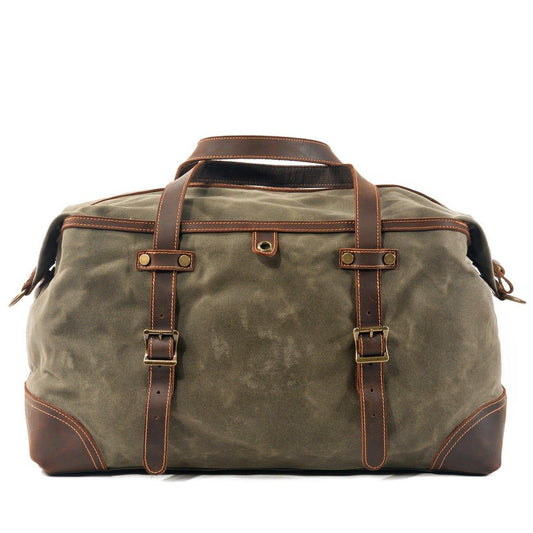
A convertible backpack duffle becomes easier to carry when the packing order supports both modes. Dense items, shoes, clothing, technology, and documents should have deliberate zones so the bag stays balanced on the back, stable by the handles, and easy to close during a one-bag trip.
This 2026 packing guide focuses on loading sequence, conversion comfort, access, and protection. Confirm the current bag dimensions and carry system on the live Woosir product page before planning a trip.
List the one-bag essentials
Begin with the route and number of days, then list only what cannot be replaced easily. Clothing, one pair of shoes, toiletries, charger, documents, medication, and a weather layer are common categories. Separate bulky items from dense items before placing anything in the bag.
Choose a target load rather than packing until the zipper stops. A hybrid becomes less comfortable when every available inch is used. Leave a little room for souvenirs, compression changes, and the need to repack quickly at an airport.
Place dense items at the center
Put shoes, chargers, toiletry pouches, and other dense objects low and near the central back panel. This keeps the weight close to the body when the bag is worn and reduces the chance that a hard object will press against the laptop or documents.
Balance the left and right sides, then fill gaps with soft clothing. Avoid placing all heavy items in an end pocket or directly behind the front panel. A stable center of gravity matters more than a perfectly symmetrical photograph.
Use cubes and pouches by category
A clothing cube controls soft volume and makes the main cavity easier to search. A shoe bag, toiletry pouch, and power pouch prevent dirt, liquids, and cables from mixing with clothing. The number of organizers should remain reasonable because each one adds weight and consumes space.
Keep the same zones in backpack and duffle mode. If a pouch moves every time the bag changes carry style, the system will be difficult to maintain. Consistent zones also make hotel unpacking and departure checks faster.
Protect technology and documents
Place a laptop or tablet in the protected sleeve close to the back, separated from shoes, bottles, and metal hardware. Documents and medication should be in an inner pocket that remains dry and reachable. Use an additional sleeve when the main divider is thin.
Do not rely on the bag's outer fabric alone in rain or on a wet floor. Keep sensitive items in inner protection and close every zipper before moving. The best one-bag system preserves access without exposing the things that cannot be replaced.
Pack for conversion
Before closing, put the softest layer near the top and keep the handles clear. Check that shoulder straps can be stored without creating a hard lump against the back. Loose webbing should be secured so it does not catch on seats, doors, or luggage belts.
Practice lifting from a floor, walking, sitting, and switching from hand carry to backpack mode. If the conversion requires unpacking or a special arrangement, change the layout before the trip. Convenience is part of the hybrid's value.
Access during travel
Keep passport, phone, water, medication, and a light layer within predictable reach. Avoid opening the entire main cavity in a crowded queue. A small top or front pocket can handle transit items, while the device and clothing zones remain closed.
At the gate or hotel, use the same reset order: documents secure, electronics protected, liquids upright, shoes separated, and straps stored. A simple routine prevents the bag from becoming a pile after the first transfer.
One-bag packing checklist
- Set a target load before filling the available volume.
- Place dense items centrally and close to the back panel.
- Use light pouches for clothing, shoes, toiletries, and power.
- Protect devices and documents from hard or wet objects.
- Test the packed conversion and reset the bag at every transfer.


A useful loading sequence should be repeatable when the traveler is tired. Place the device and documents in protected zones first, then add the dense objects that determine balance. Fill the remaining space with clothing, keep the first layer near the top, and close the bag before it reaches maximum expansion. Lift it by the handles, put it on as a backpack, sit down, and check whether any hard object presses into the back or laptop. If the bag changes mode, move only the straps; do not rebuild the entire interior. At the hotel, remove the pouch needed for the night and leave the rest of the zones intact. On departure, a quick count of the pouches, device, documents, and bottle is more reliable than searching each pocket from scratch. Controlled packing turns a convertible bag into a practical one-bag system.
A short test trip is useful before a longer one. Pack the planned load, walk through the transfers, and note where the bag needs better access or less weight. Adjust the zones while the change is easy, then repeat the same sequence on departure day.
Related Woosir resources
Use these related Woosir pages to compare current materials, dimensions, care details, and available variants before making a final decision.