

A Complete Paris Travel Guide 2026: Landmarks, Neighborhoods, and Insider Tips

Paris is the world's most visited city — and for good reason. This Paris travel guide goes beyond the postcard clichés to deliver practical, up-to-date advice for 2026: which landmarks deserve your time, which neighborhoods reveal the real Paris, how to eat well without overspending, and what to pack for a city that takes style seriously.
Whether you're a first-time visitor checking off the Eiffel Tower and the Louvre, or a returning traveler seeking the Paris beyond the guidebooks, this guide has you covered.
When to Visit Paris in 2026
Paris has something to offer in every season, but timing affects everything from prices to crowd levels. This Paris travel guide recommends:
Spring (April–June): Paris at its most romantic. Cherry blossoms in April, café terraces reopening, temperatures of 15–22°C. May has the most public holidays — check dates as some attractions close. June offers long daylight hours (sunset after 10 PM).
Summer (July–August): Peak tourism season. The Parisians leave for their own vacations, and the city fills with international visitors. The Paris Plages (artificial beaches along the Seine) and outdoor cinema at Parc de la Villette are summer highlights. Expect queues at major attractions and higher accommodation prices. Bastille Day (July 14) features a military parade and spectacular fireworks.
Autumn (September–October): An excellent time to visit. The cultural season kicks off, the summer crowds thin, and autumn light makes the city glow. September's Journées du Patrimoine (Heritage Days) opens normally closed buildings to the public for free.
Winter (November–March): Lowest prices and shortest queues. Christmas markets and festive window displays along Boulevard Haussmann. January sales (soldes d'hiver) draw serious shoppers. Dress warmly — damp cold penetrates more than you'd expect.
Paris Landmarks: The Essentials
The Eiffel Tower
It's a cliché for a reason — the Eiffel Tower is genuinely breathtaking, especially when it sparkles at night (on the hour for 5 minutes after sunset). Book tickets online 2–3 months in advance, especially for summit access. The second floor offers the best photo ratio (you can see Paris AND the tower structure). For a different perspective, view the tower from Trocadéro at sunrise or from Rue de l'Université for the classic cobblestone-framed shot.
The Louvre
The world's largest art museum demands strategy. With 35,000 artworks spread across 15 acres of gallery space, you cannot see everything in one visit — or even ten. Focus on what matters to you: the Mona Lisa (arrive at opening and go directly there), the Winged Victory, the Venus de Milo, and the French Romantic paintings. Buy tickets online for the Carrousel du Louvre entrance (underground mall) rather than the Pyramid — shorter queues.
Pro tip: The Louvre is free on the first Friday of each month after 6 PM (October–March) and on Bastille Day. The museum is closed on Tuesdays.
Montmartre and Sacré-Cœur
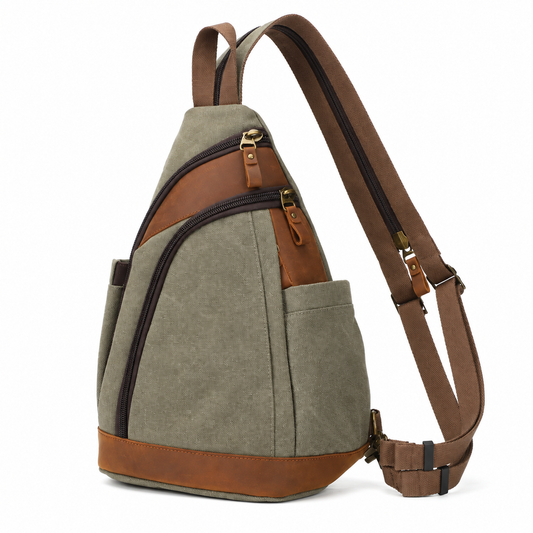
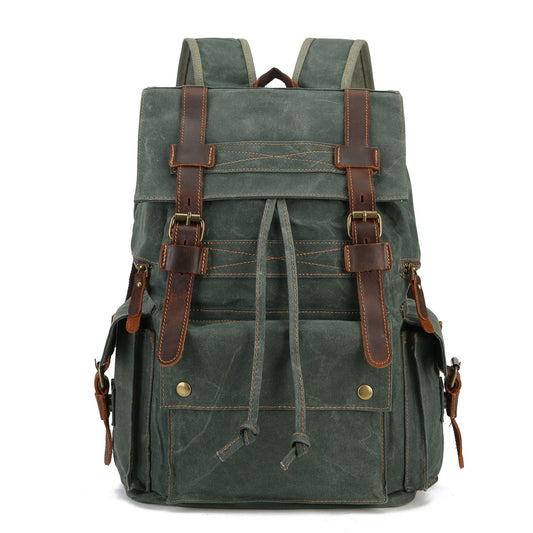
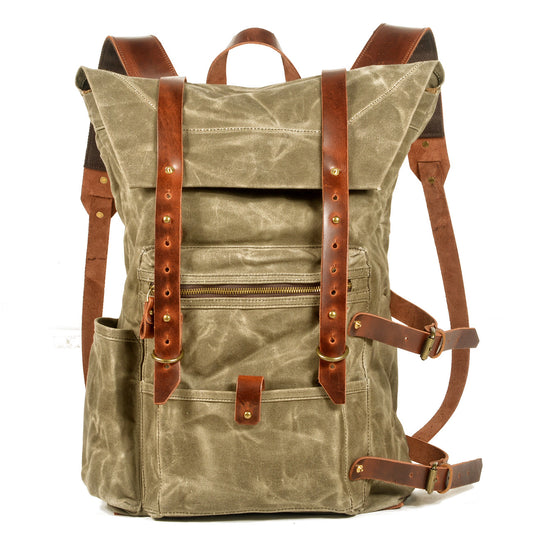
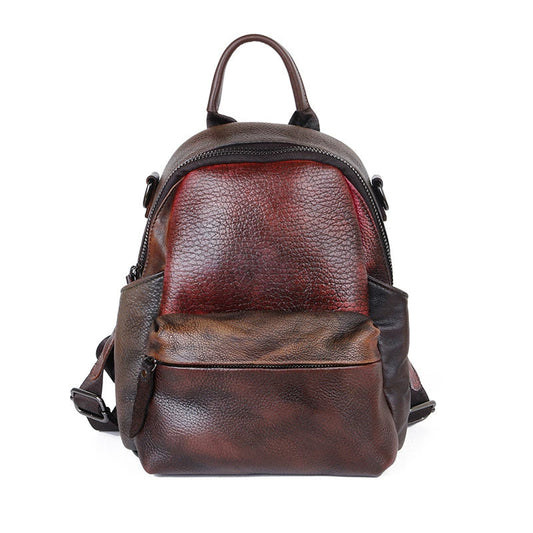
Montmartre retains its village character despite the tourist crowds. Climb to Sacré-Cœur for panoramic views (the dome climb adds even more), then explore the back streets away from Place du Tertre — Rue des Abbesses, Rue Lepic, and the vineyard of Clos Montmartre reveal a more authentic side. A waxed canvas daypack is perfect for exploring Paris on foot.
Paris Neighborhoods Worth Exploring

| Arrondissement | Character | Don't Miss |
|---|---|---|
| Le Marais (3rd/4th) | Trendy, historic, LGBTQ+-friendly | Place des Vosges, falafel on Rue des Rosiers, boutique shopping |
| Saint-Germain-des-Prés (6th) | Literary, intellectual, chic | Café de Flore, Luxembourg Gardens, art galleries |
| Montmartre (18th) | Artistic, village-like, hilly | Sacré-Cœur, Musée de Montmartre, Rue des Martyrs food shops |
| Canal Saint-Martin (10th) | Hip, youthful, relaxed | Picnics by the canal, independent boutiques, natural wine bars |
| Belleville (20th) | Multicultural, authentic, gritty | Street art, Parc de Belleville views, Chinese and North African food |
Eating and Drinking in Paris
Parisian dining spans from Michelin-starred temples to neighborhood bistros. For travelers on a realistic budget, here's how to eat well:
- Boulangeries: Your best friend in Paris. A fresh baguette, croissant, or quiche costs 1–5 EUR. Look for "Artisan Boulanger" signs — they make everything on-site
- Marchés: Outdoor food markets (Marché Bastille on Thursdays/Sundays, Marché d'Aligre daily except Monday) offer incredible cheese, charcuterie, produce, and prepared foods for picnic supplies
- Formule déjeuner: The lunch prix-fixe (2–3 courses for 18–35 EUR) is the best value for restaurant dining. Even Michelin-starred restaurants offer affordable lunch menus
- Wine: House wine (vin de la maison) at a bistro is usually excellent value. At wine bars, ask for "un petit rouge" or "un petit blanc" — a small glass of red or white
Getting Around Paris
Paris has one of the world's densest metro systems — you're never more than 500 meters from a station. The metro (lines 1–14) and RER (suburban express lines) connect the entire city. A single ticket costs 2.15 EUR; a carnet of 10 tickets is 17.35 EUR. The Navigo Easy pass (2 EUR) can be loaded with tickets and is more convenient than paper tickets.
But Paris is also a magnificent walking city. Many of the most memorable experiences happen between metro stops — discovering a hidden courtyard, a perfect bakery, or a street musician under a bridge.
Frequently Asked Questions
Do I need to speak French in Paris?
In tourist areas, English is widely spoken. However, making an effort goes a long way. Always begin interactions with "Bonjour" (or "Bonsoir" after 6 PM). Learn "s'il vous plaît" (please), "merci" (thank you), and "au revoir" (goodbye). The French appreciate the attempt, even if your accent is terrible.
Is Paris safe?
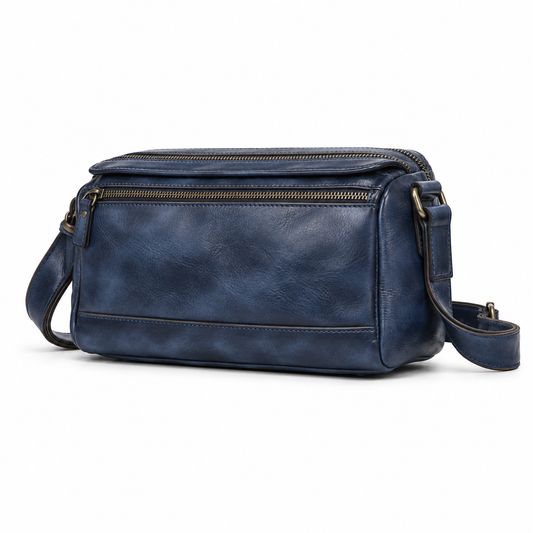
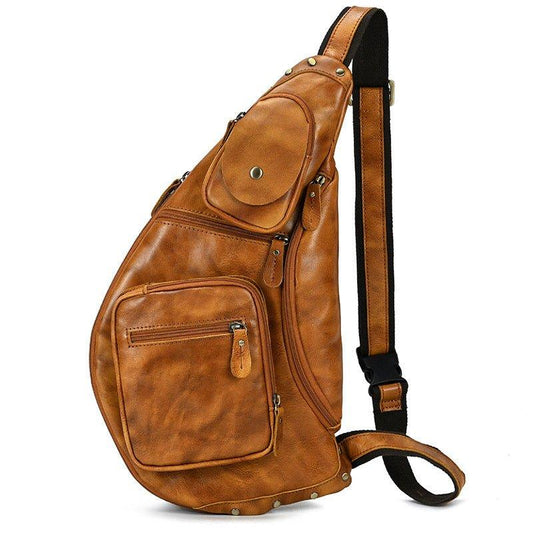
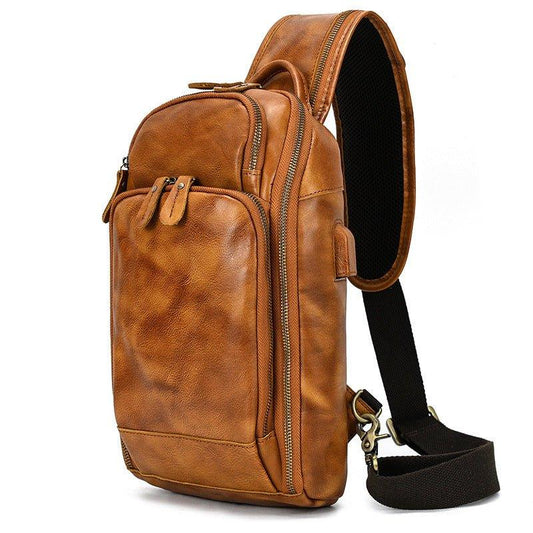
Paris is generally safe, with standard big-city precautions applying. Pickpocketing is the main concern, especially around the Eiffel Tower, Sacré-Cœur, and on metro line 1. Keep valuables in a zipped, cross-body bag. Be aware of common scams: the "gold ring" scam, petition signers who distract while accomplices pick pockets, and unofficial taxi drivers at airports.
How many days do I need in Paris?
Four full days is the sweet spot — enough for the major landmarks plus neighborhood exploration and leisurely meals. Three days covers the essentials at a brisk pace. A week allows day trips (Versailles, Giverny, Champagne region).
What's the tipping culture?
Service is included in French restaurant prices (service compris). Tipping is not expected but appreciated for exceptional service — rounding up the bill or leaving 5–10% is generous. In cafés, leaving the small change from your coffee is common.
Conclusion: Paris Is Always a Good Idea
This Paris travel guide provides the practical framework, but Paris provides the magic. The city has an almost supernatural ability to exceed expectations — the way morning light hits the Seine, the taste of a perfect croissant from a neighborhood boulangerie, the sudden view of the Eiffel Tower appearing between buildings. Pack light, walk everywhere, and let Paris work its ancient, elegant charm. As Audrey Hepburn said: Paris is always a good idea.