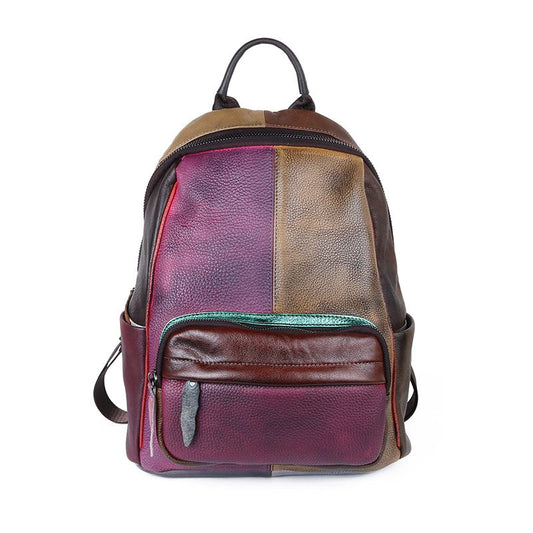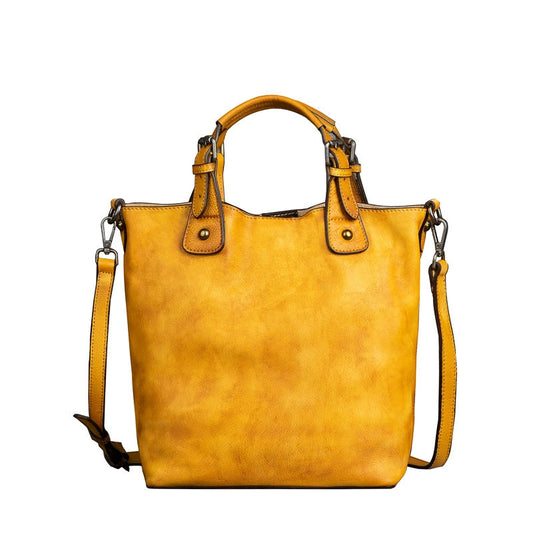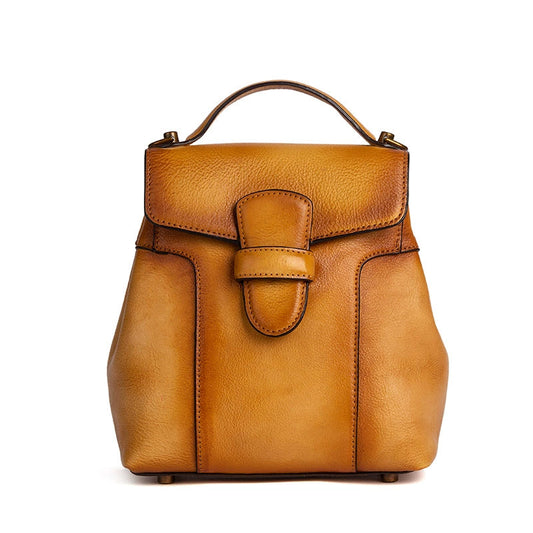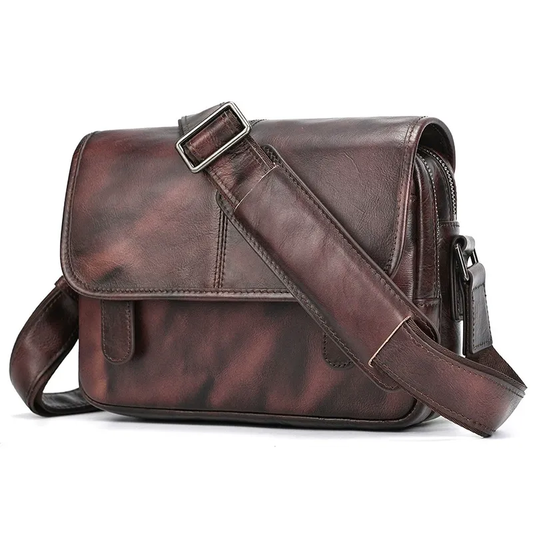

Sacs en toile résistants à l'eau ou imperméables : que signifient réellement les indices en 2026

Si vous avez déjà sorti un carnet trempé d'un sac dont l'étiquette promettait qu'il était résistant aux intempéries, vous connaissez déjà la frustration. Les mots utilisés pour vendre les sacs — déperlant, résistant aux intempéries, imperméable — sont employés à tort et à travers, et presque aucun d'entre eux n'est légalement défini pour les bagages. Ce guide décrypte la signification réelle de ces affirmations afin que vous puissiez juger les sacs en toile imperméables sur des preuves plutôt que sur un argumentaire marketing. Nous aborderons les traitements des tissus, les évaluations qui comptent, les trois points de défaillance qui mouillent la plupart des sacs, et comment le climat en Europe, en Asie et dans les Amériques devrait influencer votre choix.
À la fin, vous serez capable de regarder n'importe quel sac en toile — une sacoche, un sac de voyage, un sac à dos — et de prédire comment il se comportera sous une averse, dans une flaque de neige fondue, ou lors d'un après-midi de mousson humide.
Résistant à l'eau vs Imperméable : la distinction qui coûte de l'argent aux gens
La chose la plus utile à comprendre est que la résistance et l'imperméabilité se situent sur un spectre, et non dans deux catégories distinctes.
Déperlant signifie que la surface repousse les gouttelettes. L'eau perle et roule avant de pouvoir s'infiltrer. Il s'agit d'un comportement de revêtement, et les revêtements s'usent avec l'abrasion, la saleté et l'exposition aux UV. Un sac en coton ciré tout juste sorti de l'atelier est très déperlant ; le même sac après deux ans de frottement de la bandoulière l'est nettement moins.
Résistant à l'eau signifie que le matériau résiste à la pénétration pendant une certaine période sous une pression limitée. La plupart des sacs en toile de qualité se situent ici. Ils supportent une marche de vingt minutes sous une pluie constante sans problème, mais ils ne sont pas conçus pour être immergés ou laissés dehors toute la nuit.
Imperméable, au sens technique strict, signifie que l'eau ne peut pas traverser le matériau ou ses coutures sous une pression spécifiée. Un sac véritablement imperméable nécessite trois choses simultanément : un tissu ou une membrane imperméable, des coutures scellées ou soudées, et une fermeture qui ne laisse pas entrer l'eau. Supprimez l'un de ces éléments et l'affirmation s'effondre.
Voici la hiérarchie pratique que la plupart des acheteurs devraient garder à l'esprit :
- Niveau 1 — Légère déperlance : Toile de coton non traitée avec un spray d'usine. Convient pour un trajet sec et une bruine inattendue. Attendez-vous à de l'humidité après 10 à 15 minutes de vraie pluie.
- Niveau 2 — Forte résistance : Toile cirée, tissages denses de plus de 16 oz, ou toile avec un revêtement en polyuréthane. Supporte une pluie soutenue pendant une heure ou plus. Le contenu reste sec ; le tissu extérieur s'assombrit et est humide au toucher.
- Niveau 3 — Haute résistance : Toile enduite avec coutures étanches et rabats tempête sur les fermetures éclair. Supporte les fortes pluies, la neige mouillée et les éclaboussures. C'est le plafond réaliste pour un sac de tous les jours élégant.
- Niveau 4 — Véritablement imperméable : Tissu TPU soudé ou laminé vinyle, fermeture roll-top, aucune pénétration cousue. Submersible ou presque. A un aspect presque toujours technique plutôt que classique.
La plupart des gens qui demandent un sac imperméable veulent en fait le Niveau 3. Ils veulent marcher d'une gare à un bureau sous une tempête, ou faire une randonnée sur un sentier humide, et arriver avec un ordinateur portable sec — pas faire du kayak avec leurs affaires. Comprendre cela vous évite d'acheter un sac étanche laid trop cher ou un joli sac trop peu cher qui ne résiste pas.

Comprendre les évaluations : colonne d'eau, denier et IPX
Trois chiffres sont cités dans les spécifications des sacs. Chacun mesure quelque chose de différent, et deux d'entre eux sont fréquemment mal appliqués.
Colonne d'eau (millimètres)
Empruntée aux vêtements de plein air et aux tentes, la colonne d'eau mesure la hauteur d'une colonne d'eau qu'un tissu peut retenir avant de fuir. Une cote de 1 500 mm est généralement considérée comme le seuil d'entrée pour l'imperméabilité ; 5 000 mm gère les fortes pluies ; 10 000 mm et plus est un territoire d'expédition. Lorsqu'un sac en toile indique une colonne d'eau, il décrit le tissu uniquement — jamais le sac fini. Les trous de couture ne sont pas inclus dans le test.
Denier et poids en onces
Le denier mesure l'épaisseur du fil dans les tissus synthétiques ; le poids en onces mesure la densité de la toile de coton par mètre carré. Ni l'un ni l'autre ne sont une mesure d'imperméabilité, mais tous deux sont corrélés aux performances car un tissu plus serré et plus lourd a des espaces plus petits entre les fibres. La toile de coton de 10 à 12 oz est légère et compressible mais absorbante. La gamme 16 à 18 oz est le point idéal pour les performances météorologiques dans un sac que vous portez quotidiennement. Au-dessus de 20 oz, vous gagnez en durabilité mais le sac devient lourd et rigide, et il met beaucoup de temps à sécher une fois réellement saturé.
Indices de protection IP
IPX4, IPX6 et codes similaires proviennent des tests électroniques. Ils sont significatifs pour un haut-parleur ou un téléphone, et essentiellement insignifiants pour un sac, car la norme teste une enceinte scellée. Si vous voyez un indice IP sur la description d'un sac en toile, traitez-le comme une décoration marketing plutôt que comme des données.
Comparaison rapide des traitements de toile courants
- Mélange paraffine/cire d'abeille : Excellente déperlance, plis auto-cicatrisants, renouvelable à la maison, développe une patine. Inconvénients : sensation cireuse, peut déteindre sur les vêtements clairs par temps chaud, nécessite un nouveau traitement tous les 12 à 18 mois.
- Doublure en polyuréthane (PU) : Très haute résistance, sans entretien, finition mate. Inconvénients : le revêtement peut se délaminer après plusieurs années, et le tissu ne respire pas, donc le contenu humide reste humide.
- Coton imprégné de silicone : Léger, conserve la respirabilité, résiste mieux que la toile ordinaire. Inconvénients : performances moyennes, difficile à traiter uniformément.
- Spray DWR moderne (sans PFC) : Restaure la déperlance à moindre coût sur toute toile. Inconvénients : durée de vie la plus courte — généralement quelques mois d'utilisation régulière.
Où les sacs en toile imperméables fuient réellement
Le tissu est rarement le coupable. Dans les défaillances réelles, l'eau trouve trois portes.
1. Coutures et trous de couture
Chaque perforation d'aiguille est un canal. Un sac peut utiliser un tissu impeccable et pourtant suinter de l'eau le long de sa couture inférieure en vingt minutes. Recherchez des coutures étanches ou gansées, des coutures françaises à double pli, ou une base moulée sans couture dans la zone humide. Sur la toile cirée, la cire auto-scelle partiellement les trous de couture avec le temps à mesure qu'elle migre, ce qui est une des raisons pour lesquelles les sacs cirés surpassent souvent leurs spécifications.
2. Fermetures éclair
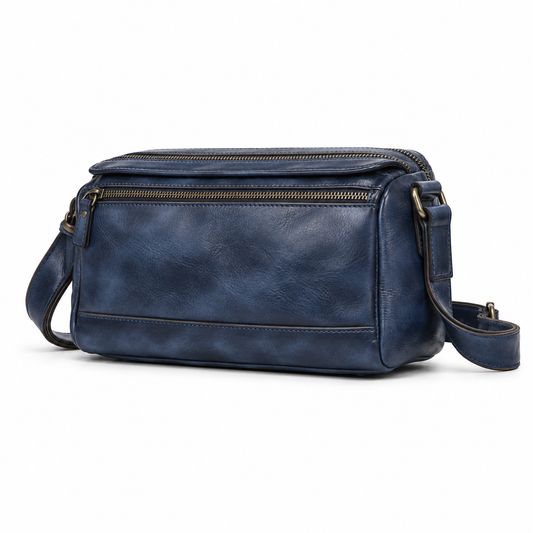
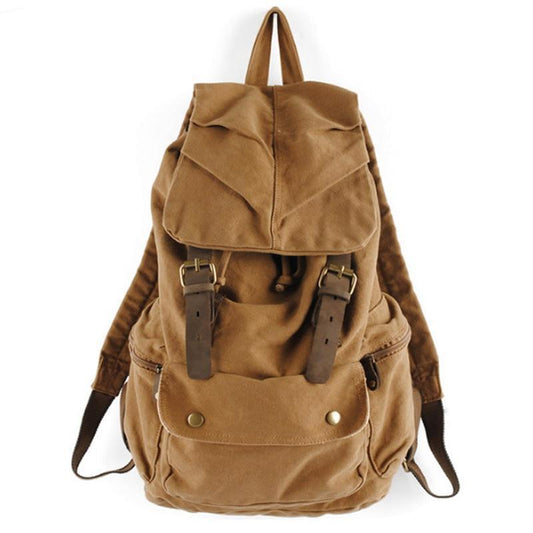
Une fermeture éclair à spirale standard est une rangée de dents ouvertes — en fait une fente. Les fermetures éclair résistantes à l'eau avec un laminé PU sur la spirale améliorent considérablement les choses, et un rabat tempête recouvrant la ligne de la fermeture éclair est encore mieux car il empêche l'impact direct. La meilleure solution quotidienne est une conception à rabat avec des boucles ou des fermetures magnétiques, c'est pourquoi les silhouettes classiques de sacoches restent réellement pratiques dans les climats humides plutôt que simplement nostalgiques.
3. Pénétrations de quincaillerie
Les anneaux en D, les rivets et les ancrages de sangle traversent la coque. Une construction de qualité les renforce avec des pièces de cuir ou de sangle et les scelle souvent avec de l'adhésif. Les sacs bon marché rivetent simplement à travers le tissu, créant un point de fuite précisément là où le sac fléchit le plus.
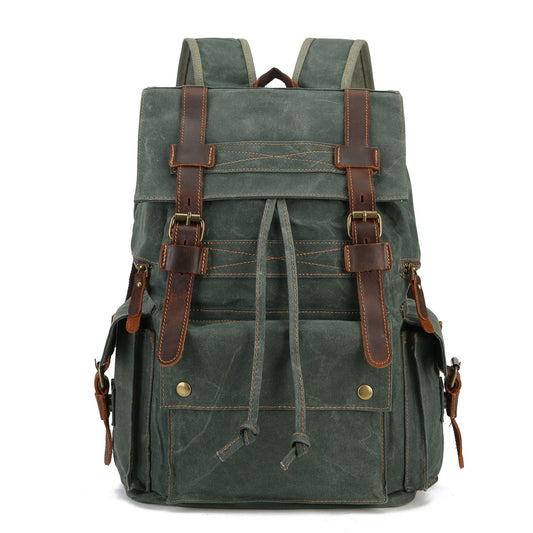
Si vous ne retenez rien d'autre : jugez un sac par ses coutures, sa fermeture et sa quincaillerie, et non par l'allégation de tissu sur l'étiquette. Notre collection de sacs en toile imperméables est un point de référence utile pour savoir à quoi ressemblent ces détails lorsqu'ils sont bien faits – coutures gansées, lignes de couture protégées et fermetures couvertes plutôt qu'une fermeture éclair simple sur le dessus.

Adapter la conception du sac au climat régional
Le temps n'est pas générique, et l'achat le plus judicieux dépend du type d'humidité auquel vous faites réellement face.
Europe du Nord et de l'Ouest
Pensez à la bruine persistante, à la pluie poussée par le vent et aux longues saisons grises plutôt qu'aux averses tropicales. À Londres, Amsterdam, Dublin ou Hambourg, l'eau arrive horizontalement et dure des heures. La priorité est une résistance soutenue et un séchage rapide. La toile cirée fonctionne magnifiquement ici car elle repousse continuellement sans retenir l'humidité, et le climat frais signifie que la cire ne devient jamais collante. Une sacoche à rabat ou un sac à dos avec une ouverture supérieure couverte convient beaucoup mieux aux trajets quotidiens qu'un chargeur à panneaux entièrement zippé.
Asie du Sud et du Sud-Est
La pluie de mousson est volumétrique — d'énormes quantités en courtes rafales, combinées à une chaleur et une humidité supérieures à 80 %. Deux choses comptent. Premièrement, une véritable imperméabilité pendant l'averse, car une averse de mousson de vingt minutes délivre plus d'eau qu'une journée européenne. Deuxièmement, la résistance aux moisissures et la ventilation, car un sac en coton humide sous une chaleur humide développera de la moisissure en quelques jours. Ici, la toile enduite de PU ou le mélange synthétique l'emporte souvent sur le coton ciré, et la chaleur peut ramollir désagréablement les finitions cirées. Toujours sécher le sac complètement à l'air libre et ne jamais le ranger humide dans une armoire fermée.
Amérique du Nord
La gamme est extrême. La pluie du nord-ouest du Pacifique ressemble à celle de l'Europe du Nord et récompense les mêmes solutions de toile cirée. Le nord-est ajoute la gadoue de sel hivernale, qui est chimiquement agressive — les cristaux de sel abrasent les revêtements et tachent les garnitures en cuir, il faut donc rincer et retraiter saisonnièrement. Le sud-est apporte des orages estivaux d'intensité asiatique. Les régions montagneuses ajoutent de la neige, où le danger n'est pas la pluie mais la fonte : la neige se pose sur un sac, se réchauffe et s'infiltre lentement par le panneau supérieur.
Amérique latine et régions équatoriales
Les villes de haute altitude telles que Bogotá ou Quito combinent des pluies fréquentes l'après-midi avec des UV intenses, qui dégradent les revêtements plus rapidement que la plupart des gens ne s'y attendent. Réappliquez le traitement plus souvent que ce que le fabricant suggère. L'humidité côtière et amazonienne favorise à nouveau les synthétiques ou les conceptions bien ventilées par rapport au coton non traité.

Comment tester un sac avant de lui faire confiance
Vous n'avez pas besoin d'un laboratoire. Trois tests simples vous diront la plupart de ce que vous devez savoir.
- Le test de la gouttelette : Déposez quelques gouttes d'eau sur le tissu extérieur et attendez soixante secondes. Des perles serrées qui roulent signifient que la finition est intacte. Des gouttelettes qui s'aplatissent et assombrissent le tissu signifient que le traitement est usé et doit être renouvelé.
- Le test de la couture : Retournez le sac si possible et inspectez la couture inférieure. Recherchez du ruban adhésif, un bord ou une construction pliée. Des coutures brutes exposées sur la couture la plus basse sont un indicateur fiable de contenu humide.
- Le test de la douche : Mettez du papier journal froissé à l'intérieur, fermez le sac comme vous le feriez normalement, et passez-le sous une douchette pendant cinq minutes en l'inclinant. Vérifiez le papier. Cela simule beaucoup mieux la pluie poussée par le vent qu'une immersion statique et révèle immédiatement les défaillances de fermeture.
Effectuez le test sous la douche lorsque le sac est neuf, puis à nouveau après un an. Le changement vous indiquera quand un nouveau traitement est nécessaire, au lieu de deviner.
Entretien : Maintenir la résistance à l'eau
L'imperméabilisation est un consommable, pas une propriété permanente. Un sac de milieu de gamme bien entretenu surpassera un sac haut de gamme négligé.
Ré-encirer une toile cirée
Nettoyez le sac avec de l'eau froide et une brosse rigide — jamais de détergent, qui enlève la cire et l'incruste inégalement dans le tissage. Laissez-le sécher complètement. Réchauffez légèrement une barre ou une boîte de cire, appliquez de fines couches avec un chiffon, en commençant par les coutures et les panneaux les plus sollicités. Appliquez ensuite une chaleur douce avec un sèche-cheveux pour faire fondre la cire dans les fibres. Laissez sécher toute la nuit. Le sac aura d'abord un aspect tacheté et s'uniformisera en une semaine d'utilisation. Fréquence : annuellement pour un usage quotidien, tous les deux ans pour un usage occasionnel.
Rafraîchir la toile enduite et non traitée
Utilisez un spray déperlant durable sans PFC. Nettoyez d'abord, vaporisez uniformément à environ 20 cm de distance, et appliquez une chaleur douce si le produit le recommande. Concentrez-vous sur la base, la zone des épaules et les bords des rabats. Attendez-vous à trois à six mois par application en utilisation régulière.
Séchage et rangement
Ne séchez jamais un sac en toile sur un radiateur ou en plein soleil — la chaleur fait rétrécir le coton, craque les revêtements et dessèche les garnitures en cuir. Videz-le, ouvrez tous les compartiments et suspendez-le dans un endroit aéré à température ambiante. Pour le rangement, rembourrez-le légèrement avec du papier pour qu'il garde sa forme et conservez-le dans un endroit ventilé. Les sacs de rangement en plastique sont le moyen le plus rapide de développer de la moisissure.
Gérer la moisissure
Si vous détectez une odeur de moisi, agissez rapidement. Brossez la croissance superficielle à l'extérieur, essuyez avec une solution d'une partie de vinaigre blanc pour quatre parties d'eau, rincez légèrement et séchez soigneusement à l'ombre. Retraitez ensuite, car le vinaigre élimine la déperlance. Pour une forte contamination sur un sac de valeur, un nettoyeur spécialisé est moins cher que le remplacement.
Choisir le bon style pour les conditions humides
La silhouette affecte autant les performances en matière d'eau que le tissu.
- Sacoche à rabat : Excellent. Le rabat agit comme un toit et évacue l'eau de l'ouverture. Le choix classique pour les villes pluvieuses.
- Sac à dos roll-top : Le meilleur de sa catégorie. Trois ou quatre rouleaux créent un joint labyrinthe sans fermeture éclair susceptible de défaillir.
- Sac fourre-tout à fermeture éclair supérieure : Faible. La fermeture éclair se trouve au point le plus haut où l'eau s'accumule. Ne convient qu'aux pluies légères.
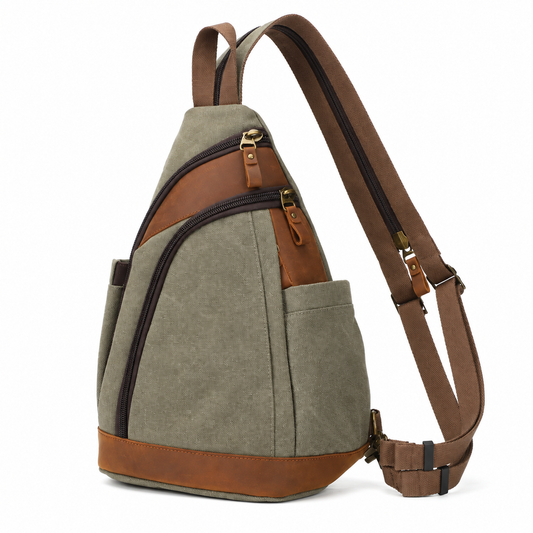
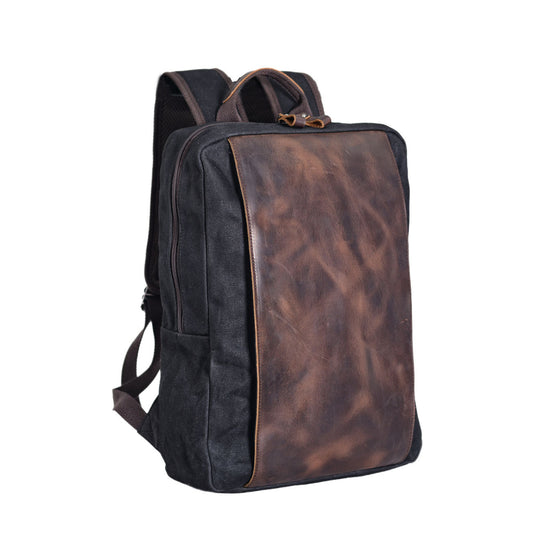
- Sac à dos à chargement par panneau : Mitigé. Pratique, mais une longue fermeture éclair sur le panneau arrière est une grande ligne exposée. Nécessite des rabats tempête pour fonctionner par mauvais temps.
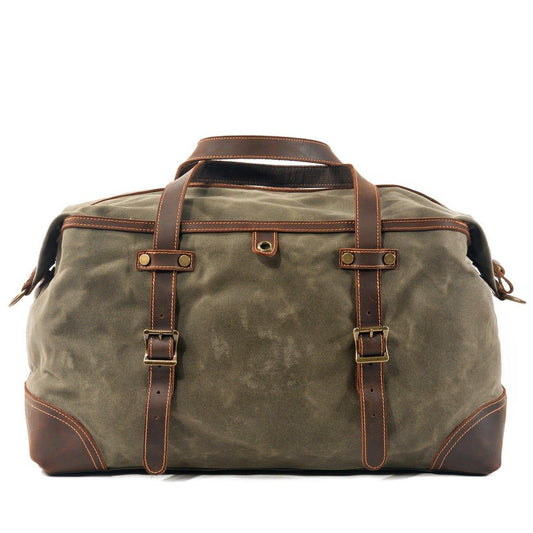
- Sac de sport avec fermeture éclair pleine longueur : Faible, à moins que la fermeture éclair ne soit enduite et munie d'un rabat. Cependant, les sacs de sport voyagent généralement à l'intérieur des véhicules plutôt que sur votre dos, donc l'exposition est brève.
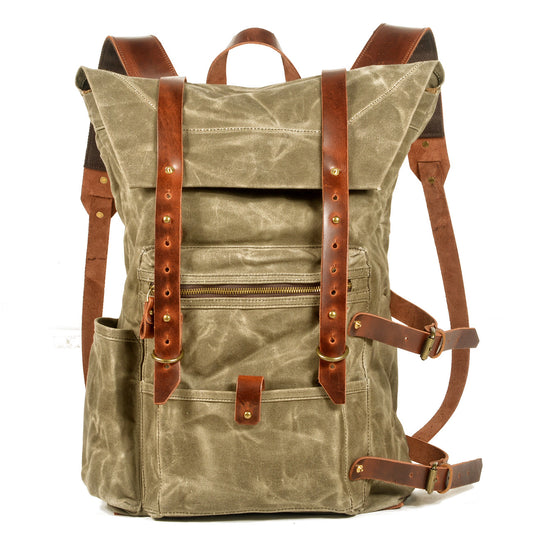
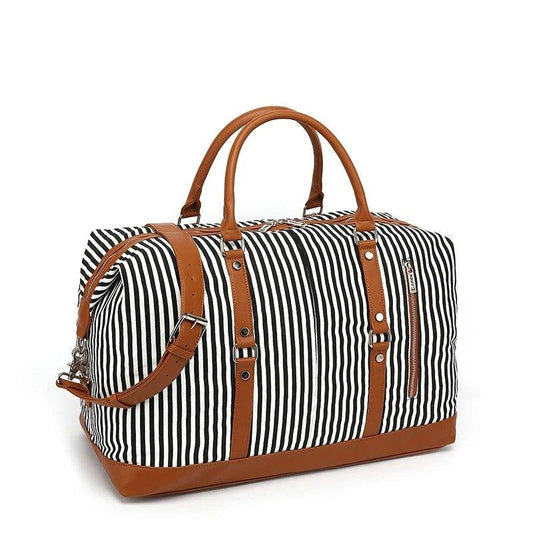
Pour les randonneurs et les voyageurs d'aventure qui ont besoin de performances par tous les temps combinées à la capacité de charge, les compromis changent à nouveau — la ventilation et le confort du harnais commencent à être aussi importants que l'enveloppe. Les modèles de notre collection de sacs en toile cirée montrent comment les matériaux traditionnels s'adaptent à ce rôle, et si vous préparez des voyages plus longs où le volume de l'équipement est plus important que le transport quotidien, un sac de voyage résistant aux intempéries couvre la partie enregistrée et transportée du voyage.
Questions Fréquemment Posées
Les sacs en toile cirée sont-ils entièrement imperméables ?
Non. La toile cirée est très résistante à l'eau, mais pas imperméable. Elle gardera le contenu au sec pendant des heures de pluie, mais les trous de couture ne sont pas scellés et une submersion prolongée laissera entrer l'eau. Pour une performance véritablement imperméable, vous avez besoin de coutures soudées et d'une fermeture roll-top ou de type sac étanche.
À quelle fréquence dois-je ré-encirer un sac en toile ?
Une fois par an pour un sac utilisé quotidiennement dans un climat humide, et tous les 18 à 24 mois pour une utilisation occasionnelle. Le test de la gouttelette est un meilleur guide que le calendrier : lorsque l'eau cesse de perler et commence à s'infiltrer, il est temps.
Une housse de pluie est-elle aussi efficace qu'un sac imperméable ?
Une housse de pluie est très efficace et peu coûteuse, et elle protège également le tissu des UV et de la saleté. Ses faiblesses sont le vent, qui peut la soulever, et le panneau arrière découvert contre votre corps. Pour les navetteurs, une housse et un sac résistant à l'eau est souvent la combinaison la plus pratique.
Puis-je laver en machine un sac en toile imperméable ?
Non. Le lavage en machine élimine les revêtements, endommage les finitions cirées, déforme les panneaux structurés et peut ruiner les garnitures en cuir. Nettoyez les taches localement avec de l'eau froide et une brosse, et traitez les taches rapidement.
Quel est le meilleur grammage de toile pour le temps pluvieux ?
Entre 16 et 18 onces offre le meilleur équilibre. Elle est suffisamment dense pour résister à la pénétration et bien retenir la cire, mais assez légère pour un port quotidien et rapide à sécher. Une toile plus légère sature plus vite ; une toile plus lourde reste humide longtemps.
Un sac en toile imperméable protégera-t-il un ordinateur portable ?
Considérez le sac comme la première couche, pas la seule. Même d'excellents sacs laissent passer un peu d'humidité au niveau de la fermeture dans des conditions extrêmes. Une housse d'ordinateur portable rembourrée et résistante à l'eau à l'intérieur du sac est une assurance bon marché et protège également contre les chocs.
La couleur affecte-t-elle les performances en matière d'eau ?
Pas directement, mais cela affecte l'apparence. Une toile plus foncée cache bien mieux les taches d'eau et les taches de cire. Les couleurs beige clair et coton naturel montrent chaque goutte et mettent plus de temps à avoir un aspect uniforme après le ré-encirage.
En résumé
Le marché des sacs en toile imperméables est rempli d'affirmations audacieuses et de très peu de données vérifiables. La solution consiste à ignorer les adjectifs et à lire la construction : poids et traitement du tissu, traitement des coutures, conception de la fermeture et renforts de la quincaillerie. Une sacoche en coton ciré de 16 oz avec des coutures gansées et un rabat généreux surpassera un tissu techniquement supérieur assemblé avec des coutures brutes et une simple fermeture éclair, à chaque fois.
Décidez honnêtement des conditions auxquelles vous faites face. La bruine persistante européenne, les averses de mousson asiatiques et la neige fondue hivernale nord-américaine récompensent chacune une construction différente. Ensuite, entretenez ce que vous achetez — un ré-encirage une fois par an prend vingt minutes et restaure une performance qu'aucune quantité de lecture de spécifications ne peut remplacer. Choisissez en fonction de la construction, adaptez au climat, entretenez selon le calendrier, et votre sac gardera vos affaires au sec pendant une décennie plutôt qu'une saison.